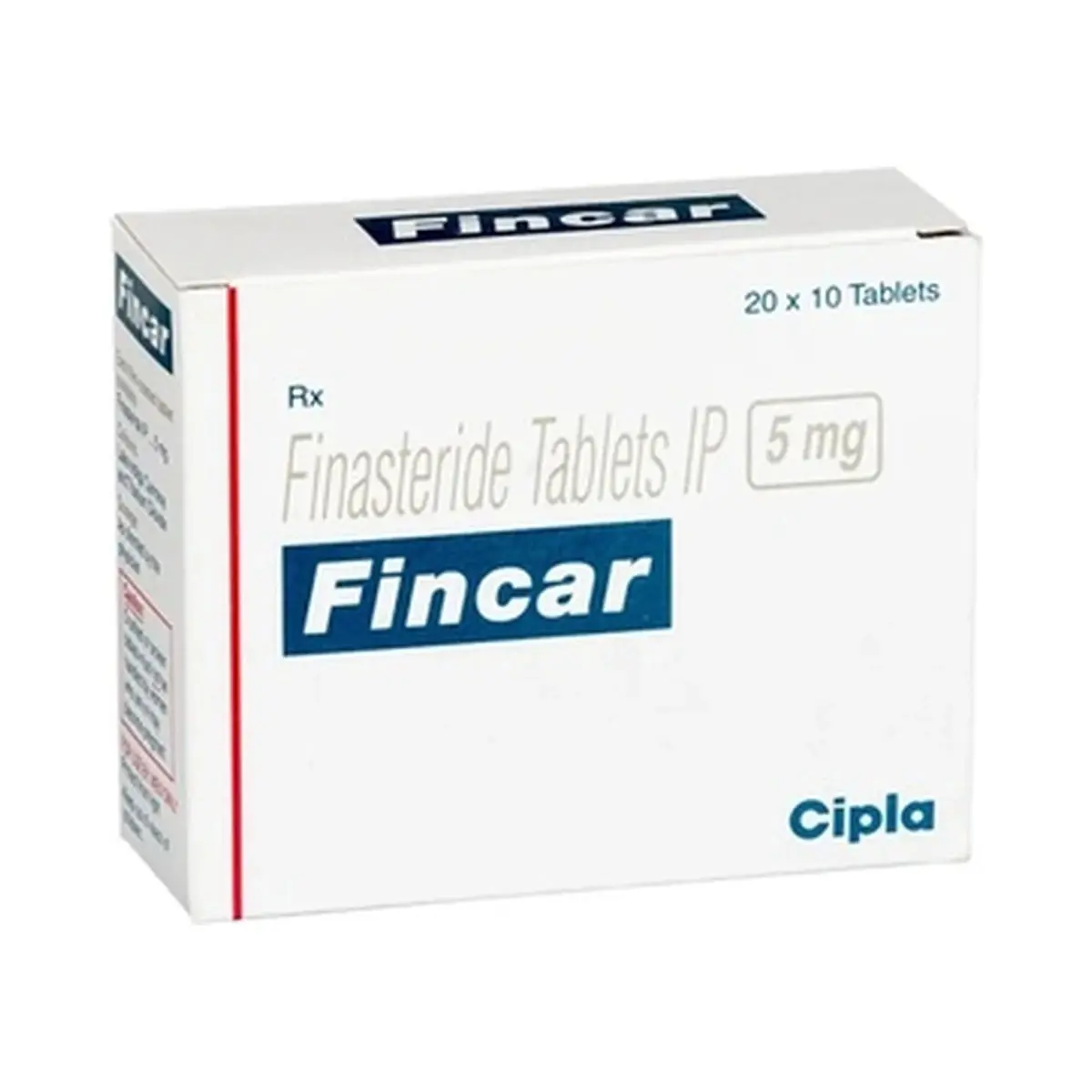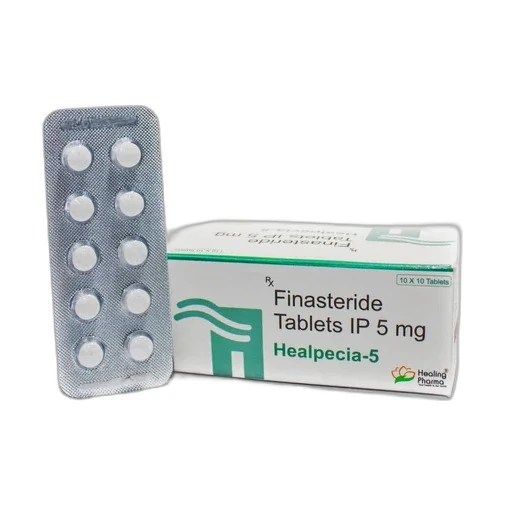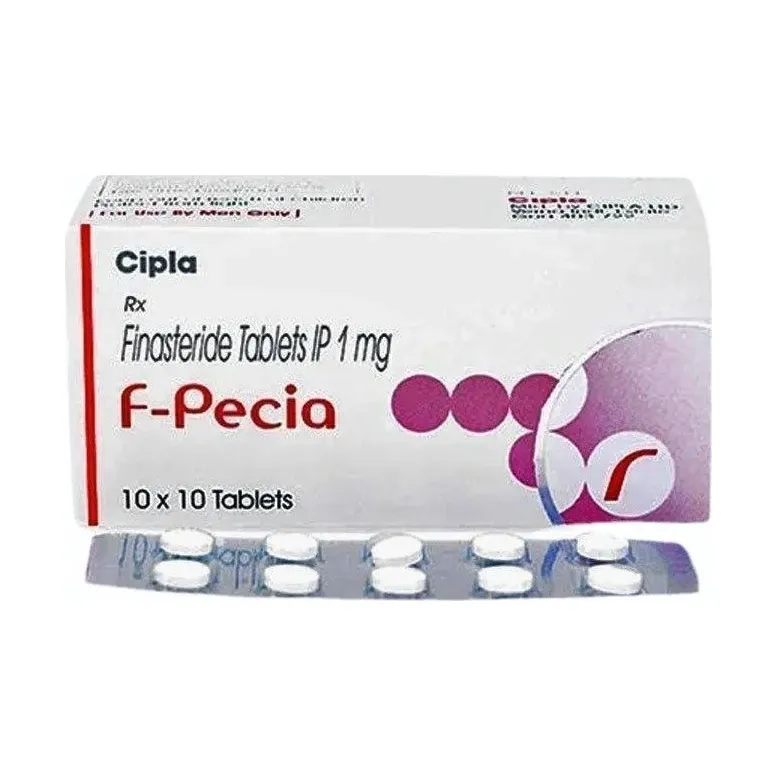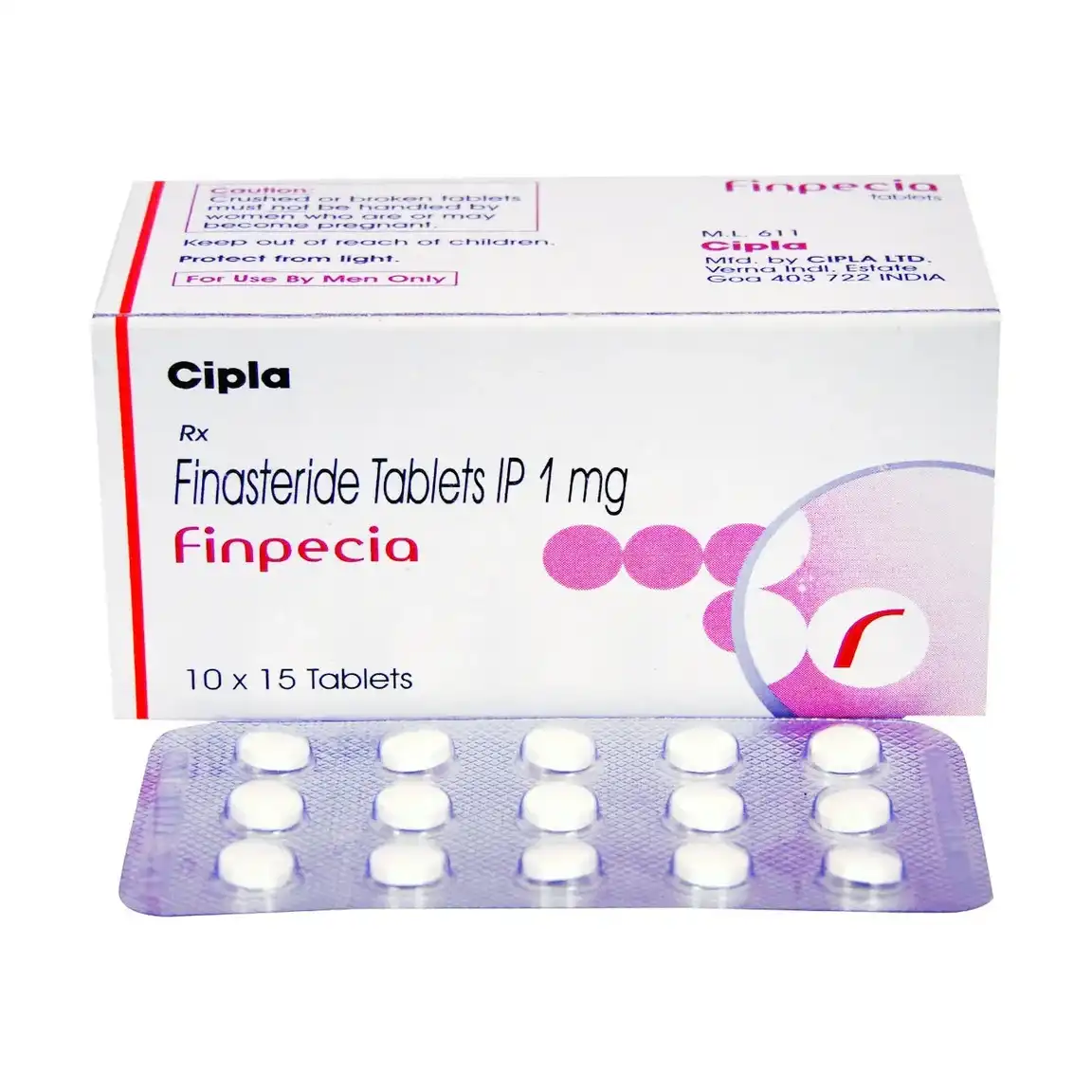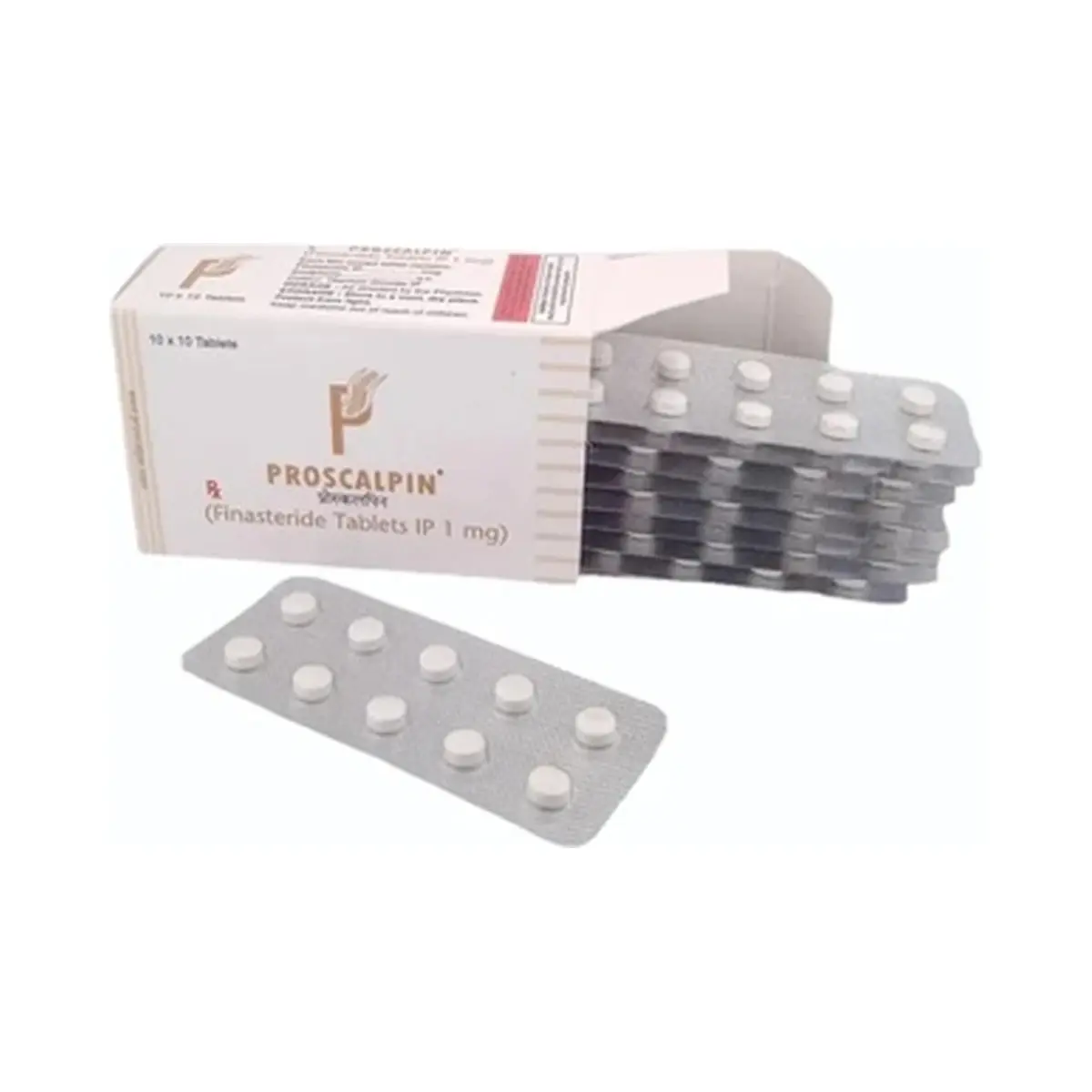
Description
Proscalpin (Finasteride) 1 mg
Proscalpin 1 mg contains finasteride, an oral medicine used for male pattern hair loss in adult men. Finasteride belongs to the 5-alpha-reductase inhibitor class. Its established use is for androgenetic alopecia, a common form of progressive hair thinning with a characteristic pattern.
Active Ingredient and Medicine Class
The verified active ingredient is finasteride. It is a 5-alpha-reductase inhibitor, meaning it blocks the enzyme that converts testosterone to dihydrotestosterone (DHT). DHT is an androgen involved in the miniaturisation of scalp hair follicles in genetically susceptible men.
Established Medical Uses
Finasteride 1 mg is established for the treatment of male pattern hair loss in adult men. Prescribing information does not support use in women or children for this indication. Evidence for benefit is strongest for vertex-pattern hair loss; benefit for bitemporal recession has not been established in the official prescribing information.
How It Works
Finasteride selectively inhibits type II 5-alpha-reductase. This reduces DHT levels in the scalp and in circulation. By lowering DHT, the medicine helps slow the shrinkage of affected hair follicles and may support maintenance of existing hair and regrowth in some men. The effect is related to continued treatment, and benefit generally requires several months to become apparent.
Important Safety Information
Finasteride is contraindicated in pregnancy. It should not be used by women who are or may become pregnant because exposure may pose a risk to a male fetus. Crushed or broken tablets should not be handled by pregnant women. The medicine is also contraindicated in people with hypersensitivity to finasteride or any tablet component.
Important precautions include the effect on prostate-specific antigen (PSA) levels: finasteride can lower PSA, so a confirmed rise while taking the medicine may warrant medical evaluation. Official labeling also notes a potential association with high-grade prostate cancer based on studies with 5 mg finasteride, although the clinical significance for 1 mg treatment is uncertain. Finasteride has no clinically important drug interactions identified in the official label and does not appear to affect the cytochrome P450 enzyme system.
Possible Side Effects
The most commonly reported adverse reactions are decreased libido, erectile dysfunction, and ejaculation disorder. Other reported effects include breast tenderness or enlargement, rash, hypersensitivity reactions, testicular pain, depression, and suicidal ideation or behavior. Postmarketing reports also include persistent sexual dysfunction and, less commonly, male infertility or poor seminal quality.
Scientific Evidence
Randomized clinical studies and subsequent reviews support finasteride 1 mg as an effective option for male androgenetic alopecia, with improvement in hair count and slowing of further loss compared with placebo. The overall evidence base shows that the medicine works best when used consistently over time, and that the effect diminishes after stopping treatment. Reviews also note that sexual adverse effects are the main tolerability concern, while the absolute risk remains difficult to estimate precisely because reporting methods vary across studies.
Medical Information Notice
This summary is for educational purposes only and is based on sources available at the time of review. It does not replace the official patient leaflet, product labeling, or individual assessment by a qualified healthcare professional.
Medical Sources
- U.S. Food and Drug Administration – Finasteride tablets, full prescribing information. View official prescribing information
- U.S. Food and Drug Administration – Propecia (finasteride) Tablets, 1 mg. View FDA label
- Whiting DA. Advances in the treatment of male androgenetic alopecia: a brief review of finasteride studies. European Journal of Dermatology, 2001. View scientific article
- Suchonwanit P, Thammarucha S, Leerunyakul K. Finasteride for hair loss: a review. Dermatology and Therapy, 2021. View scientific article