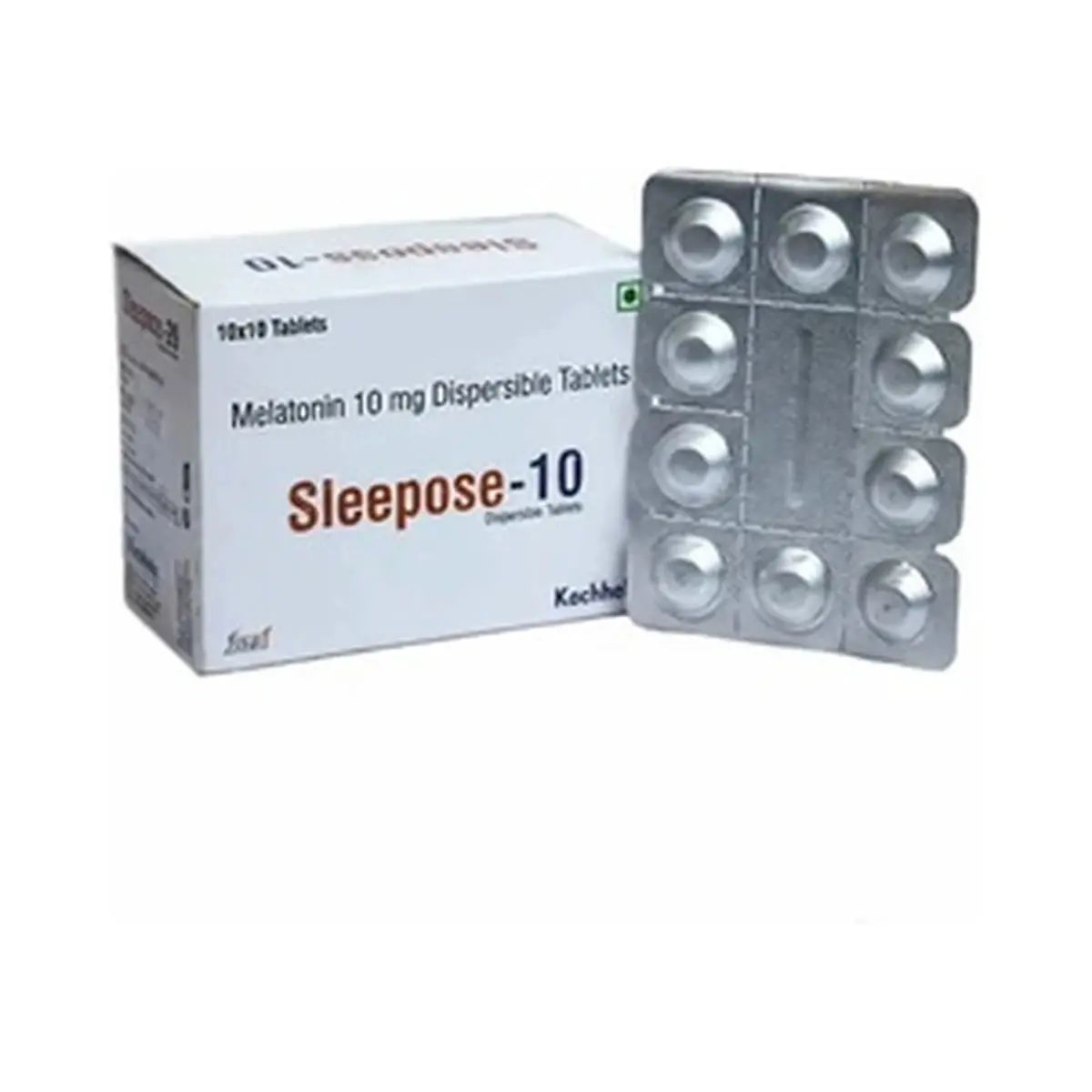
Description
Metotrip (Melatonin) 5 mg
Metotrip 5 mg is identified as a melatonin product. Melatonin is a hormone used in medicine for sleep-related and circadian rhythm indications, but the exact regulatory status of the trade name Metotrip was not verified from official product information in the available sources.
Active Ingredient and Medicine Class
Verified active ingredient: melatonin.
Melatonin is a pineal hormone and a circadian rhythm regulator. In medicinal products, it is classified as a sleep-related agent and chronobiotic, with ATC code N05CH01 in melatonin product information.
Established Medical Uses
Official product information for melatonin medicines supports use mainly for short-term treatment of primary insomnia in selected adult patients, especially older adults for certain prolonged-release products. Regulatory and clinical sources also support melatonin’s role in circadian rhythm sleep-wake disorders, where timing of administration is important to phase-shift the sleep-wake cycle. The exact approved indication for Metotrip could not be confirmed, so product-specific use should not be assumed from the name alone.
How It Works
Melatonin helps regulate the body’s internal clock. It acts on melatonin receptors involved in sleep timing and circadian signalling, helping reduce wake drive at night and support sleep onset or phase adjustment. Its main effect is on sleep timing and sleep-wake rhythm rather than acting as a traditional sedative.
Important Safety Information
Melatonin products are not suitable for everyone. Official information for melatonin medicines notes caution or non-recommendation in hepatic impairment for some products, and paediatric use is product-specific. Important interaction concerns include oestrogen-containing medicines, which may increase melatonin levels, and other medicines that can affect the same metabolic pathways. Caution is also advised with medicines that may add to drowsiness or with conditions where sedation could be risky.
Possible Side Effects
Reported adverse effects with melatonin include headache, dizziness, daytime sleepiness, fatigue, nausea, and abnormal dreams. Less common but more serious reactions can include mood changes, palpitations, blood pressure changes, and hypersensitivity reactions. The side-effect profile depends on the specific formulation and patient population.
Scientific Evidence
Peer-reviewed reviews and meta-analyses show that melatonin can modestly improve sleep latency and may be more clearly useful for circadian rhythm sleep-wake disorders than for nonspecific insomnia. Evidence is mixed for clinical magnitude of benefit in primary insomnia, and results depend on formulation, dose, and timing. Overall, melatonin is best supported as a chronobiotic agent for sleep timing problems rather than a universal sleep remedy.
Medical Information Notice
This educational summary is based on sources available at the time of review and does not replace the official patient leaflet, product label, or assessment by a qualified healthcare professional.
Medical Sources
- Medicines and Healthcare products Regulatory Agency / emc: Melatonin 2 mg prolonged-release tablets, Summary of Product Characteristics
- European Medicines Agency: Slenyto, melatonin: EPAR product information
- Xie Z, et al. “A review of sleep disorders and melatonin.” PubMed, 2017. PubMed article