Description
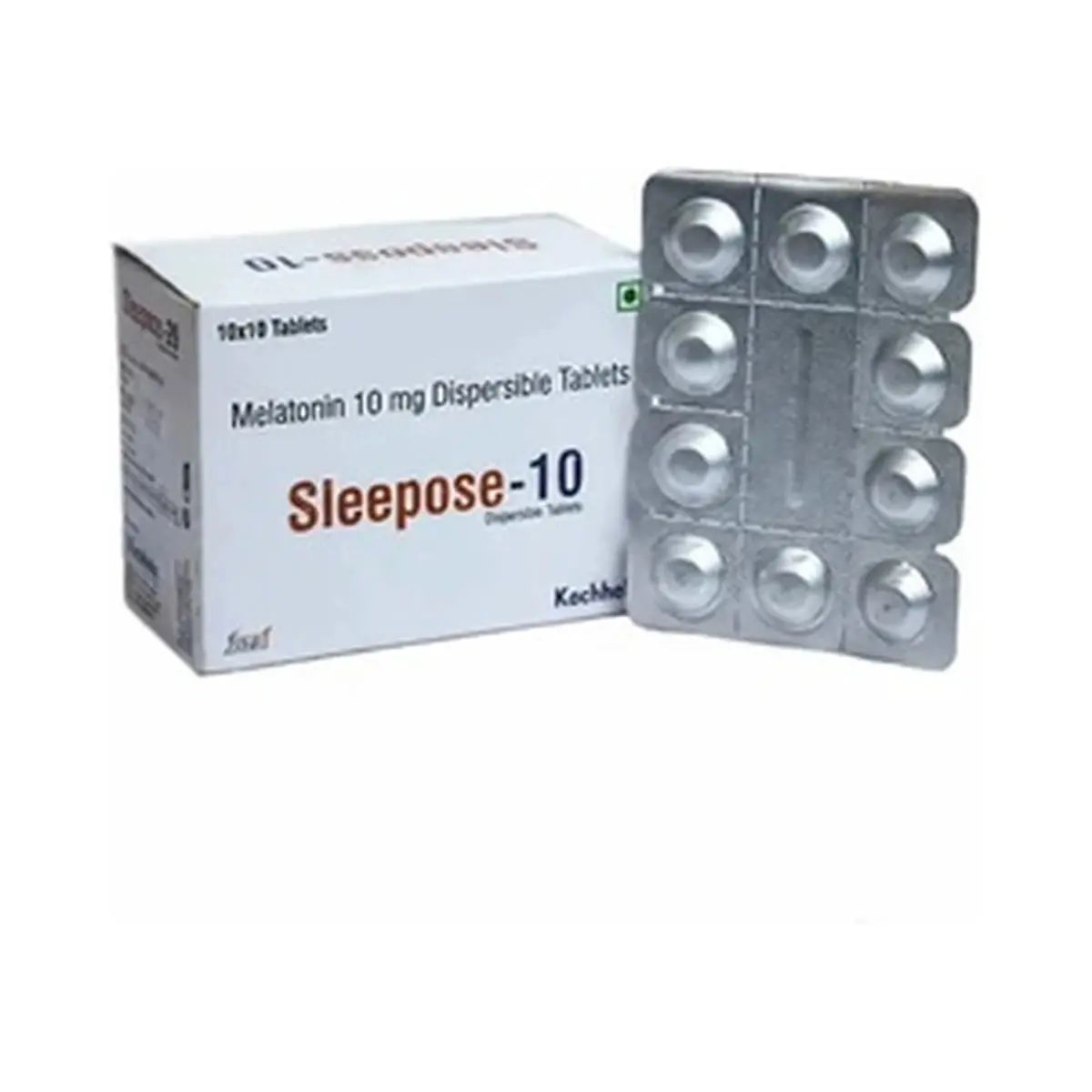
Sleepose (Melatonin) 10 mg
Sleepose 10 mg is identified as a melatonin product. Melatonin is a naturally occurring hormone involved in regulating the sleep-wake cycle and circadian timing. Products sold under the name “melatonin” may differ in regulatory status and formulation by country; the verified ingredient here is melatonin.
Active Ingredient and Medicine Class
Active ingredient: melatonin.
Class: melatonergic / circadian rhythm-regulating agent. In medical literature, melatonin is described as a chronobiotic that helps signal night-time and may support sleep initiation and circadian re-entrainment.
Established Medical Uses
Verified medical uses for melatonin include short-term management of primary insomnia in some regulated products and use in circadian rhythm sleep-wake disorders, including situations such as jet lag or delayed sleep phase patterns. Evidence suggests its benefit is generally modest for sleep onset, with clearer usefulness when the sleep problem is related to circadian misalignment.
How It Works
Melatonin acts on melatonin receptors, especially MT1 and MT2, in brain pathways that help regulate internal body time. This can reduce the biological signal for wakefulness and help shift sleep timing toward the desired night-time period. Its effect depends not only on the dose but also on timing and the sleep problem being treated.
Important Safety Information
Important precautions reported in official and regulatory sources include possible next-day drowsiness or reduced alertness, so caution is warranted with activities requiring attention. Interactions may occur with sedating medicines and with some drugs that affect melatonin metabolism, including fluvoxamine; other interaction concerns have been reported with medicines used for cardiovascular conditions, epilepsy, and agents with sedative effects. Official sources also advise caution in pregnancy or lactation and in people taking prescription medicines.
Possible Side Effects
Reported adverse effects include drowsiness, fatigue, headache, dizziness, confusion, and reduced alertness. Less common but clinically important reactions can include excessive sedation and other unwanted nervous-system effects. Safety reviews note that melatonin may also affect how some medicines act, which can increase the risk of side effects.
Scientific Evidence
Peer-reviewed reviews and meta-analyses report that melatonin can improve sleep onset and circadian adjustment in some settings, but overall benefits for chronic insomnia are usually modest and depend on formulation, timing, and diagnosis. Evidence is stronger for circadian rhythm sleep-wake disorders than for nonspecific insomnia.
Medical Information Notice
This summary is for educational purposes only and is based on sources available at the time of review. It does not replace the official patient leaflet, product labeling, or assessment by a qualified healthcare professional.
Medical Sources
- European Medicines Agency (EMA) — Melatonin Neurim: medicine overview
- DailyMed / U.S. prescribing information — MELATONIN tablet
- Poza-Aldea JJ, et al. — “Melatonin in sleep disorders.” Neurologia (English Edition), 2018. PubMed article