Description
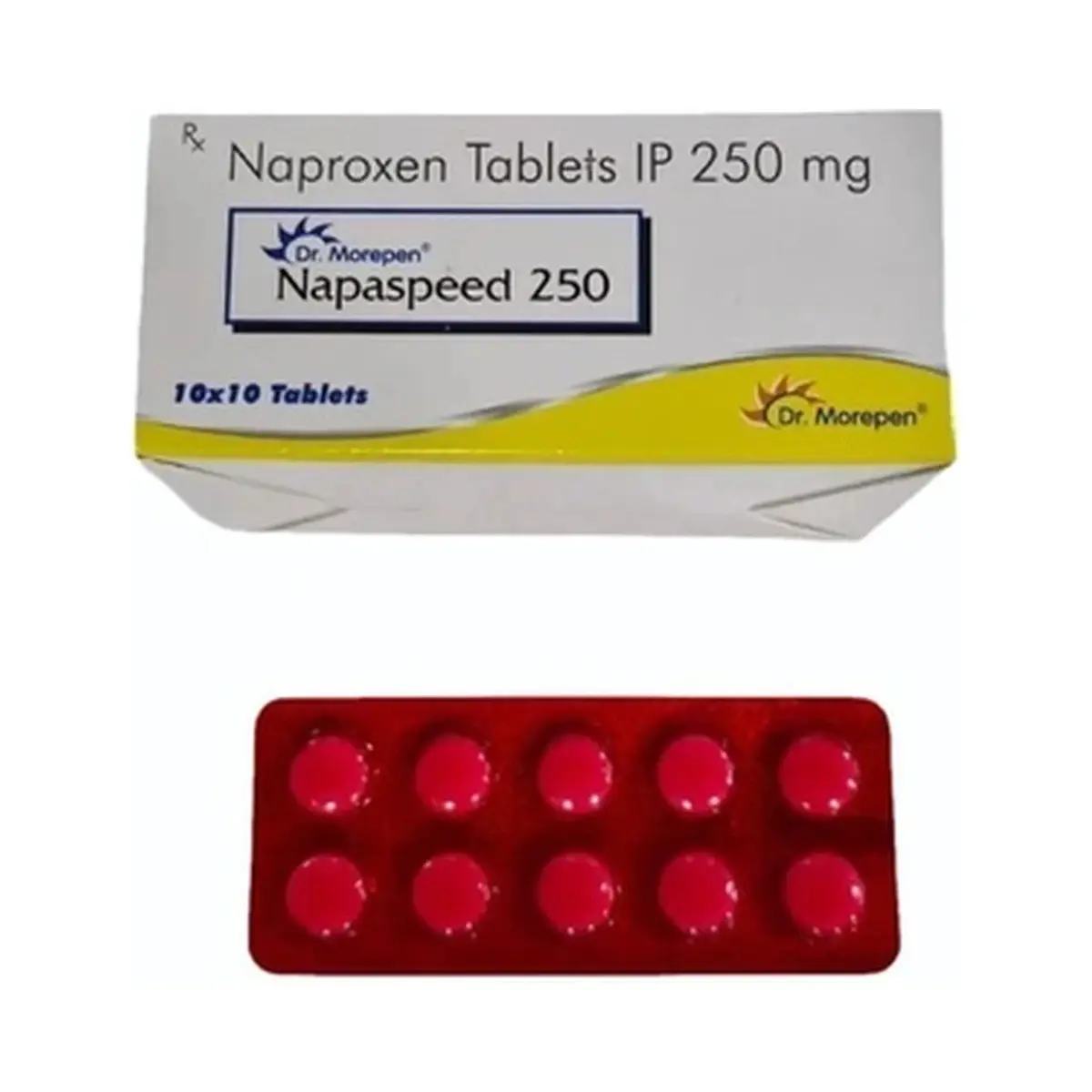
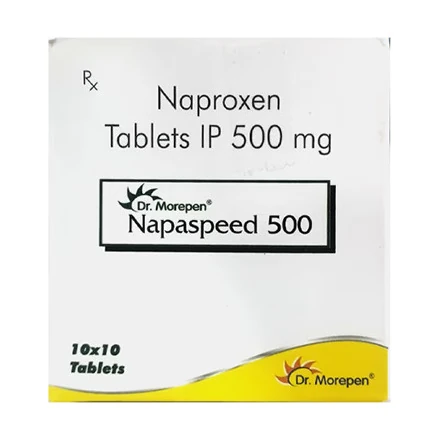
Napaspeed (Naproxen) 500 mg
Napaspeed 500 mg is a tablet product identified as containing naproxen, a nonsteroidal anti-inflammatory drug (NSAID) used for relief of pain and inflammation. Naproxen is a well-established medicine in this class, but the trade name itself should always be verified against the product’s official prescribing information.
Active Ingredient and Medicine Class
The verified active ingredient is naproxen. It belongs to the NSAID class, which includes medicines with analgesic, anti-inflammatory and antipyretic effects. Regulatory labels for naproxen tablets identify it as an oral NSAID used in multiple pain and inflammatory conditions.
Established Medical Uses
Naproxen is established for the treatment of pain and inflammation, including musculoskeletal and rheumatic pain states, and it has also been studied and used for other acute pain conditions. Official prescribing information lists approved uses that vary by country and formulation, so the exact indication for Napaspeed should be confirmed from the local label.
How It Works
Naproxen works by inhibiting cyclooxygenase enzymes, which reduces prostaglandin production. Prostaglandins are chemical messengers involved in pain, fever and inflammation, so lowering them helps reduce these symptoms.
Important Safety Information
Naproxen should not be used in people with known hypersensitivity to naproxen or other NSAIDs. It carries important warnings for serious gastrointestinal bleeding, ulceration and perforation, as well as cardiovascular thrombotic risk. It is also contraindicated in the setting of coronary artery bypass graft surgery.
Clinically significant interactions can occur with other medicines that increase bleeding risk, reduce kidney perfusion, or are affected by NSAID use. Official labels also warn about serious skin reactions, anaphylactic reactions and drug reaction with eosinophilia and systemic symptoms (DRESS).
Possible Side Effects
Commonly reported adverse effects include dyspepsia, abdominal pain, nausea, headache, rash, bruising and edema. More serious reactions can include gastrointestinal bleeding, kidney problems, allergic reactions, severe skin reactions and cardiovascular events.
Scientific Evidence
PubMed-indexed reviews support naproxen as an effective NSAID for acute pain and inflammatory conditions, with a long history of clinical use in rheumatic disease and other pain states. Review evidence also supports efficacy in postoperative and other acute pain settings, although safety concerns typical of NSAIDs remain important.
Medical Information Notice
This educational summary is based on sources available at the time of review and does not replace the official patient leaflet, prescribing information or assessment by a qualified healthcare professional.
Medical Sources
- U.S. DailyMed: Naproxen Tablets, USP for oral use, prescribing information
- FDA: NAPROSYN, EC-NAPROSYN and ANAPROX DS, highlights of prescribing information
- Brogden RN et al. “Naproxen up to date: a review of its pharmacological properties and therapeutic efficacy and use in rheumatic diseases and pain states.” Drugs (1979). PubMed