Description
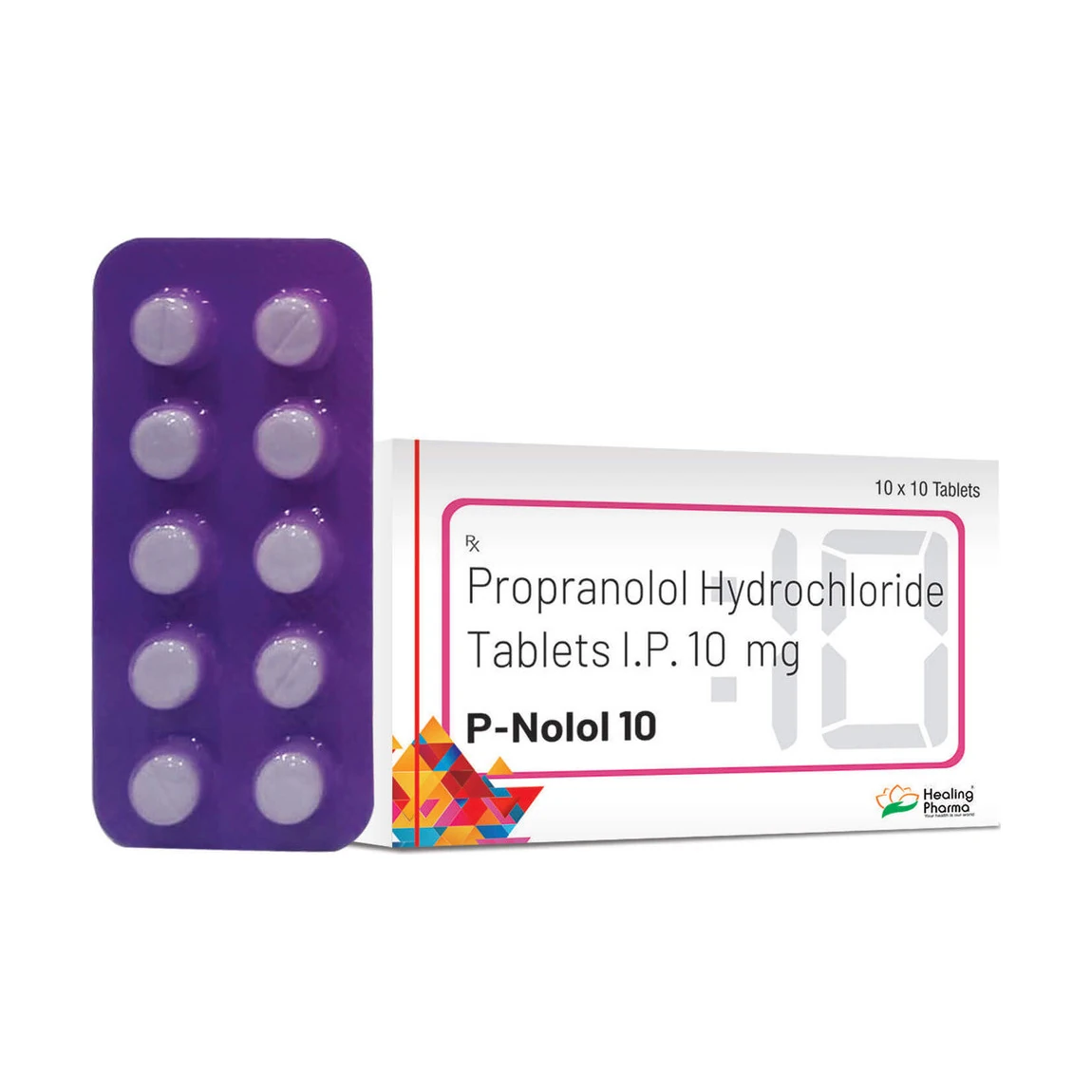
P-nolol (Propranolol) 10 mg
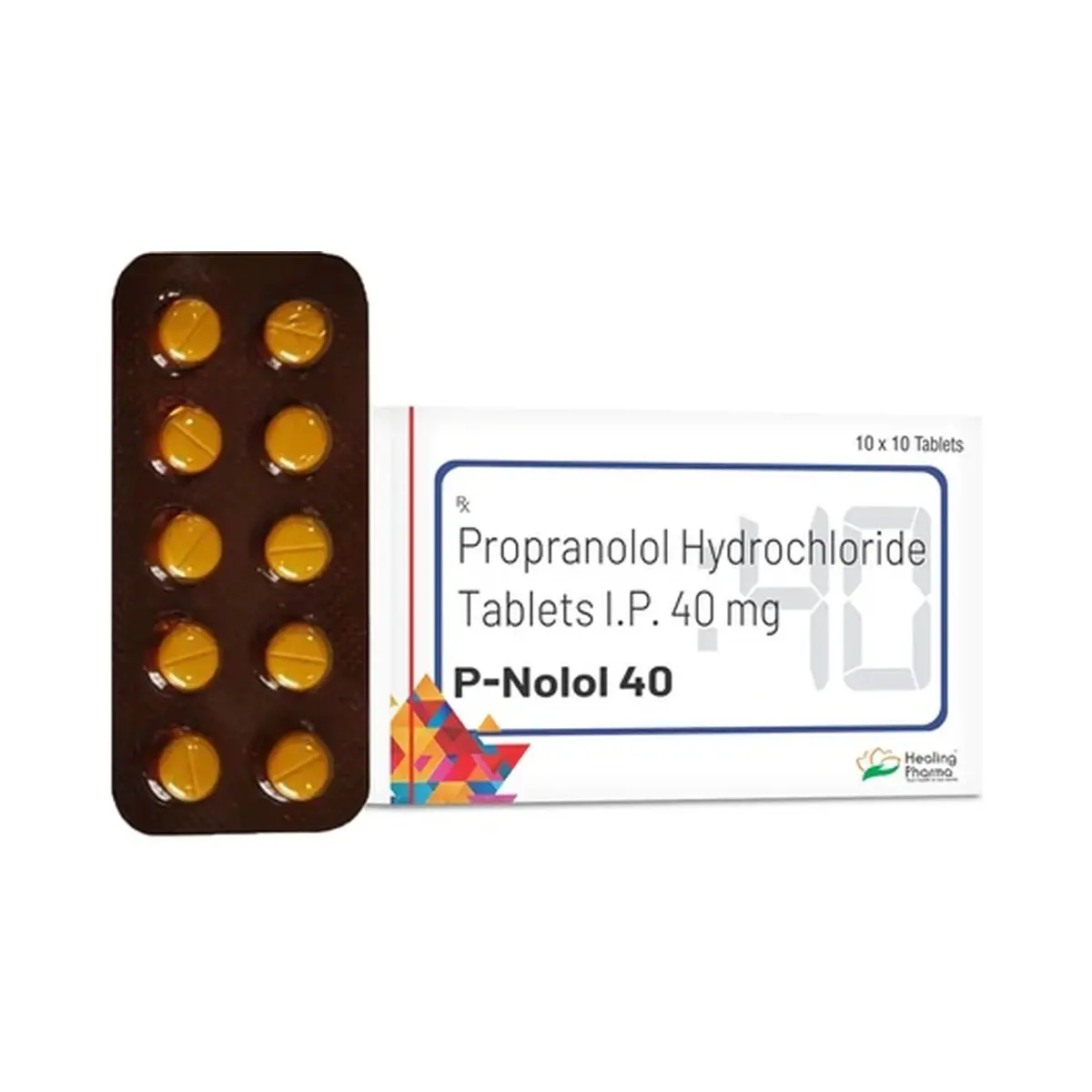
P-nolol 10 mg is a propranolol hydrochloride tablet. Propranolol is a non-selective beta-blocker used in established cardiovascular and other medical settings. The product name appears to identify a propranolol 10 mg oral tablet, and propranolol tablets are available in this strength in official prescribing information.
Active Ingredient and Medicine Class
The verified active ingredient is propranolol hydrochloride. It belongs to the beta-adrenergic blocking agents class and blocks both beta-1 and beta-2 receptors. Propranolol is described in the literature as a non-cardioselective beta-blocker.
Established Medical Uses
Official labeling supports propranolol for several established uses, including management of hypertension, angina pectoris, cardiac arrhythmias, and hypertrophic subaortic stenosis. It is also used as an adjunct to alpha-adrenergic blockade in pheochromocytoma, and in some labels for essential tremor and other specified conditions. Review literature also describes use in migraine prophylaxis and other indications, but only indications supported by the cited source set are included here.
How It Works
Propranolol reduces the effects of adrenaline and related stress hormones at beta receptors. This slows the heart rate, lowers cardiac workload, and can reduce blood pressure and certain symptoms driven by sympathetic overactivity. Its non-selective beta-blocking action also explains some of its respiratory and metabolic precautions.
Important Safety Information
Propranolol is contraindicated in cardiogenic shock, sinus bradycardia, greater than first-degree heart block, bronchial asthma, and known hypersensitivity to propranolol. Official labeling also warns that abrupt discontinuation may worsen angina and that beta-blockers can contribute to heart failure in some patients. Clinically important interactions include other medicines that slow heart rate or atrioventricular conduction, and caution is warranted in conditions where beta-2 blockade may be problematic, such as bronchospastic disease.
Possible Side Effects
Reported adverse effects include bradycardia, hypotension, fatigue, weakness, sleep disturbance, vivid dreams, dizziness, and gastrointestinal upset such as nausea or diarrhea. More serious reactions reported in labeling include worsening heart failure, conduction disturbances, bronchospasm, and rare severe skin or hypersensitivity reactions.
Scientific Evidence
Peer-reviewed reviews describe propranolol as a long-established non-selective beta-blocker with broad clinical use across cardiovascular and some non-cardiovascular conditions. The literature consistently supports its role in lowering heart rate and myocardial oxygen demand, and it recognizes both its therapeutic value and its characteristic safety limitations.
Medical Information Notice
This educational summary is based on sources available at the time of review and does not replace the official patient leaflet, product label, or assessment by a qualified healthcare professional.
Medical Sources
- DailyMed / U.S. prescribing information: Propranolol Hydrochloride Tablets, USP. View source
- PubMed: Varon J, Marik PE. Propranolol. Review. 2017. View article