Description
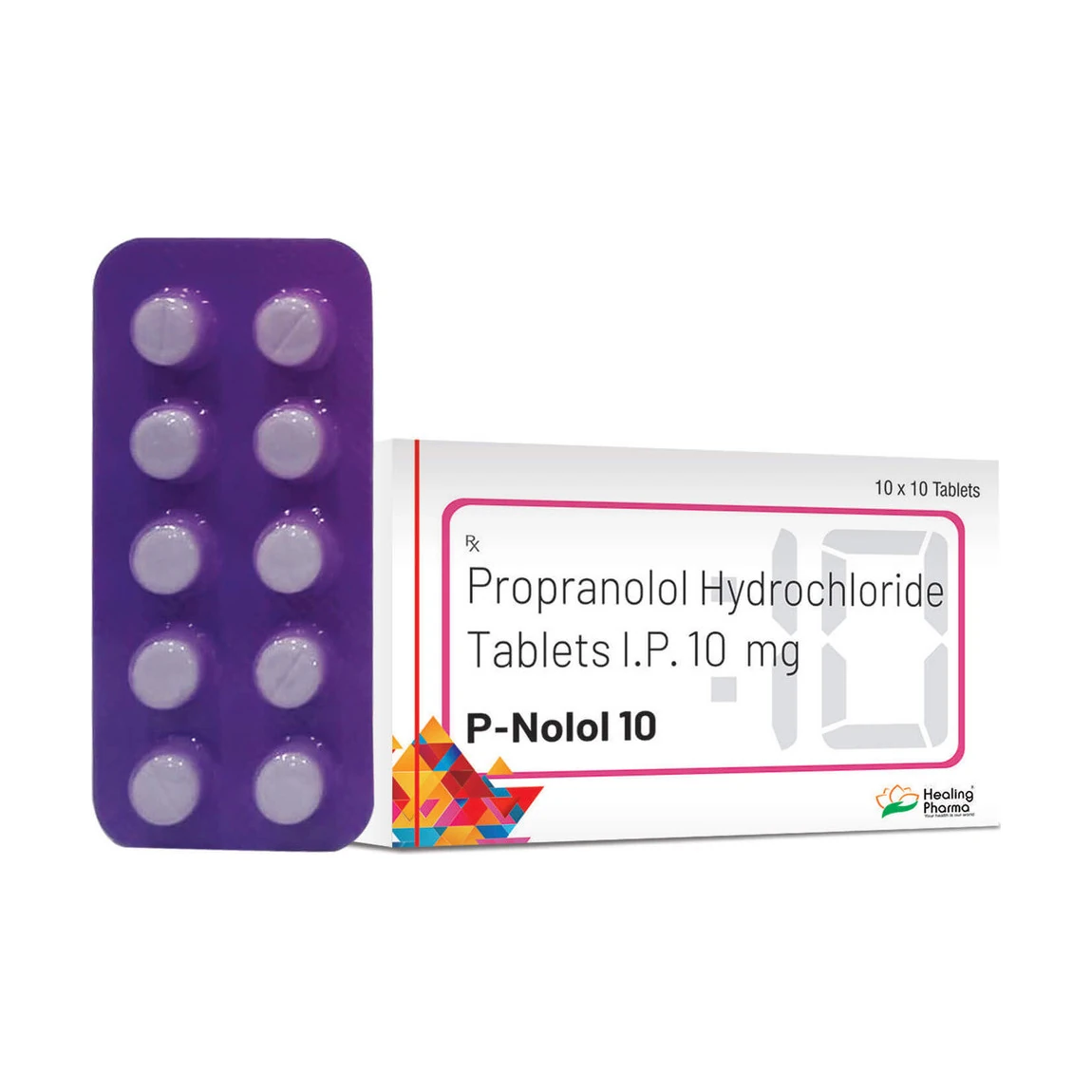
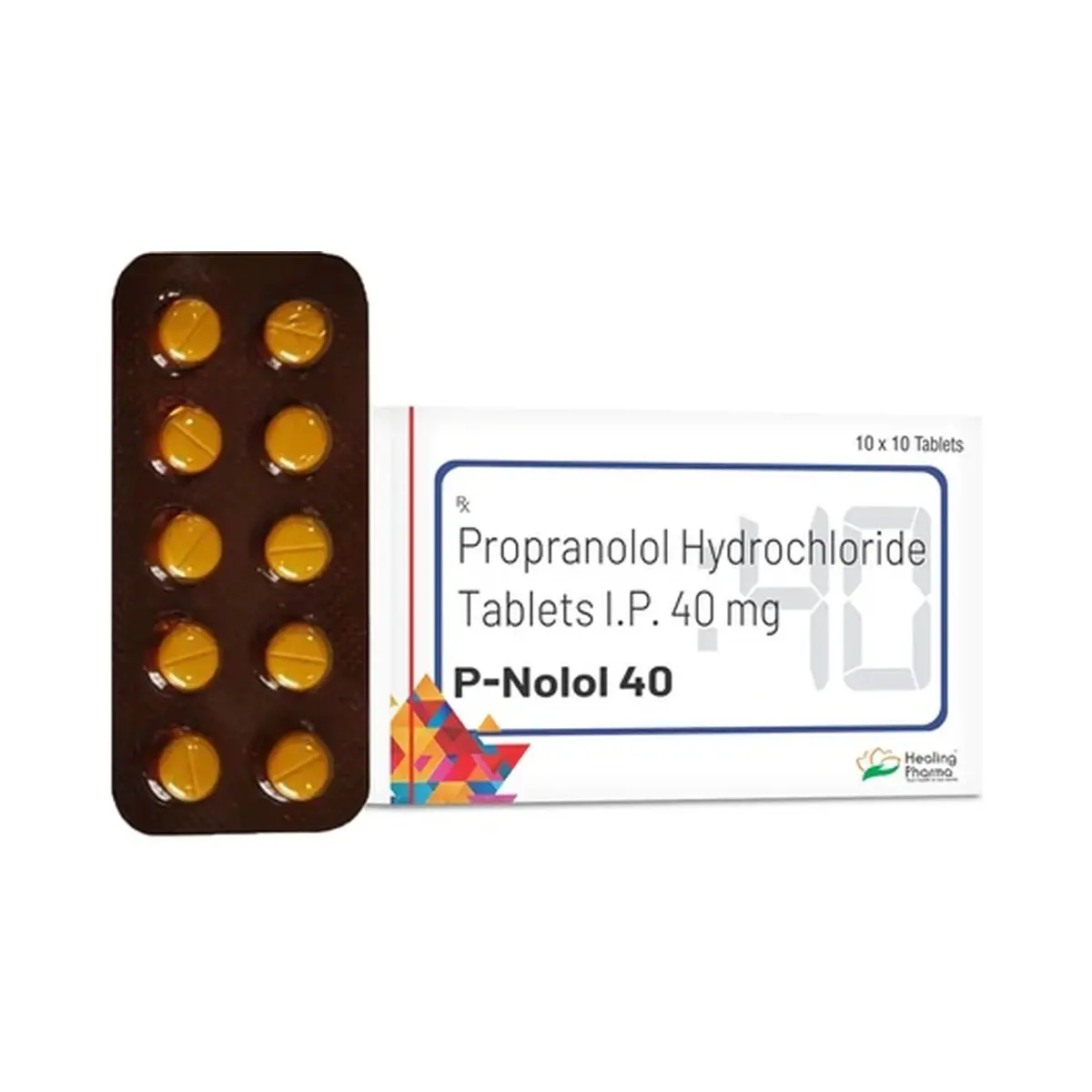
P-nolol (Propranolol) 40 mg
P-nolol 40 mg is a propranolol product. Propranolol is a non-selective beta-adrenergic blocker used in several established clinical settings, especially cardiovascular care and some non-cardiac conditions.
Active Ingredient and Medicine Class
The verified active ingredient is propranolol hydrochloride. It belongs to the beta-blocker class and blocks both beta-1 and beta-2 adrenergic receptors.
Established Medical Uses
Official prescribing information for propranolol tablets includes use in hypertension, angina pectoris, and cardiac arrhythmias. Other labeled uses include migraine prophylaxis, essential tremor, and as an adjunct in pheochromocytoma after alpha-blockade. Some regulatory labeling also describes use in certain hypertrophic subaortic stenosis cases.
How It Works
Propranolol reduces the effects of adrenaline and related stress hormones on the heart and blood vessels. This lowers heart rate and the force of contraction, which can reduce the heart’s oxygen demand and help control some rhythm disturbances. Because it is non-selective, it also acts on beta-2 receptors in the lungs and other tissues.
Important Safety Information
Propranolol is contraindicated in patients with bronchial asthma, sinus bradycardia, more than first-degree heart block, cardiogenic shock, and known hypersensitivity to propranolol. Prescribing information warns that abrupt discontinuation may worsen angina or precipitate cardiac events. Caution is also warranted with other medicines that slow atrioventricular conduction or have additive beta-blocking effects, including some antiarrhythmics, calcium channel blockers, digoxin, and lidocaine. Because propranolol is metabolised through hepatic pathways including CYP enzymes, clinically relevant interactions may occur with drugs affecting these pathways.
Possible Side Effects
Reported adverse effects include bradycardia, hypotension, fatigue, dizziness, depression, sleep disturbance, cold extremities, nausea, vomiting, diarrhoea, and constipation. More serious reactions can include worsening heart failure, conduction block, bronchospasm, and hypersensitivity reactions, including anaphylactic or anaphylactoid reactions. Central nervous system effects such as vivid dreams or confusion have also been reported.
Scientific Evidence
Peer-reviewed reviews describe propranolol as a long-established non-selective beta-blocker with broad cardiovascular use and additional indications such as migraine prophylaxis and essential tremor. The literature supports its core mechanism of adrenergic blockade and notes that its lipophilicity contributes to central nervous system penetration, which may relate to both some therapeutic effects and adverse effects. Reviews also continue to discuss its pharmacokinetics, interactions, and safety profile.
Medical Information Notice
This educational summary is based on sources available at the time of review and does not replace the official patient leaflet or assessment by a qualified healthcare professional.
Medical Sources
- DailyMed / FDA label: Propranolol Hydrochloride Tablets, USP (40 mg) — View source
- DailyMed / FDA label: Propranolol Hydrochloride Tablets, USP — View source
- Podrid PJ, et al. Propranolol. PubMed / review article — PubMed article