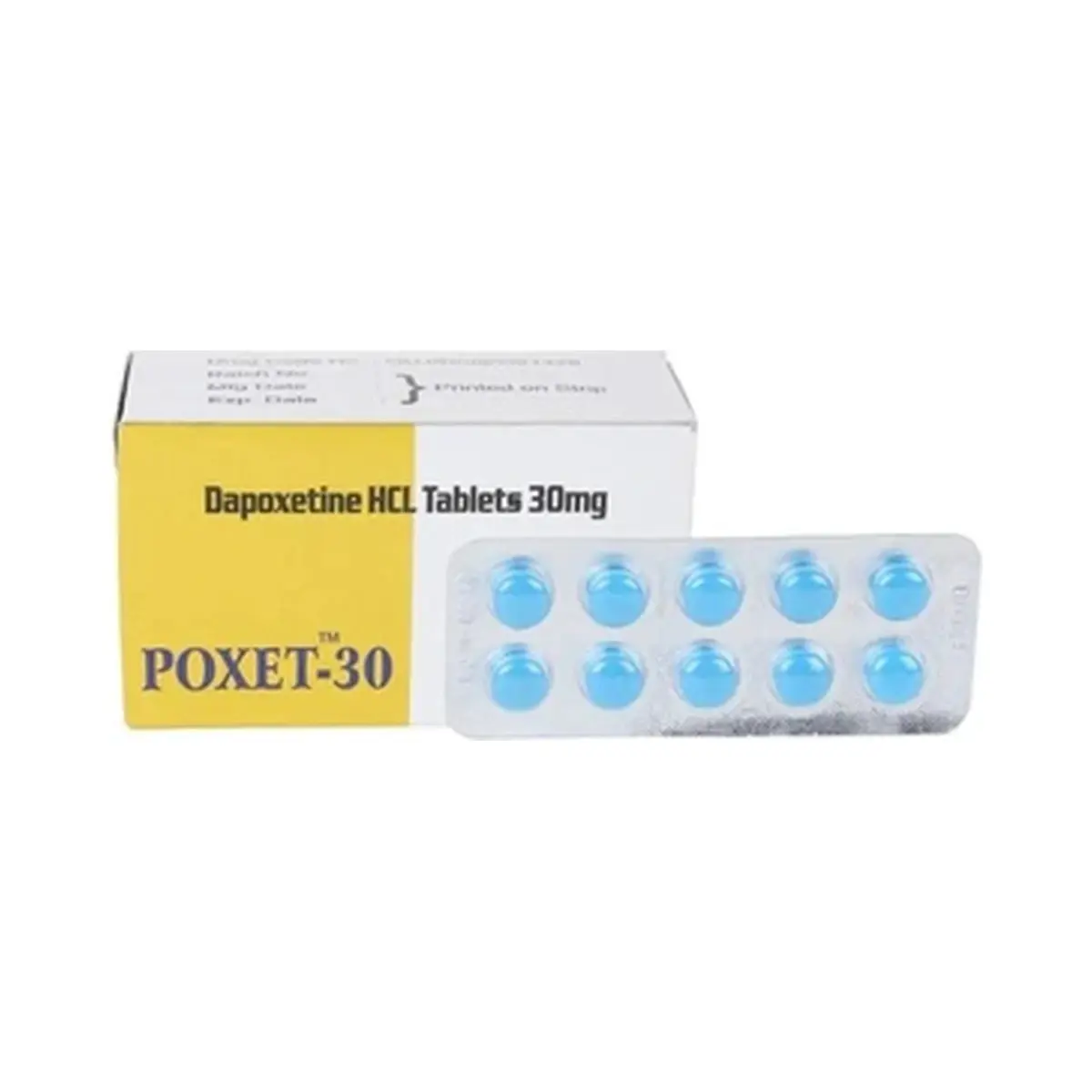
Description
Poxet (Dapoxetine) 30 mg
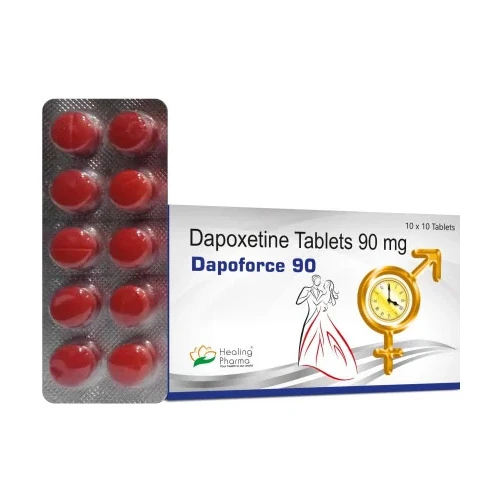
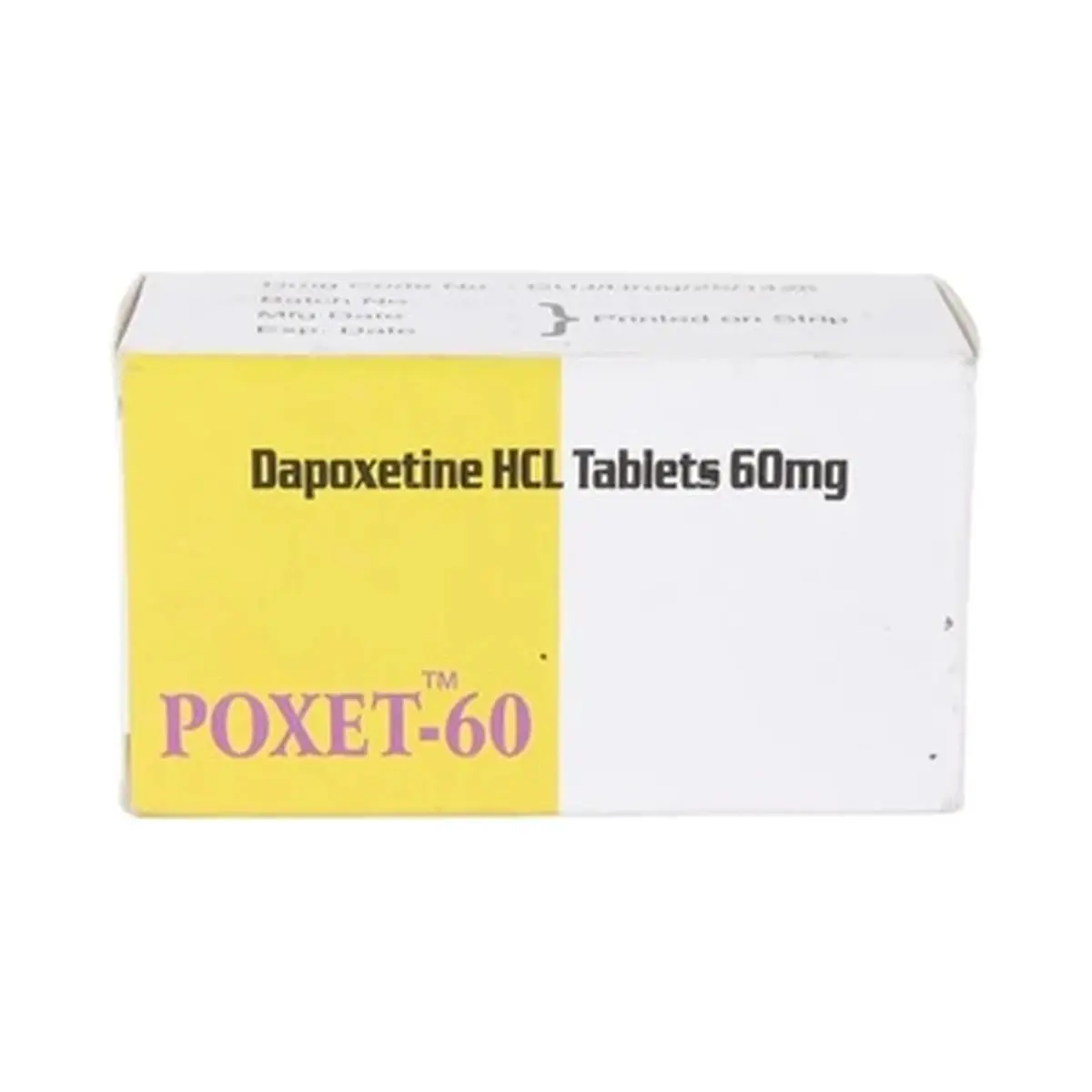
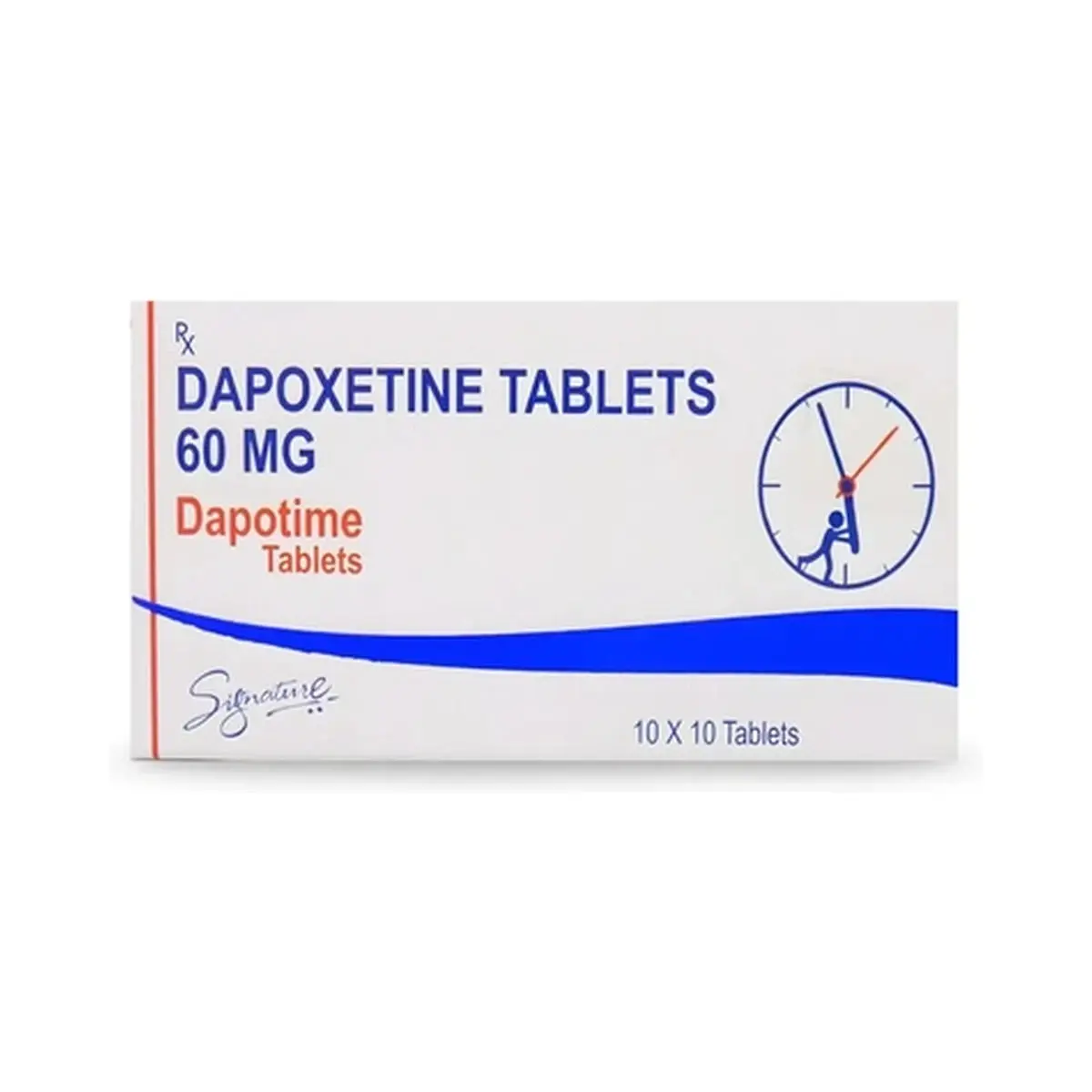
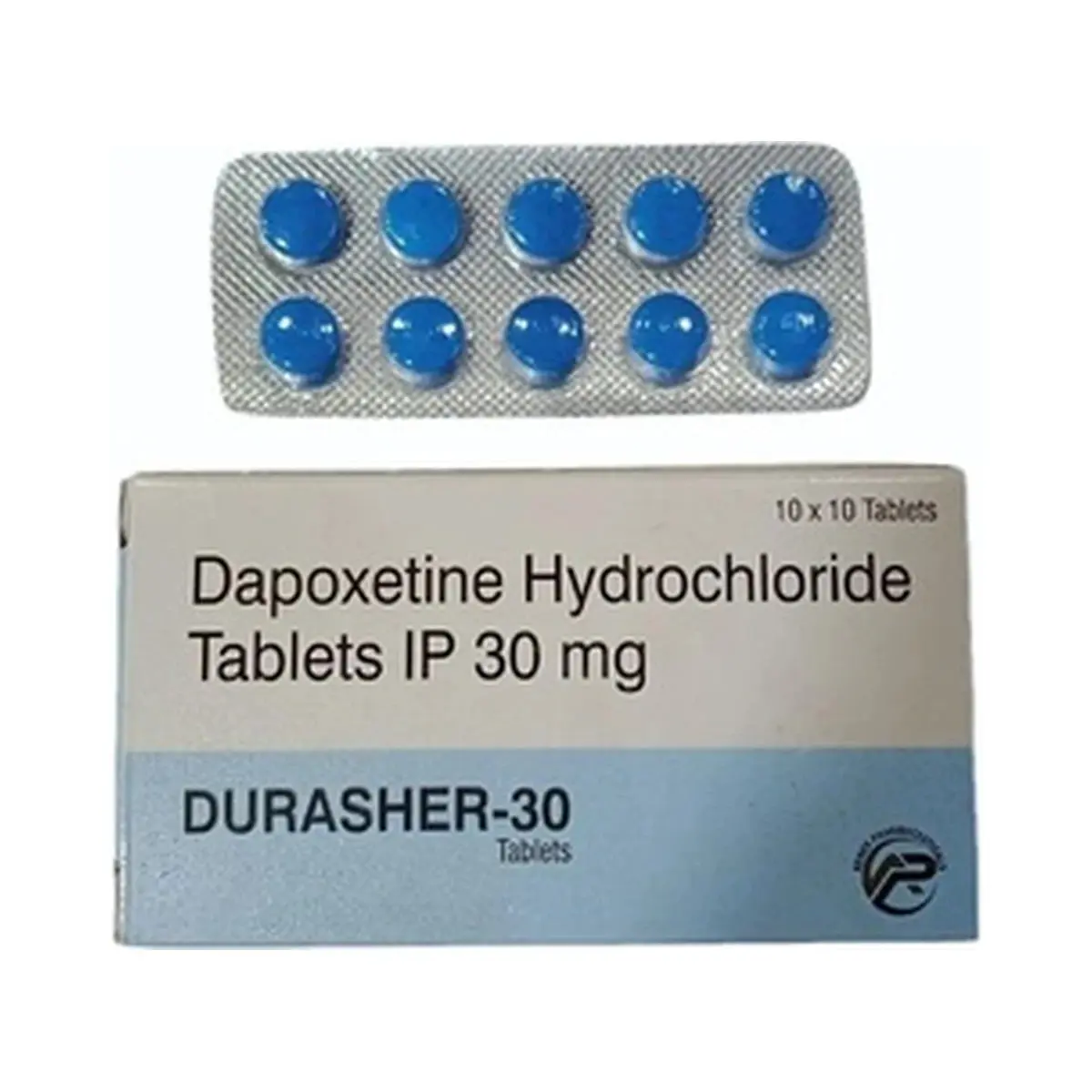
Poxet 30 mg is presented as a dapoxetine-containing medicine. Dapoxetine is a short-acting selective serotonin reuptake inhibitor used for the management of premature ejaculation in adult men in markets where it is authorised. It is intended as a symptom-focused treatment rather than a cure for the underlying condition.
Active Ingredient and Medicine Class
The verified active ingredient is dapoxetine, usually as dapoxetine hydrochloride. It belongs to the selective serotonin reuptake inhibitor (SSRI) class, but unlike antidepressant SSRIs it has a rapid absorption profile and a short half-life, which supports its on-demand use for premature ejaculation.
Established Medical Uses
Established prescribing information supports dapoxetine for premature ejaculation in adult men. The condition is generally characterised by ejaculation that occurs sooner than desired, with limited control and associated distress or interpersonal difficulty. Dapoxetine is not established as a treatment for erectile dysfunction, libido disorders, or other sexual dysfunctions unless another condition is specifically diagnosed.
How It Works
Dapoxetine works by inhibiting serotonin reuptake in the nervous system. Increased serotonin signalling can delay the ejaculatory reflex, helping improve control over ejaculation and increasing intravaginal ejaculatory latency time in some men. Its short-acting pharmacology distinguishes it from standard antidepressant SSRIs.
Important Safety Information
Dapoxetine has clinically important contraindications and interaction risks typical of serotonergic medicines. It should not be combined with monoamine oxidase inhibitors and should generally not be used with other serotonergic medicines because of the risk of serotonin syndrome. Important caution is also needed with drugs that can increase dizziness, fainting, or blood pressure effects, and with medicines that strongly affect CYP3A4 metabolism. Prescribing information also restricts use in certain patients with relevant cardiovascular risk, significant liver problems, or a history of syncope. Alcohol may worsen adverse effects such as dizziness and impaired alertness.
Possible Side Effects
Common adverse effects reported with dapoxetine include nausea, dizziness, headache, diarrhoea, somnolence, and insomnia. Some users may experience flushing, abdominal discomfort, or fatigue. More serious reactions can include fainting, serotonin syndrome, mood changes, palpitations, or significant blood pressure-related symptoms. Medical assessment is important if unusual, severe, or persistent reactions occur.
Scientific Evidence
Clinical trial and meta-analysis evidence shows that dapoxetine can improve ejaculatory latency and patient-reported control compared with placebo in men with premature ejaculation. The benefit is modest but clinically meaningful for some patients, and the main limitation across studies is the frequency of treatment-emergent adverse effects, especially nausea and dizziness. The evidence base supports short-acting, on-demand use rather than continuous daily treatment.
Medical Information Notice
This page is an educational summary based on sources available at the time of review. It does not replace the official patient leaflet, the full prescribing information, or an individual assessment by a qualified healthcare professional.
Medical Sources
- European Medicines Agency. Priligy (dapoxetine) referral and product information. View official product information
- electronic Medicines Compendium. Priligy 30 mg film-coated tablets, Patient Information Leaflet. View official patient leaflet
- Andrea Salonia et al. Efficacy and safety of dapoxetine in treatment of premature ejaculation: an evidence-based review. International Journal of Clinical Practice, 2016. View scientific article
- Jin-Ming Zhang et al. Dapoxetine for premature ejaculation: an updated meta-analysis of randomized controlled trials. Clinical Therapeutics, 2014. View scientific article