Description
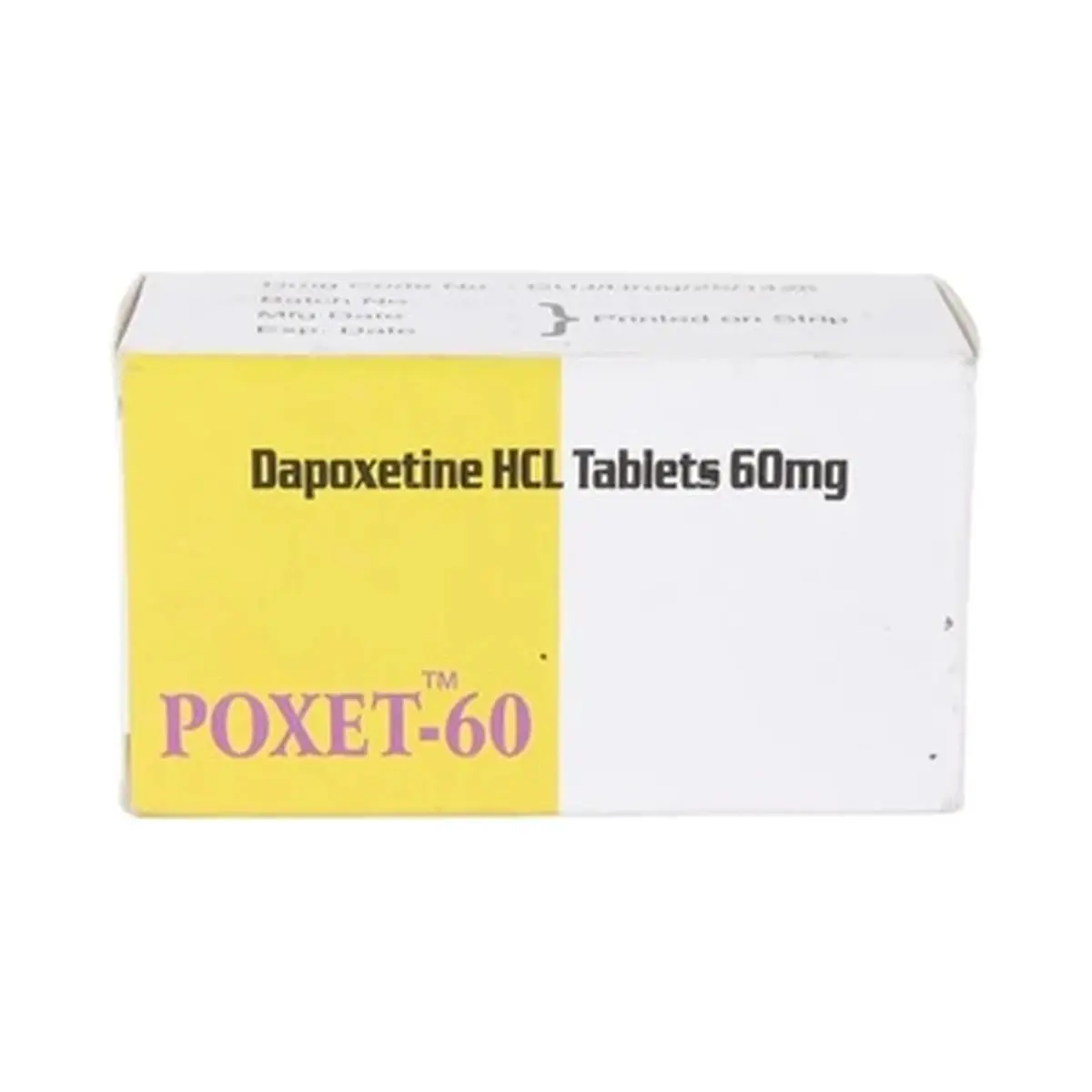
Poxet (Dapoxetine) 60 mg
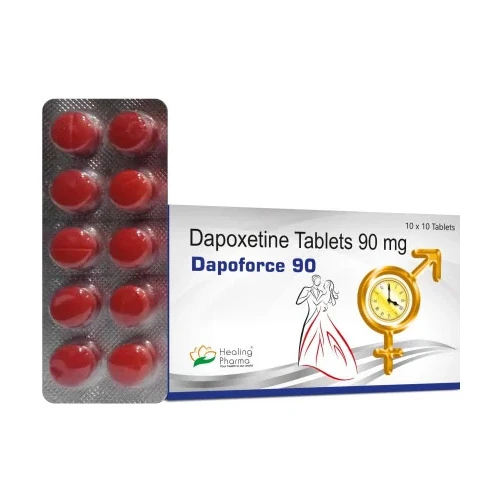
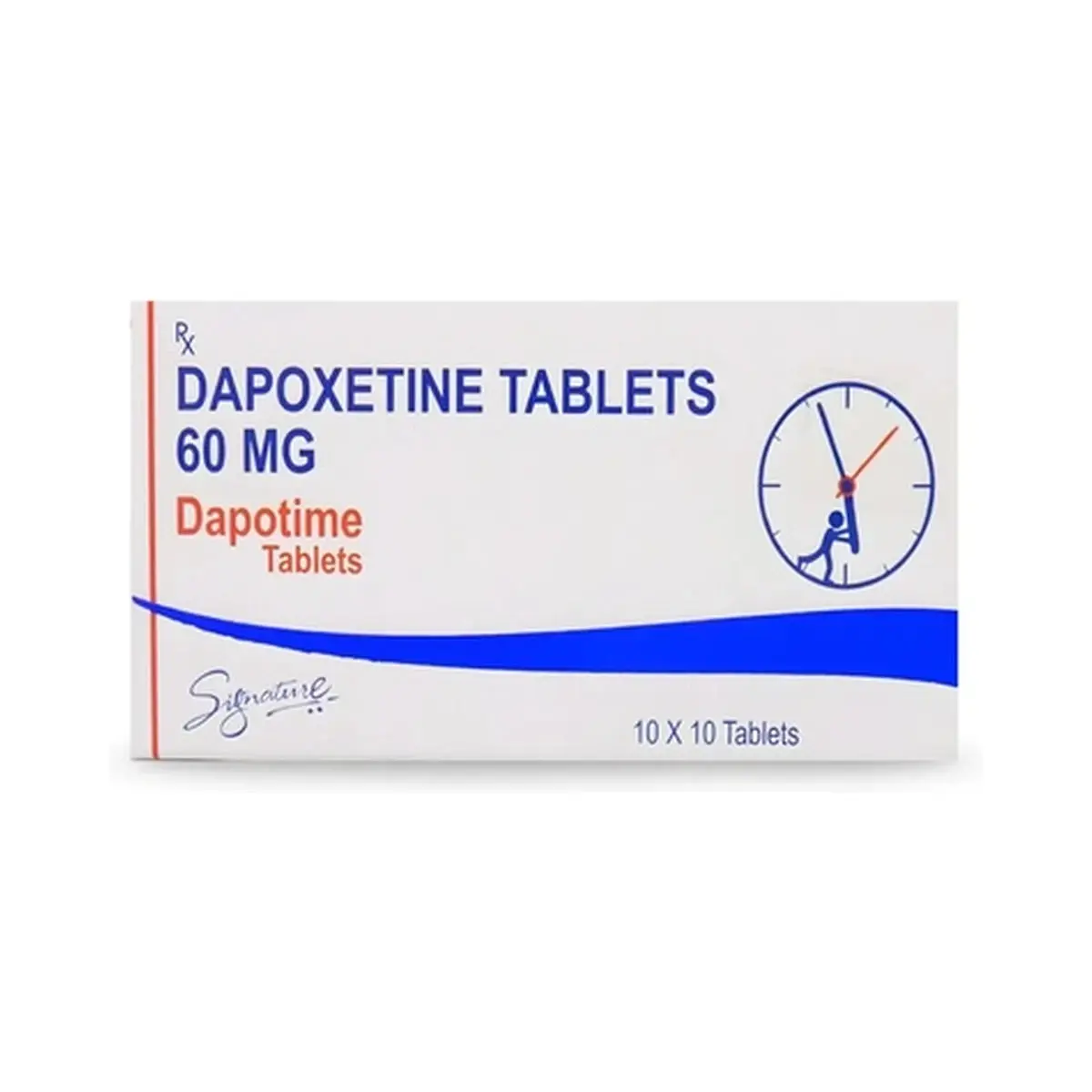
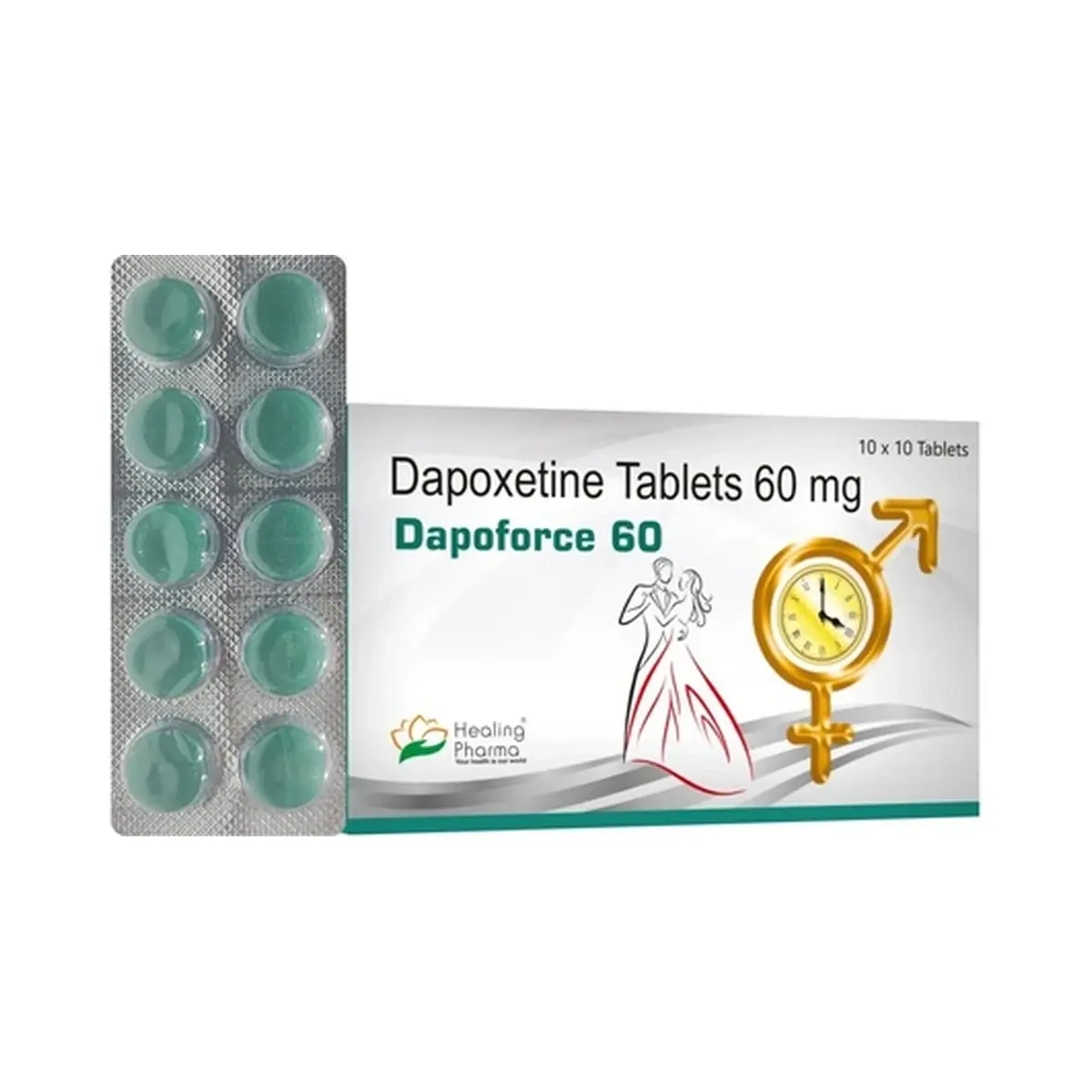
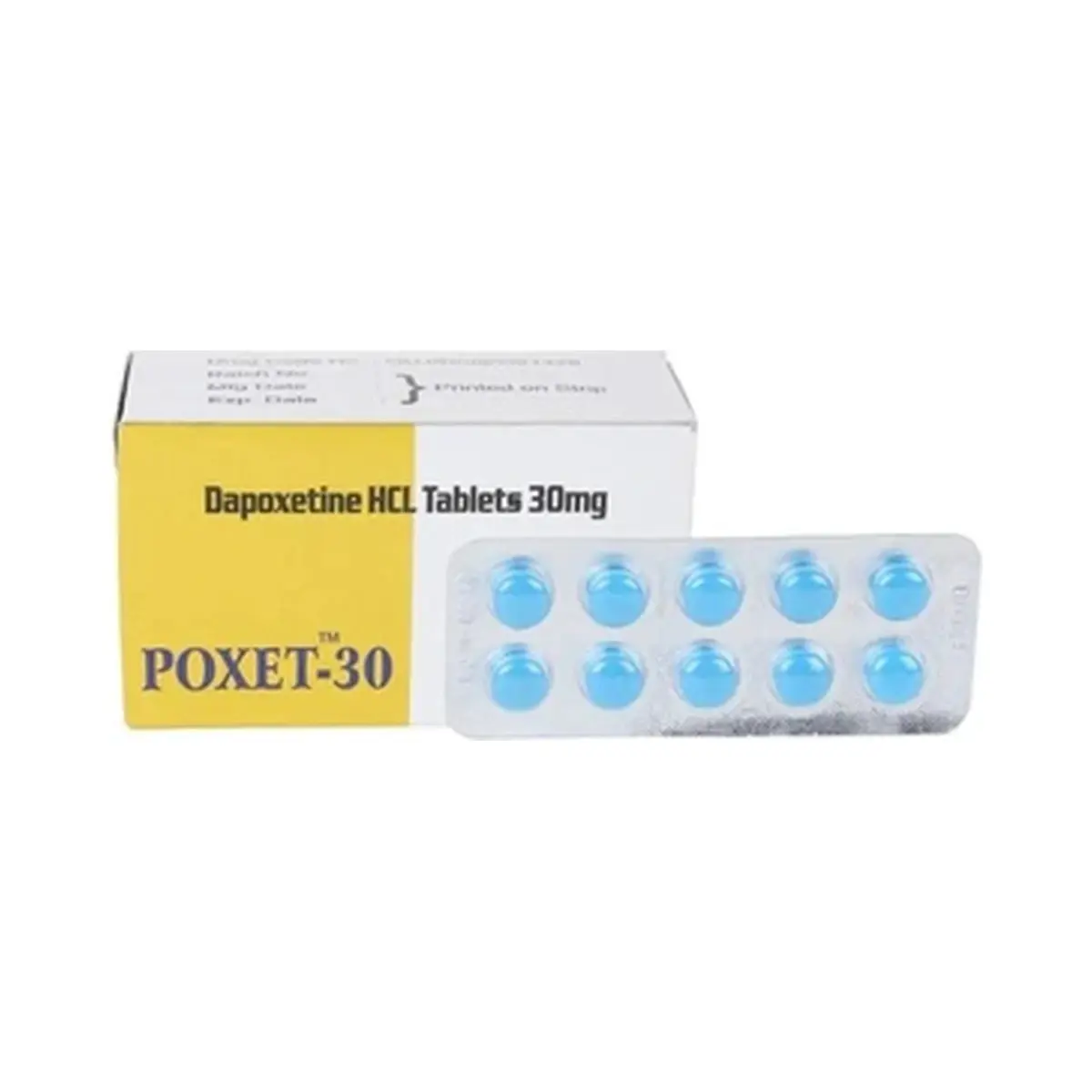
Poxet (dapoxetine) 60 mg is an oral tablet identified in the supplied product name as a dapoxetine-containing medicine. Dapoxetine is a short-acting selective serotonin reuptake inhibitor used for premature ejaculation in adult men. Product information for the reference dapoxetine brand describes it as a medicine for men aged 18 to 64 years.
Active Ingredient and Medicine Class
The verified active ingredient is dapoxetine, usually described as dapoxetine hydrochloride in official product information. It belongs to the selective serotonin reuptake inhibitor (SSRI) class. Unlike SSRIs used for depression, dapoxetine was developed for sexual medicine and is characterised by rapid absorption and a relatively short duration of action.
Established Medical Uses
The established indication for dapoxetine tablets is the treatment of premature ejaculation in adult men. Official European product information states this use for men aged 18 to 64 years. It is not an approved treatment for other sexual concerns, and it should not be presented as a general enhancer of sexual performance.
How It Works
Dapoxetine increases serotonin signalling by inhibiting serotonin reuptake. Serotonin is involved in the neural control of ejaculation, and greater serotonin activity is believed to delay ejaculation and improve perceived control. Its rapid absorption and short initial half-life are the main reasons it is used as a short-acting oral option rather than a long-term daily SSRI.
Important Safety Information
Official product information lists several important contraindications and precautions. Dapoxetine should not be used in people with significant heart rhythm problems, a history of fainting, moderate or severe liver impairment, or certain psychiatric conditions such as mania or severe depression. It must also be avoided with monoamine oxidase inhibitors and other medicines that can interact dangerously with serotonin pathways.
Clinically important interactions may occur with serotonergic medicines, some antidepressants, and drugs that strongly affect CYP3A4 or CYP2D6 metabolism. Caution is also warranted when it is used alongside medicines that may lower blood pressure or increase the risk of dizziness or syncope. The reference product information also warns about cardiovascular effects and the possibility of fainting.
Possible Side Effects
Common adverse effects reported with dapoxetine include nausea, dizziness, headache, diarrhoea, insomnia, somnolence, and fatigue. Other recognised effects include sweating, flushing, abnormal taste, and low or high blood pressure. More serious reactions can include syncope, severe mood changes, serotonin syndrome, and rhythm-related problems, although these are less common.
Scientific Evidence
Human clinical evidence consistently shows that dapoxetine improves intravaginal ejaculatory latency time compared with placebo and can improve patient-reported control and sexual satisfaction. Meta-analyses and evidence reviews have found benefit with both 30 mg and 60 mg strengths, with the higher strength often showing somewhat greater efficacy but also more adverse effects. The published literature supports dapoxetine as a short-acting, on-demand oral treatment option for premature ejaculation, while also highlighting the need to balance benefit against tolerability and safety.
Medical Information Notice
This page is an educational summary based on sources available at the time of review. It does not replace the official patient leaflet, the full prescribing information, or individual assessment by a qualified healthcare professional.
Medical Sources
- European Medicines Agency (EMA). Priligy referral overview for dapoxetine tablets, including indication and mechanism summary. View official medicine information
- electronic Medicines Compendium (emc). Priligy 60 mg film-coated tablets, Package Leaflet. View patient leaflet
- A Russo et al. Efficacy and safety of dapoxetine in treatment of premature ejaculation: an evidence-based review. International Journal of Clinical Practice, 2016. View scientific article
- Fabio Castiglione et al. Current Pharmacological Management of Premature Ejaculation: A Systematic Review and Meta-analysis. European Urology, 2016. View scientific article