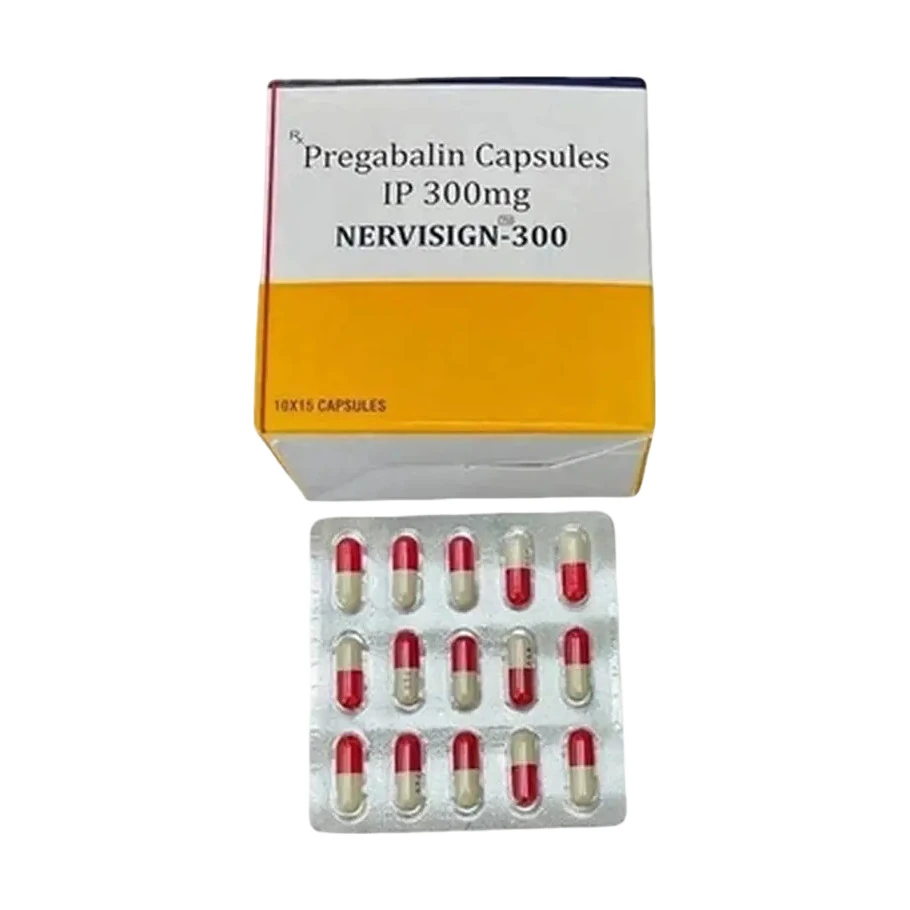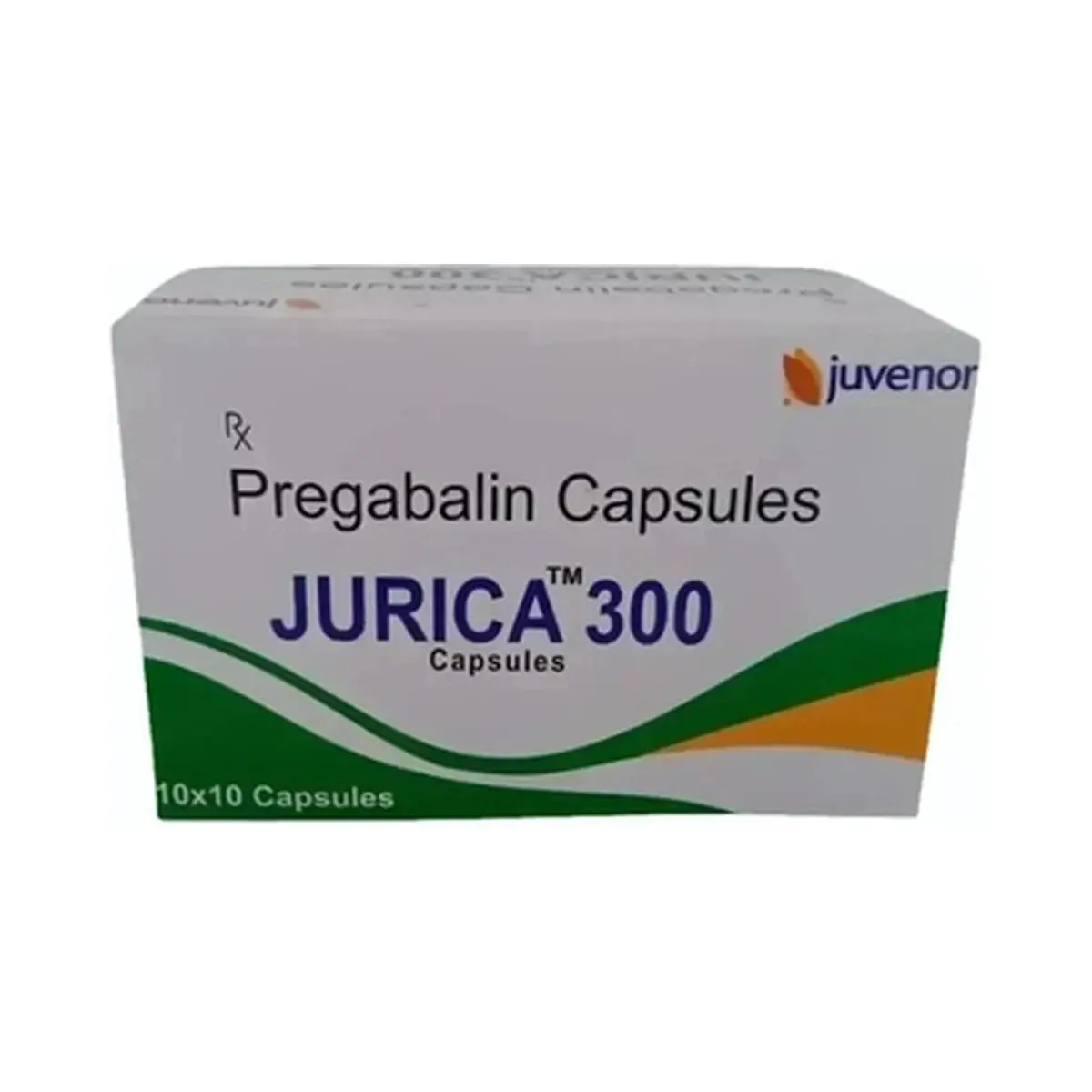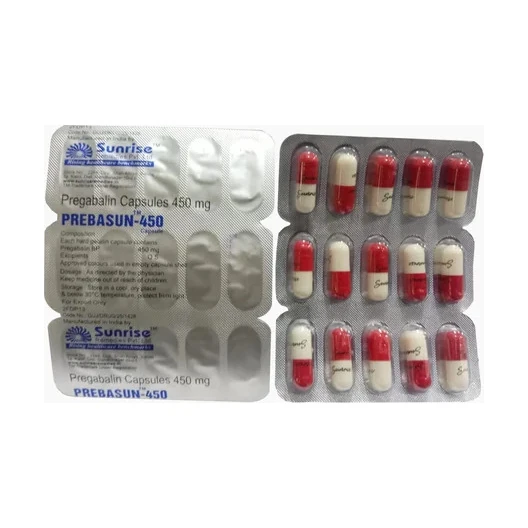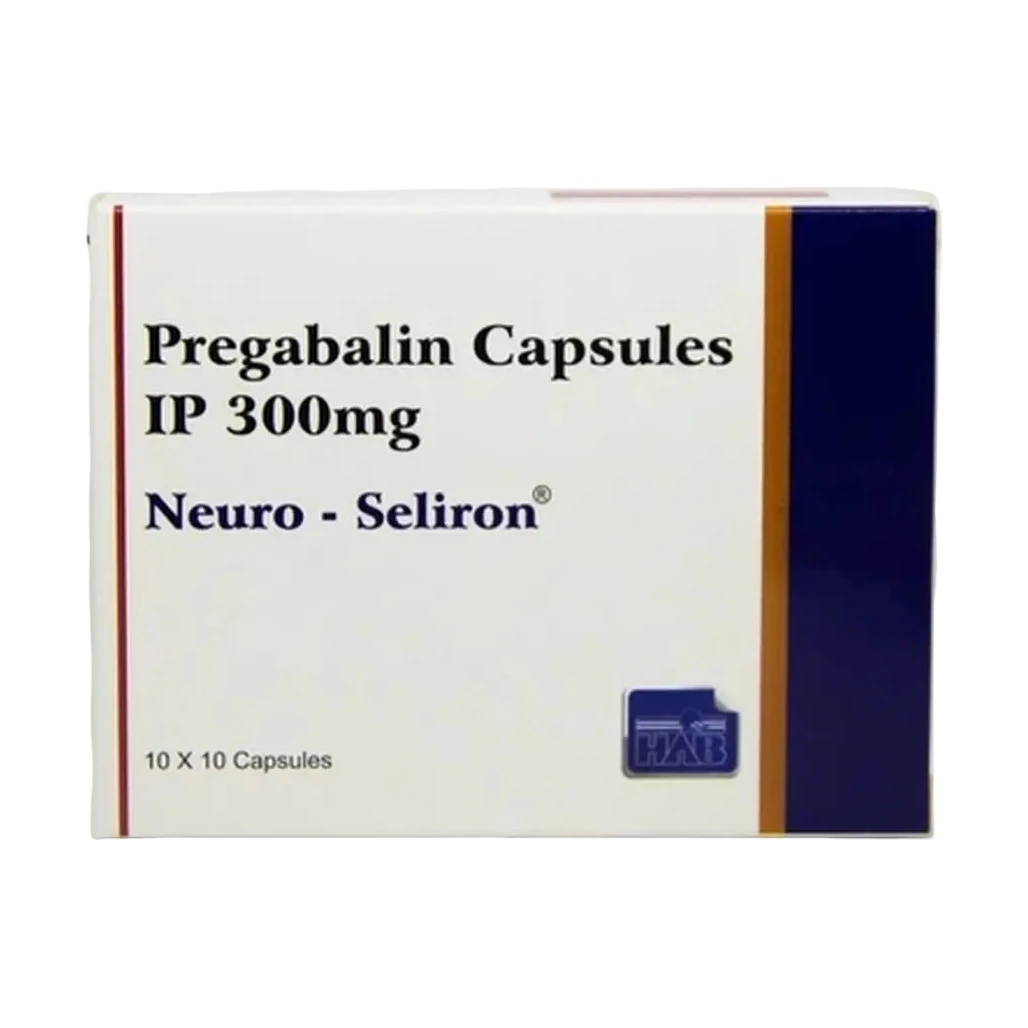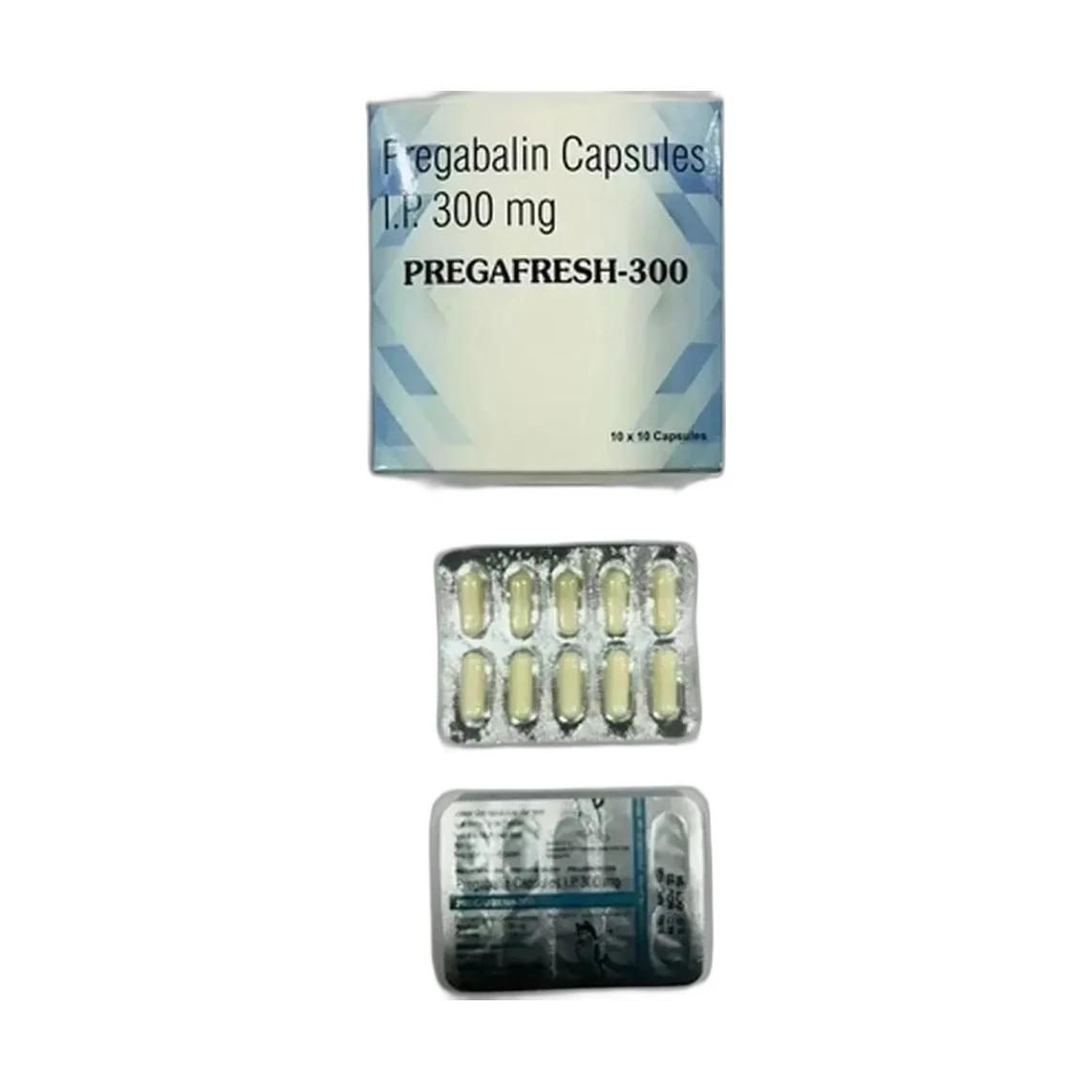
Description
Pregafresh (Pregabalin) 300 mg
Pregafresh 300 mg is a pregabalin capsule product. Pregabalin is a prescription medicine used in the treatment of certain seizure disorders and several types of neuropathic pain. The 300 mg strength identifies the amount of active ingredient in each capsule.
Active Ingredient and Medicine Class
The verified active ingredient is pregabalin. It is an anticonvulsant and neuropathic pain agent, and is also described as a gabapentinoid. Official prescribing information identifies pregabalin capsules in multiple strengths, including 300 mg.
Established Medical Uses
Regulatory labeling for pregabalin includes treatment of partial-onset seizures as adjunctive therapy in adults, neuropathic pain associated with diabetic peripheral neuropathy, postherpetic neuralgia, pain associated with spinal cord injury, and fibromyalgia. Some official labels also include other region-specific indications.
How It Works
Pregabalin binds with high affinity to the alpha-2-delta subunit of voltage-gated calcium channels in the central nervous system. This reduces release of certain excitatory neurotransmitters and helps explain its anticonvulsant and pain-modulating effects.
Important Safety Information
Pregabalin is contraindicated in people with known hypersensitivity to pregabalin or any component of the product. Important warnings in official labeling include angioedema, hypersensitivity reactions, dizziness and somnolence, and the need for dose adjustment in reduced renal function. Clinically significant interactions may occur with other central nervous system depressants because of additive sedation and impairment.
Possible Side Effects
Common adverse effects reported with pregabalin include dizziness, somnolence, dry mouth, blurred vision, peripheral oedema, weight gain, and difficulty with coordination. Serious reactions can include angioedema, allergic reactions, and withdrawal-related problems if treatment is stopped abruptly.
Scientific Evidence
Clinical reviews and meta-analyses in PubMed report that pregabalin can reduce pain in several neuropathic pain conditions, with benefits balanced against dose-related adverse effects such as dizziness and somnolence. Evidence also supports use as add-on therapy for partial-onset seizures.
Medical Information Notice
This summary is an educational overview based on sources available at the time of review and does not replace the official patient leaflet, prescribing information, or assessment by a qualified healthcare professional.
Medical Sources
- DailyMed / U.S. National Library of Medicine: PREGABALIN capsules, prescribing information
- FDA: LYRICA (pregabalin) Capsules, CV / Oral Solution, CV — Highlights of Prescribing Information
- Ben-Menachem E, et al. Pregabalin for neuropathic pain in adults — Cochrane Database of Systematic Reviews, 2019