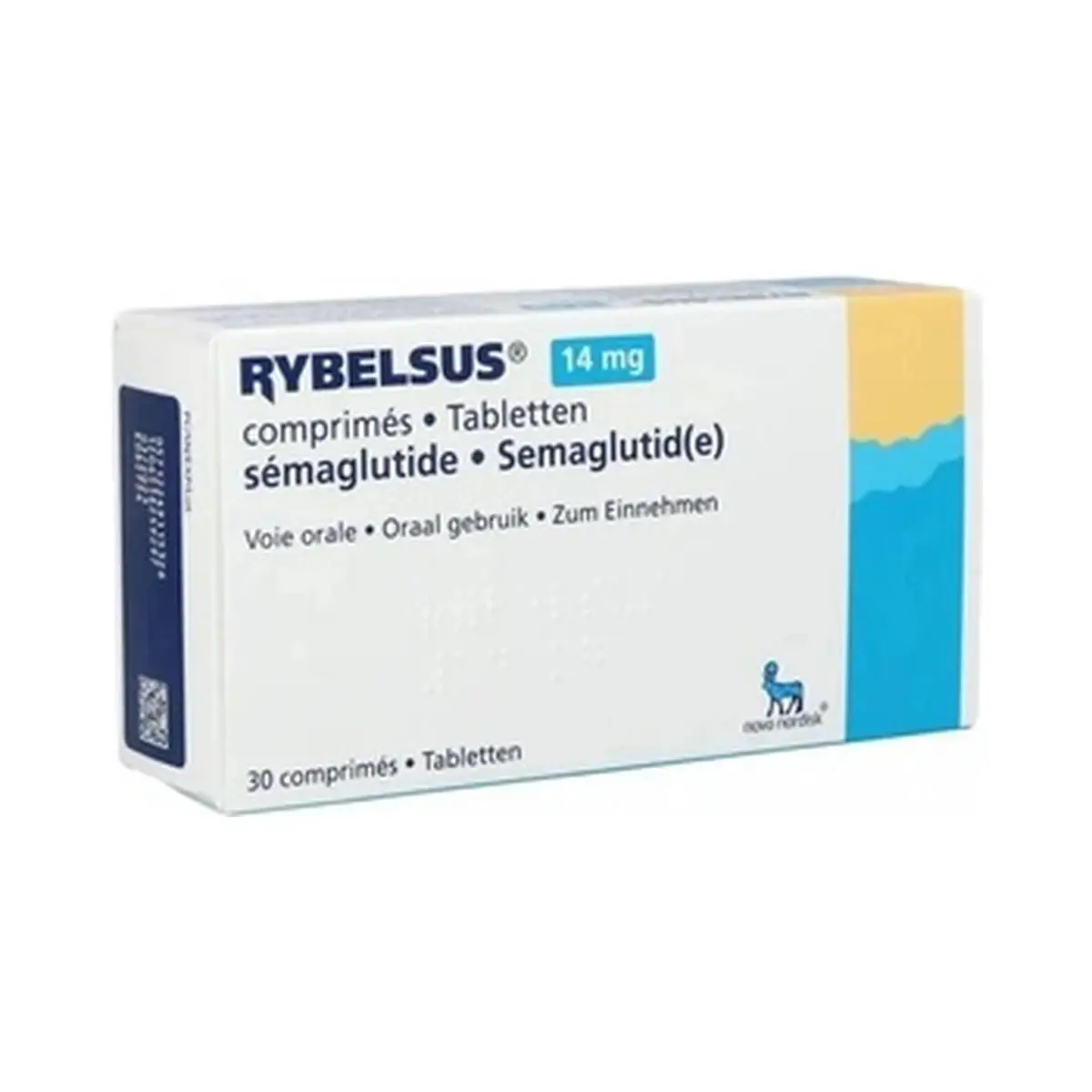
Description
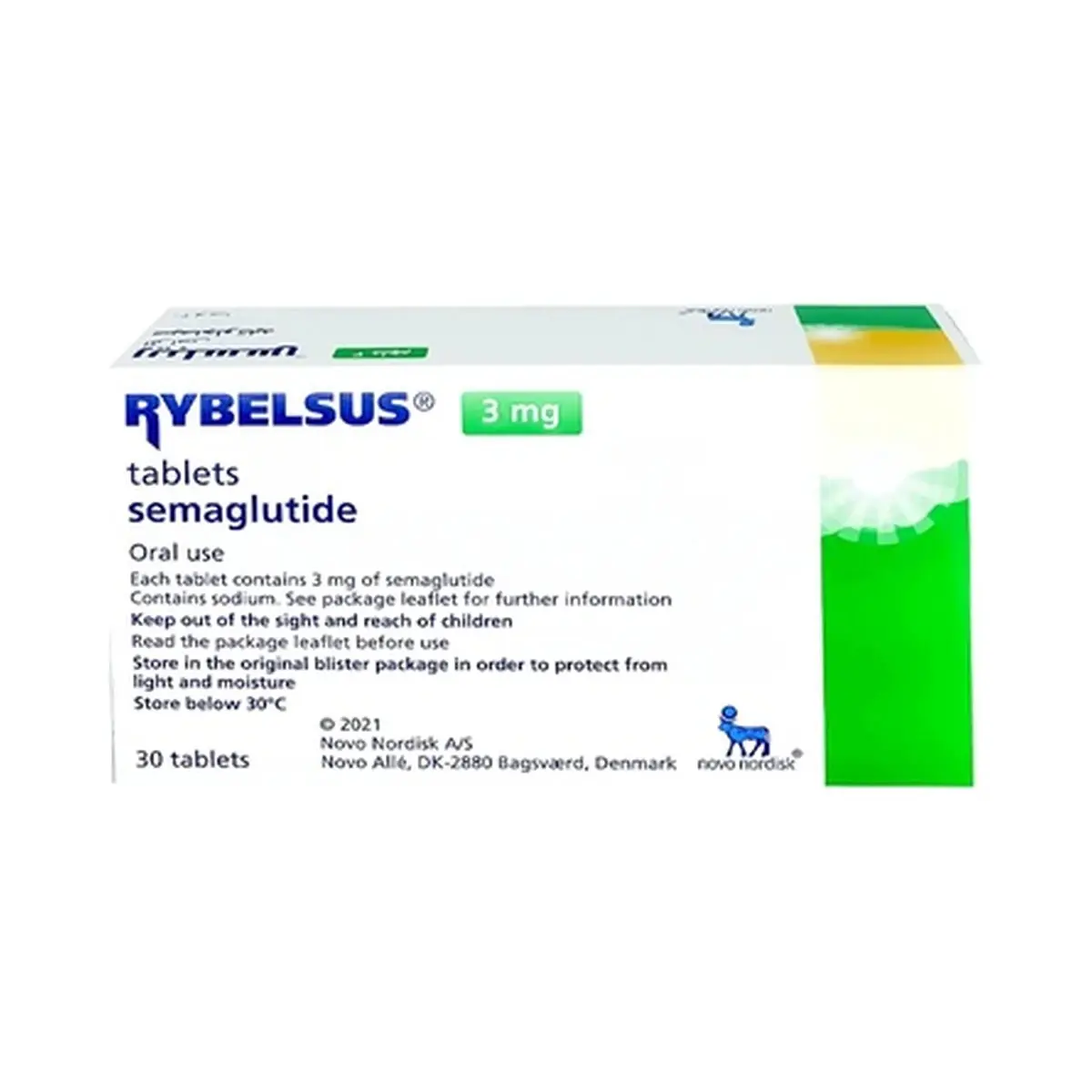
Rybelsus (semaglutide) 14 mg
Rybelsus is an oral prescription medicine containing semaglutide. It is a glucagon-like peptide-1 (GLP-1) receptor agonist used in adults with type 2 diabetes to help improve glycaemic control. The 14 mg strength is one of the available maintenance strengths identified in prescribing information.
Active Ingredient and Medicine Class
The active ingredient is semaglutide. It belongs to the GLP-1 receptor agonist class, a group of medicines that act on incretin pathways involved in glucose regulation. Oral semaglutide is the first orally available GLP-1 receptor agonist described in the medical literature and regulatory labeling.
Established Medical Uses
Rybelsus is indicated to improve glycaemic control in adults with type 2 diabetes. Regulatory labeling also notes that it is not approved for type 1 diabetes and is not a substitute for insulin in patients who need insulin treatment.
How It Works
Semaglutide mimics the action of endogenous GLP-1. In general terms, this class helps lower blood glucose by enhancing glucose-dependent insulin secretion, reducing inappropriate glucagon release, and slowing gastric emptying. These effects contribute to improved postprandial glucose control.
Important Safety Information
Rybelsus carries a boxed warning about thyroid C-cell tumors seen in rodents. It is contraindicated in patients with a personal or family history of medullary thyroid carcinoma or in patients with multiple endocrine neoplasia syndrome type 2. Important precautions include risk of gastrointestinal adverse effects, dehydration-related kidney injury, and possible worsening of diabetic retinopathy in susceptible patients. Prescribing information also warns that delayed gastric emptying may affect absorption of other oral medicines, especially drugs with a narrow therapeutic index.
Possible Side Effects
Common adverse reactions include nausea, abdominal pain, diarrhoea, decreased appetite, vomiting, and constipation. More serious reactions reported with the class and in labeling include pancreatitis, gallbladder problems, severe gastrointestinal intolerance, hypersensitivity reactions, and hypoglycaemia when used with insulin or an insulin secretagogue.
Scientific Evidence
Clinical trials and reviews show that oral semaglutide 14 mg improves HbA1c and can reduce body weight in adults with type 2 diabetes compared with placebo and, in some studies, with other oral glucose-lowering therapies. A review in J Diabetes Complications concluded that oral semaglutide is an important non-injectable GLP-1 receptor agonist option for type 2 diabetes, while noting that safety and long-term outcomes remain important considerations.
Medical Information Notice
This page is an educational summary based on sources available at the time of review and does not replace the official patient leaflet, prescribing information, or assessment by a qualified healthcare professional.
Medical Sources
- FDA — RYBELSUS (semaglutide) tablets, for oral use: Full Prescribing Information
- DailyMed / NLM — RYBELSUS (semaglutide) tablets, for oral use: Label
- Anderson SL et al. “Oral semaglutide in type 2 diabetes.” J Diabetes Complications. 2020. PubMed