Description
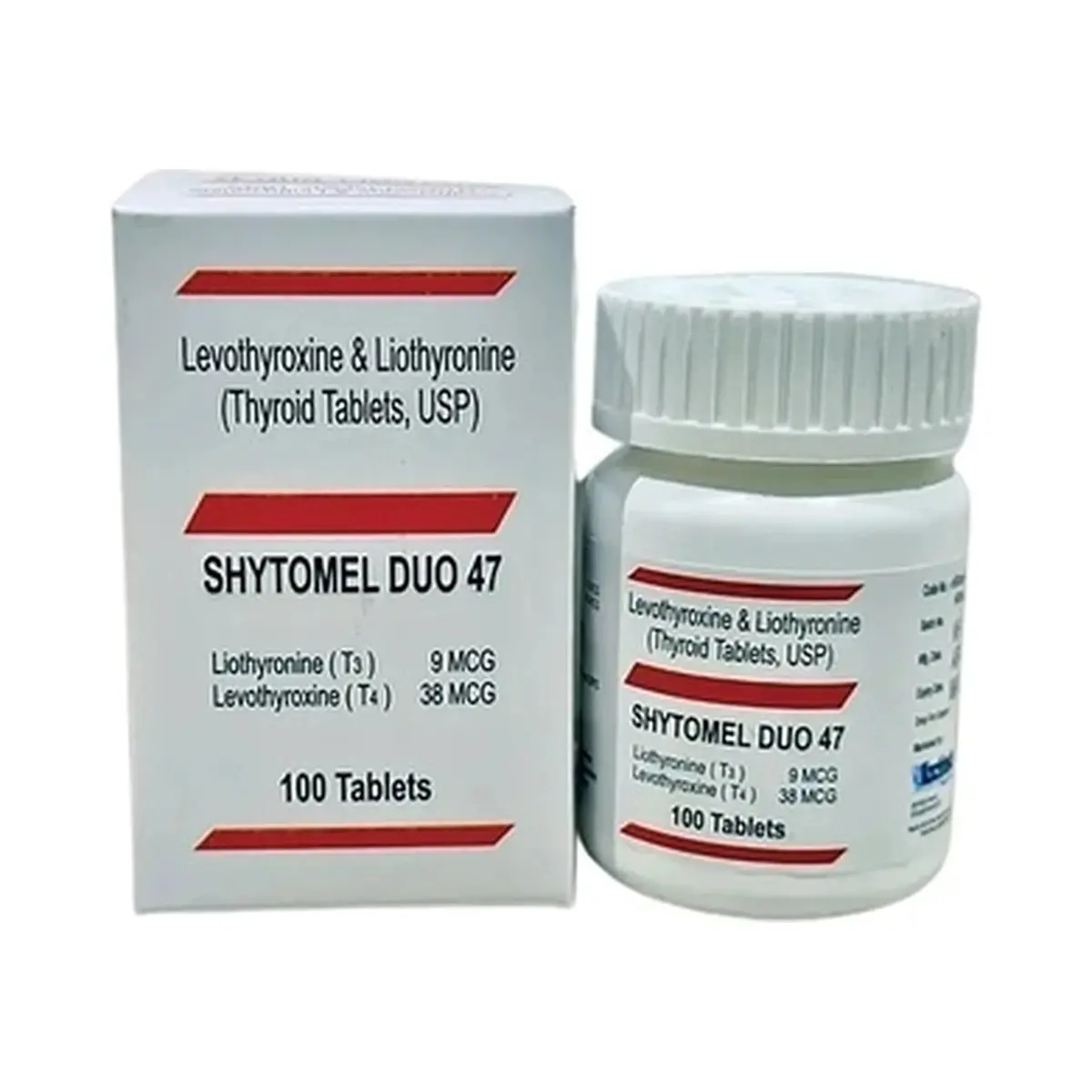
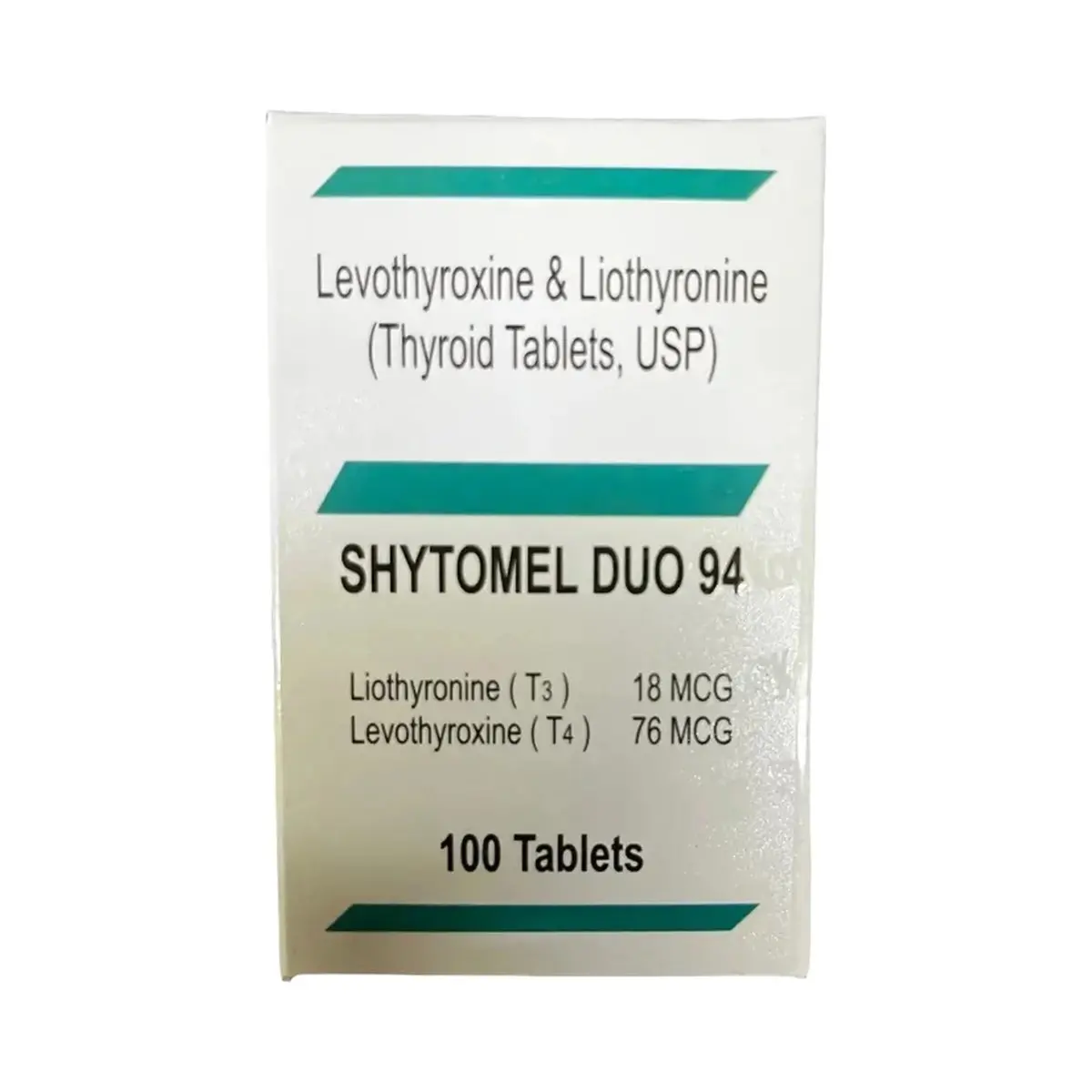
Shytomel duo
Shytomel duo is a thyroid hormone replacement medicine identified here as a combination of levothyroxine and liothyronine. These are synthetic forms of the thyroid hormones thyroxine (T4) and triiodothyronine (T3), used in replacement therapy when the body does not produce enough thyroid hormone.
Active Ingredient and Medicine Class
The verified active ingredients are levothyroxine and liothyronine. Together, they belong to the class of thyroid hormone preparations. Levothyroxine is the standard long-acting thyroid hormone used in replacement therapy, while liothyronine is the more rapidly acting T3 hormone. Combination products of T4 and T3 are recognised as thyroid hormone replacement medicines.
Established Medical Uses
Thyroid hormone replacement is established for hypothyroidism, including cases caused by thyroid failure or other causes of insufficient thyroid hormone production. Regulatory and guideline sources consistently identify levothyroxine as the standard treatment, while combination T4/T3 therapy remains a specialised approach rather than routine first-line replacement.
How It Works
Levothyroxine replaces circulating T4, which the body can convert into the more active hormone T3 in tissues. Liothyronine provides T3 directly. Thyroid hormones act on nuclear thyroid hormone receptors and help regulate metabolism, growth, energy use and many body functions.
Important Safety Information
Important safety issues for thyroid hormone therapy include overtreatment, which can cause symptoms of excess thyroid hormone and may be hazardous in people with heart disease. Liothyronine is contraindicated in established myocardial ischaemia in at least one UK product monograph. Thyroid hormone preparations may interact with medicines and conditions that alter absorption, metabolism or thyroid hormone effects, and the need for careful clinical and laboratory monitoring is well recognised.
Possible Side Effects
Reported adverse effects of thyroid hormone excess can include palpitations, fast heartbeat, nervousness, tremor, sweating, insomnia and other hyperthyroid-like symptoms. More serious effects may include cardiac rhythm problems or worsening of underlying heart disease. Combination therapy has not consistently shown better outcomes than levothyroxine alone, so any use must be weighed against added exposure to T3-related effects.
Scientific Evidence
Peer-reviewed reviews and consensus statements have found that randomised trials have generally not demonstrated clear superiority of levothyroxine/liothyronine combination therapy over levothyroxine alone for most patients with hypothyroidism. Some patients report preference for combination therapy, but the overall evidence remains mixed and the approach is still controversial.
Medical Information Notice
This summary is for educational purposes only and is based on sources available at the time of review. It does not replace the official product leaflet, prescribing information, or assessment by a qualified healthcare professional.
Medical Sources
- DailyMed / FDA: LIOTHYRONINE SODIUM tablets, prescribing information
- FDA Precision / GInAS: LIOTRIX substance record
- Michael T McDermott, “Does combination T4 and T3 therapy make sense?” Endocrine Practice (2012). PubMed article