Description
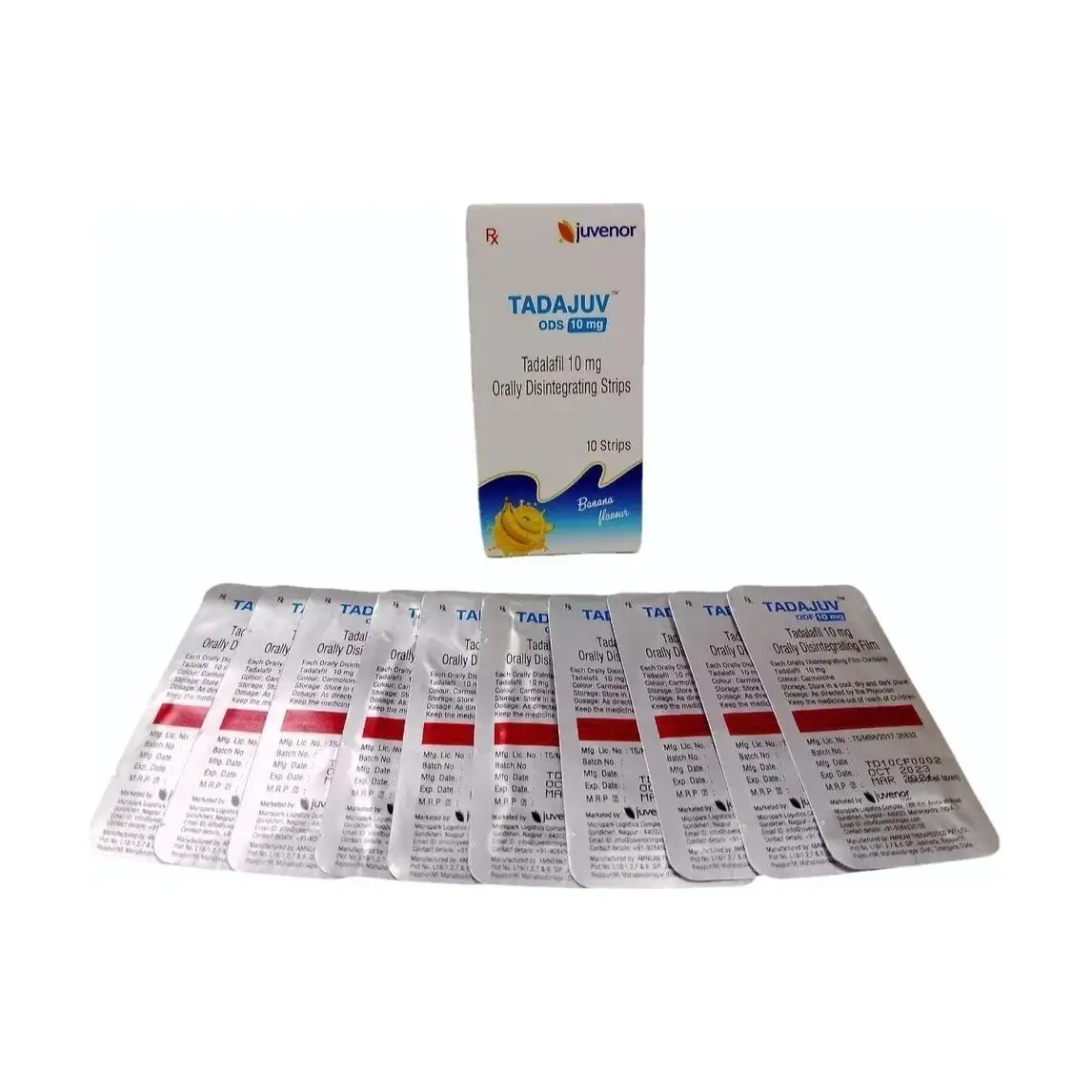
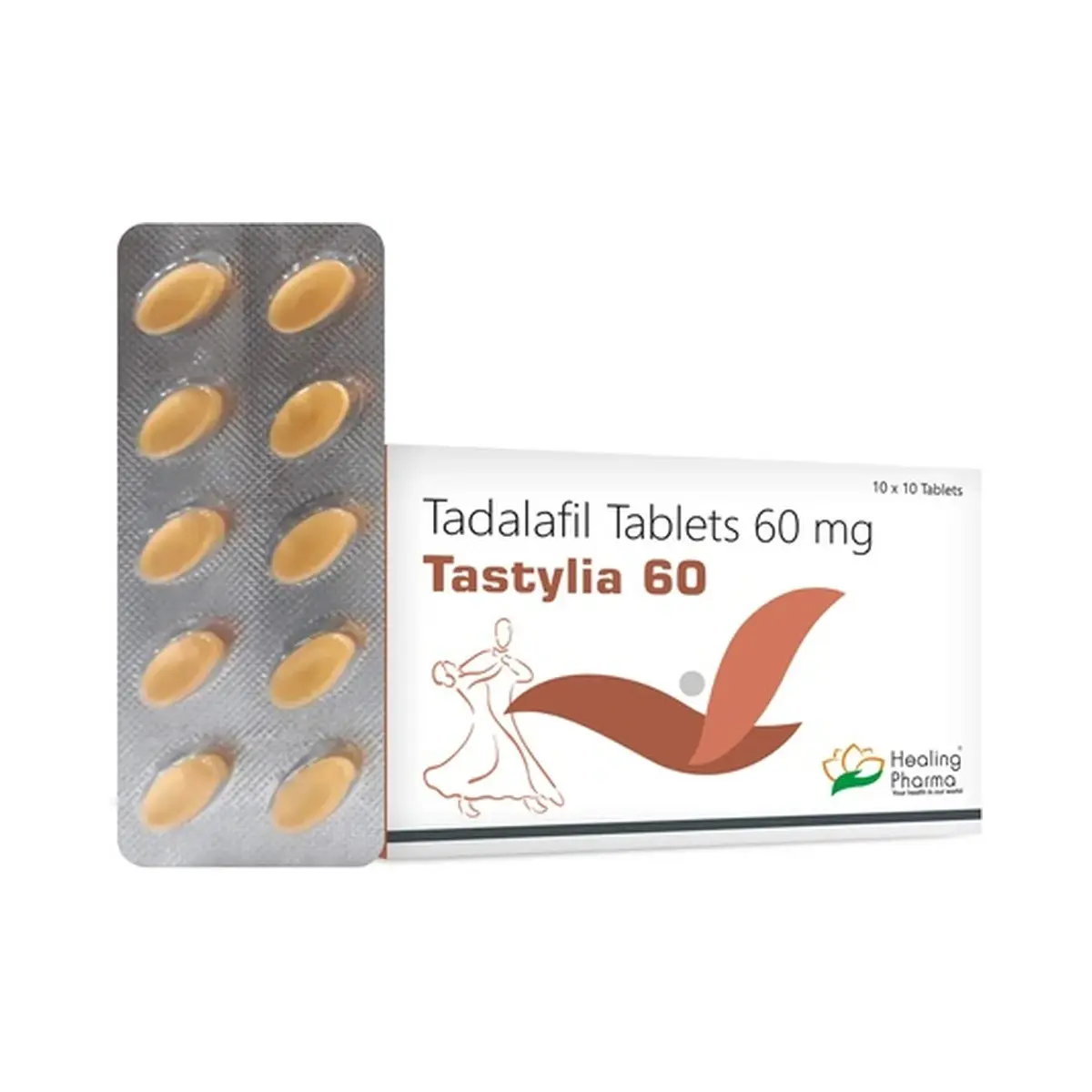
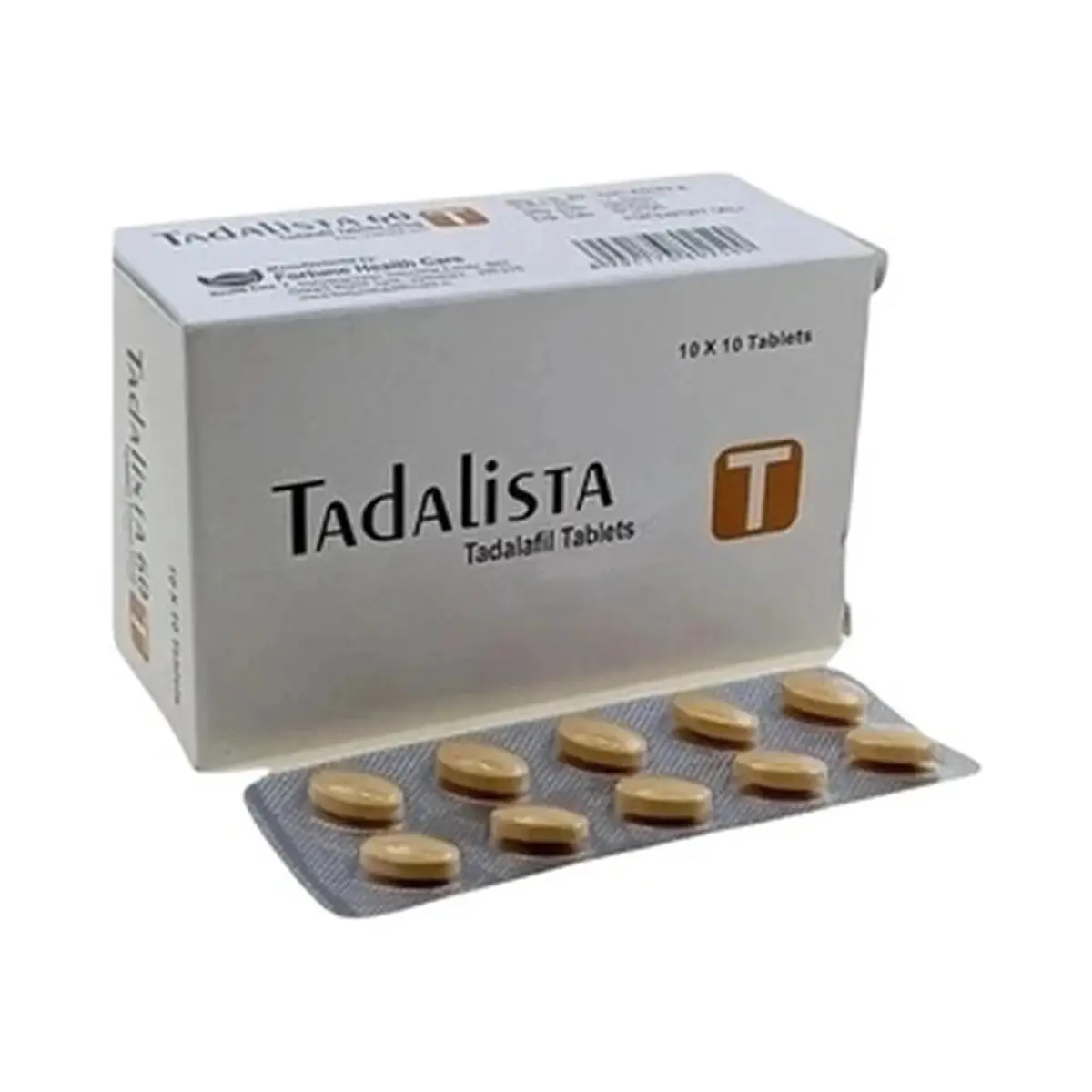
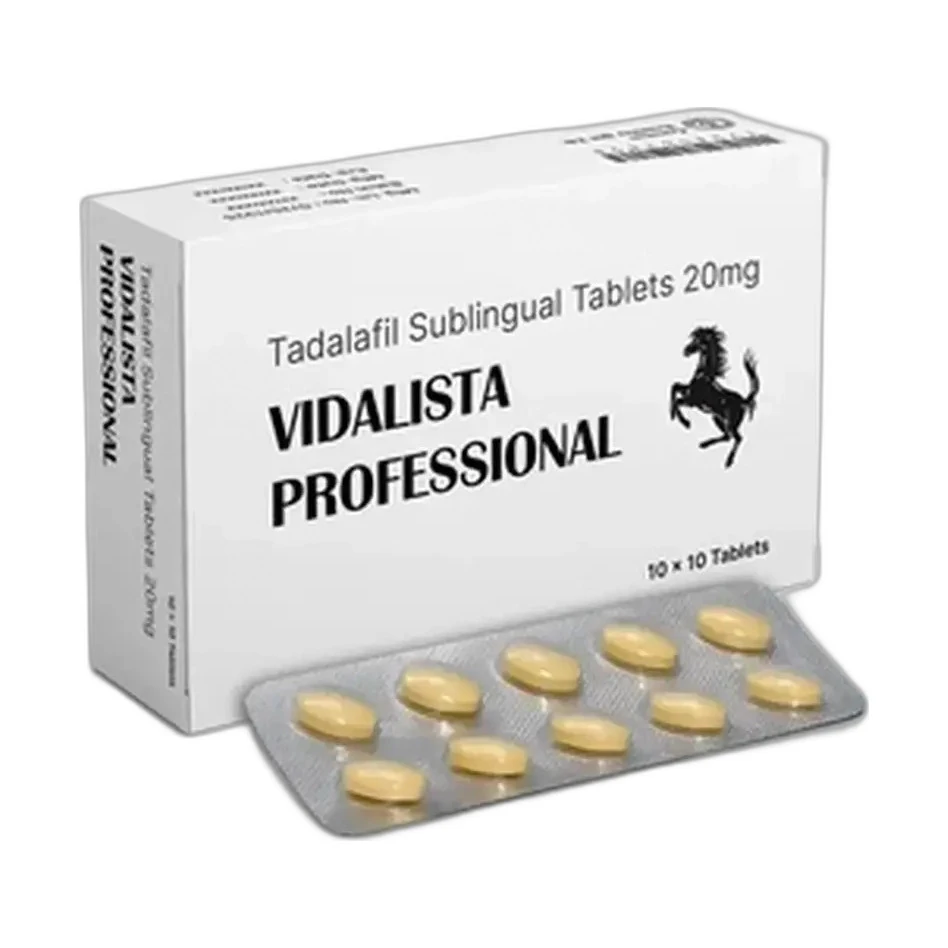
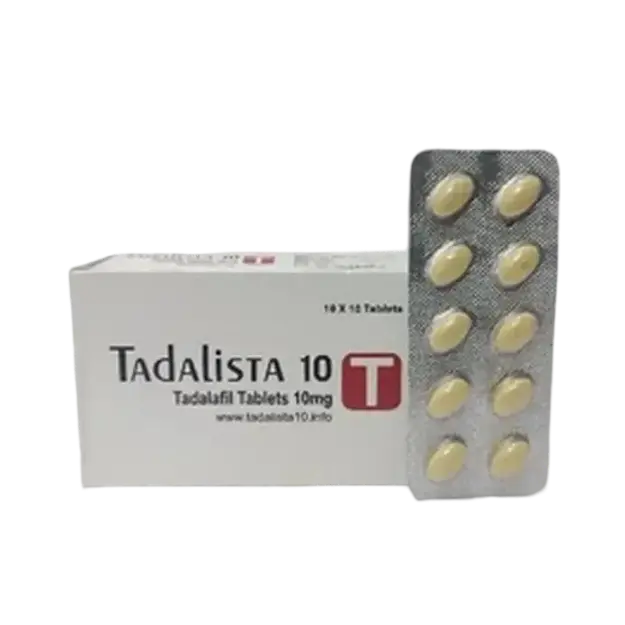
Tadalista (Tadalafil) 10 mg
Tadalista 10 mg is a product name associated with tadalafil, a phosphodiesterase type 5 (PDE5) inhibitor. Verified prescribing information for tadalafil tablets describes it as an oral medicine used for erectile dysfunction, and in some approved products also for benign prostatic hyperplasia and combined erectile dysfunction/benign prostatic hyperplasia indications.
Active Ingredient and Medicine Class
Active ingredient: tadalafil.
Medicine class: PDE5 inhibitor. This class helps increase blood flow in response to sexual stimulation by enhancing the nitric oxide–cGMP pathway in smooth muscle tissue.
Established Medical Uses
FDA prescribing information for tadalafil tablets lists treatment of erectile dysfunction as an established indication. Some tadalafil tablet products are also approved for the signs and symptoms of benign prostatic hyperplasia and for ED with BPH. The supplied product strength, 10 mg, is consistent with an on-demand erectile dysfunction starting dose in the U.S. label, but the specific trade name “Tadalista” itself was not verified from an official regulatory source.
How It Works
Tadalafil inhibits PDE5, an enzyme that breaks down cyclic guanosine monophosphate (cGMP). By preserving cGMP, it supports relaxation of smooth muscle and improved blood flow in erectile tissue during sexual stimulation. The effect does not create an erection without sexual stimulation.
Important Safety Information
Tadalafil is contraindicated with nitrates and with guanylate cyclase stimulators such as riociguat because of the risk of marked blood pressure lowering. It is also contraindicated in people with serious hypersensitivity to tadalafil. Prescribing information warns about cardiovascular risk in patients for whom sexual activity may be unsafe, and about increased risk of low blood pressure with alpha-blockers, antihypertensives, alcohol, and strong CYP3A4 inhibitors. Caution is also advised in renal or hepatic impairment.
Important rare safety concerns include prolonged erection, sudden vision loss associated with non-arteritic anterior ischemic optic neuropathy, and sudden hearing loss.
Possible Side Effects
Commonly reported adverse effects include headache, dyspepsia/indigestion, back pain, myalgia, nasal congestion, flushing, dizziness, and upper respiratory symptoms. Less common reactions include abdominal discomfort, nausea, vomiting, and muscle spasm. Serious reactions are uncommon but can include priapism, significant blood pressure drops, and visual or hearing disturbances.
Scientific Evidence
PubMed-indexed reviews report that tadalafil is an effective PDE5 inhibitor for erectile dysfunction, with clinical benefit lasting up to about 36 hours in on-demand use. Reviews also describe a consistent safety profile, with headache, dyspepsia, back pain, nasal congestion, myalgia, and flushing among the most frequent adverse effects.
Medical Information Notice
This summary is an educational overview based on sources available at the time of review and does not replace the official patient leaflet or individual assessment by a qualified healthcare professional.
Medical Sources
- U.S. Food and Drug Administration. Tadalafil tablets, full prescribing information.
- Meuleman EJ. Review of tadalafil in the treatment of erectile dysfunction. Expert Opin Pharmacother. 2003.