Description
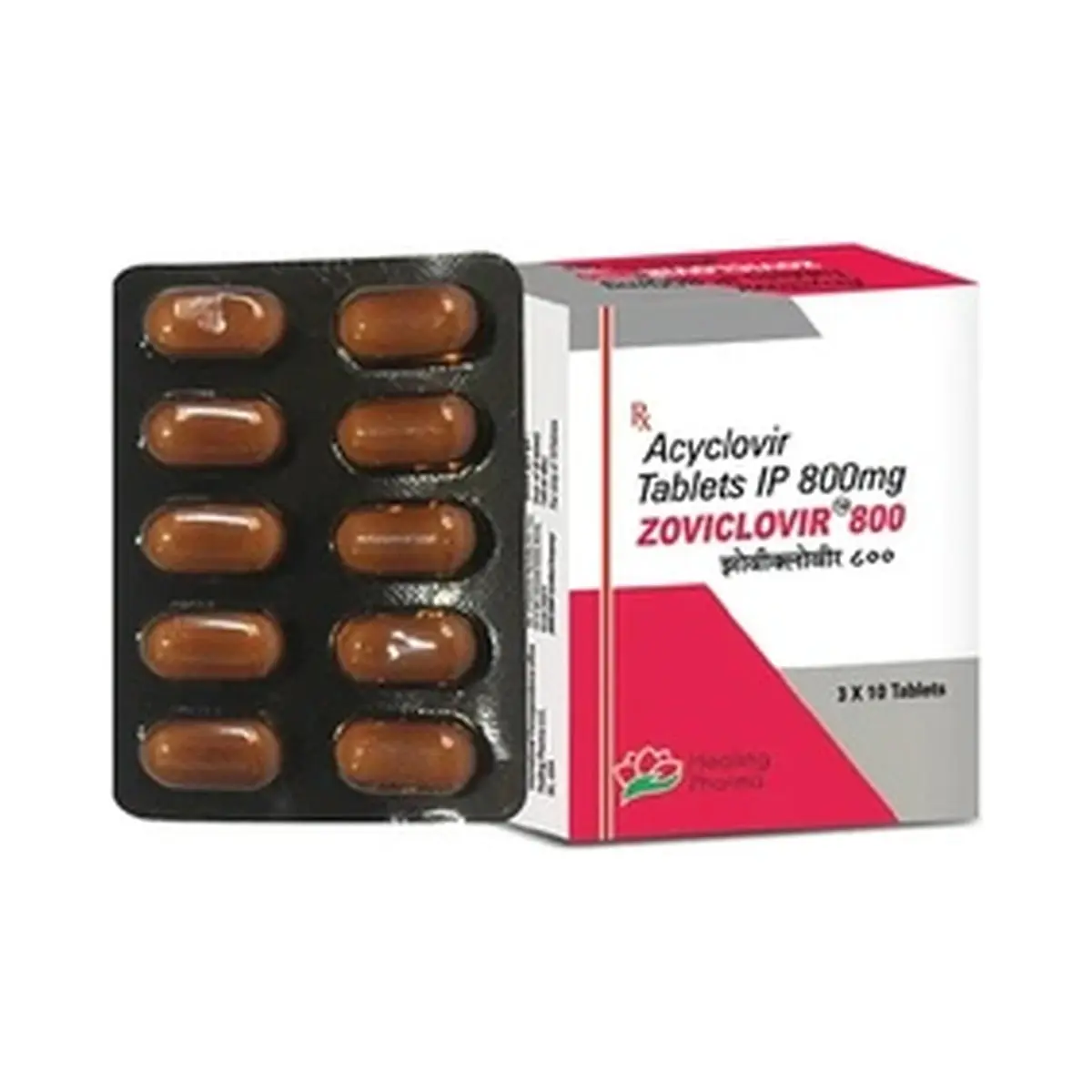
Zoviclovir (Acyclovir) 800 mg
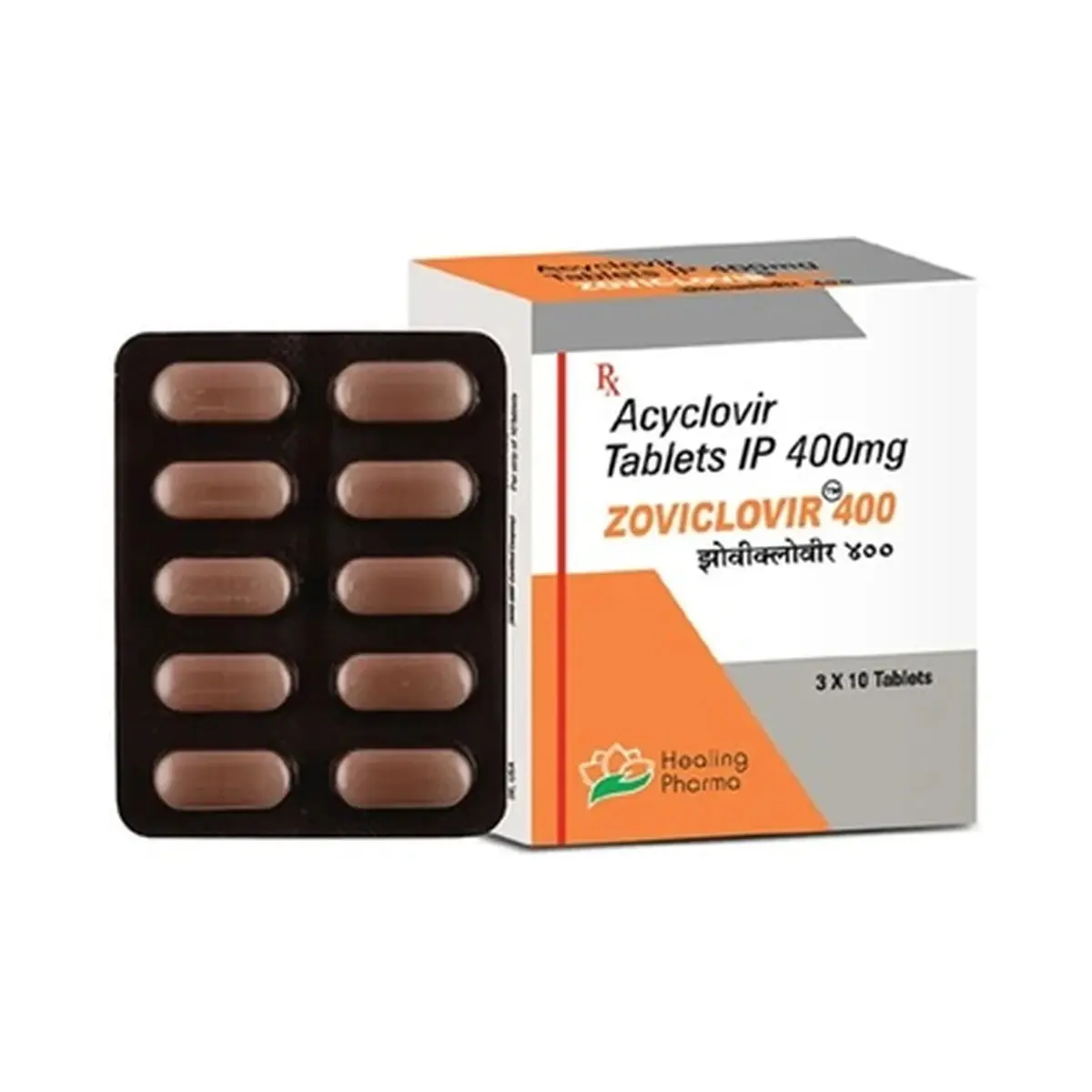
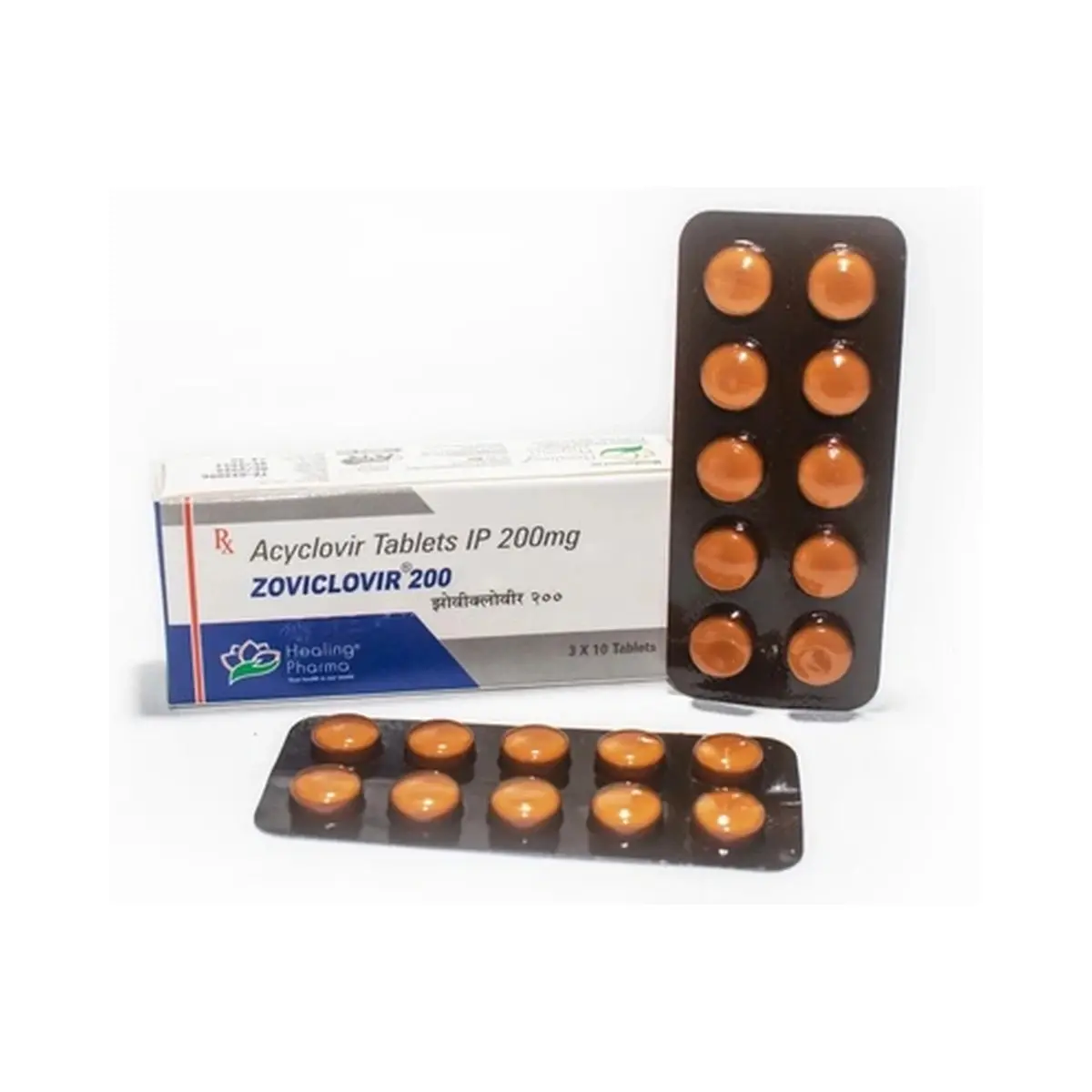
Zoviclovir 800 mg is presented here as an oral aciclovir medicine. The verified active ingredient is aciclovir (also spelled acyclovir), a direct-acting antiviral used against selected herpesvirus infections. The tablet strength identifies the product; it is not a recommended dose for any individual patient.
Active Ingredient and Medicine Class
Aciclovir is a synthetic purine nucleoside analogue and an antiviral medicine in the direct-acting antiviral class. Regulatory product information classifies it in ATC group J05AB01. It is available as an oral tablet form in the verified references reviewed.
Established Medical Uses
Official prescribing information for 800 mg aciclovir tablets supports use for herpes zoster (shingles) and, in some product information, varicella (chickenpox). Other aciclovir formulations and strengths are used for herpes simplex virus infections, but the exact approved uses depend on the specific national product licence. For this reason, claims should be limited to the indications confirmed in the reviewed source documents.
How It Works
Aciclovir is activated preferentially inside cells infected with herpesviruses. Viral thymidine kinase converts it to the monophosphate form, and host enzymes then convert it to the active triphosphate. This active form inhibits viral DNA polymerase and interferes with viral DNA replication, helping to limit viral multiplication. This selectivity helps explain why aciclovir acts mainly against infected cells rather than normal uninfected cells.
Important Safety Information
Aciclovir should not be used in people with hypersensitivity to aciclovir, valaciclovir, or any tablet excipient. Product information highlights several precautions:
- Renal impairment: aciclovir is cleared mainly by the kidneys, so reduced kidney function increases the risk of accumulation and toxicity.
- Older adults: reduced renal function is common, and neurologic adverse effects are more likely when kidney function is impaired.
- Hydration: high oral doses require attention to hydration status because kidney-related adverse effects are a recognised concern.
- Drug interactions: probenecid and cimetidine can increase aciclovir exposure by reducing renal tubular secretion; the risk of renal impairment is also increased with other nephrotoxic medicines. Coadministration with mycophenolate mofetil may increase exposures, and aciclovir may increase theophylline exposure.
- Antiviral resistance: prolonged or repeated use in severely immunocompromised patients may select less sensitive herpesvirus strains.
Possible Side Effects
Commonly reported adverse effects include nausea, vomiting, diarrhoea, abdominal pain, headache, dizziness, fatigue, fever, rash and itching. Important serious reactions, though less common, include anaphylaxis, angioedema, confusion, hallucinations, tremor, ataxia, convulsions, encephalopathy, acute kidney injury, elevated creatinine, hepatitis, jaundice, Stevens-Johnson syndrome, toxic epidermal necrolysis and DRESS. Neurologic reactions and renal toxicity are especially important in people with kidney impairment or other risk factors.
Scientific Evidence
Human clinical and review literature supports aciclovir as an established anti-herpesvirus therapy. Regulatory reviews and PubMed-indexed literature describe consistent antiviral activity against HSV and varicella-zoster virus, with benefit depending on early treatment and appropriate patient selection. Published reviews also describe the drug’s favourable selectivity, while clinical trial data have long supported its use in herpes zoster and other herpesvirus infections.
Medical Sources
- Medicines.org.uk emc SmPC: Aciclovir 800 mg Tablets – Summary of Product Characteristics
- DailyMed: Acyclovir Tablets, USP Rx only – Prescribing Information
- Elion GB. “Mechanism of action and selectivity of acyclovir.” American Journal of Medicine, 1982. PubMed article
- Gnann Jr JW, Barton NH, Whitley RJ. “Acyclovir: mechanism of action, pharmacokinetics, safety and clinical applications.” Pharmacotherapy, 1983. PubMed article
Medical Information Notice
This page is an educational summary based on sources available at the time of review. It does not replace the official patient leaflet, prescribing information, or assessment by a qualified healthcare professional.