Description
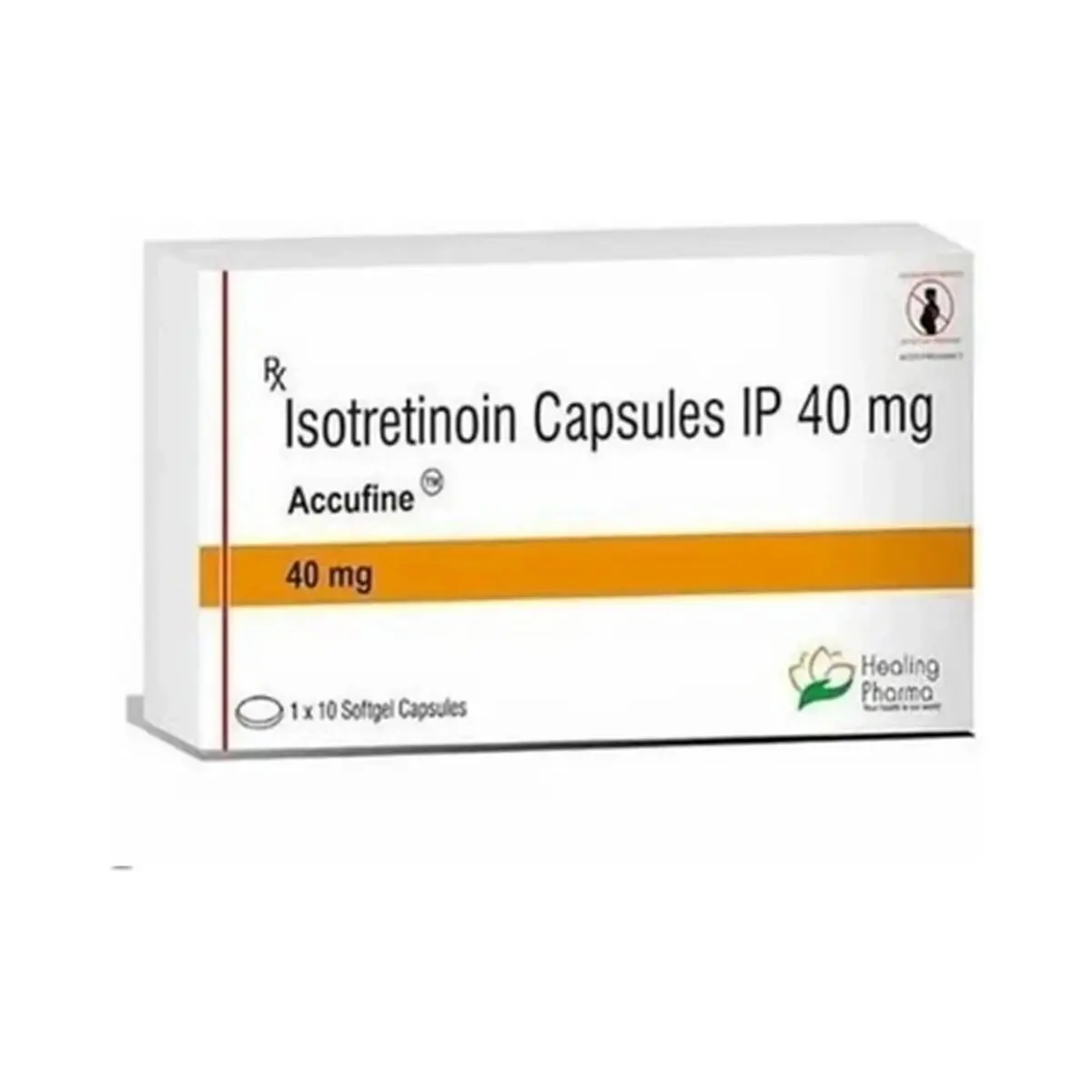
Accufine (Isotretinoin) 40 mg
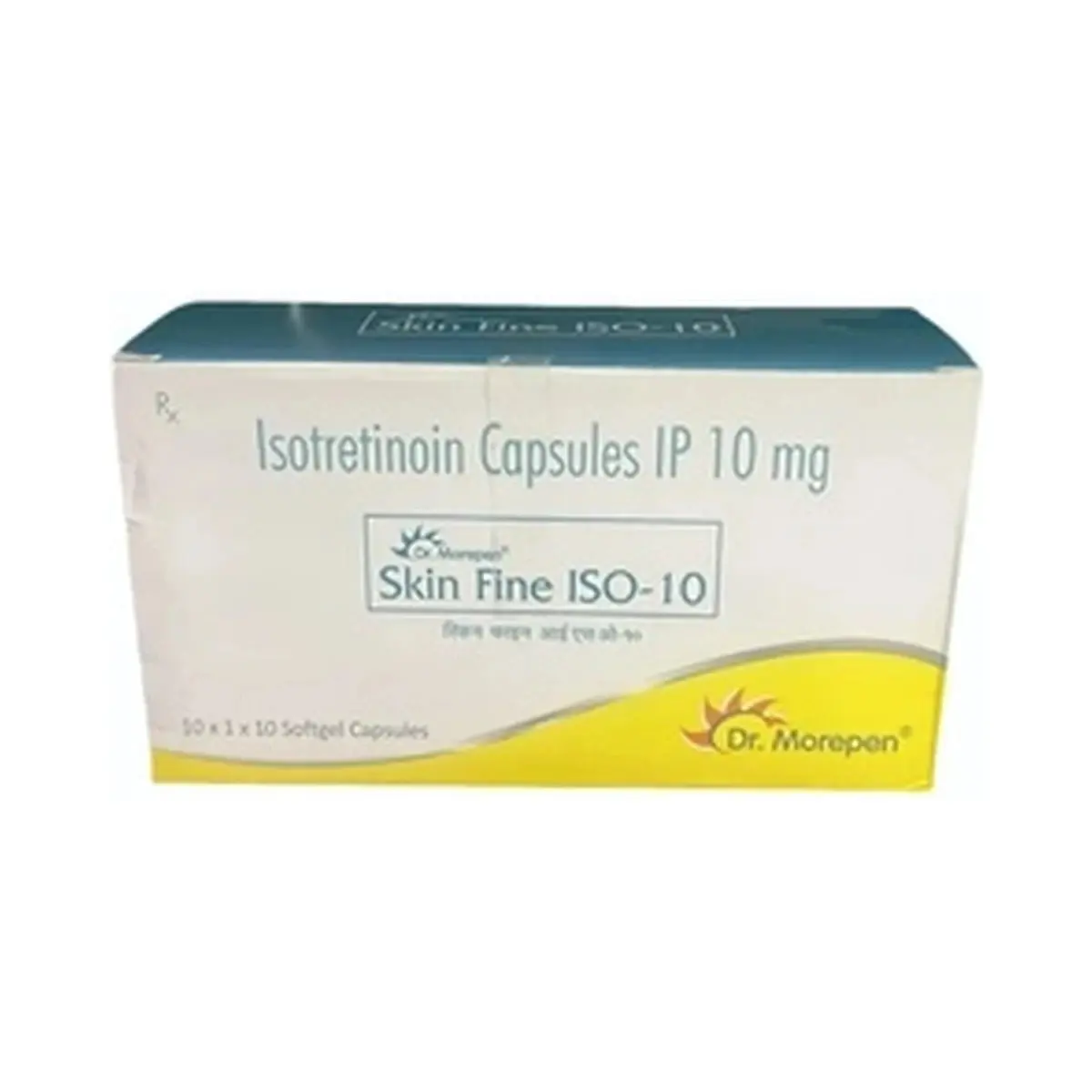
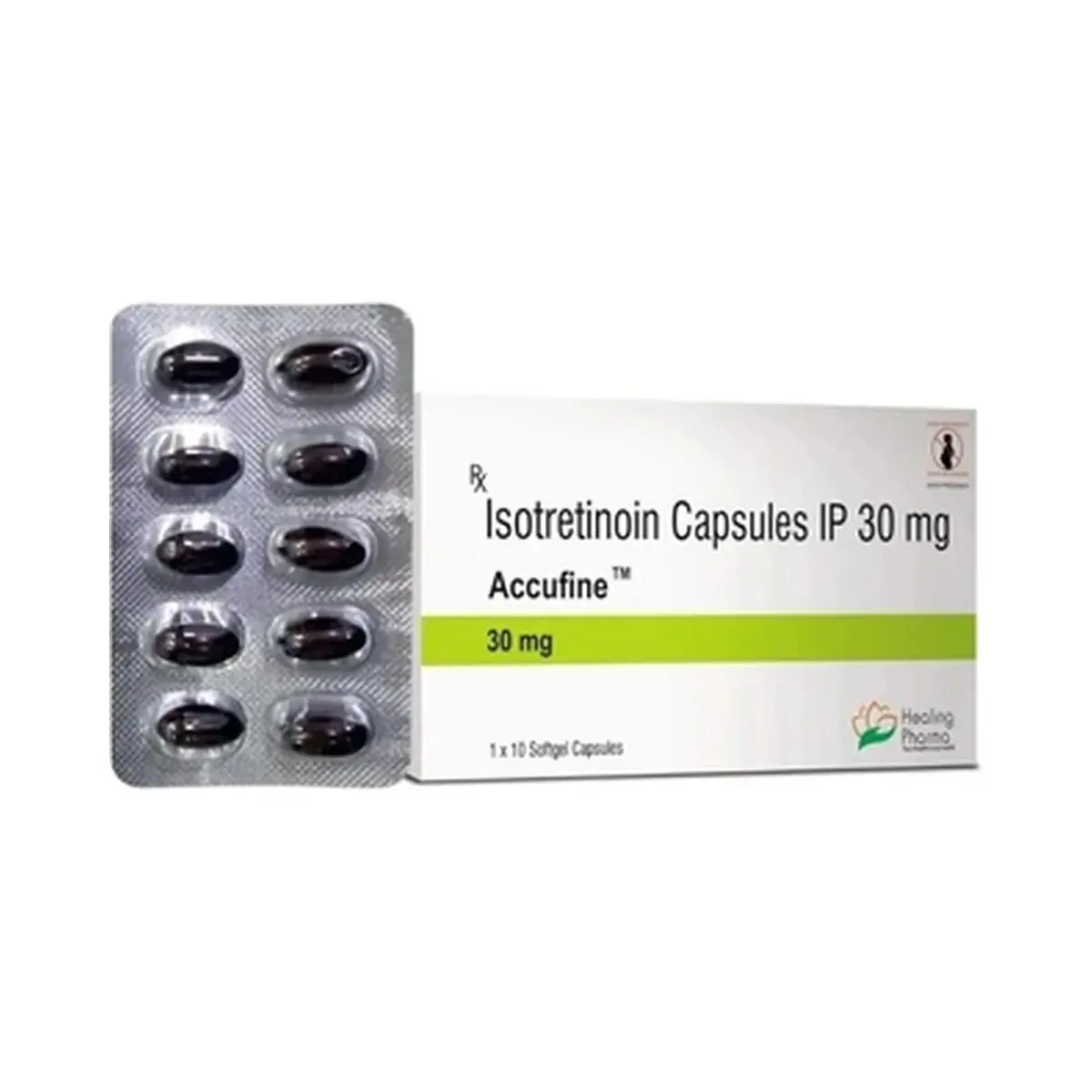
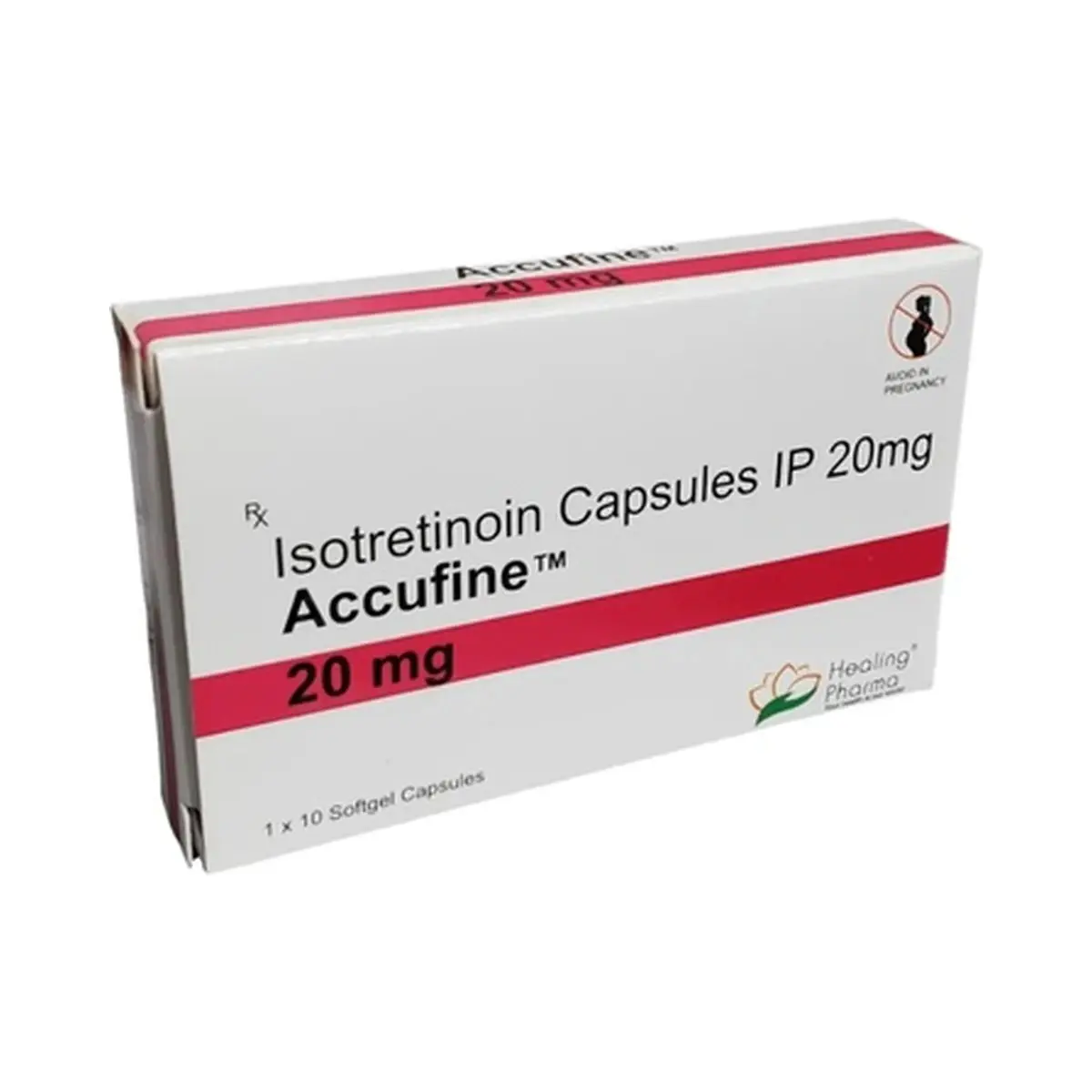
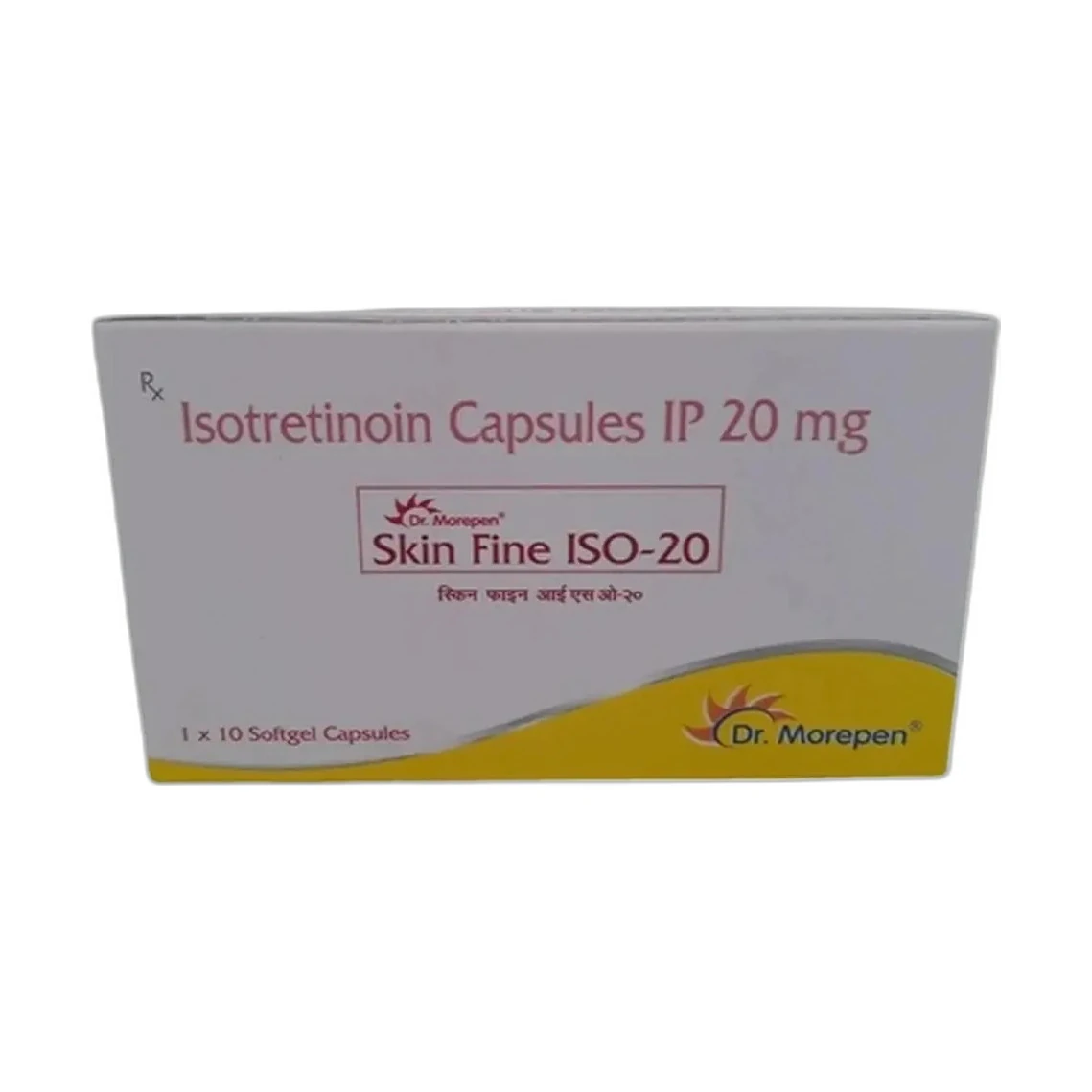
Accufine 40 mg is presented here as an oral isotretinoin capsule product. The verified active ingredient is isotretinoin, a systemic retinoid used in dermatology for severe acne that has not responded adequately to conventional treatment.
Active Ingredient and Medicine Class
The active ingredient is isotretinoin, also known as 13-cis-retinoic acid. It belongs to the retinoid class of medicines. Retinoids are vitamin A-related compounds used in selected skin conditions, especially severe acne.
Established Medical Uses
Established prescribing information supports oral isotretinoin for severe recalcitrant nodular acne in appropriate patients, including adolescents and adults, when standard therapies have not worked well enough. Because of its safety profile, it is generally reserved for acne that is extensive, inflammatory, and difficult to control with conventional treatment.
The medicine is not a routine treatment for mild acne. Its use is limited by important risks, especially the risk of fetal harm during pregnancy.
How It Works
Isotretinoin acts on the skin’s oil-producing units. It reduces sebaceous gland activity, decreases sebum production, and influences the abnormal processes that contribute to acne lesion formation. Scientific reviews also describe anti-inflammatory and immunoregulatory effects. The exact mechanism for its clinical benefit is not fully established, but its effects on sebum and acne inflammation are well recognised.
Important Safety Information
Isotretinoin has major safety restrictions. It is contraindicated in pregnancy because it can cause severe embryo-fetal harm. In some countries, access is controlled through formal pregnancy-prevention or risk-management programmes. It should also be used with particular caution in people who can become pregnant, and it requires careful prescriber oversight.
Important precautions include the possibility of lipid abnormalities, hepatotoxicity, psychiatric symptoms, intracranial hypertension, serious skin reactions, inflammatory bowel disease, musculoskeletal effects, and ocular problems. Clinically significant interactions include tetracyclines, which may increase the risk of intracranial hypertension, and vitamin A products, which may increase toxicity risk.
It is also important to note that isotretinoin is generally reserved for patients whose acne has not responded adequately to standard therapy, including systemic antibiotics.
Possible Side Effects
Common adverse effects include dry lips, dry skin, dry eyes, nosebleeds, headache, back pain, joint pain, and other mucocutaneous effects such as cheilitis and dermatitis. Laboratory abnormalities such as increased creatine kinase, liver enzyme elevation, and changes in blood lipids may also occur.
Less common but serious reactions can include depression or other mood changes, severe allergic reactions, severe skin reactions, pancreatitis, hearing changes, vision changes, and bone-related effects. Any unexpected or severe symptoms require prompt medical assessment.
Scientific Evidence
Human clinical and review literature consistently supports isotretinoin as an effective treatment for severe acne, particularly nodular and treatment-resistant disease. Reviews also note that its benefits are accompanied by dose-related mucocutaneous adverse effects and by the need for strict safety monitoring because of teratogenicity and other potentially serious risks. More recent reviews continue to evaluate dosing strategies and formulation differences, but the central role of isotretinoin in severe acne remains well established.
Medical Information Notice
This page is an educational summary based on sources available at the time of review. It does not replace the official patient leaflet, regulatory prescribing information, or an individual assessment by a qualified healthcare professional.
Medical Sources
- U.S. Food and Drug Administration / DailyMed Isotretinoin Capsules, full prescribing information. View prescribing information
- Edileia Bagatin et al. The use of isotretinoin for acne – an update on optimal dosing, surveillance, and adverse effects. Expert Review of Clinical Pharmacology, 2020. View scientific article
- Risha Bellomo et al. New Formulations of Isotretinoin for Acne Treatment: Expanded Options and Clinical Implications. Journal of Clinical and Aesthetic Dermatology, 2021. View scientific article