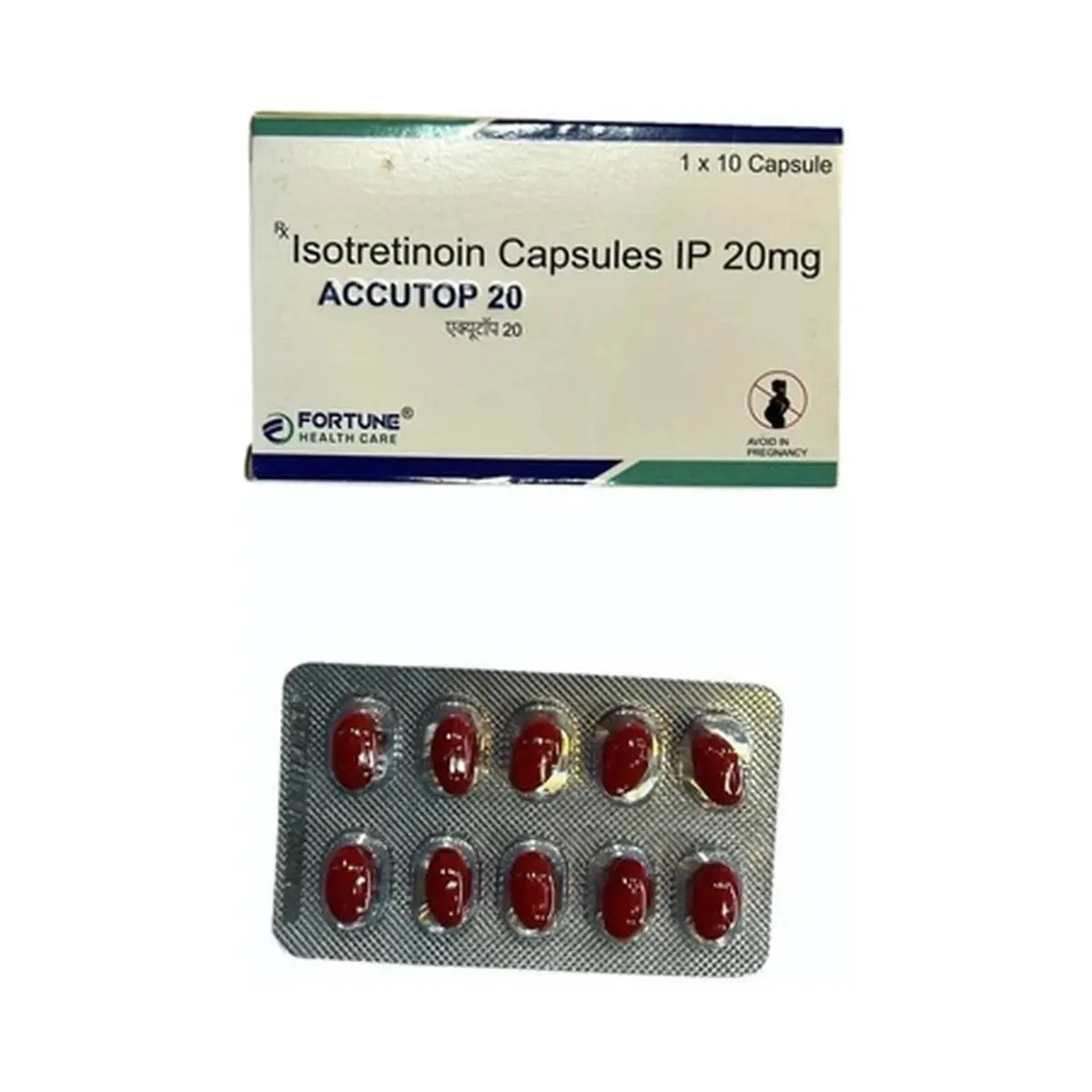
Description
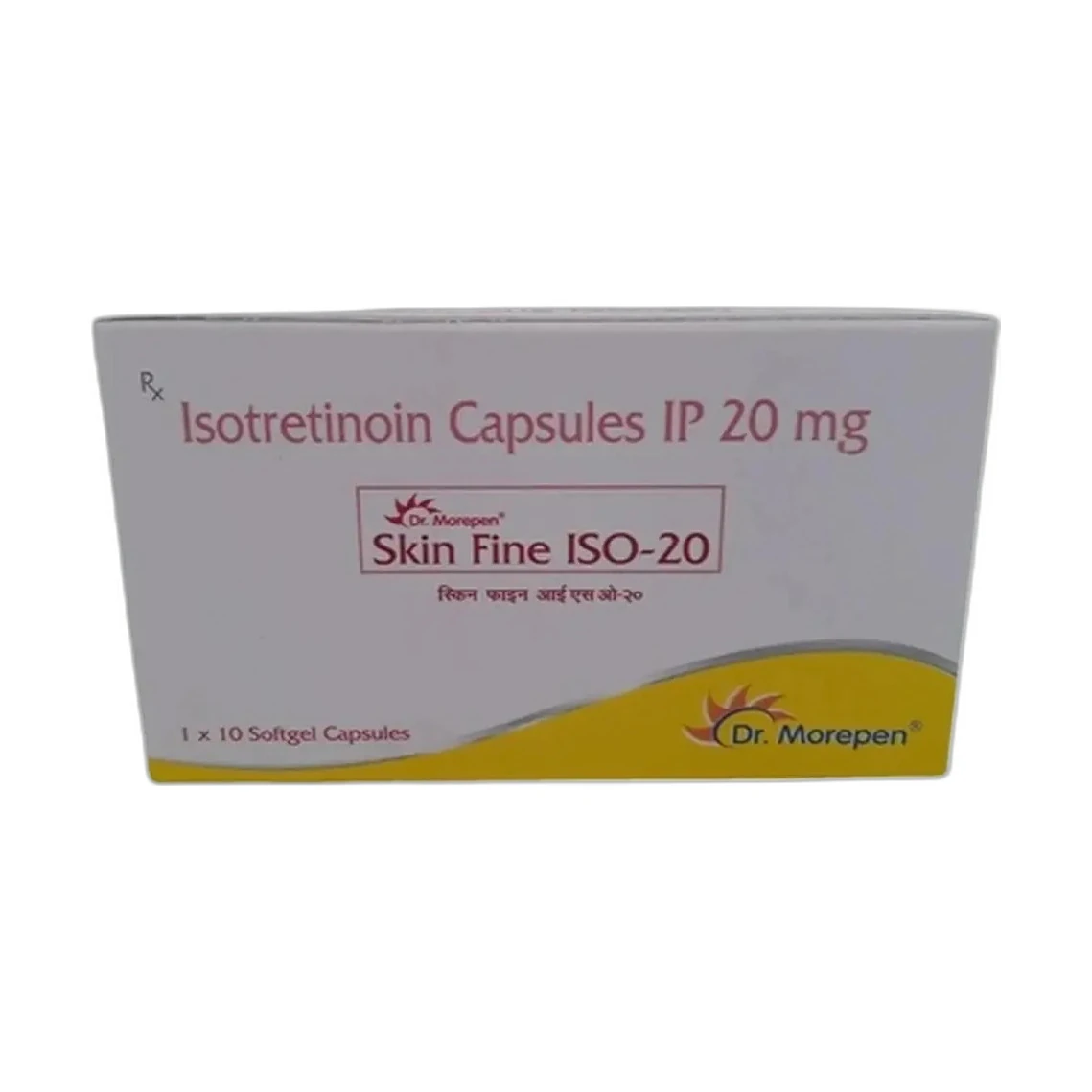
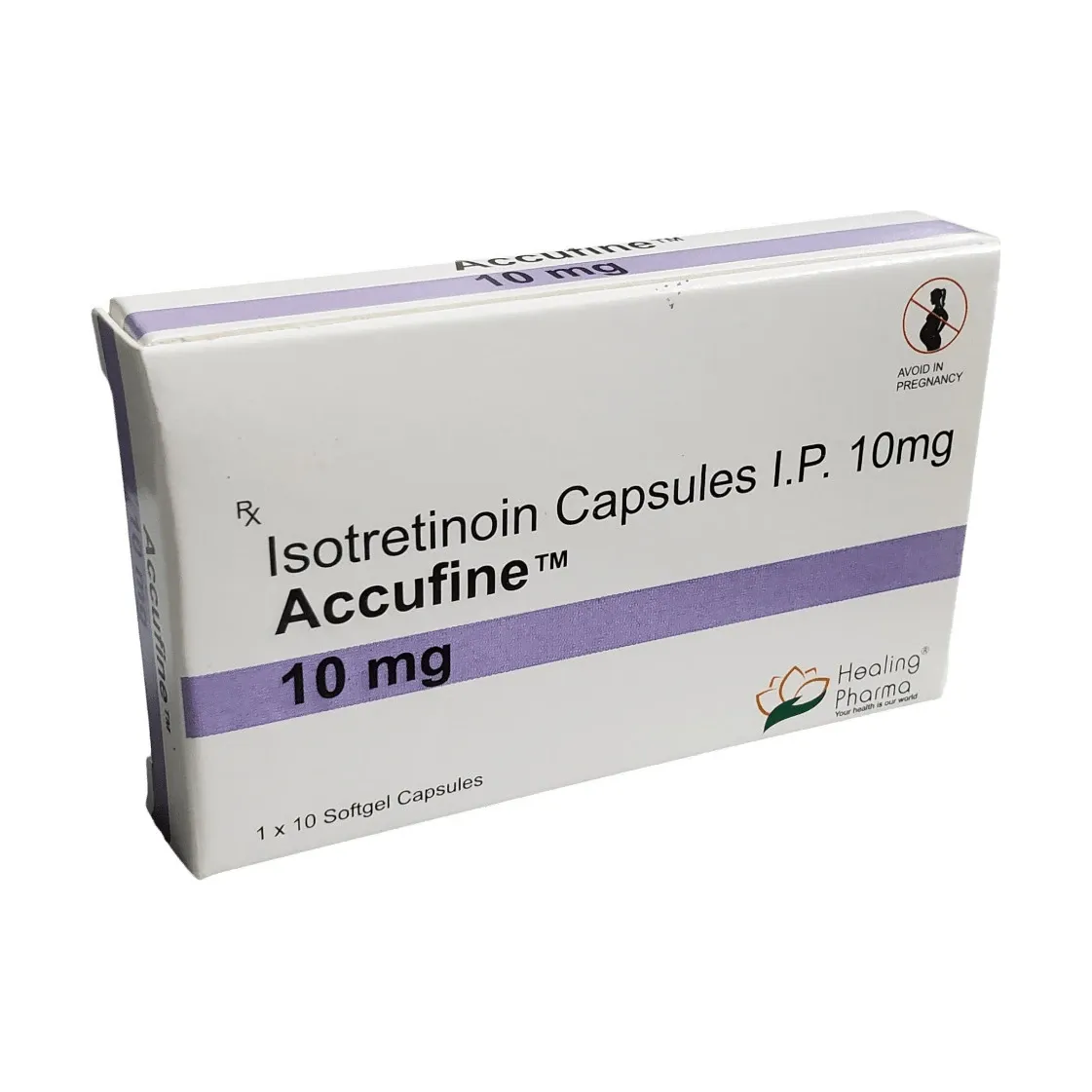
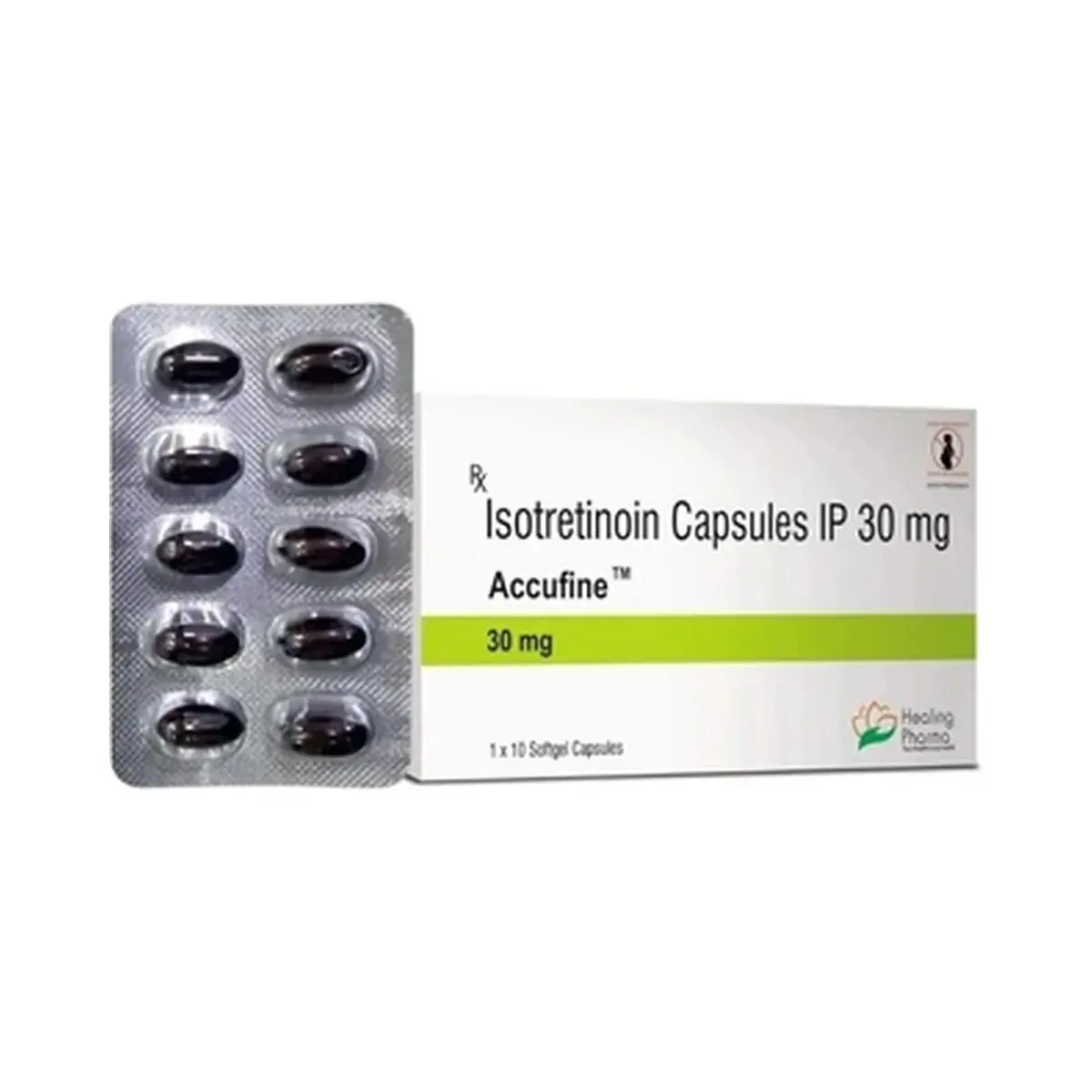
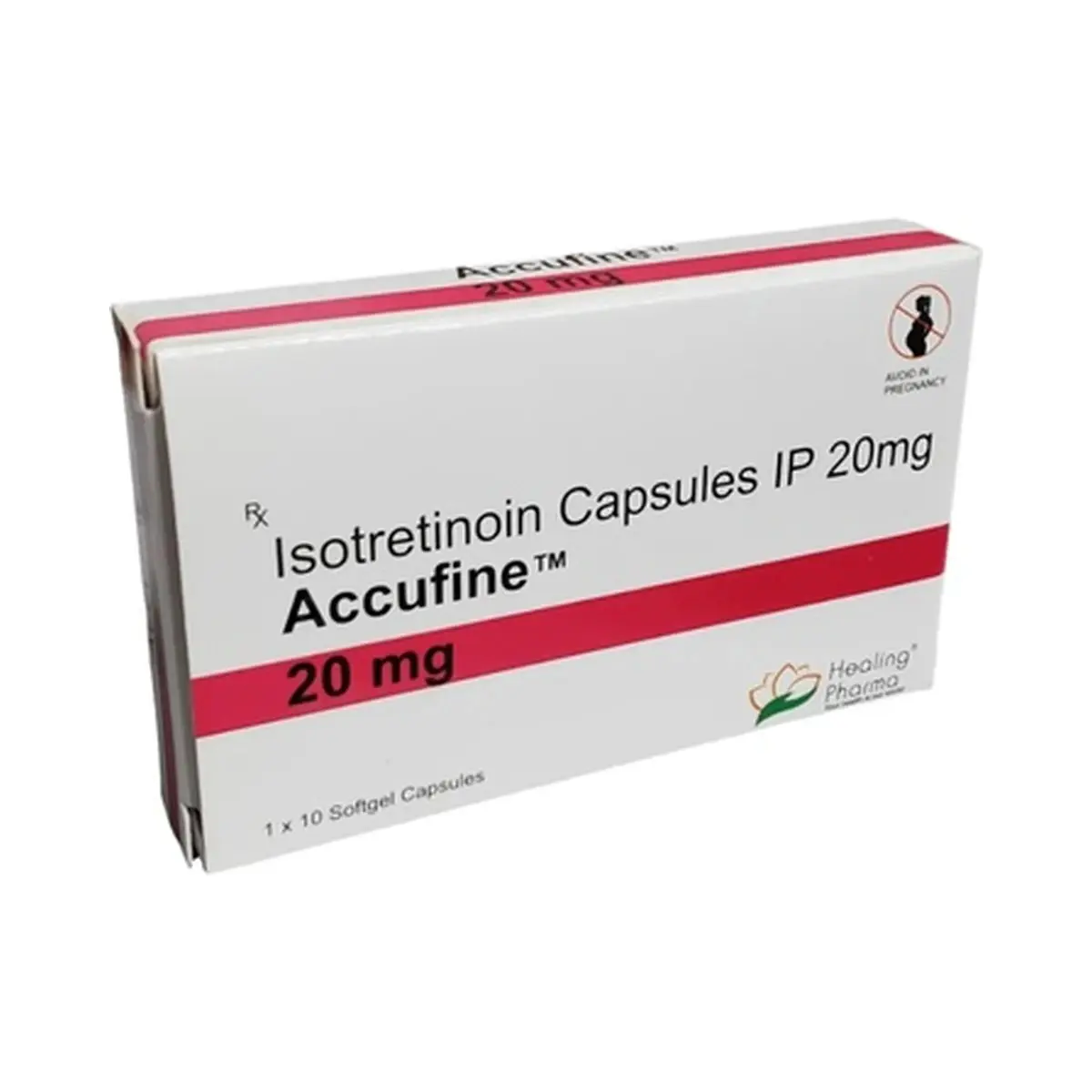
Accutop (Isotretinoin) 20 mg
Accutop 20 mg is an oral capsule containing isotretinoin, a prescription retinoid used for severe recalcitrant nodular acne. The product strength identifies the medicine listed here, but it should not be interpreted as a recommended dose. Isotretinoin is reserved for acne that has not responded adequately to conventional therapy because it can cause serious adverse effects, including severe birth defects if used during pregnancy.
Active Ingredient and Medicine Class
The verified active ingredient is isotretinoin, also known as 13-cis-retinoic acid. It belongs to the retinoid class of medicines. Retinoids are vitamin A-related compounds that influence skin cell behaviour, oil gland activity, and inflammatory pathways.
Established Medical Uses
Established prescribing information identifies isotretinoin capsules for the treatment of severe recalcitrant nodular acne in non-pregnant patients 12 years of age and older, particularly when the condition has not responded to conventional therapy, including systemic antibiotics. This medicine is not intended for routine mild acne.
How It Works
Isotretinoin reduces the activity and size of sebaceous glands, which lowers sebum production. It also helps normalise the shedding of skin cells inside pores and has anti-inflammatory effects. Together, these actions can reduce the formation of deep inflammatory acne lesions and help improve difficult-to-control acne.
Important Safety Information
Isotretinoin is contraindicated in pregnancy because it can cause severe embryo-fetal toxicity. It is also contraindicated in people with hypersensitivity to isotretinoin or related components. Important precautions include psychiatric symptoms, elevated blood lipids, liver effects, pancreatitis, serious skin reactions, and intracranial hypertension. Concomitant use with tetracyclines is generally avoided because of the risk of increased intracranial pressure. Clinically significant interactions also include vitamin A-related products, which may increase toxicity. Liver function and lipid abnormalities are recognised monitoring concerns in official prescribing information.
Possible Side Effects
Common adverse effects include dry lips, dry skin, dry eyes, and other mucocutaneous reactions. Nasal dryness and skin irritation may also occur. More serious reactions can include marked lipid elevations, abnormal liver tests, severe skin reactions, pancreatitis, mood or behaviour changes, and vision-related problems. Because isotretinoin can be highly teratogenic, pregnancy exposure is the most clinically important safety issue.
Scientific Evidence
Clinical reviews and prescribing information consistently describe isotretinoin as one of the most effective treatments for severe inflammatory acne and a standard option when other therapies fail. Review literature also notes that its benefits must be balanced against predictable dryness and less common but potentially serious adverse effects. More recent reviews discuss formulation differences and ongoing safety surveillance, but these do not change the core established role of isotretinoin in severe acne.
Medical Information Notice
This page is an educational summary based on sources available at the time of review. It does not replace the official patient leaflet, regulatory prescribing information, or individual assessment by a qualified healthcare professional.
Medical Sources
- DailyMed, ISOTRETINOIN capsules, full prescribing information. Official U.S. prescribing information for isotretinoin capsules. View official prescribing information
- Edileia Bagatin et al. The use of isotretinoin for acne – an update on optimal dosing, surveillance, and adverse effects. Expert Review of Clinical Pharmacology, 2020. View scientific article
- Risha Bellomo et al. New Formulations of Isotretinoin for Acne Treatment: Expanded Options and Clinical Implications. Journal of Clinical and Aesthetic Dermatology, 2021. View scientific article