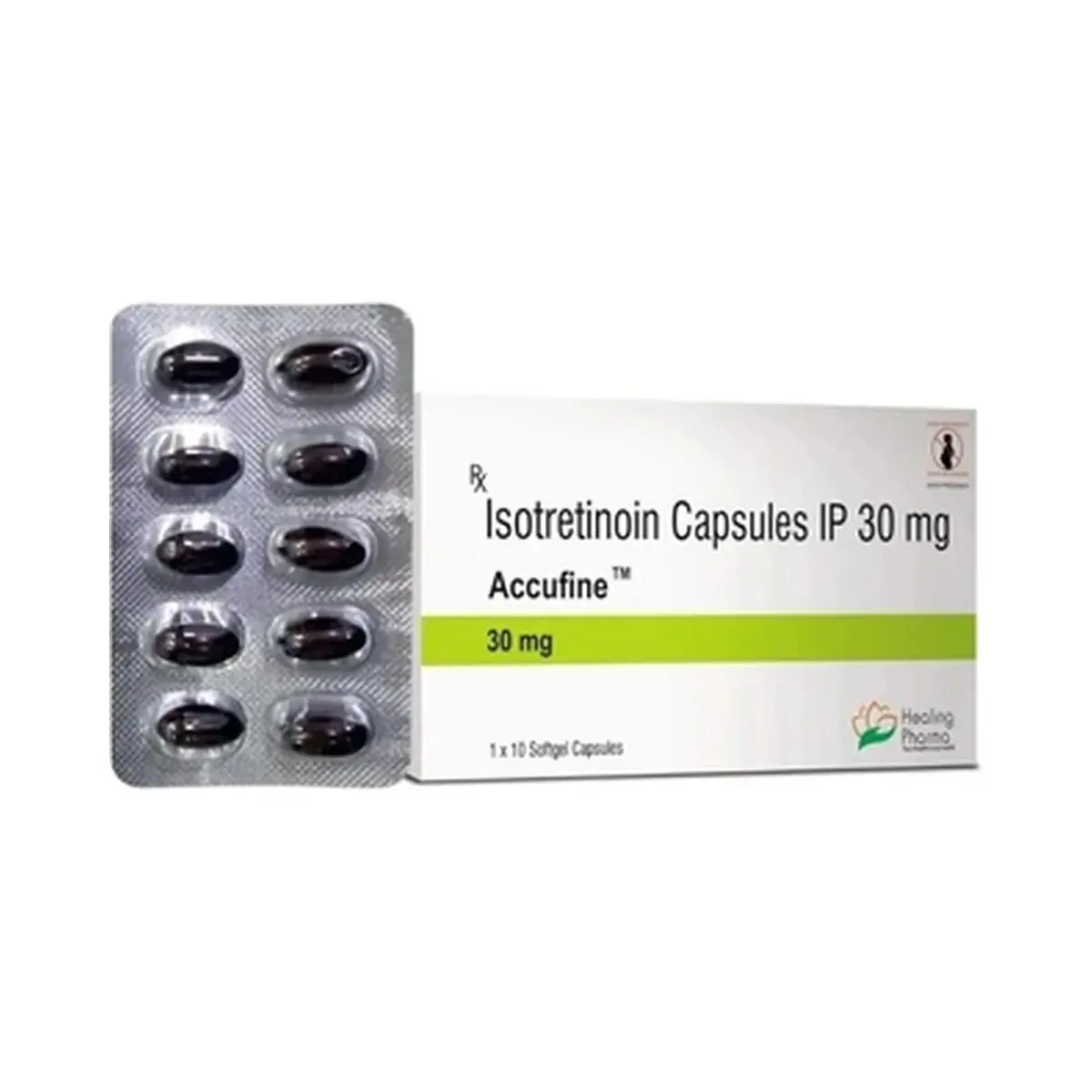
Description
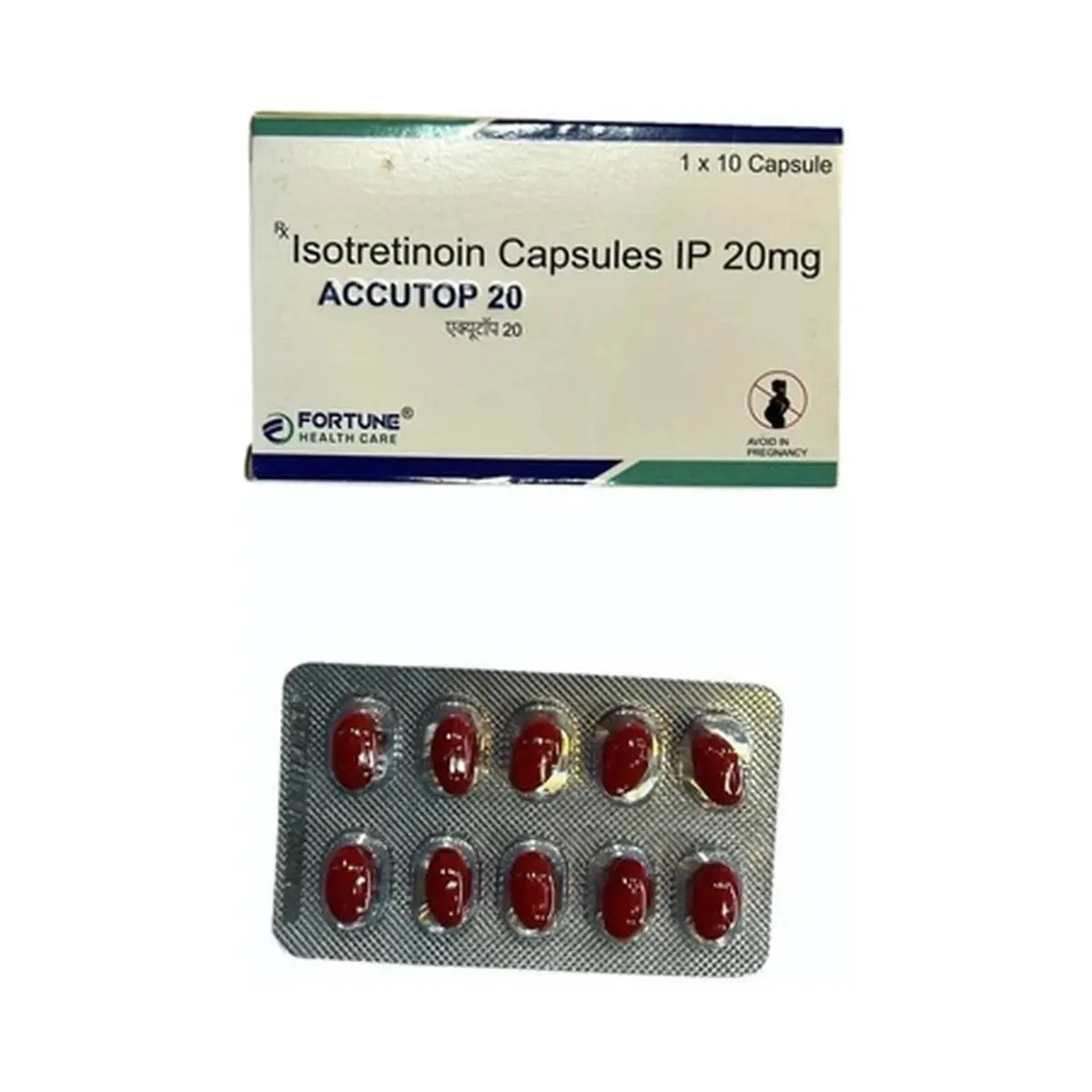
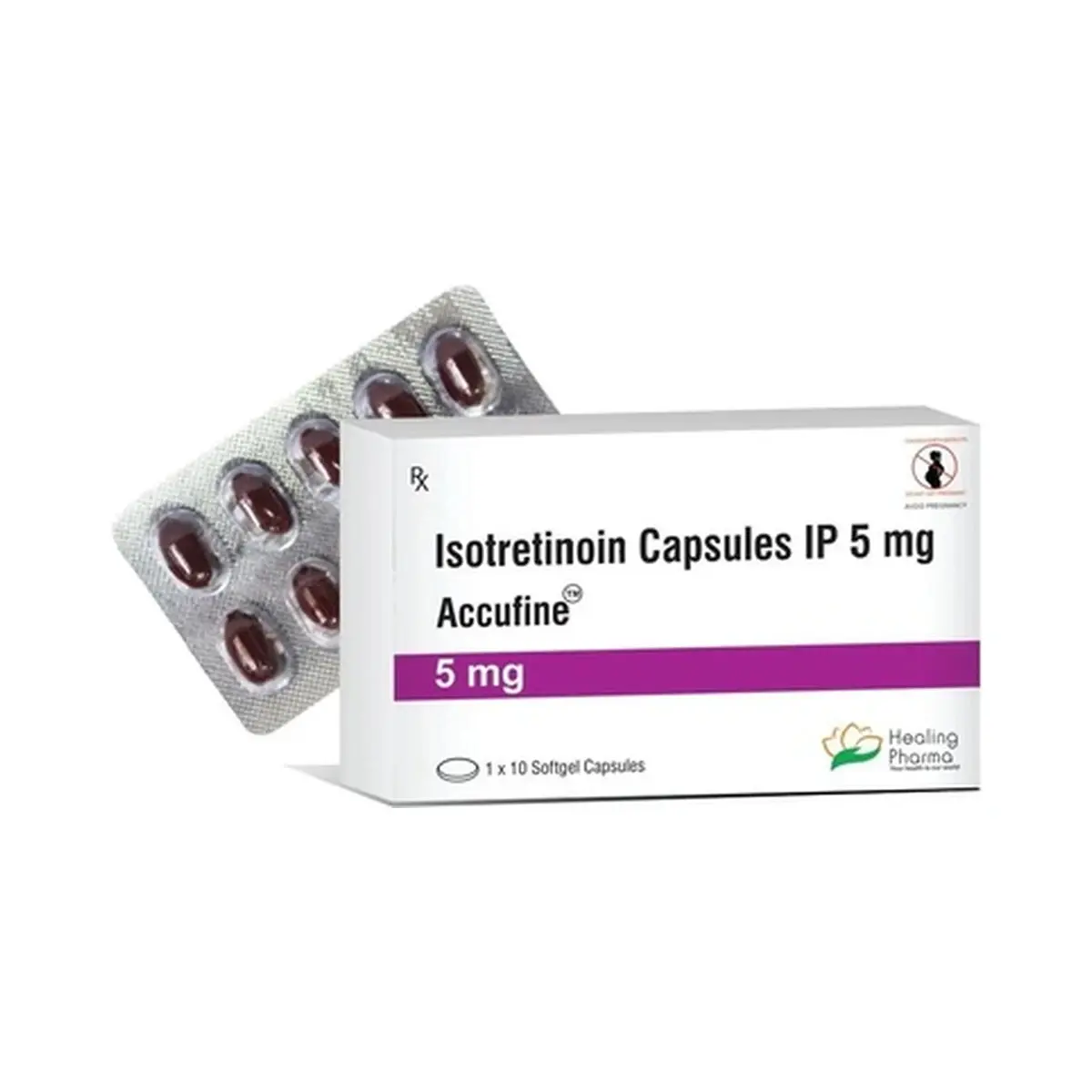
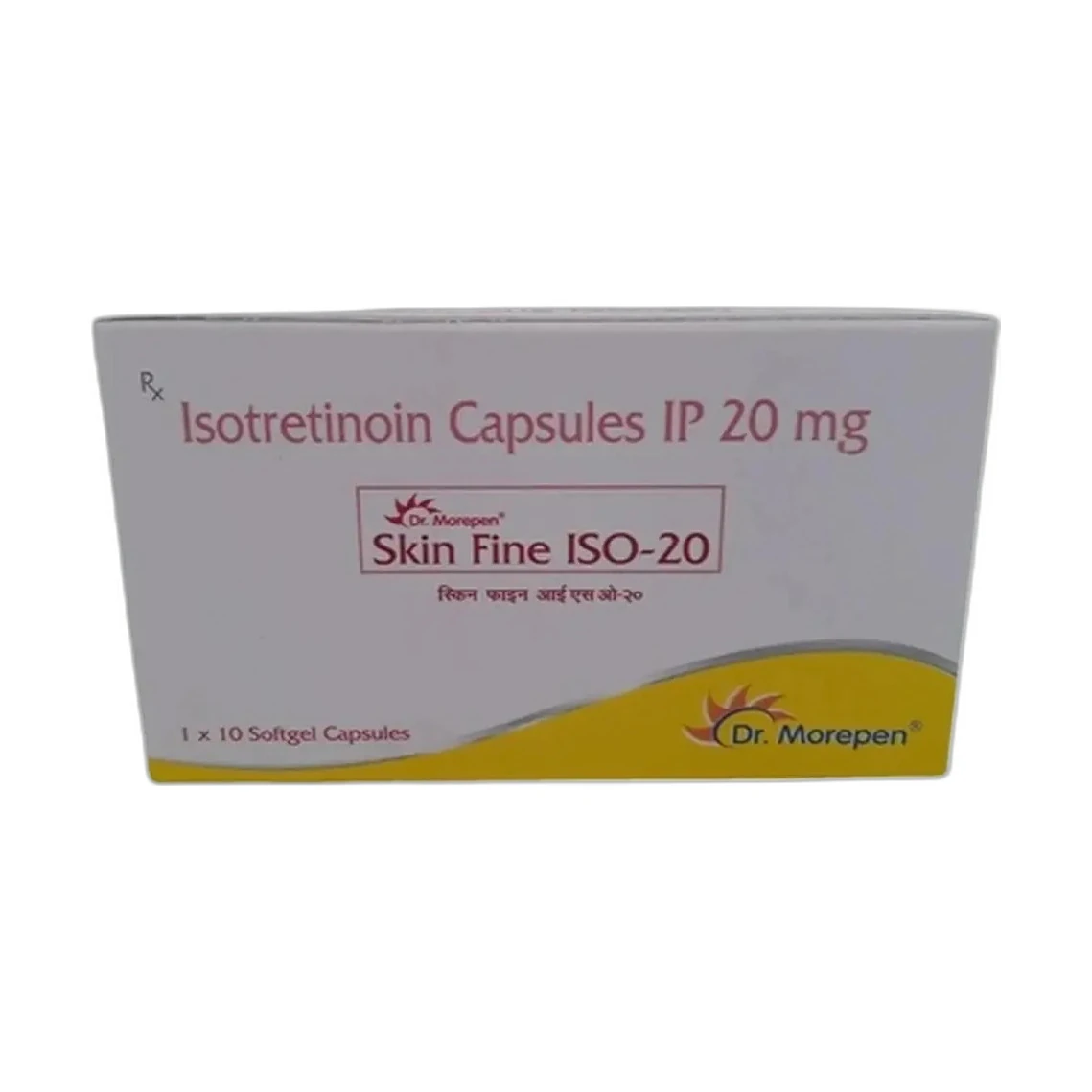
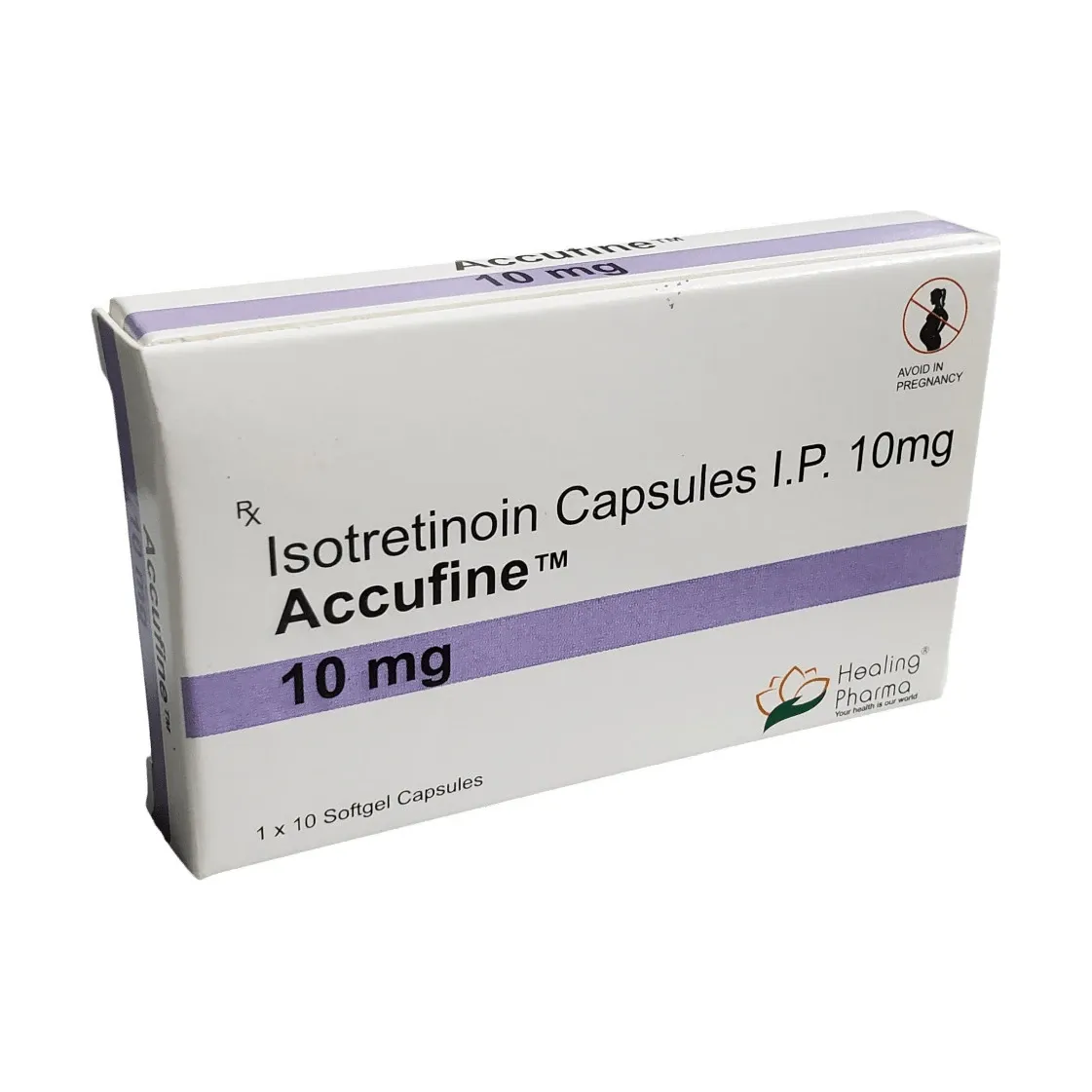
Accufine (Isotretinoin) 30 mg – 10 capsules
Accufine is an oral isotretinoin capsule product. Isotretinoin is a retinoid medicine used in the management of acne, particularly severe or difficult-to-treat nodular forms. It is a systemic prescription medicine with important safety restrictions because of its well-known risk of serious harm during pregnancy and other clinically significant adverse effects.
Active Ingredient and Medicine Class
The verified active ingredient is isotretinoin. It belongs to the retinoid class, which is related to vitamin A. Retinoids influence skin cell growth and differentiation and are used in dermatology for conditions involving abnormal follicular plugging and inflammation.
Established Medical Uses
Isotretinoin is established for the treatment of severe recalcitrant nodular acne and other severe acne presentations when conventional therapy has not provided adequate control. Regulatory labeling describes benefit in reducing nodular lesions and achieving prolonged remission in many patients. Use is reserved for situations where the expected benefit justifies the medicine’s substantial risks.
How It Works
Isotretinoin acts on several major factors involved in acne. It reduces sebaceous gland activity and sebum production, helps normalise the way skin cells shed within hair follicles, and has anti-inflammatory effects. By acting on multiple steps in acne formation, it can reduce the tendency for blocked pores, inflamed lesions, and scarring.
Important Safety Information
Pregnancy is a major contraindication because isotretinoin can cause severe birth defects. Hypersensitivity to isotretinoin or its components is also a contraindication. Important precautions include the risk of psychiatric symptoms, intracranial hypertension, pancreatitis, liver injury, lipid abnormalities, musculoskeletal effects, ocular problems, and serious skin reactions. Clinically significant interactions include avoidance of tetracyclines because of the risk of intracranial hypertension, and caution with vitamin A because of additive toxicity.
Possible Side Effects
Common adverse effects include dry lips, dry skin, chapped lips, dry eyes, back pain, headache, joint pain, nosebleeds, and mild upper respiratory symptoms. More serious reactions can include elevated triglycerides, abnormal liver tests, pancreatitis, vision changes, hearing changes, mood or behavioral changes, severe allergic reactions, and inflammatory bowel disease-like symptoms in some patients.
Scientific Evidence
Clinical reviews and regulatory studies support isotretinoin as a highly effective acne treatment, especially for severe inflammatory disease. Human evidence shows that it can produce marked reduction in nodular lesions and prolonged remission in many patients. Reviews also consistently note that adverse effects are common but often predictable, with mucocutaneous dryness among the most frequent, while teratogenic risk remains the most important safety concern.
Medical Information Notice
This page is an educational summary based on sources available at the time of review. It does not replace the official patient leaflet, prescribing information, or assessment by a qualified healthcare professional.
Medical Sources
- U.S. Food and Drug Administration / DailyMed Isotretinoin Capsules, for oral use. View official prescribing information
- U.S. Food and Drug Administration ABSORICA (isotretinoin) capsules, for oral use. View FDA prescribing information
- Edileia Bagatin et al. The use of isotretinoin for acne – an update on optimal dosing, surveillance, and adverse effects. Expert Review of Clinical Pharmacology, 2020. View scientific article
- Haady Fallah et al. Isotretinoin for acne vulgaris – an update on adverse effects and laboratory monitoring. Journal of Dermatological Treatment, 2022. View scientific article