Description
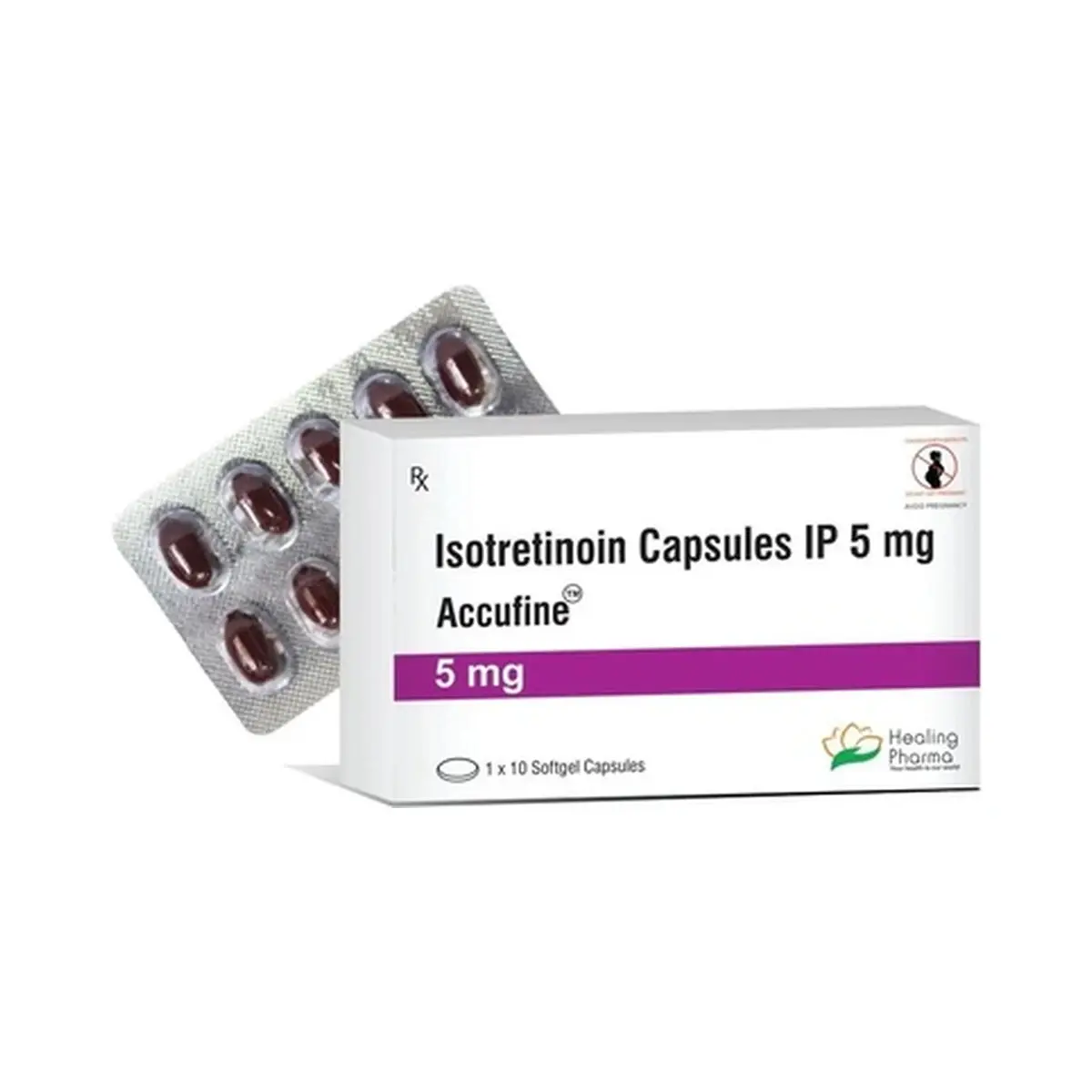
Accufine (Isotretinoin) 5 mg
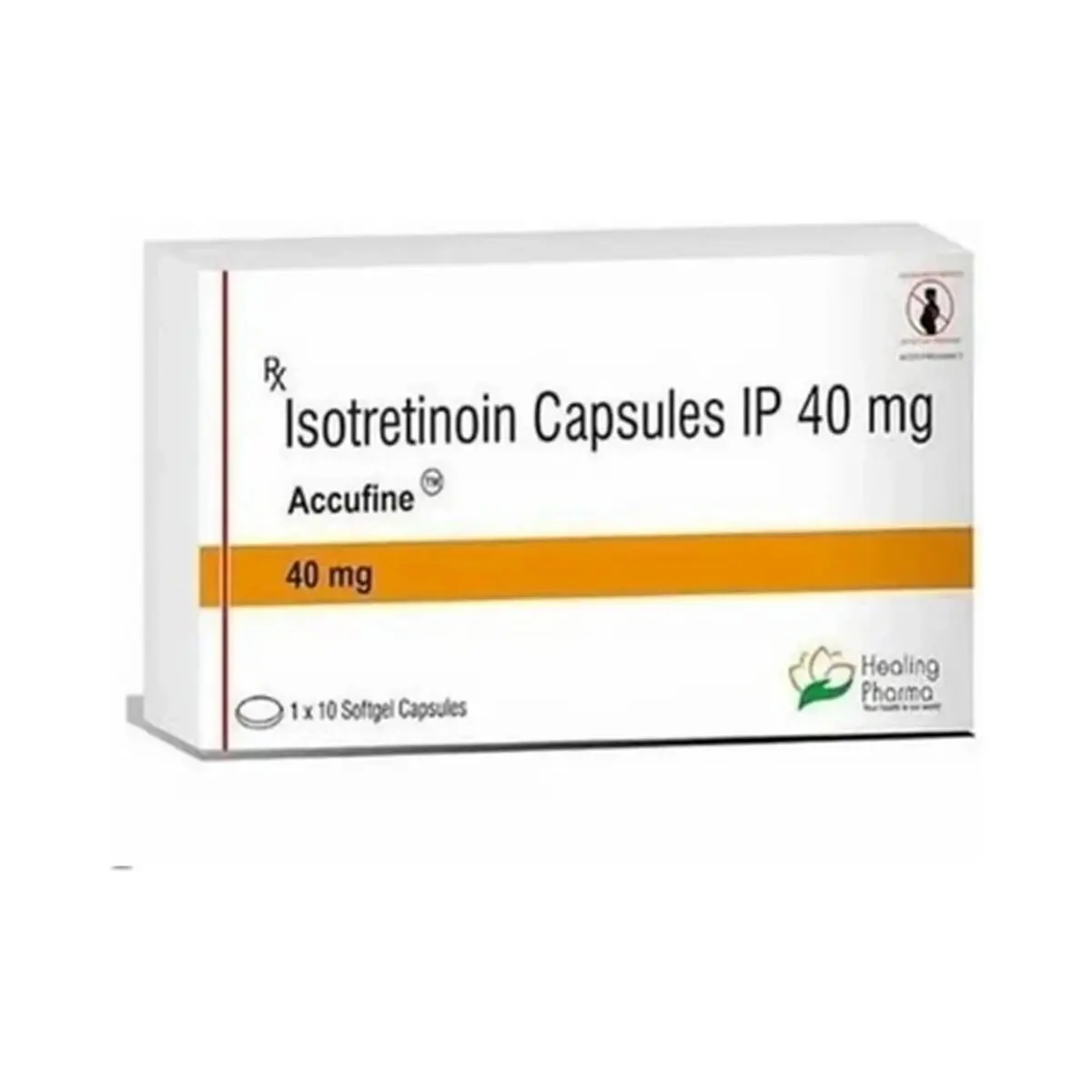
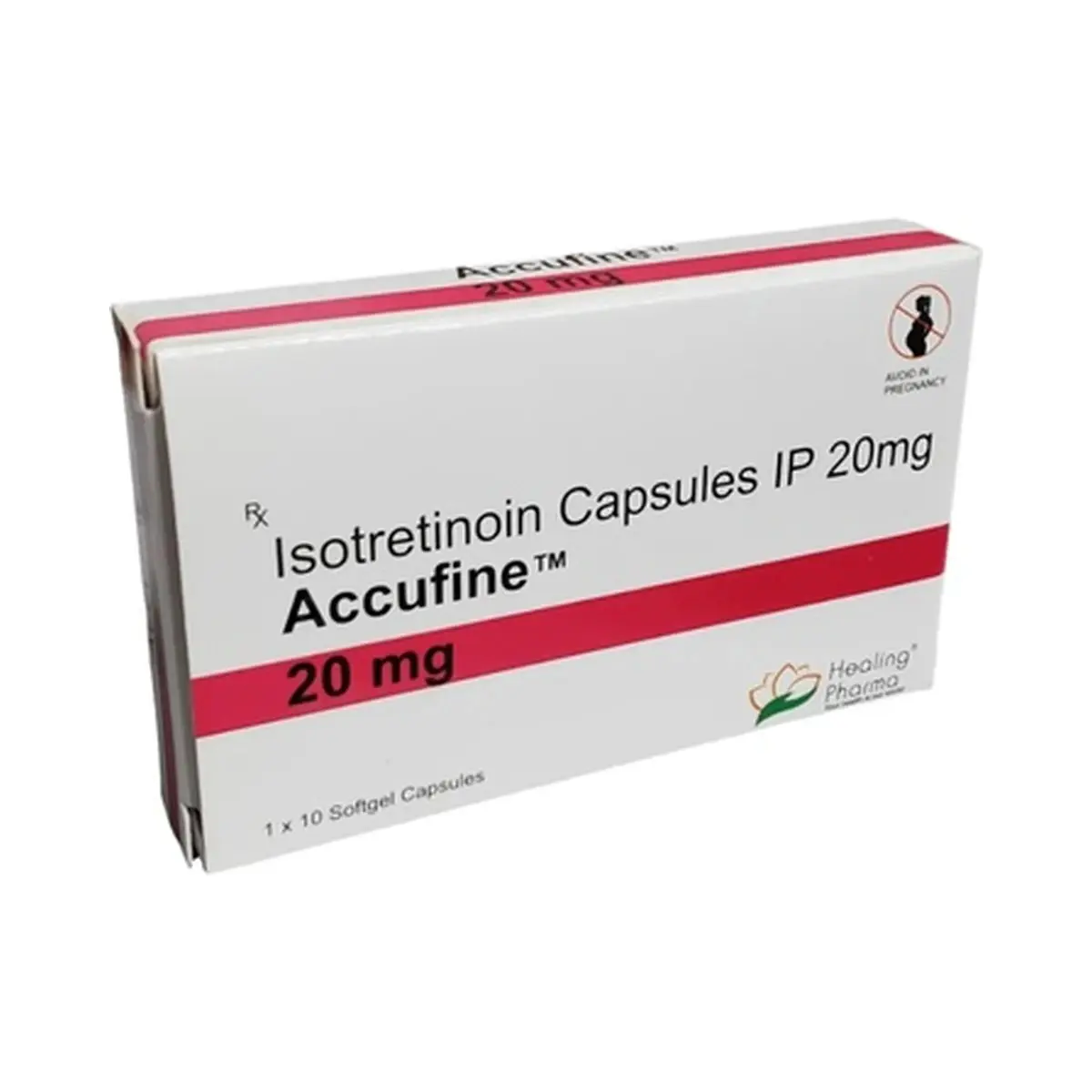
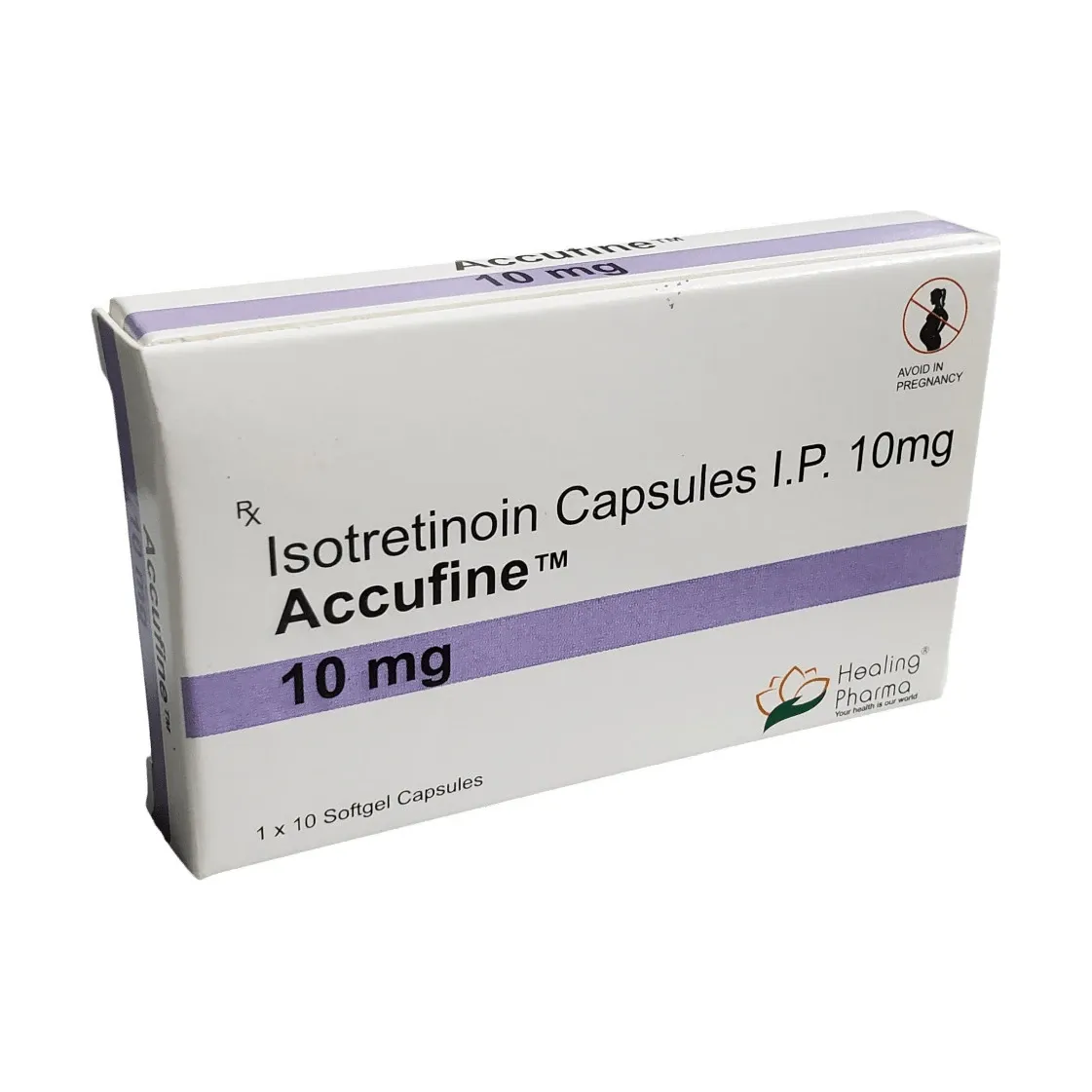
Accufine 5 mg is an oral capsule medicine containing isotretinoin, a retinoid related to vitamin A. It is used for severe acne that has not responded adequately to standard treatment. Because isotretinoin can cause serious adverse effects, it is generally reserved for carefully selected patients under specialist supervision.
Active Ingredient and Medicine Class
The verified active ingredient is isotretinoin. It belongs to the retinoid class of medicines. Retinoids are vitamin A derivatives that influence skin cell growth and differentiation, and they are used in dermatology for selected severe acne cases.
Established Medical Uses
Oral isotretinoin is established for severe forms of acne, including nodular or conglobate acne and acne with a significant risk of scarring, especially when standard therapies such as systemic antibacterials and topical treatment have not been effective. It is not a routine first-choice medicine for mild acne.
How It Works
Isotretinoin reduces the main biological factors involved in acne. It decreases sebaceous gland activity and sebum production, helps normalise the way skin cells shed inside hair follicles, and reduces the inflammatory environment that contributes to persistent acne lesions. These combined effects can lead to substantial improvement in severe acne.
Important Safety Information
Isotretinoin is strongly contraindicated in pregnancy because it can cause severe fetal harm. It is also contraindicated in people with hypersensitivity to isotretinoin or related components. Important precautions include a history of mental health problems, raised blood lipids, liver abnormalities, pancreatitis, and severe skin reactions. Clinically significant interactions include tetracycline antibiotics, which may increase the risk of intracranial hypertension, and vitamin A products, which may increase the risk of toxicity. Alcohol intake may be relevant because of the potential effect on liver and lipid monitoring.
Possible Side Effects
Common adverse effects include dry lips, dry skin, dry eyes, nosebleeds, and skin peeling. Laboratory changes such as increased triglycerides or liver enzymes can occur. More serious reactions, although less common, include severe mood changes, pancreatitis, serious skin reactions, visual problems, and symptoms of raised intracranial pressure. Any persistent or concerning symptoms require medical assessment.
Scientific Evidence
Human clinical studies and systematic reviews show that oral isotretinoin reduces acne lesion counts and can produce meaningful improvement in severe acne. Reviews also indicate that it is generally more effective than comparator treatments in appropriately selected patients, but adverse effects are common and can limit tolerability. Lower-dose strategies have been studied, but treatment decisions depend on the clinical picture and specialist guidance.
Medical Information Notice
This page is an educational summary based on sources available at the time of review. It does not replace the official patient leaflet, prescribing information, or an individual assessment by a qualified healthcare professional.
Medical Sources
- Medicines.org.uk (emc) Isotretinoin 5 mg capsules: Summary of Product Characteristics. View official prescribing information
- DailyMed / FDA label Isotretinoin capsule: Prescribing information. View official drug label
- European Medicines Agency Isotretinoin referral information. View regulatory overview
- I A Vallerand et al. Efficacy and adverse events of oral isotretinoin for acne: a systematic review. British Journal of Dermatology, 2018. View scientific article
- Edileia Bagatin et al. The use of isotretinoin for acne – an update on optimal dosing, surveillance, and adverse effects. Expert Review of Clinical Pharmacology, 2020. View scientific article