Description
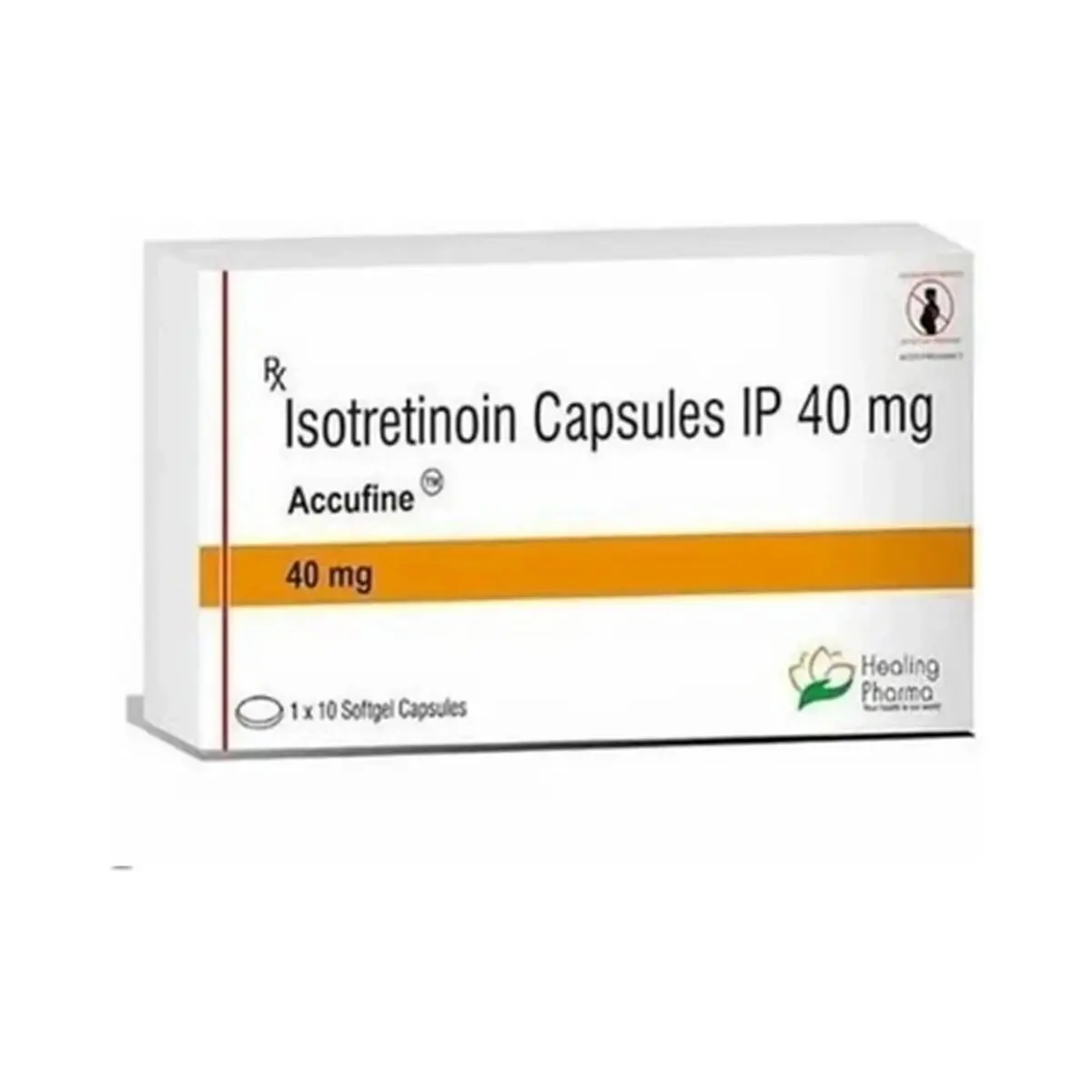
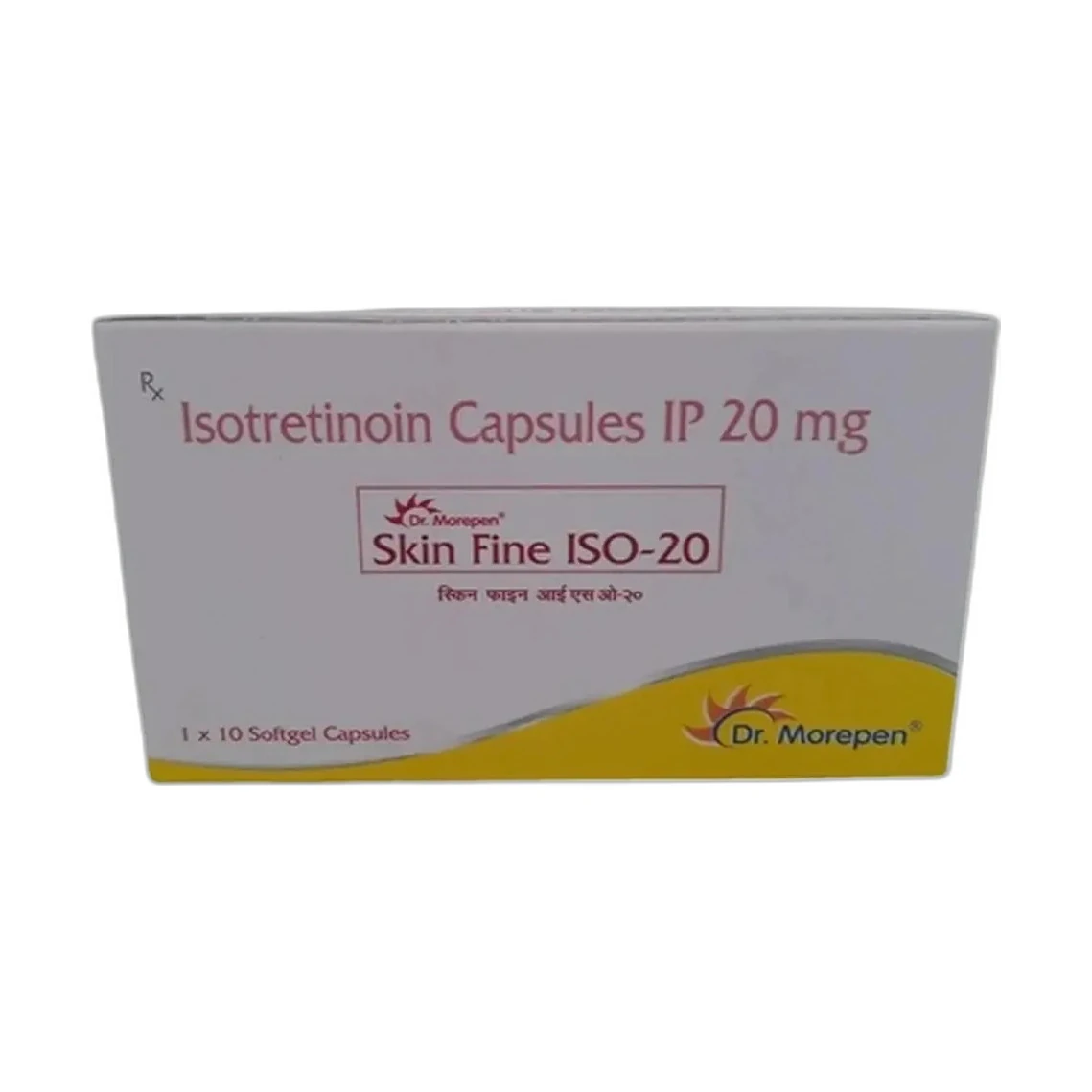
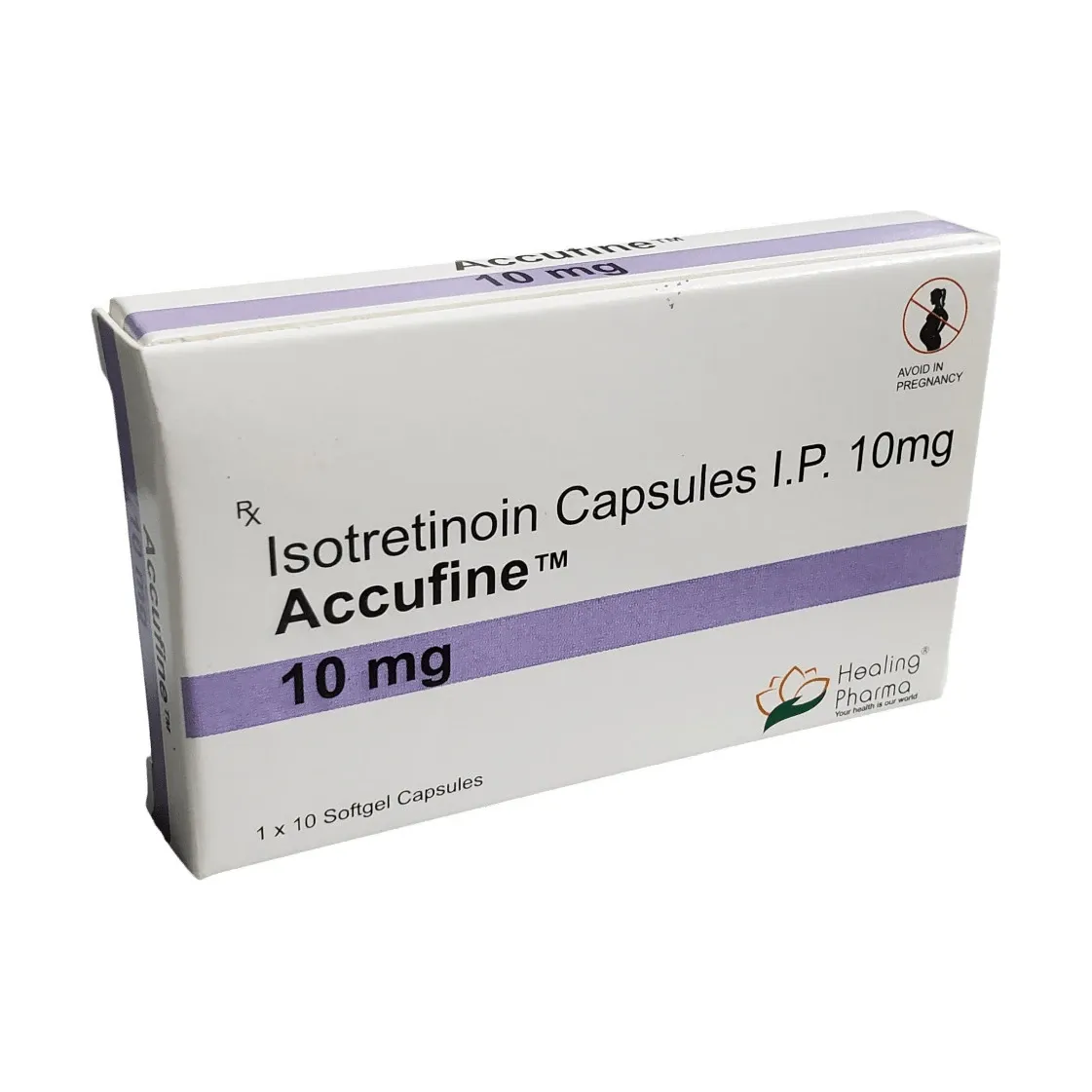
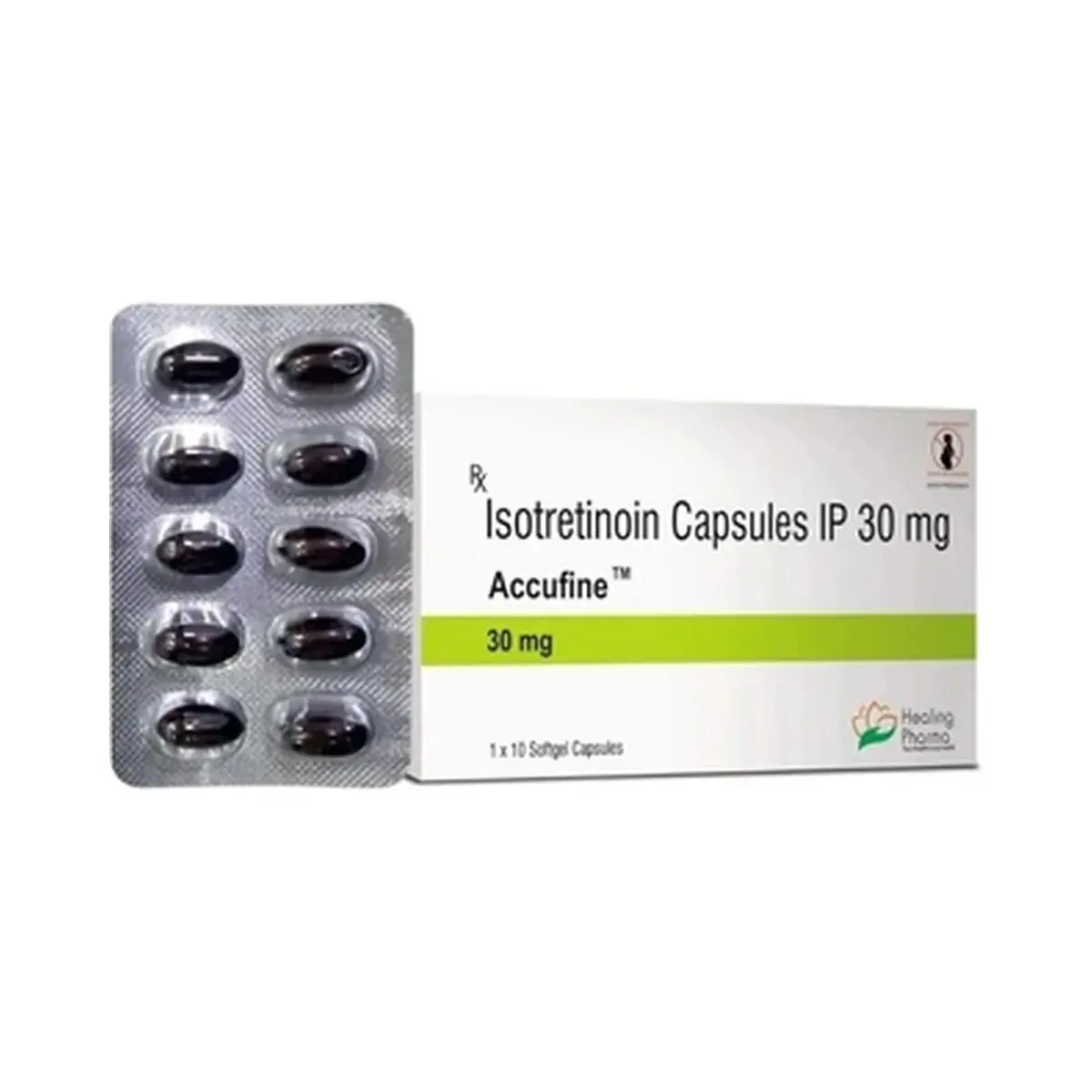
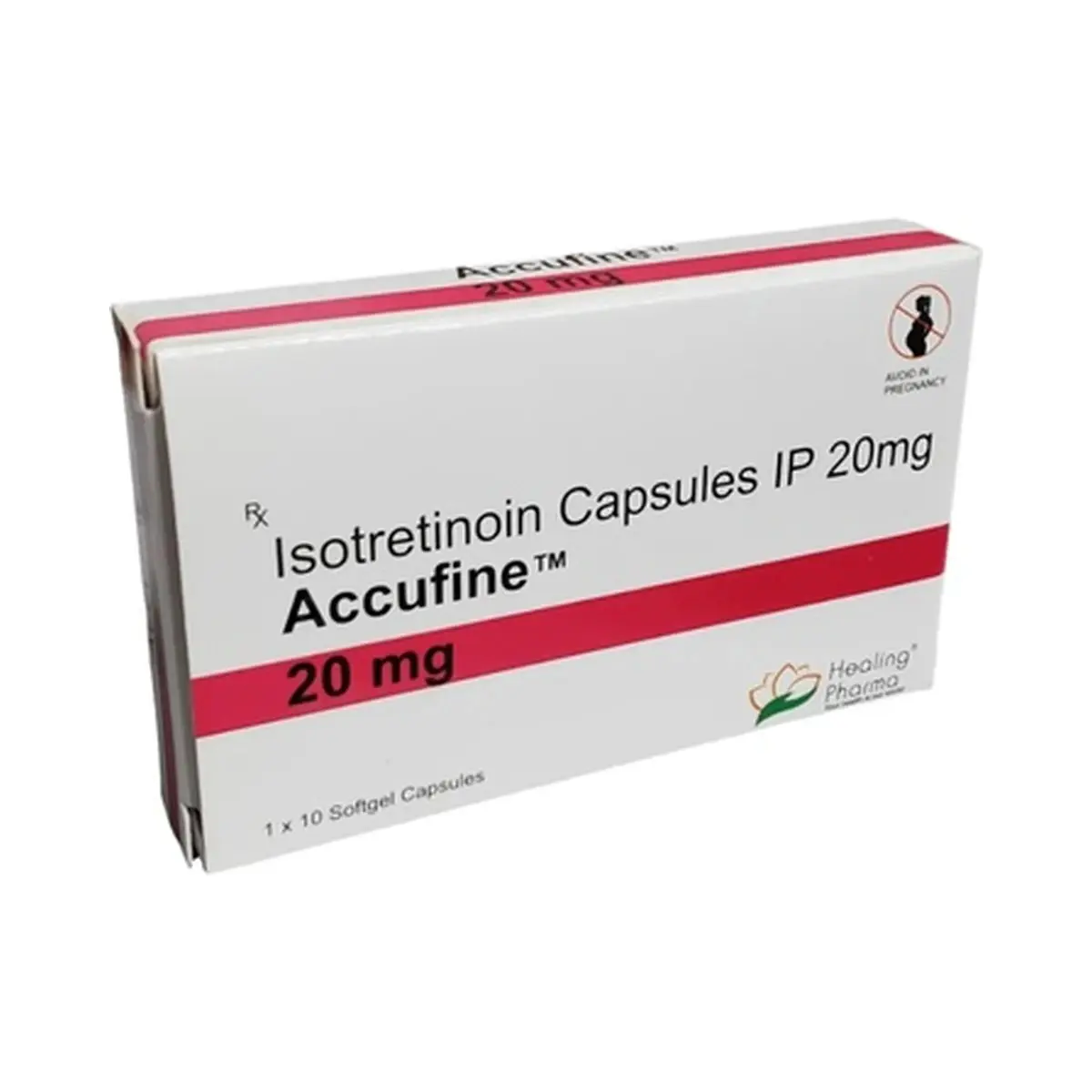
Accufine (Isotretinoin) 20 mg
Accufine 20 mg is presented as an oral capsule containing isotretinoin, a prescription retinoid used in the management of severe acne. Isotretinoin is reserved for cases where acne is extensive, stubborn, or unresponsive to standard therapies. Because this medicine can cause serious harm in pregnancy and other important adverse effects, its use is tightly controlled in official prescribing information.
Active Ingredient and Medicine Class
The verified active ingredient is isotretinoin, also known as 13-cis-retinoic acid. It belongs to the retinoid class of medicines, which are vitamin A-related compounds. In dermatology, isotretinoin is considered a systemic anti-acne agent rather than a topical treatment.
Established Medical Uses
Official prescribing information for isotretinoin capsules identifies use in severe recalcitrant nodular acne. This means acne with multiple large inflammatory nodules that has not responded adequately to conventional therapy, including systemic antibiotics. The medicine is intended for patients with significant disease burden rather than mild or routine acne.
Scientific reviews also describe isotretinoin as one of the most effective available oral treatments for severe acne vulgaris, with benefits extending beyond lesion reduction to longer-term disease control in many patients.
How It Works
Isotretinoin acts on several key factors involved in acne development. It reduces sebaceous gland activity and sebum production, helps normalise the growth and shedding of skin cells inside hair follicles, and decreases the inflammatory process that contributes to nodules and lesions. These combined effects make it especially useful in severe acne that is driven by clogged follicles, excess oil, and inflammation.
Important Safety Information
Isotretinoin is contraindicated in pregnancy because it can cause severe embryo-fetal harm. It is also contraindicated in patients with hypersensitivity to the product or its components. Official prescribing information warns about psychiatric disorders, intracranial hypertension, severe skin reactions, pancreatitis, lipid abnormalities, hepatotoxicity, inflammatory bowel disease, hearing impairment, musculoskeletal abnormalities, and ocular complications.
Important interactions include vitamin A, which may increase toxicity, and tetracyclines, which should be avoided because of the risk of intracranial hypertension. Prescribers also monitor liver function and lipid levels because laboratory abnormalities may occur during treatment.
Possible Side Effects
Common adverse effects include dry lips, dry skin, dry eyes, chapped lips, nosebleeds, back pain, joint pain, headache, dermatitis, musculoskeletal discomfort, and reduced visual acuity. Laboratory changes such as increased creatine kinase may also occur.
Serious reactions, although less common, can include pregnancy-related fetal harm, elevated blood lipids, pancreatitis, mood-related or psychiatric symptoms, severe skin reactions, liver injury, vision problems, and intracranial hypertension. Any concerning symptoms require prompt clinical assessment.
Scientific Evidence
Human evidence supports isotretinoin as a highly effective treatment for severe acne, with systematic reviews showing meaningful improvement in inflammatory lesions and prolonged remission in many patients. Contemporary clinical reviews also note that its benefits must be balanced against predictable mucocutaneous adverse effects and the major teratogenic risk. Research on the exact mechanism continues, but the central clinical effect remains suppression of acne activity through action on sebaceous glands, follicular keratinisation, and inflammation.
Medical Information Notice
This summary is provided for educational purposes only and reflects sources available at the time of review. It does not replace the official patient leaflet, full prescribing information, or an individual assessment by a qualified healthcare professional.
Medical Sources
- DailyMed / U.S. prescribing information. Isotretinoin capsules, for oral use. View official prescribing information
- Haady Fallah et al. Isotretinoin in the management of acne vulgaris: practical prescribing. International Journal of Dermatology, 2021. View scientific article
- I A Vallerand et al. Efficacy and adverse events of oral isotretinoin for acne: a systematic review. British Journal of Dermatology, 2018. View scientific article