Description
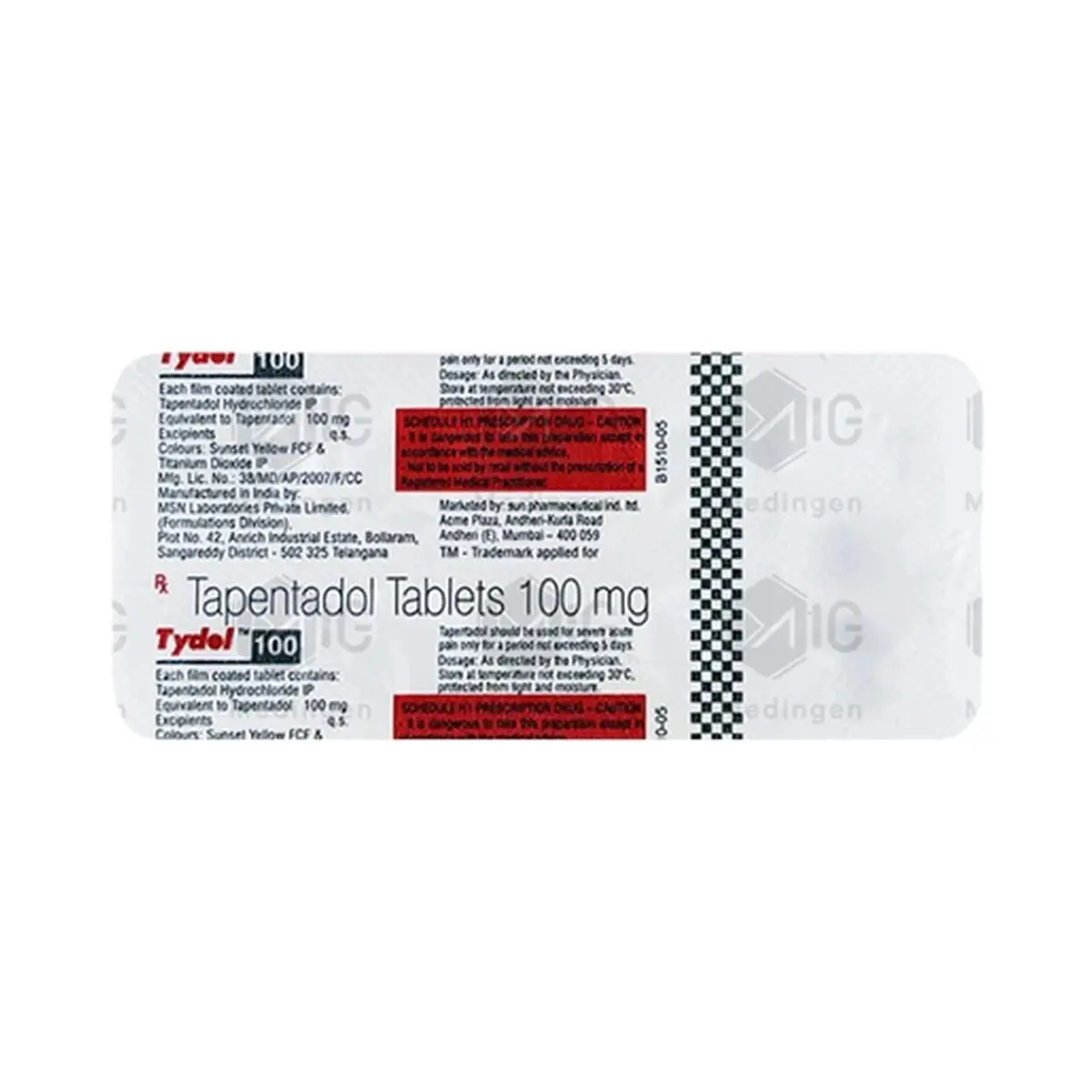
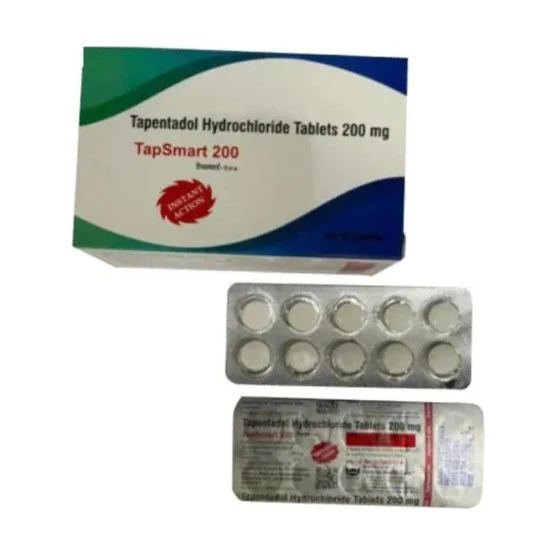
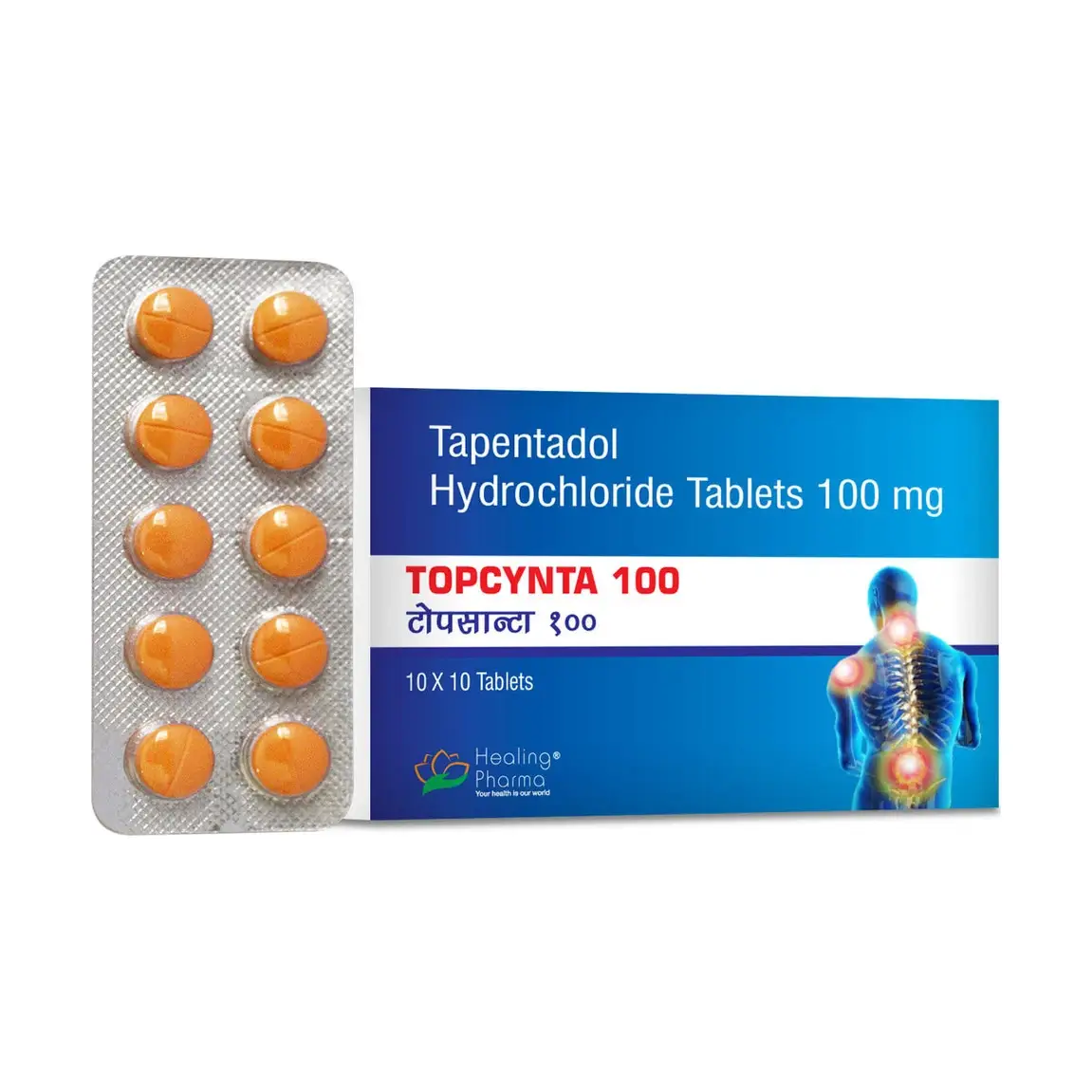
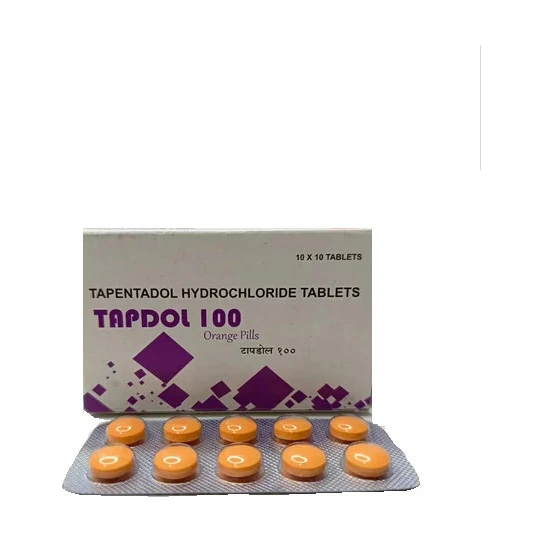
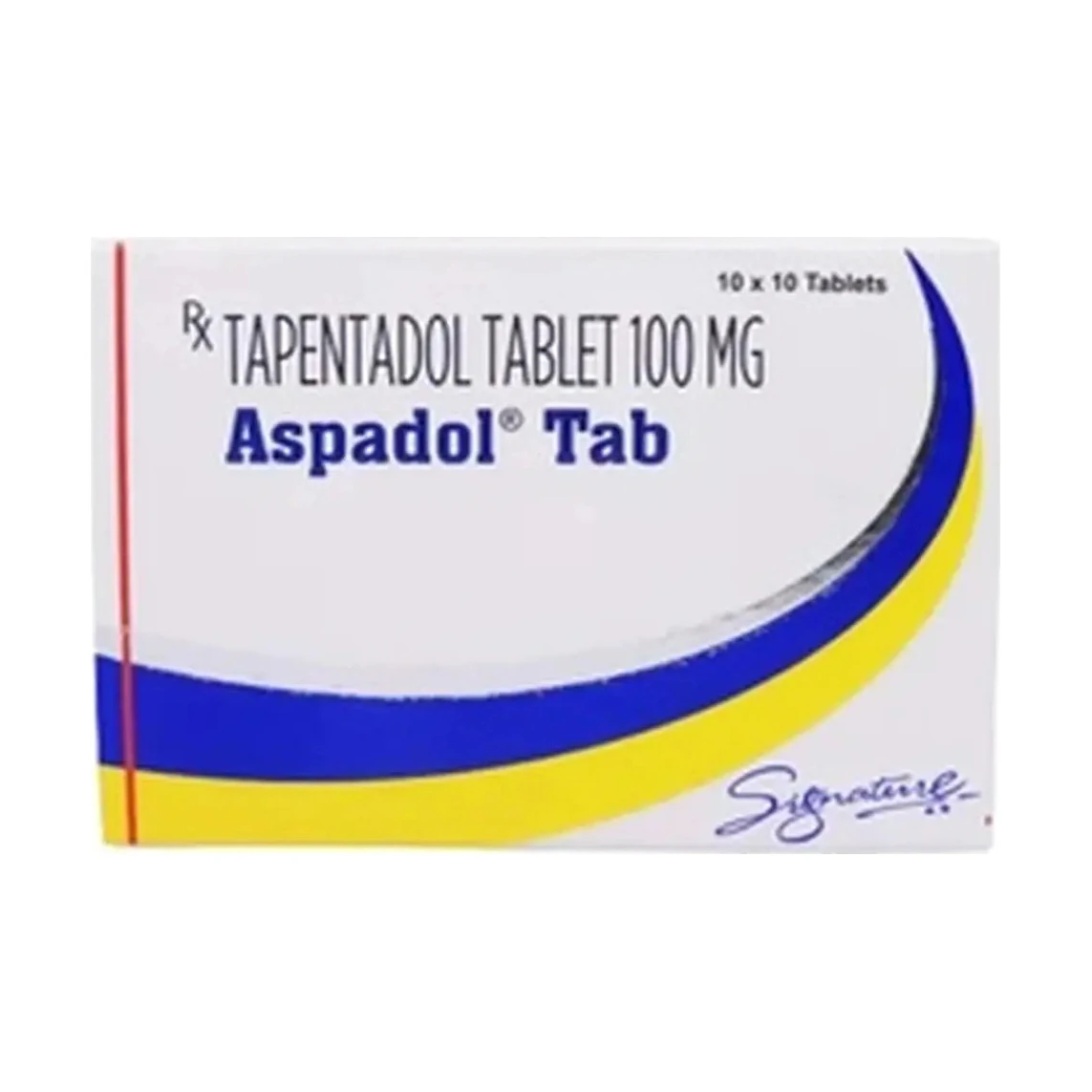
Aspadol (Tapentadol) 100 mg
Aspadol 100 mg is a brand name associated with tapentadol, an opioid analgesic used for pain relief. Tapentadol is a centrally acting medicine with opioid and non-opioid pain-relieving activity. Verification is based on tapentadol prescribing information and peer-reviewed literature describing the active ingredient and class.
Active Ingredient and Medicine Class
The verified active ingredient is tapentadol 100 mg. Tapentadol is a centrally acting opioid analgesic and a mu-opioid receptor agonist with norepinephrine reuptake inhibition (often described as MOR-NRI).
Established Medical Uses
Official prescribing information for tapentadol tablets supports use for moderate to severe acute pain in immediate-release oral tablets. Peer-reviewed reviews also describe its use in moderate to severe pain settings, including chronic pain formulations in some markets. The exact approved indication depends on the country and product formulation.
How It Works
Tapentadol relieves pain through two main mechanisms. It activates mu-opioid receptors, which reduces pain signaling in the central nervous system, and it inhibits norepinephrine reuptake, which strengthens descending pain-inhibiting pathways. This dual action is the basis for its analgesic effect.
Important Safety Information
Tapentadol should not be used in people with significant respiratory depression, acute or severe bronchial asthma in an unmonitored setting, known or suspected gastrointestinal obstruction, hypersensitivity to tapentadol, or current or recent MAOI use. Important precautions include the risks of addiction, abuse, misuse, and life-threatening respiratory depression. Clinically significant interactions may occur with other central nervous system depressants and with serotonergic medicines, where serotonin syndrome is a concern. Caution is also needed in patients with conditions that reduce respiratory reserve.
Possible Side Effects
Common adverse effects include nausea, vomiting, constipation, dizziness, sleepiness, headache, and itching. More serious reactions can include respiratory depression, low blood pressure, confusion, seizures, serotonin syndrome, and severe allergic reactions. As with other opioids, dependence and withdrawal can occur.
Scientific Evidence
Peer-reviewed reviews describe tapentadol as a centrally acting analgesic with a dual mechanism that may support pain control across different pain types. Clinical and review data suggest analgesic efficacy in moderate to severe pain, with tolerability that may differ from classic opioids because of its norepinephrine reuptake inhibition and relatively limited serotonergic activity. Safety reviews and post-marketing analyses confirm the need for standard opioid precautions, especially for respiratory depression and interactions with other sedating or serotonergic drugs.
Medical Information Notice
This page is an educational summary based on sources available at the time of review and does not replace the official patient leaflet or individual professional assessment.
Medical Sources
- U.S. Food and Drug Administration (FDA): NUCYNTA (tapentadol) tablets for oral use, prescribing information
- Craig T Hartrick et al.: “Tapentadol for pain: a treatment evaluation,” Expert Opinion on Pharmacotherapy, 2012. PubMed