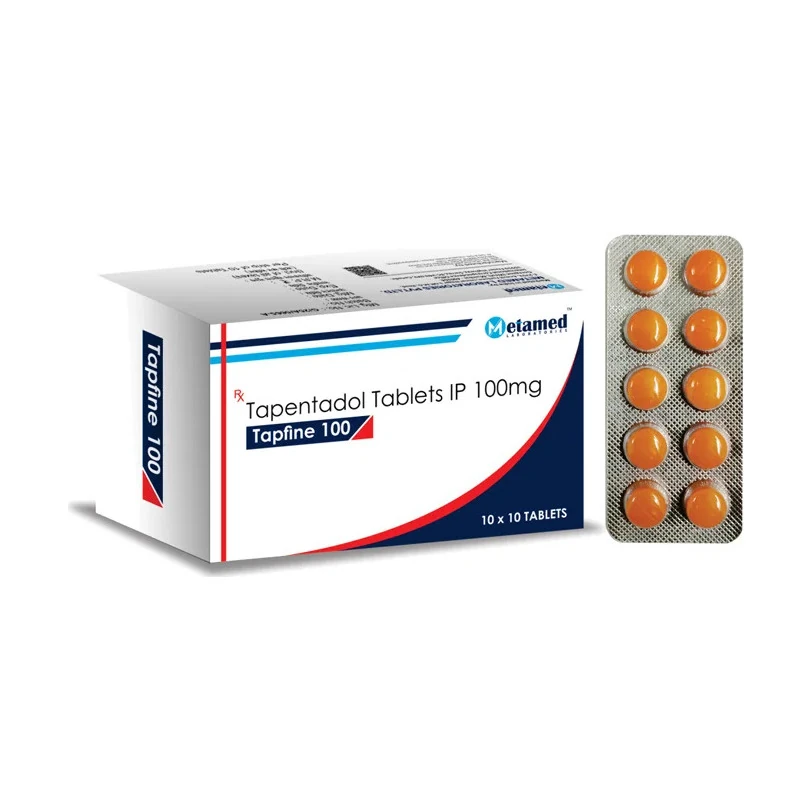
Description
Tapfine (tapentadol) 100 mg
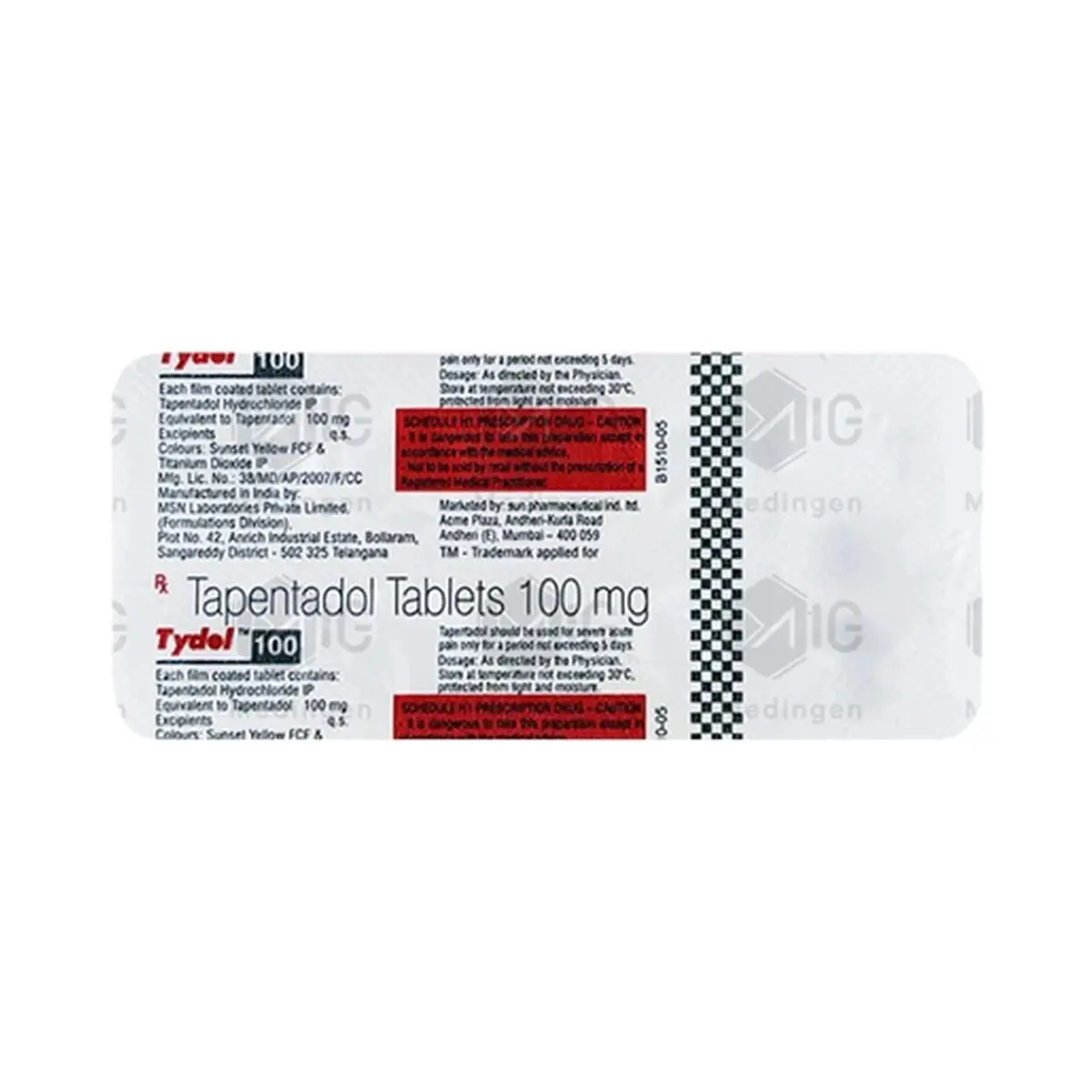
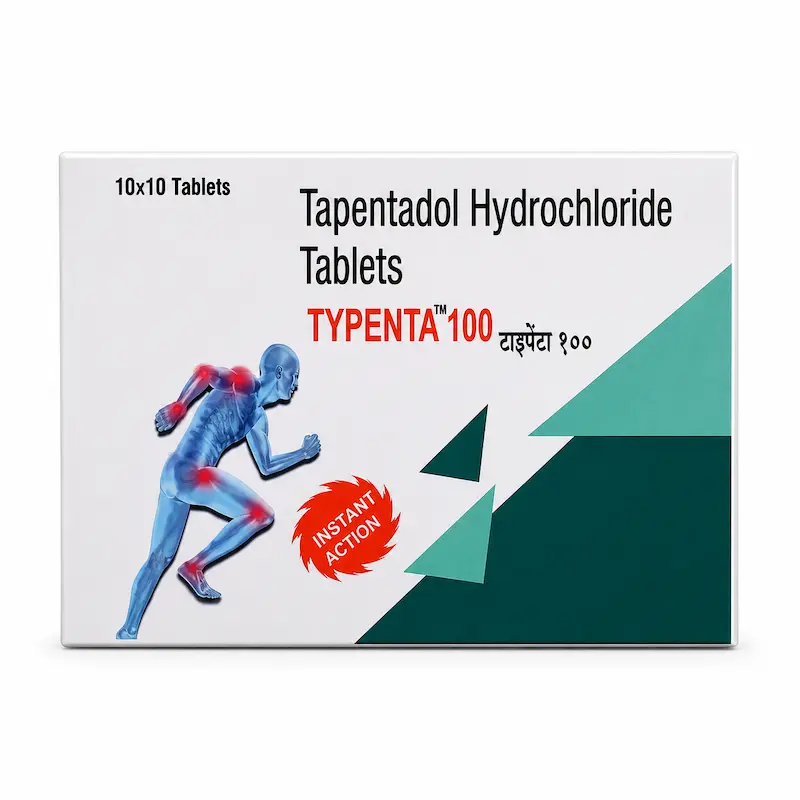
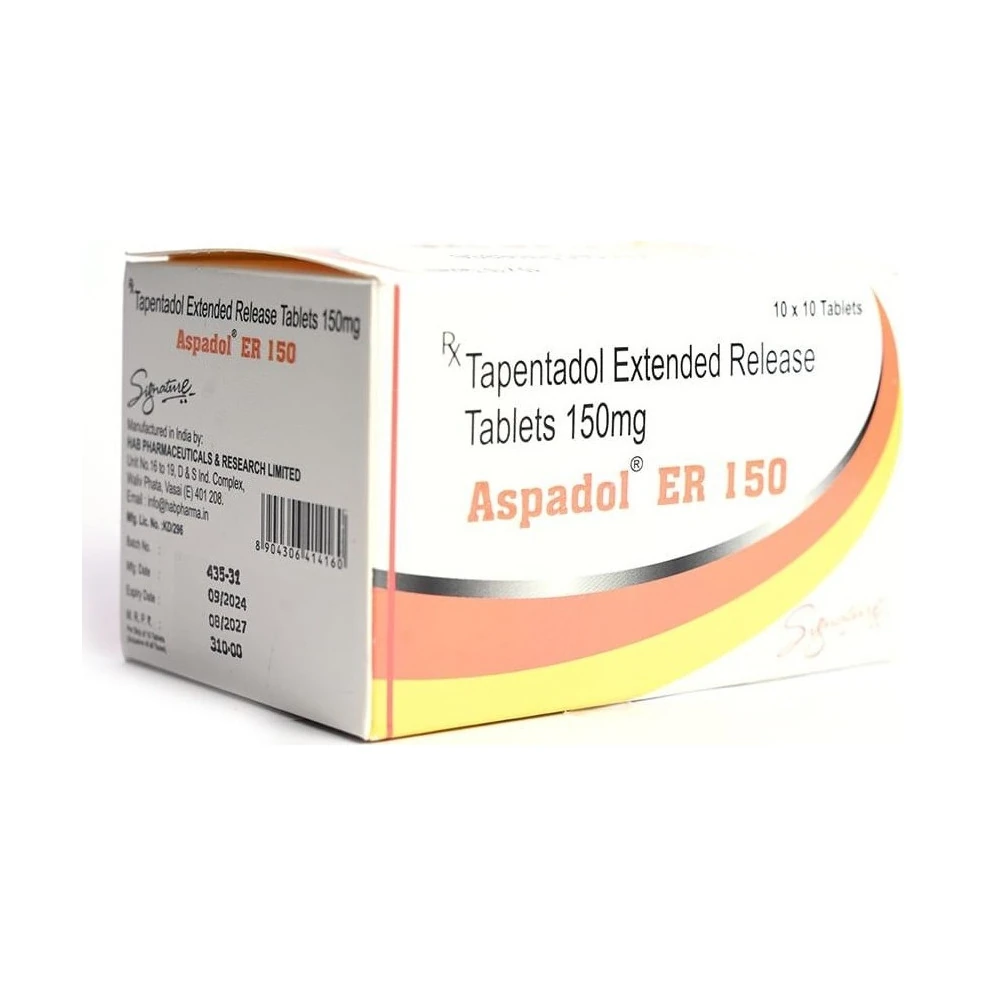
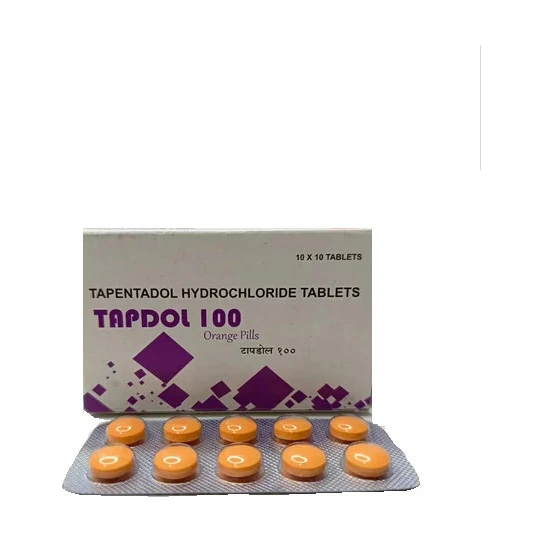
Tapfine 100 mg is a brand-name presentation of tapentadol, an opioid analgesic used for pain relief. The verified product identity supports tapentadol 100 mg as the active ingredient.
Active Ingredient and Medicine Class
Tapentadol is a centrally acting analgesic in the opioid class. It has two recognised pharmacological actions: mu-opioid receptor agonism and noradrenaline reuptake inhibition. These combined actions contribute to its analgesic effect.
Established Medical Uses
Official prescribing information for tapentadol tablets identifies use in the management of acute pain severe enough to require an opioid analgesic when alternative treatments are inadequate. Tapentadol has also been studied in moderate to severe pain states, including some chronic and neuropathic pain settings, but approved indications vary by country and product.
How It Works
Tapentadol reduces pain signals in the central nervous system. Its opioid activity decreases pain perception, while noradrenaline reuptake inhibition helps strengthen descending pain-inhibitory pathways. This dual mechanism is one reason it has been developed as a non-classic opioid analgesic.
Important Safety Information
Tapentadol is an opioid and carries clinically important risks including addiction, abuse, misuse, respiratory depression, and withdrawal. It is contraindicated in patients with significant respiratory depression, acute or severe bronchial asthma in an unmonitored setting, known or suspected gastrointestinal obstruction, hypersensitivity to tapentadol, and concurrent use of monoamine oxidase inhibitors or use within the previous 14 days.
Important interaction concerns include other central nervous system depressants such as benzodiazepines, alcohol, and sedating medicines, which can increase the risk of excessive sedation and breathing problems. Caution is also needed in patients with seizure risk and in those with low blood pressure or reduced gastrointestinal motility.
Possible Side Effects
Common adverse effects reported with tapentadol include nausea, dizziness, vomiting, somnolence, constipation, headache, and pruritus. More serious reactions can include respiratory depression, severe sedation, hypotension, anaphylaxis, seizures, and signs of opioid dependence or withdrawal.
Scientific Evidence
Peer-reviewed reviews describe tapentadol as a centrally acting analgesic with dual opioid and noradrenergic activity. Clinical and post-marketing literature supports analgesic efficacy in pain treatment and suggests a gastrointestinal tolerability profile that may be better than some traditional opioids in selected settings, although opioid-class risks remain clinically important.
Medical Information Notice
This summary is for educational purposes only and is based on sources available at the time of review. It does not replace the official patient leaflet, product label, or individual assessment by a qualified healthcare professional.
Medical Sources
- DailyMed — Tapentadol tablets, prescribing information
- FDA — NUCYNTA (tapentadol) tablets for oral use, prescribing information
- Schmidt H, et al. — “Tapentadol hydrochloride: a next-generation, centrally acting analgesic with two mechanisms of action in a single molecule” — PubMed