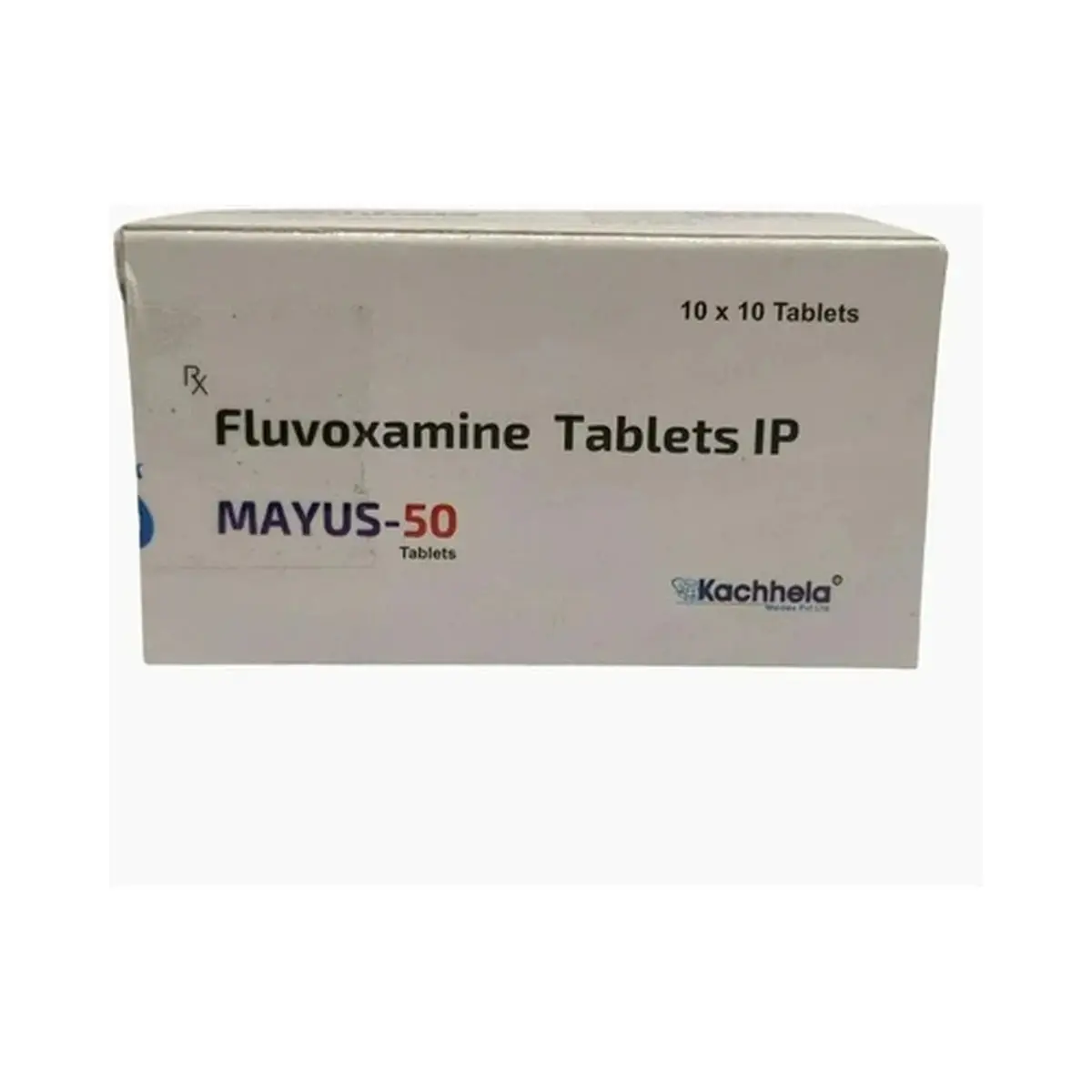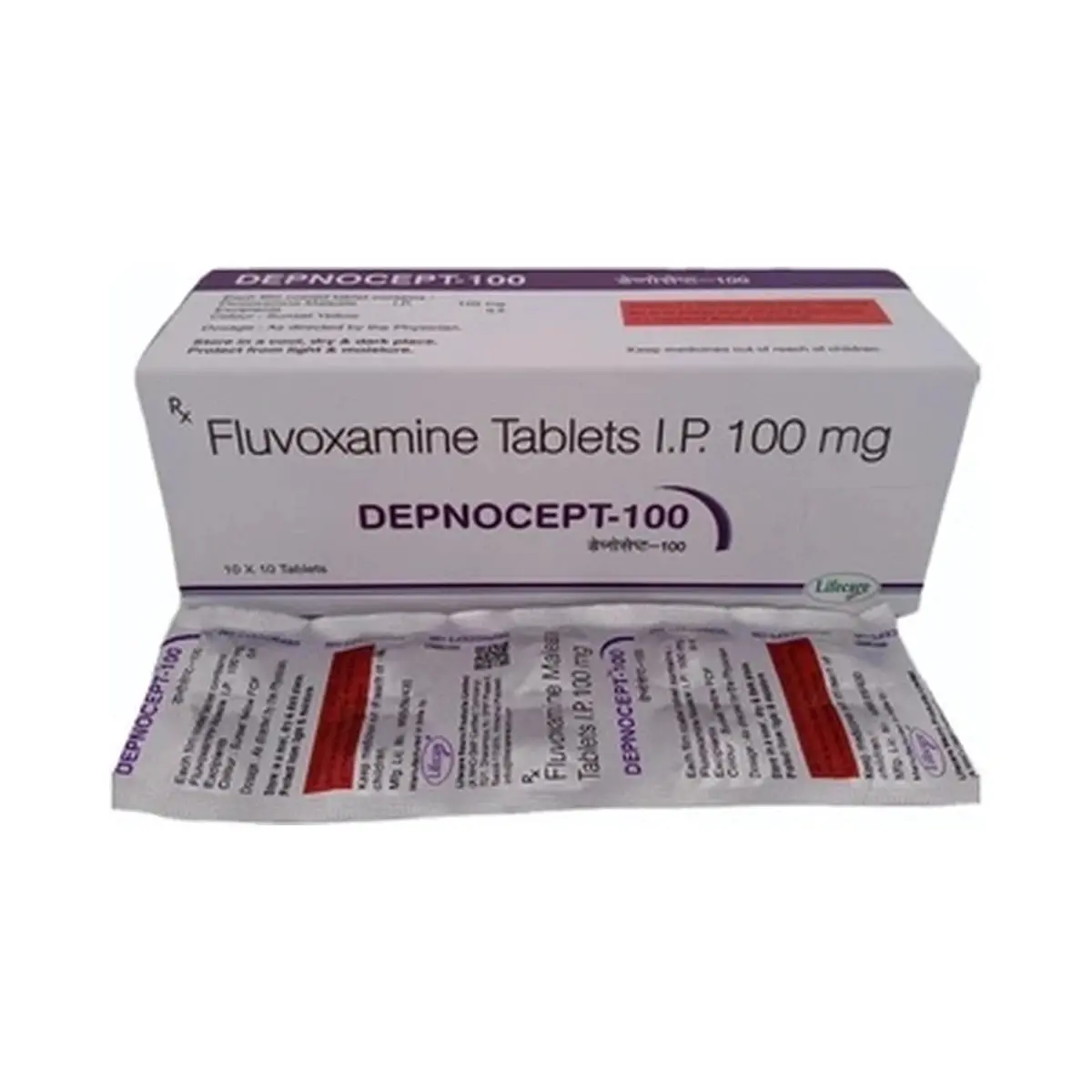
Description
Depnocept (Fluvoxamine) 100 mg
Depnocept 100 mg is listed here as a fluvoxamine medicine. Fluvoxamine is a selective serotonin reuptake inhibitor, or SSRI, used in psychiatric care. The verified information below is based on established prescribing information for fluvoxamine maleate tablets and supporting scientific literature.
Active Ingredient and Medicine Class
The active ingredient is fluvoxamine maleate. It belongs to the SSRI class of antidepressants. SSRIs increase serotonin signaling in the brain by reducing serotonin reuptake, which can help relieve obsessive thoughts, compulsive behaviours and depressive symptoms in appropriately selected patients.
Established Medical Uses
Official prescribing information in the United States identifies fluvoxamine maleate tablets for the treatment of obsessions and compulsions in patients with obsessive-compulsive disorder (OCD). Scientific reviews also describe fluvoxamine as an established SSRI used in depressive illness in some settings, but approved indications vary by country and product. Any use beyond the official label depends on local regulatory status and clinical judgment.
How It Works
Fluvoxamine primarily blocks the reuptake of serotonin into nerve cells, which increases serotonin availability in the brain. This mechanism is consistent with the broader SSRI class and is thought to underlie its benefit in OCD and depression. Fluvoxamine also has clinically relevant effects on drug-metabolizing enzymes, which helps explain many of its interaction warnings.
Important Safety Information
Fluvoxamine should not be used with monoamine oxidase inhibitors, including linezolid or intravenous methylene blue, because of the risk of serotonin syndrome. It is also contraindicated with certain medicines such as alosetron, ramelteon and pimozide in U.S. labeling. Clinically important precautions include the risk of serotonin syndrome with other serotonergic drugs, increased bleeding risk with NSAIDs, aspirin and anticoagulants, possible angle-closure glaucoma in predisposed patients, hyponatremia, seizures, activation of mania or hypomania, and discontinuation symptoms if treatment is stopped abruptly. Fluvoxamine inhibits several cytochrome P450 enzymes, including CYP1A2, CYP2C9, CYP3A4 and CYP2C19, so many drug interactions are possible.
Possible Side Effects
Common adverse effects reported in controlled studies include nausea, somnolence, insomnia, asthenia, nervousness, dyspepsia, abnormal ejaculation, sweating, anorexia, tremor and vomiting. Other reported effects include dry mouth, decreased libido, rhinitis, taste disturbance and urinary frequency. Serious adverse reactions can include serotonin syndrome, severe allergic reactions, suicidal thoughts or behaviour in younger patients, mania, seizures and low sodium levels.
Scientific Evidence
Human studies and reviews support fluvoxamine as an effective SSRI for OCD, with evidence of symptom improvement in placebo-controlled trials and broader reviews of anti-obsessional treatment. Reviews of antidepressant therapy also describe fluvoxamine as an established SSRI with recognised efficacy in depression in some patient populations, while comparative evidence suggests its overall antidepressant effectiveness is broadly similar to that of other SSRIs. Its clinical profile is shaped by both serotonin reuptake inhibition and a notable interaction burden.
Medical Information Notice
This page is an educational summary based on sources available at the time of review. It does not replace the official patient leaflet, full prescribing information or individual medical assessment by a qualified healthcare professional.
Medical Sources
- DailyMed / U.S. prescribing information. Fluvoxamine maleate tablets, oral use. View official medicine label
- U.S. Food and Drug Administration. Fluvoxamine Maleate Tablets, prescribing information. View FDA label PDF
- Stefano Pallanti et al. Treatment of depression with selective serotonin inhibitors: the role of fluvoxamine. International Journal of Psychiatry in Clinical Practice, 2007. View scientific article
- S A Montgomery et al. Fluvoxamine in the treatment of obsessive compulsive disorder. International Clinical Psychopharmacology, 1992. View scientific article