Description
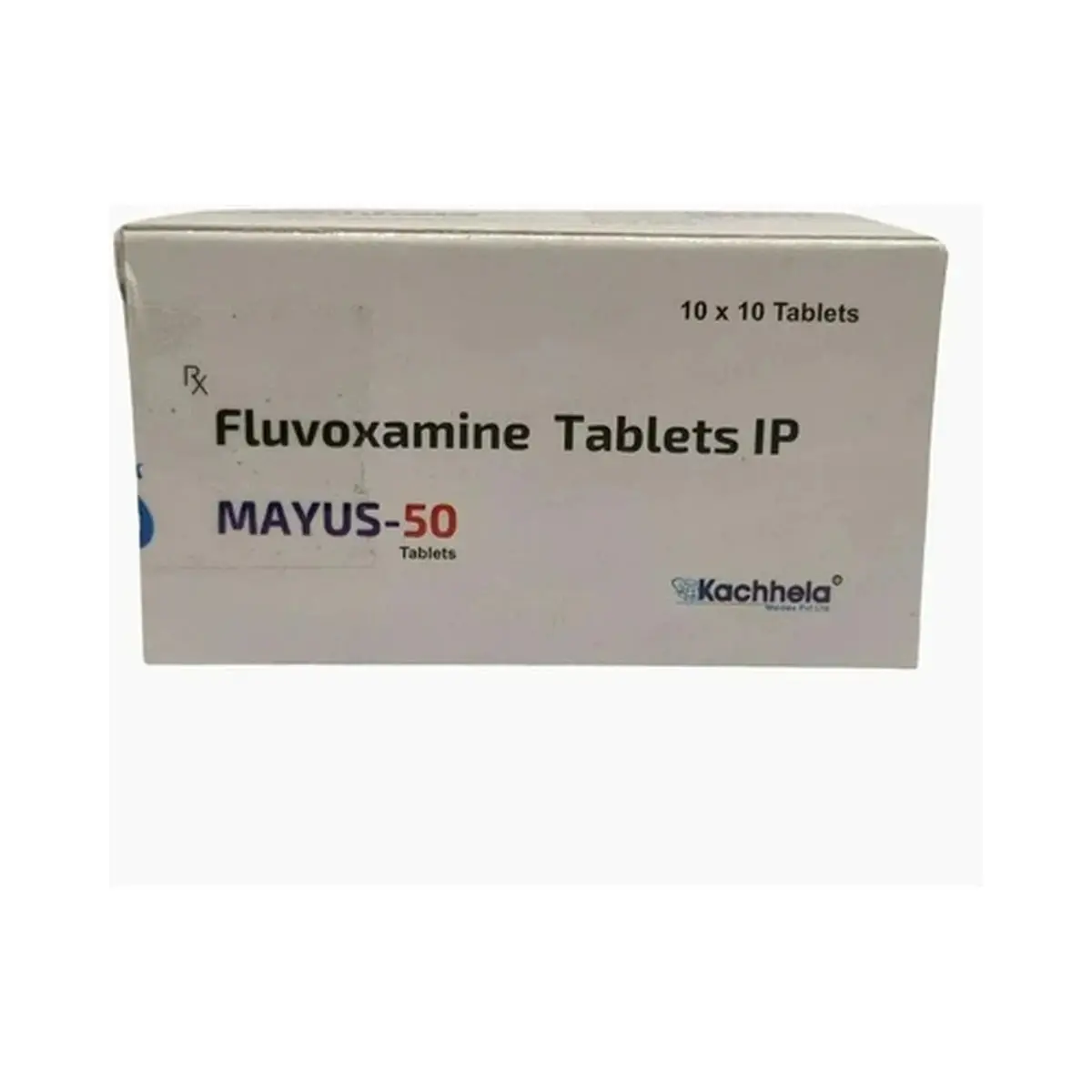
Mayus (Fluvoxamine) 50 mg
Mayus 50 mg is a tablet containing fluvoxamine maleate, a selective serotonin reuptake inhibitor (SSRI). The product is used as an oral prescription medicine for obsessive-compulsive disorder, and the verified active ingredient is fluvoxamine. Established regulatory information identifies this medicine as a fluvoxamine tablet formulation for oral use.
Active Ingredient and Medicine Class
Active ingredient: fluvoxamine maleate.
Medicine class: SSRI antidepressant.
Fluvoxamine increases serotonin signalling in the brain by inhibiting serotonin reuptake. It is also known to inhibit several liver enzymes involved in drug metabolism, which is clinically important because it can raise the levels of some other medicines.
Established Medical Uses
Official prescribing information identifies fluvoxamine tablets for the treatment of obsessions and compulsions in patients with obsessive-compulsive disorder (OCD). The evidence base used for approval includes controlled clinical studies in adults, and the medicine is also referenced in prescribing information for pediatric OCD use.
Although fluvoxamine has been studied in depression and other psychiatric conditions, the verified labeled indication in the available regulatory sources is OCD. Any other use should be considered only under professional medical assessment.
How It Works
Fluvoxamine works by blocking the reuptake of serotonin, a chemical messenger involved in mood, anxiety, and repetitive thoughts and behaviours. By keeping more serotonin available between nerve cells, it can reduce obsessive thoughts and compulsive rituals over time. As with other SSRIs, its effects are not immediate and clinical benefit typically develops gradually.
Important Safety Information
Fluvoxamine has several important contraindications and interaction risks. It should not be used with monoamine oxidase inhibitors (MAOIs) because of the risk of serotonin syndrome, and it should not be used with certain medicines including tizanidine and pimozide. Prescribing information also warns against clinically significant interactions with thioridazine, alosetron, and a range of serotonergic medicines.
Important precautions include the risk of serotonin syndrome, possible worsening of mood symptoms or suicidality in younger patients, angle-closure glaucoma in susceptible individuals, increased bleeding risk, seizures, hyponatremia, and activation of mania or hypomania in people with bipolar disorder. Because fluvoxamine affects several metabolic pathways, interactions with other medicines are a major safety consideration.
Possible Side Effects
Common adverse effects reported in clinical trials include nausea, somnolence, insomnia, asthenia, nervousness, dyspepsia, sweating, tremor, vomiting, and decreased appetite. Sexual side effects such as abnormal ejaculation, anorgasmia, and decreased libido may also occur.
Serious but less common reactions can include serotonin syndrome, severe allergic reactions, significant bleeding, seizures, low sodium levels, and severe skin reactions. Not every patient will experience these effects, but they are important to recognise early.
Scientific Evidence
Controlled clinical trials and reviews support the use of fluvoxamine for obsessive-compulsive disorder. In adult studies, patients receiving fluvoxamine showed greater improvement in obsessive-compulsive symptoms than those receiving placebo. Review literature also describes fluvoxamine as one of the better-studied SSRIs for OCD and notes its clinical usefulness in reducing obsessive-compulsive symptoms.
Scientific publications also highlight the need to manage drug interactions carefully, because fluvoxamine can affect the metabolism of other medicines. This interaction profile is a major part of its clinical use and safety monitoring.
Medical Information Notice
This page is an educational summary based on authoritative sources available at the time of review. It is not a substitute for the official patient leaflet, the full prescribing information, or an individual assessment by a qualified healthcare professional.
Medical Sources
- U.S. Food and Drug Administration Fluvoxamine Maleate Tablets, Full Prescribing Information. View official prescribing information
- DailyMed Fluvoxamine Maleate Tablets, Highlights and Prescribing Information. View official drug label
- T L Perse et al. Fluvoxamine treatment of obsessive-compulsive disorder. American Journal of Psychiatry, 1987. View scientific article
- W K Goodman et al. Fluvoxamine in the treatment of obsessive-compulsive disorder and related conditions. Journal of Clinical Psychiatry, 1997. View scientific article