Description
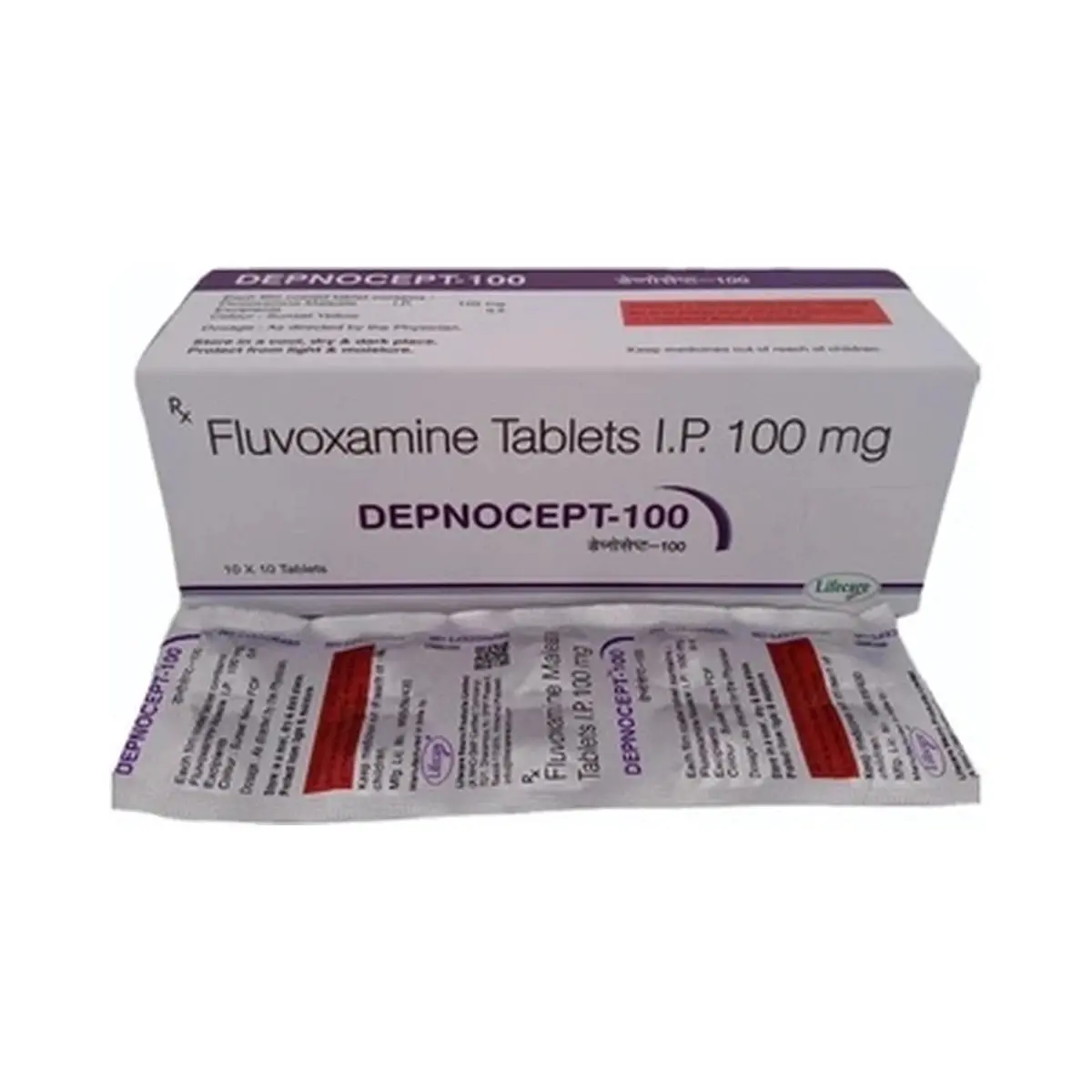
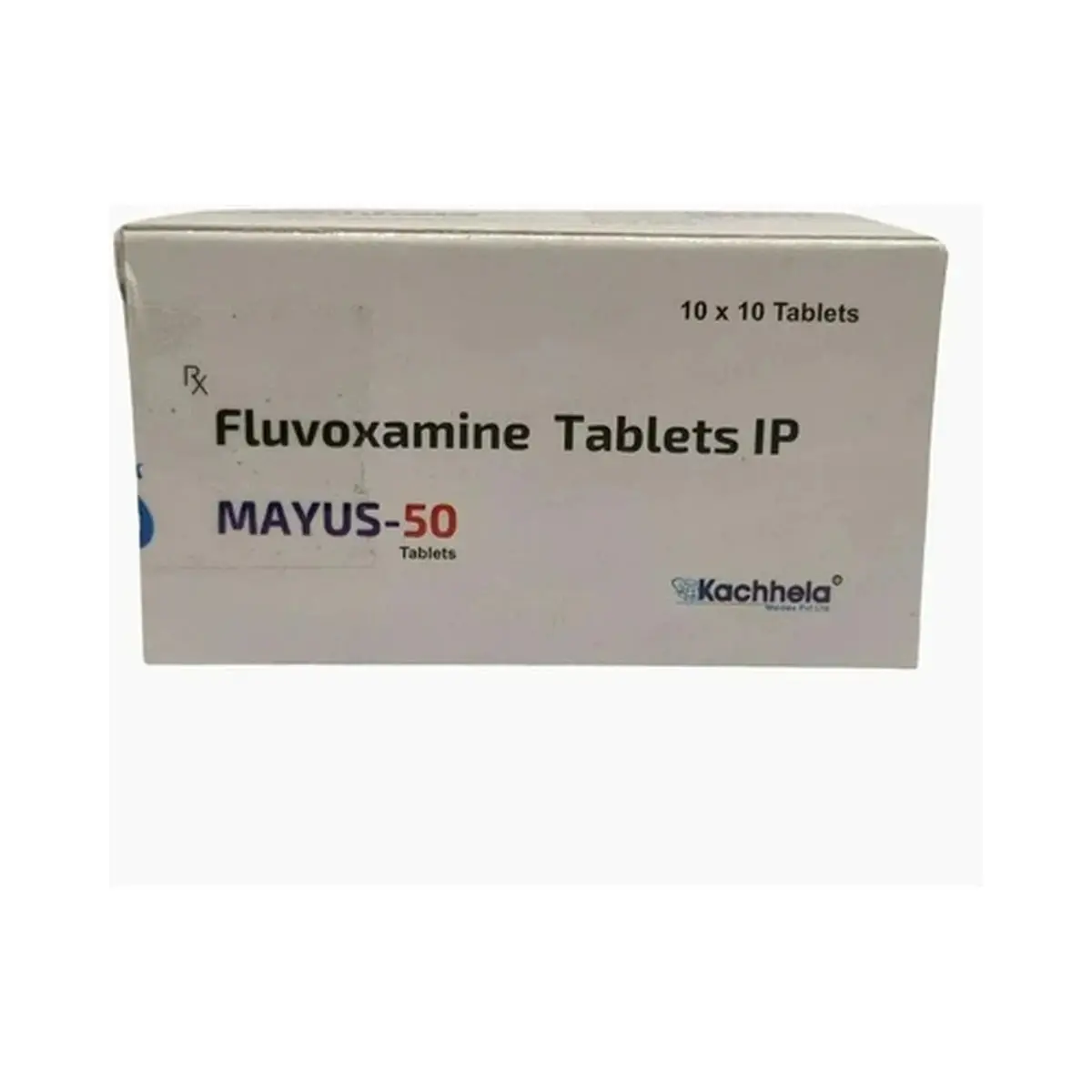
Depnocept (Fluvoxamine) 50 mg
Depnocept 50 mg is identified here as a tablet containing fluvoxamine maleate, a selective serotonin reuptake inhibitor (SSRI). In official prescribing information for fluvoxamine maleate tablets, the established labeled use is treatment of obsessive-compulsive disorder (OCD). Fluvoxamine is also discussed in the scientific literature as an antidepressant with broader research interest in anxiety-related conditions and depression, but those uses may vary by country and by regulatory approval status.
Active Ingredient and Medicine Class
The verified active ingredient is fluvoxamine maleate. It belongs to the SSRI class of antidepressants. SSRIs work by increasing serotonin signaling in the brain through inhibition of serotonin reuptake transporters. This mechanism is thought to contribute to its therapeutic effect in obsessive-compulsive symptoms and, in broader psychiatric research, in depressive and anxiety disorders.
Established Medical Uses
According to official prescribing information, fluvoxamine maleate tablets are indicated for the treatment of obsessions and compulsions in patients with obsessive-compulsive disorder. The labeling describes evidence from controlled trials in adults and in pediatric patients with OCD. In scientific reviews, fluvoxamine has also been evaluated for depression and some anxiety disorders, but these uses should be distinguished from the product’s labeled indication and may not apply in every market.
How It Works
Fluvoxamine is a potent inhibitor of serotonin reuptake in brain neurons. By blocking the serotonin transporter, it helps increase the availability of serotonin in synaptic spaces. This is the same broad pharmacological pathway used by other SSRIs, although individual medicines differ in their interaction profiles and additional receptor effects. The labeled mechanism for OCD is described as being linked to this specific serotonin reuptake inhibition.
Important Safety Information
Fluvoxamine carries an antidepressant boxed warning related to suicidal thinking and behavior in children, adolescents, and young adults. It should not be used together with monoamine oxidase inhibitors, and the labeling also lists important contraindications with tizanidine, thioridazine, pimozide, and alosetron. Clinically significant interactions are a major concern because fluvoxamine inhibits several cytochrome P450 enzymes, including CYP1A2, CYP2C9, CYP3A4, and CYP2C19. This can raise exposure to other medicines that are metabolized by these pathways. Caution is also warranted with serotonergic agents because of serotonin syndrome risk, and with anticoagulants, aspirin, and NSAIDs because of increased bleeding risk. The label also warns about angle-closure glaucoma, seizures, hyponatremia, mania or hypomania, and discontinuation symptoms.
Possible Side Effects
Common adverse effects reported with fluvoxamine include nausea, somnolence, insomnia, asthenia, nervousness, dyspepsia, sweating, anorexia, tremor, and vomiting. Other reported effects include dry mouth, abnormal ejaculation, decreased libido, dizziness, agitation, and sleepiness. More serious reactions can include serotonin syndrome, severe allergic reactions, abnormal bleeding, low sodium, seizures, and significant changes in mood or behavior. Sexual dysfunction is also a recognized SSRI-related adverse effect.
Scientific Evidence
Clinical trials in OCD established efficacy in adult and pediatric patients, and maintenance data support ongoing benefit in responders. Review literature also suggests that fluvoxamine has antidepressant efficacy comparable to several other antidepressants in major depression, while its distinct pharmacological profile may be relevant to patients with comorbid anxiety symptoms. Evidence for broader psychiatric uses should still be interpreted cautiously, because results vary by condition, study design, and comparator treatment.
Medical Information Notice
This page is an educational summary based on authoritative sources available at the time of review. It does not replace the official patient leaflet, regulatory prescribing information, or an individual assessment by a qualified healthcare professional.
Medical Sources
- U.S. Food and Drug Administration / DailyMed. Fluvoxamine Maleate Tablets, full prescribing information and Medication Guide. View official prescribing information
- Stefano Pallanti et al. Treatment of depression with selective serotonin inhibitors: the role of fluvoxamine. International Journal of Psychiatry in Clinical Practice, 2007. View scientific article
- Luiz Henrique Junqueira Dieckmann et al. An Overview of the Systematic Reviews About the Efficacy of Fluvoxamine on Depression. Pharmaceuticals (Basel), 2025. View scientific article