Description
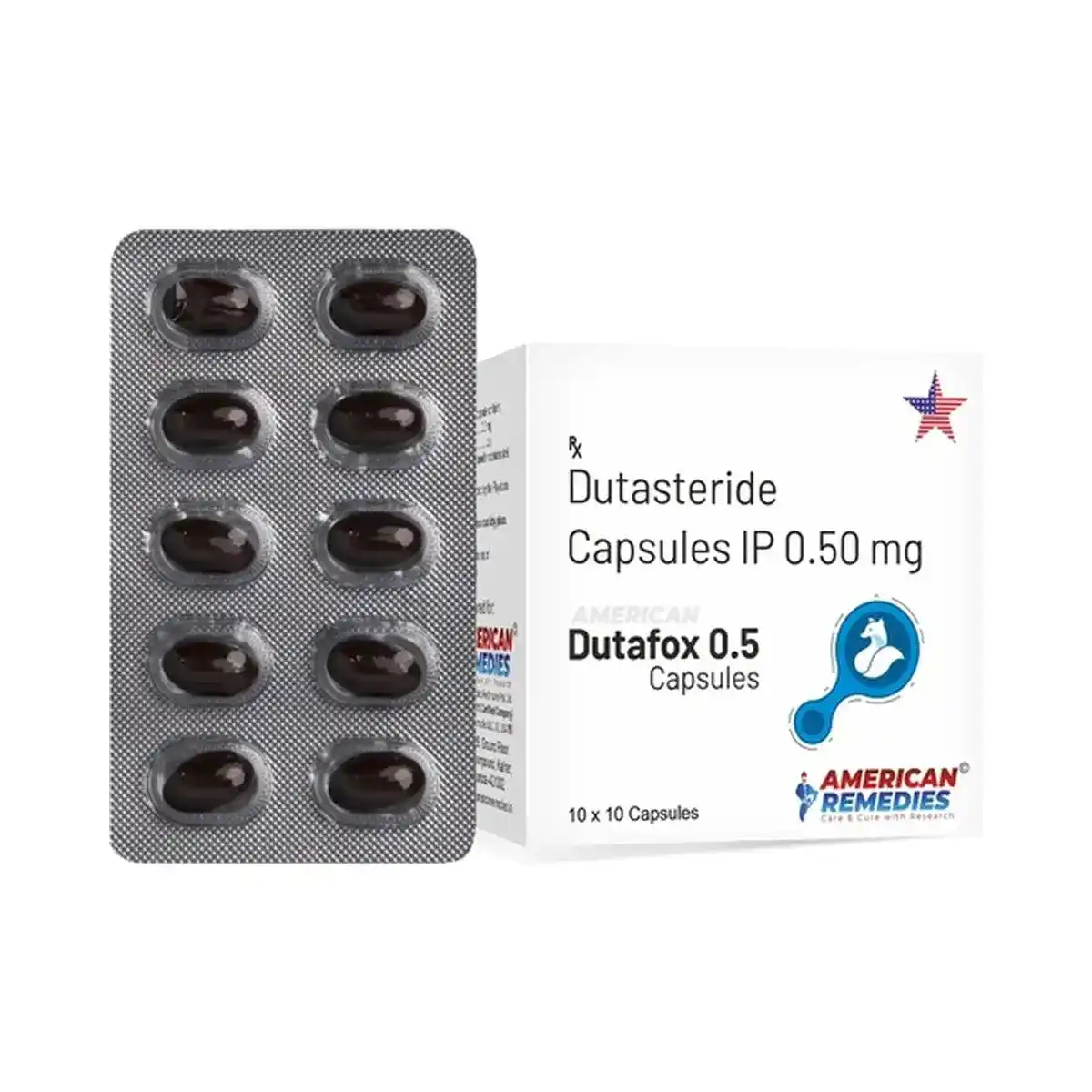
Dutaheal (Dutasteride) 0.5 mg
Dutaheal 0.5 mg is a dutasteride medicine listing. Verified prescribing information describes dutasteride as an oral soft gelatin capsule containing 0.5 mg of dutasteride. It is used in adult men with symptomatic benign prostatic hyperplasia (BPH) and an enlarged prostate.
Active Ingredient and Medicine Class
The active ingredient is dutasteride. It belongs to the 5-alpha-reductase inhibitor class. Dutasteride inhibits both type 1 and type 2 isoforms of 5-alpha-reductase, which lowers conversion of testosterone to dihydrotestosterone (DHT).
Established Medical Uses
Dutasteride is established for the treatment of symptomatic benign prostatic hyperplasia in men with an enlarged prostate. Official prescribing information states that it is used to improve urinary symptoms, reduce the risk of acute urinary retention, and reduce the risk of BPH-related surgery. In some settings, it is also used together with tamsulosin for symptomatic BPH in men with enlarged prostates.
How It Works
Dutasteride reduces DHT, a hormone that contributes to prostate growth. By lowering DHT over time, the medicine can help reduce prostate volume and lessen obstruction-related urinary symptoms. Its effects develop gradually rather than immediately because hormone suppression and prostate shrinkage occur over time.
Important Safety Information
Dutasteride is contraindicated in pregnancy and in women of childbearing potential because of the risk of harm to a male fetus. It is also contraindicated in pediatric patients. Prescribing information advises caution with potent, chronic CYP3A4 inhibitors such as ritonavir, because these may increase dutasteride exposure. Dutasteride also lowers serum PSA, so PSA interpretation may require clinical attention, and any confirmed PSA rise during treatment should be evaluated. It is not approved for prostate cancer prevention.
Possible Side Effects
The most commonly reported adverse effects include impotence/erectile dysfunction, decreased libido, ejaculation disorders, and breast disorders such as enlargement or tenderness. Dizziness has been reported more often when dutasteride is combined with tamsulosin. Less common but important concerns include breast changes that warrant medical evaluation and possible persistence of some sexual adverse effects after treatment discontinuation.
Scientific Evidence
Clinical studies and meta-analyses show that dutasteride improves urinary symptom scores, increases urinary flow, and reduces prostate volume in men with BPH. Evidence also supports a reduction in the risk of acute urinary retention and BPH-related surgery in appropriately selected patients. Reviews note that benefits are generally greater over longer treatment periods and that sexual adverse effects occur more often than with placebo. Human trial data also show that combination therapy with an alpha blocker can improve symptom control compared with alpha-blocker monotherapy in some men.
Medical Information Notice
This page is an educational summary based on sources available at the time of review. It does not replace the official patient leaflet, product label, or an individual assessment by a qualified healthcare professional.
Medical Sources
- U.S. Food and Drug Administration / DailyMed Dutasteride capsule prescribing information. View official prescribing information
- U.S. Food and Drug Administration Dutasteride capsules labeling. View FDA label document
- Taehwan Park et al. Efficacy and safety of dutasteride for the treatment of symptomatic benign prostatic hyperplasia (BPH): a systematic review and meta-analysis. World Journal of Urology, 2014. View scientific article
- Andrew Thomson Dutasteride: an evidence-based review of its clinical impact in the treatment of benign prostatic hyperplasia. Core Evidence, 2005. View scientific article