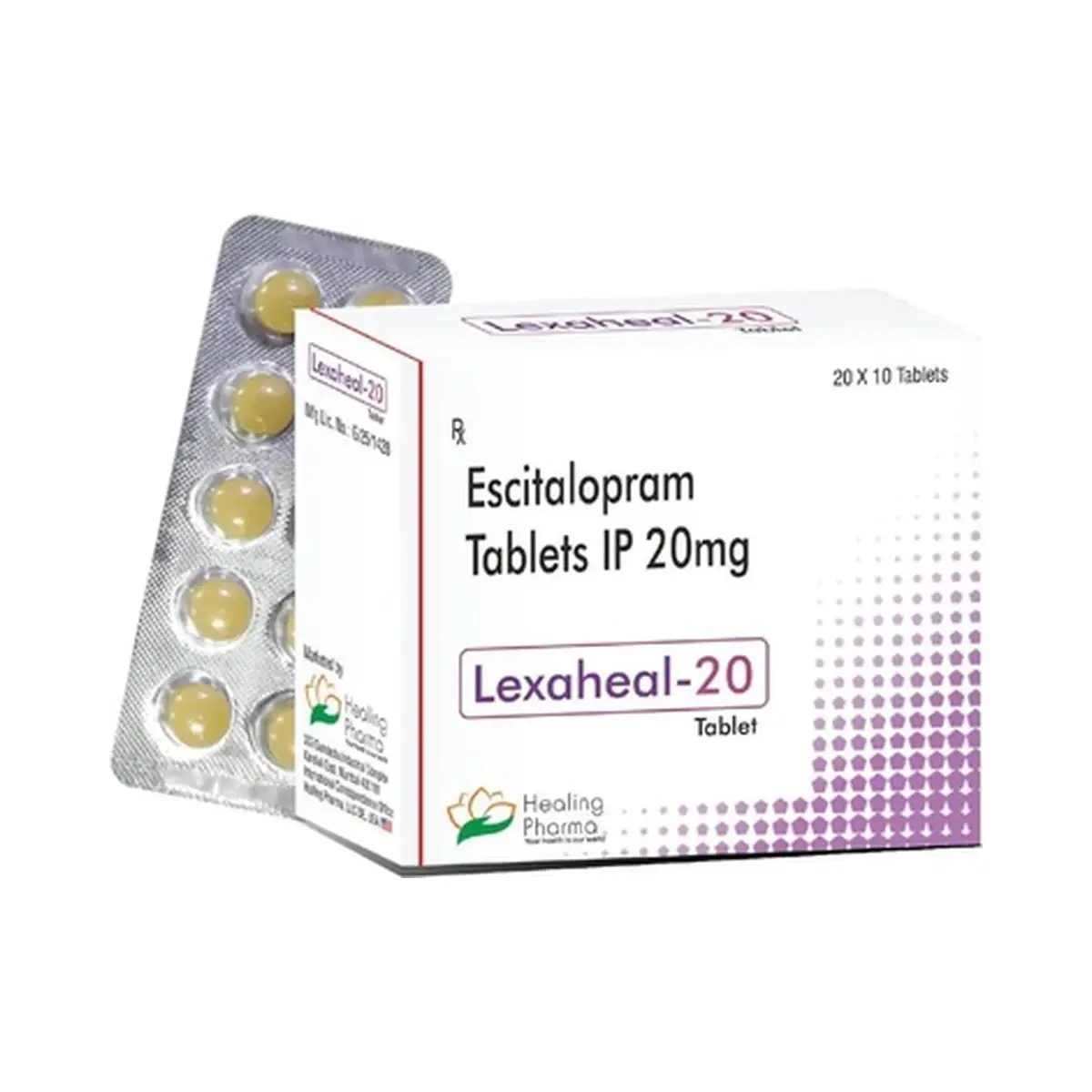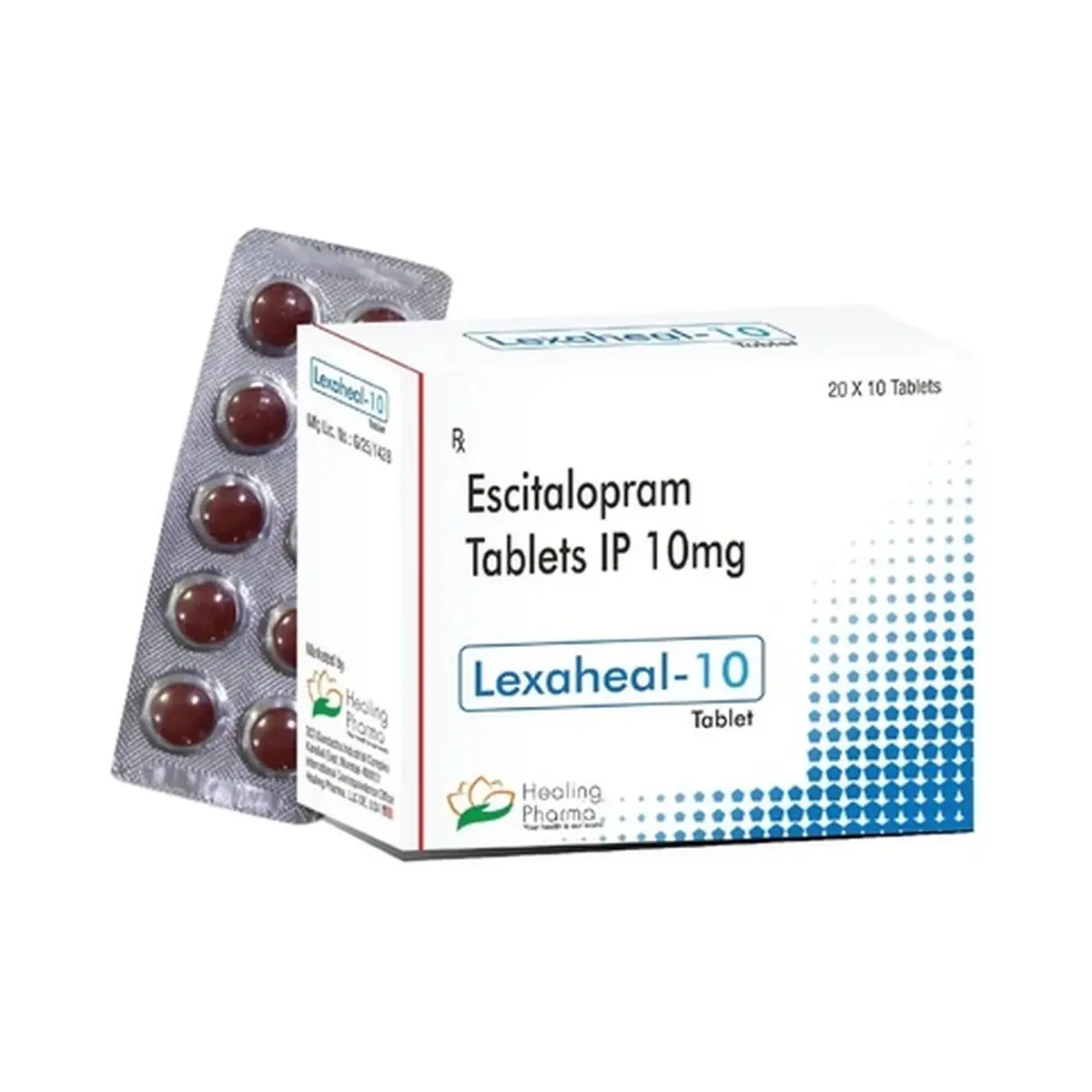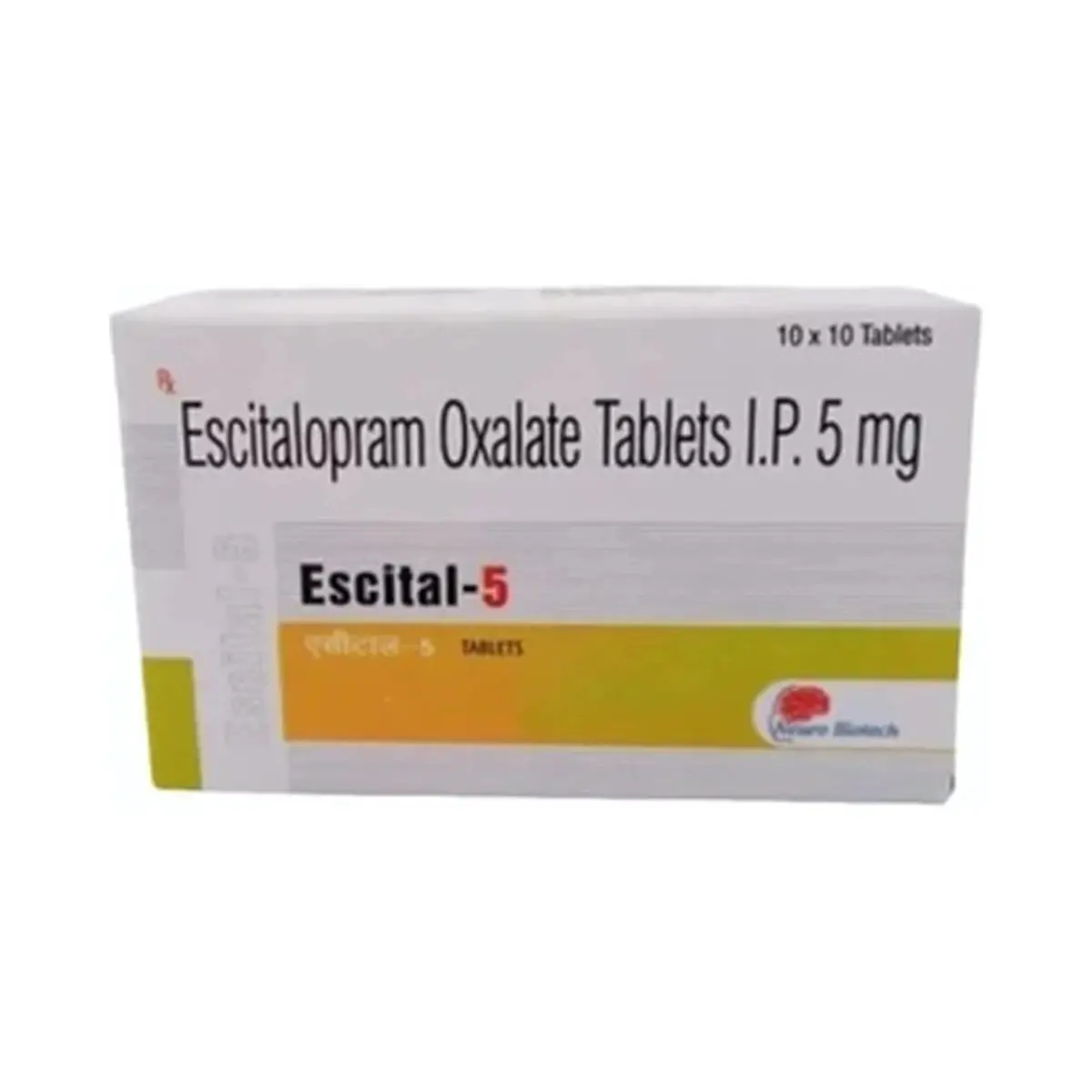
Description
Escital
Escital 5 mg is an oral medicine containing escitalopram, a selective serotonin reuptake inhibitor (SSRI). It is used in the management of depressive and anxiety disorders. The product name supplied here is consistent with escitalopram 5 mg film-coated tablets, but the exact brand presentation should always be confirmed against the package label and official prescribing information.
Active Ingredient and Medicine Class
The verified active ingredient is escitalopram, usually supplied as escitalopram oxalate. It belongs to the SSRI antidepressant class. Escitalopram is the S-enantiomer of citalopram and is considered a highly selective serotonin reuptake inhibitor.
Established Medical Uses
Escitalopram is established for the treatment of major depressive disorder and generalized anxiety disorder. Regulatory information also recognises its use in some jurisdictions for certain other anxiety-related conditions, but approved indications vary by country. Product-specific approval depends on the local licence and the exact formulation.
How It Works
Escitalopram works by blocking the reuptake of serotonin in the brain. This increases serotonin signalling between nerve cells, which is thought to contribute to its antidepressant and anxiolytic effects. Compared with older antidepressants, it has relatively little activity at many other receptor types, which helps explain its SSRI profile.
Important Safety Information
Escitalopram should not be used with monoamine oxidase inhibitors intended to treat psychiatric disorders, and it is also contraindicated with pimozide and in people with known hypersensitivity to escitalopram or citalopram. Important precautions include the risk of serotonin syndrome, especially when combined with other serotonergic medicines such as certain antidepressants, opioids, triptans, lithium, tramadol, buspirone, amphetamines, or St John’s wort.
Other clinically significant warnings include suicidal thoughts and behaviour in younger patients, discontinuation symptoms if the medicine is stopped abruptly, mania or hypomania in susceptible patients, hyponatremia, bleeding risk with NSAIDs, aspirin, antiplatelet drugs or warfarin, and possible QT prolongation. Caution is also advised in people with seizure history, bipolar disorder, narrow-angle glaucoma, hepatic impairment, or other conditions that may alter drug handling or tolerability.
Possible Side Effects
Common adverse effects reported with escitalopram include nausea, insomnia, somnolence, fatigue, increased sweating, dizziness, dry mouth, and diarrhoea. Sexual adverse effects such as ejaculation disorder, reduced libido, and anorgasmia may also occur. More serious reactions can include serotonin syndrome, significant mood changes, abnormal bleeding, low sodium, seizures, and rhythm-related cardiac effects.
Scientific Evidence
Human clinical studies and reviews show that escitalopram is effective for major depressive disorder and several anxiety disorders, with placebo-controlled trials supporting symptom improvement in both depression and anxiety. Review literature describes escitalopram as a potent and selective SSRI with generally good tolerability relative to many older antidepressants. Evidence also supports its role as a standard option within SSRI therapy, although individual response and adverse-effect profiles vary.
Medical Information Notice
This page is an educational summary based on sources available at the time of review. It is not a substitute for the official patient leaflet, the full prescribing information, or assessment by a qualified healthcare professional.
Medical Sources
- U.S. Food and Drug Administration / DailyMed. Escitalopram tablets, oral prescribing information
- U.S. Food and Drug Administration. Lexapro (escitalopram) highlights of prescribing information
- John Waugh et al. Escitalopram: a review of its use in the management of major depressive and anxiety disorders. CNS Drugs, 2003. View scientific article
- Michael E Thase. Managing depressive and anxiety disorders with escitalopram. Expert Opinion on Pharmacotherapy, 2006. View scientific article