Description
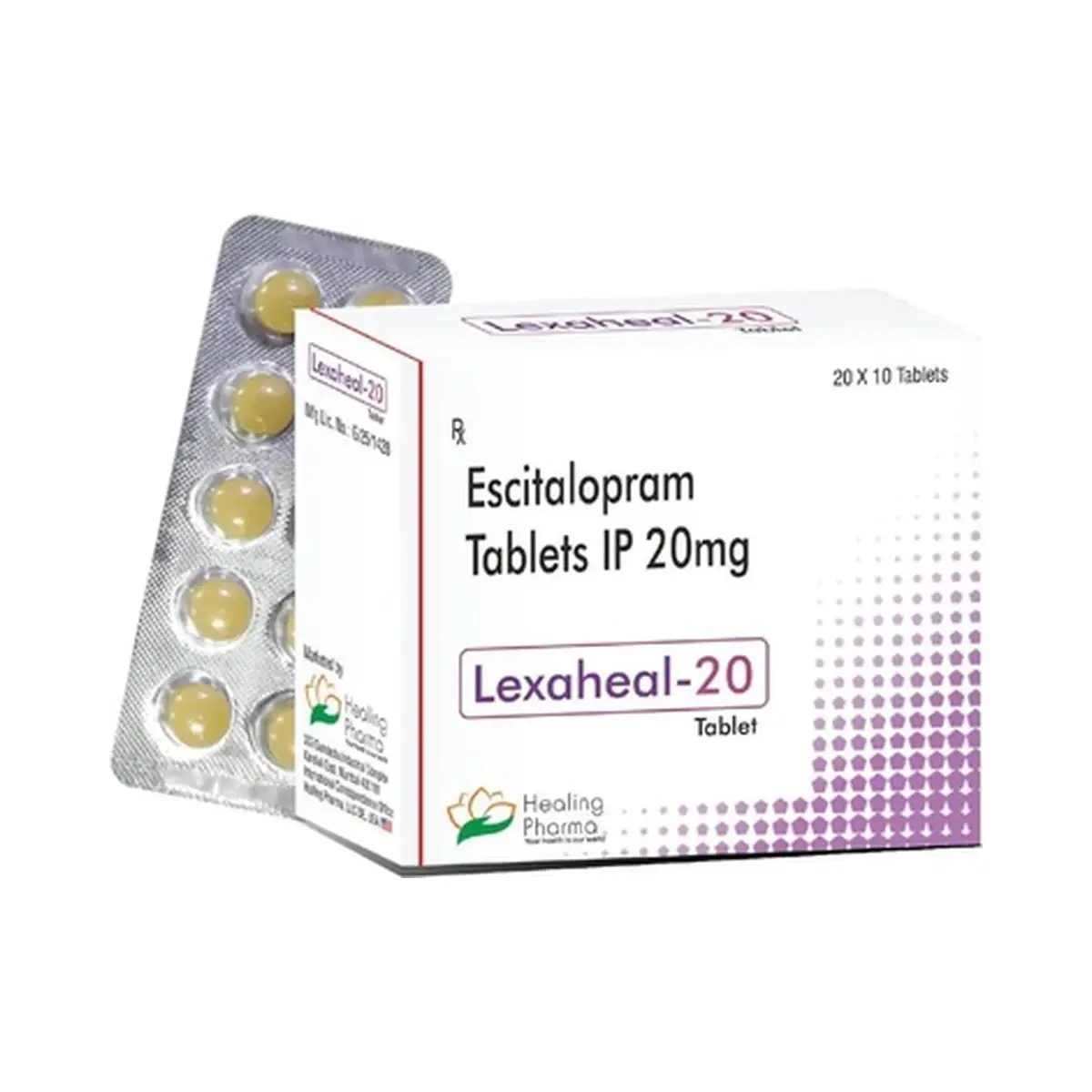
Lexaheal (Escitalopram) 20 mg
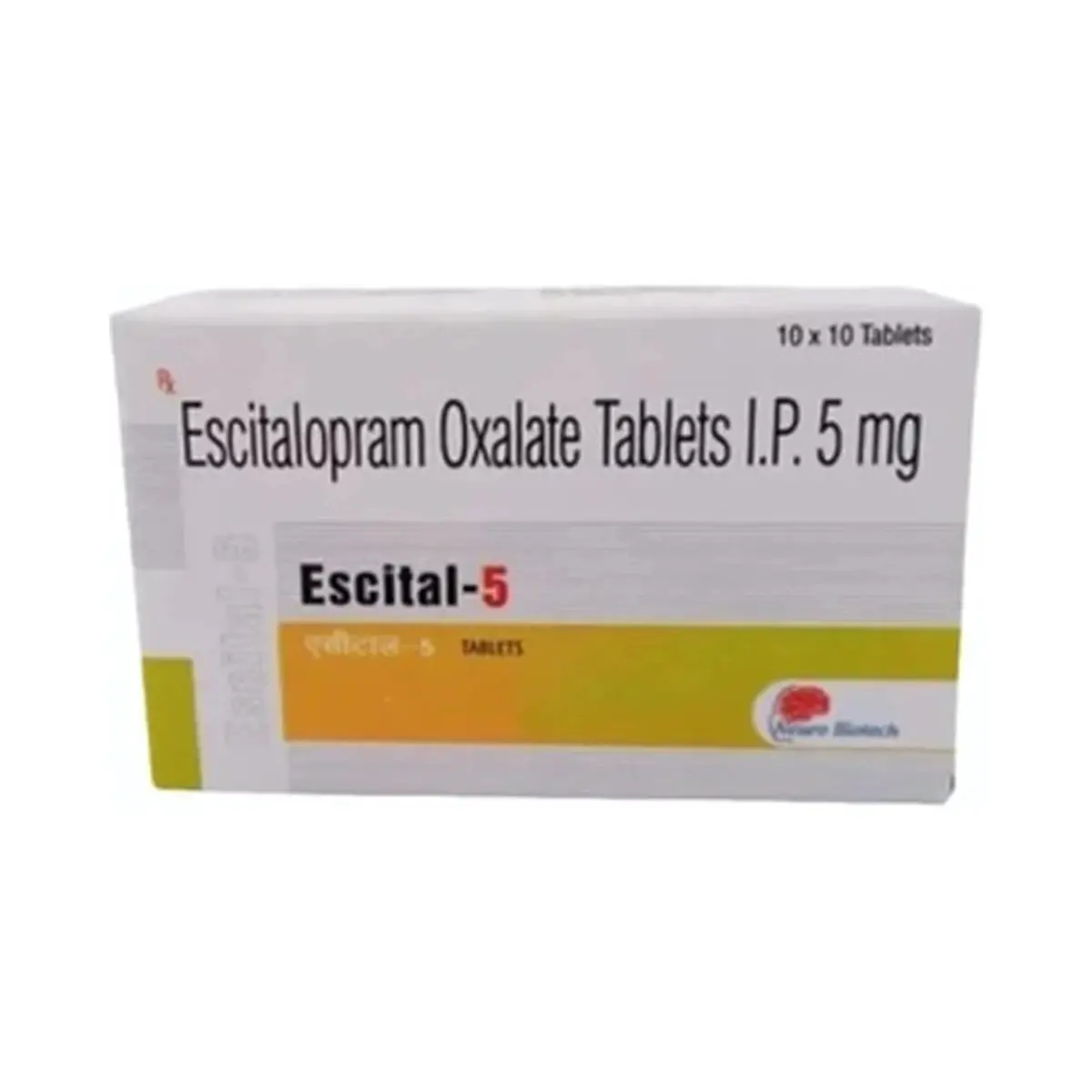
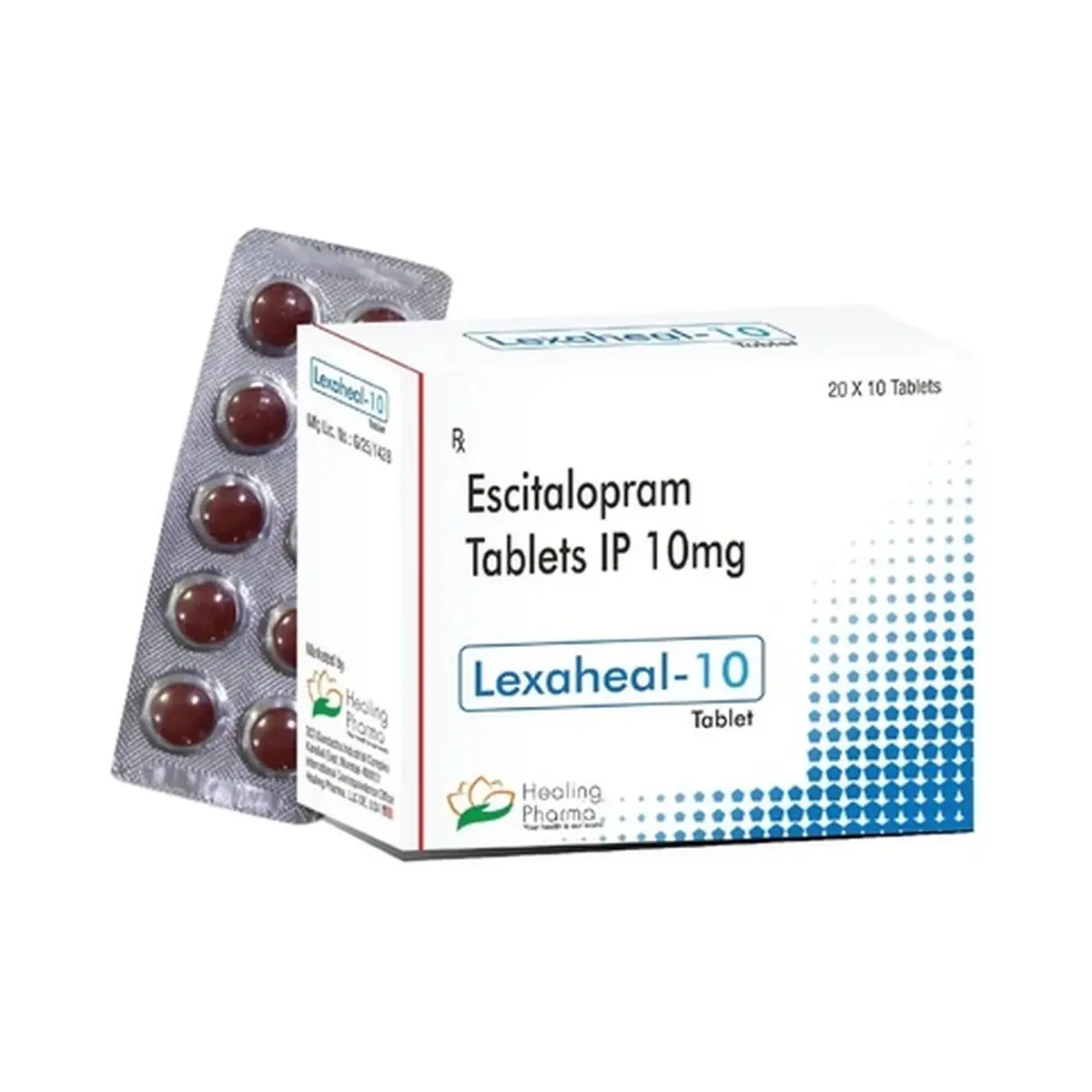
Lexaheal 20 mg is presented here as a tablet medicine containing escitalopram, a selective serotonin reuptake inhibitor (SSRI). Escitalopram is a well-established antidepressant used in the treatment of depressive and anxiety disorders. Because trade names can vary by market, the active ingredient is the key verified medicine identity in this summary.
Active Ingredient and Medicine Class
Escitalopram is the S-enantiomer of citalopram and belongs to the SSRI class of antidepressants. Medicines in this class increase serotonin signalling in the central nervous system by reducing serotonin reuptake into nerve cells. Escitalopram is available as an oral tablet formulation in strengths including 20 mg in official prescribing information for branded products containing the same active ingredient.
Established Medical Uses
Official prescribing information for escitalopram tablets identifies major depressive disorder and generalized anxiety disorder as established indications in adults. Scientific reviews also describe use in other anxiety-related conditions, but those broader discussions should be distinguished from the specific, label-based uses supported by regulatory documents.
How It Works
Escitalopram works by inhibiting the serotonin transporter, which helps increase the availability of serotonin in the spaces between nerve cells. This effect is thought to contribute to improvement in mood, worry, tension and related symptoms over time. It is a targeted SSRI with a high degree of selectivity for serotonin reuptake inhibition.
Important Safety Information
Escitalopram should not be used with monoamine oxidase inhibitors used to treat psychiatric disorders, and a washout interval is required when switching between them. It is also contraindicated with linezolid or intravenous methylene blue because of the risk of serotonin syndrome. Caution is warranted with other serotonergic medicines, including some antidepressants, triptans, tramadol, lithium, buspirone and St John’s wort, because combined use can raise serotonin syndrome risk.
Important precautions include the possibility of suicidal thoughts and behavioural changes in younger patients, the need to consider bipolar disorder before treatment, and the risk of abnormal bleeding when combined with aspirin, NSAIDs or anticoagulants. Hyponatremia has also been reported, especially in older adults and in people taking diuretics or who are otherwise volume depleted. QT prolongation is listed among observed adverse reactions in prescribing information and should be considered in patients with relevant risk factors.
Possible Side Effects
Common adverse effects reported with escitalopram include insomnia, diarrhoea, dry mouth, somnolence, dizziness, nausea, increased sweating, fatigue and sexual dysfunction. Some patients experience appetite changes or emotional blunting. Serious but less common reactions can include serotonin syndrome, severe allergic reactions, hyponatremia, abnormal bleeding, manic or hypomanic symptoms, seizures and, rarely, severe skin reactions.
Scientific Evidence
Clinical trials and review articles have shown escitalopram to be effective for major depressive disorder and several anxiety disorders, with generally favourable tolerability in many study populations. Reviews published in CNS Drugs and Annals of Pharmacotherapy report meaningful symptom improvement in depression and anxiety conditions and support its role as an established SSRI option. As with all antidepressants, the balance of benefit and risk depends on the individual clinical context, and trial findings should not be interpreted as a guarantee of response.
Medical Information Notice
This page is an educational summary based on sources available at the time of review. It does not replace the official patient leaflet, prescribing information or assessment by a qualified healthcare professional.
Medical Sources
- U.S. Food and Drug Administration / DailyMed. Escitalopram Tablets, USP — Prescribing Information
- U.S. Food and Drug Administration. Lexapro (escitalopram) — Highlights of Prescribing Information
- David S Baldwin et al. Escitalopram therapy for major depression and anxiety disorders. Ann Pharmacother, 2007. View scientific article
- John Waugh et al. Escitalopram: a review of its use in the management of major depressive and anxiety disorders. CNS Drugs, 2003. View scientific article