Description
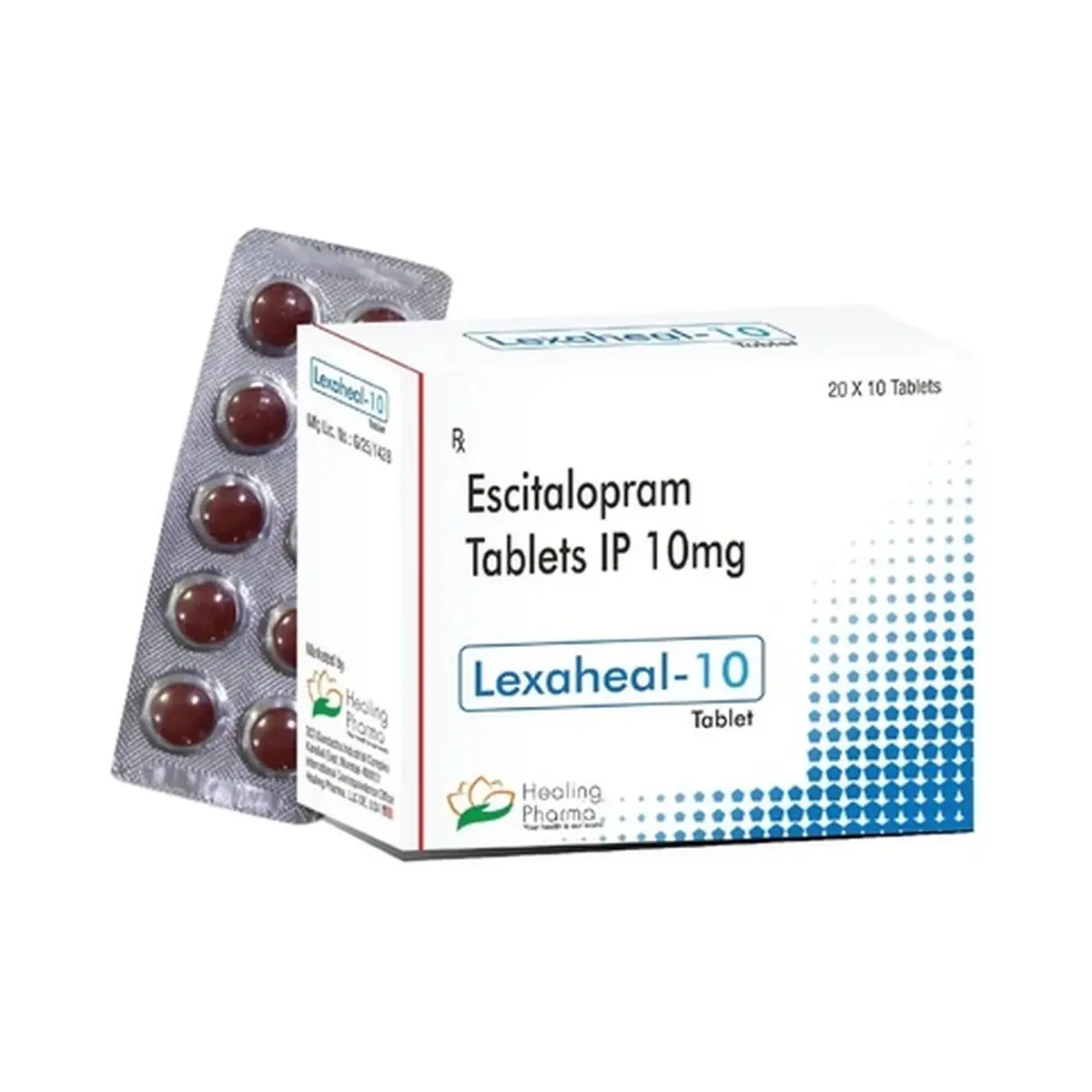
Lexaheal (Escitalopram) 10 mg
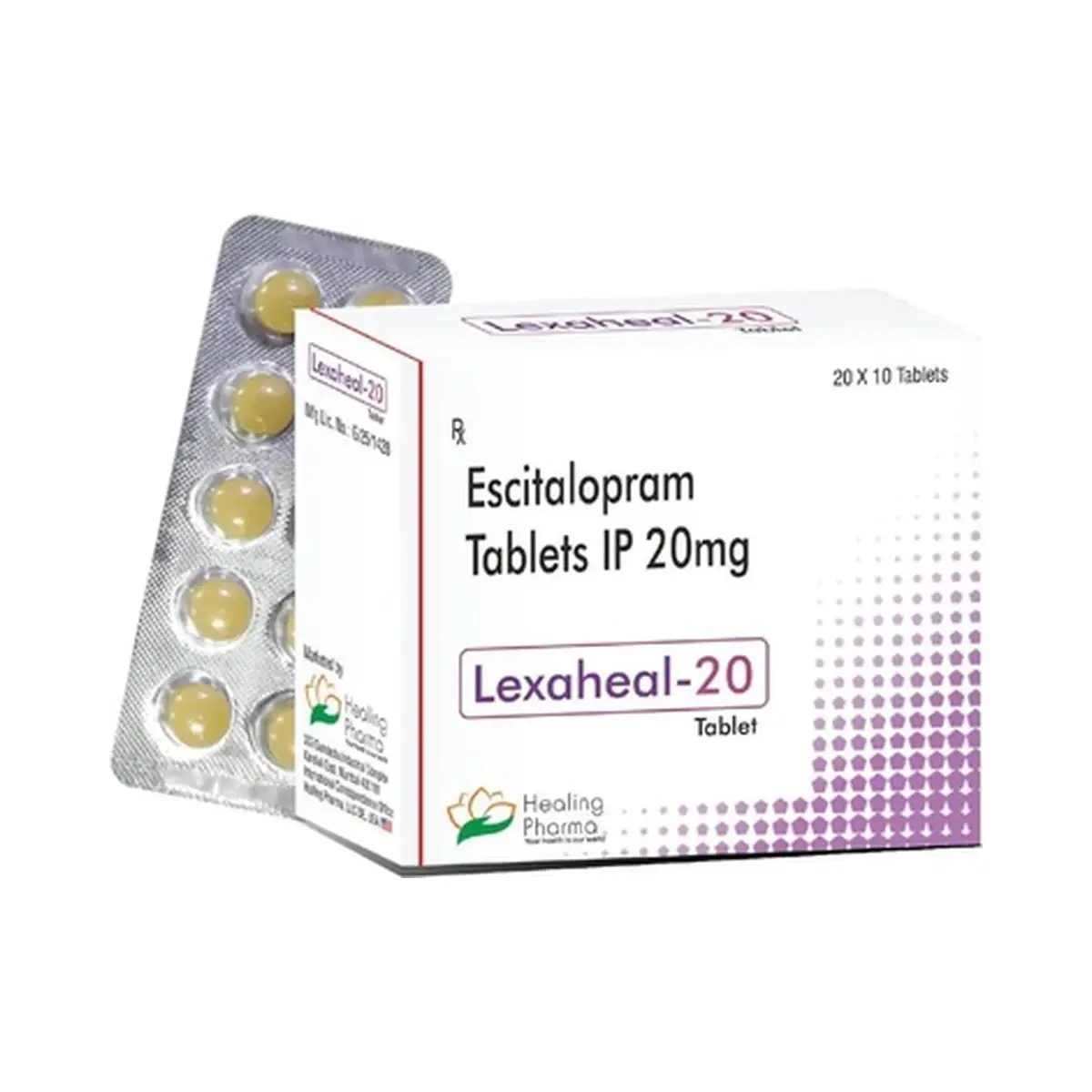
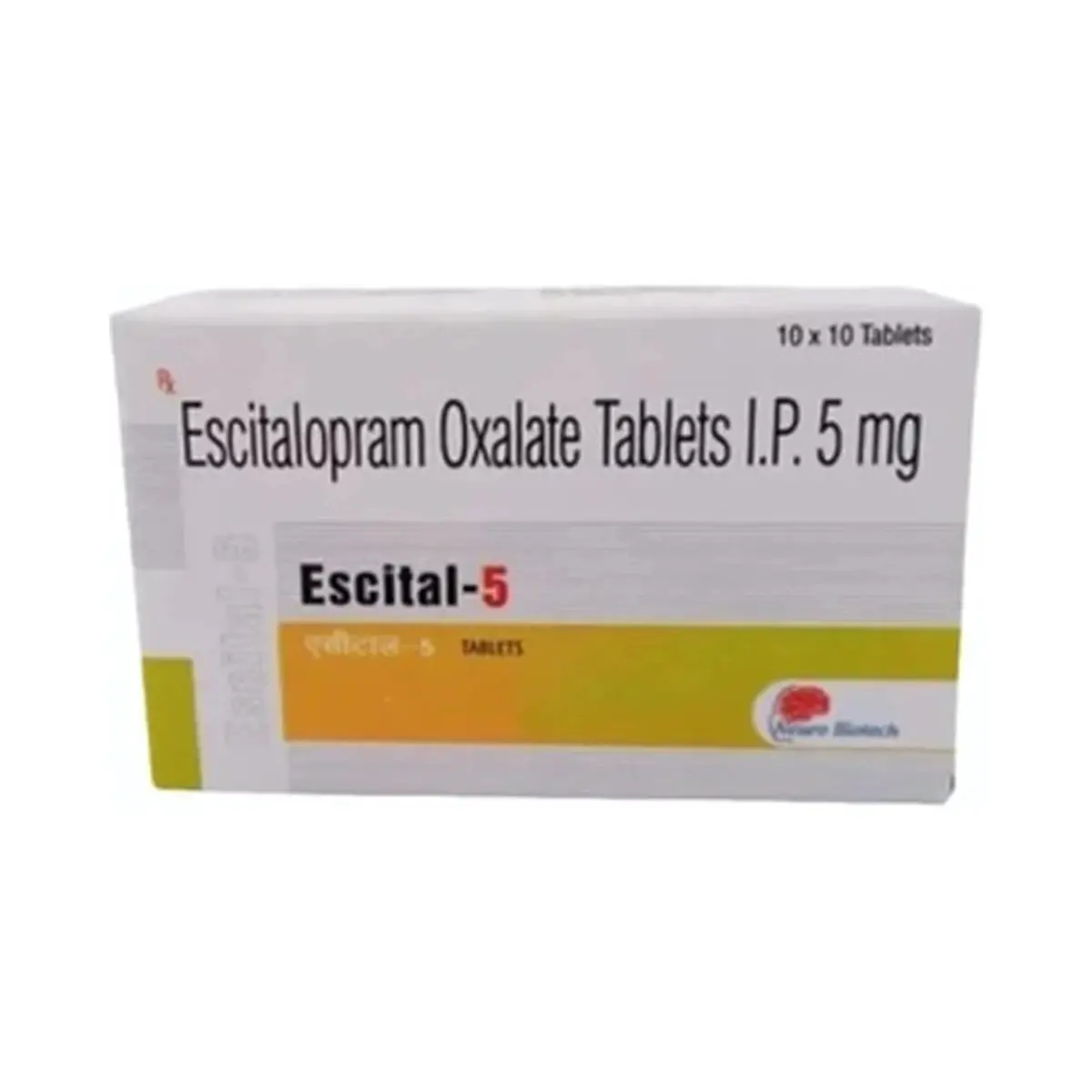
Lexaheal 10 mg contains escitalopram, a selective serotonin reuptake inhibitor (SSRI). Escitalopram is used as an antidepressant and anxiolytic medicine in established prescribing information. The 10 mg tablet strength identifies the product; it does not by itself indicate a specific treatment plan.
Active Ingredient and Medicine Class
The verified active ingredient is escitalopram (present as escitalopram oxalate in many products). It belongs to the SSRI class of medicines. SSRIs are widely used in psychiatry because they act on serotonin signalling in the brain.
Established Medical Uses
Regulatory prescribing information identifies escitalopram tablets for the treatment of major depressive disorder and generalized anxiety disorder in adults. Some official product labels also include adolescent use for major depressive disorder. Established indications may vary by country and product label.
How It Works
Escitalopram is the S-enantiomer of citalopram and works by inhibiting the reuptake of serotonin in the central nervous system. This increases serotonergic activity, which is believed to contribute to its antidepressant and anti-anxiety effects. It is considered a highly selective serotonin reuptake inhibitor with minimal direct effect on norepinephrine and dopamine reuptake.
Important Safety Information
Escitalopram carries an antidepressant class warning about suicidal thoughts and behaviours, especially in younger patients early in treatment or when the dose is changed. It is contraindicated with monoamine oxidase inhibitors (MAOIs), including linezolid or intravenous methylene blue, and it should not be used with pimozide. Important interaction risks also include serotonin syndrome when combined with other serotonergic medicines, and bleeding risk when used with aspirin, NSAIDs, warfarin, or other anticoagulants. Prescribing information also warns about hyponatremia, mania or hypomania in susceptible patients, and QT prolongation as a recognised safety concern.
Possible Side Effects
Commonly reported adverse effects include nausea, insomnia, fatigue, somnolence, increased sweating, and sexual dysfunction such as decreased libido or delayed ejaculation. Other recognised effects can include dizziness, dry mouth, constipation, and headache. Serious reactions may include serotonin syndrome, significant bleeding, low sodium levels, allergic reactions, abnormal heart rhythm related to QT prolongation, and discontinuation symptoms if treatment is stopped abruptly.
Scientific Evidence
Randomised clinical trials and reviews have shown escitalopram to be effective for major depressive disorder, with benefit over placebo and generally good tolerability. Published reviews also support its use across several anxiety disorders, with nausea and sexual adverse effects among the most consistent treatment-emergent events. Overall, the clinical literature describes escitalopram as an effective SSRI with a predictable safety profile when used within labelled indications.
Medical Information Notice
This page is an educational summary based on official and peer-reviewed sources available at the time of review. It does not replace the official patient leaflet, the full prescribing information, or assessment by a qualified healthcare professional.
Medical Sources
- U.S. Food and Drug Administration. Lexapro (escitalopram) tablets, prescribing information. View official prescribing information
- U.S. National Library of Medicine. Escitalopram Tablets, USP, prescribing information (DailyMed). View official drug label
- John Waugh et al. Escitalopram : a review of its use in the management of major depressive and anxiety disorders. CNS Drugs, 2003. View scientific article
- David S Baldwin et al. Escitalopram therapy for major depression and anxiety disorders. Ann Pharmacother, 2007. View scientific article