Description
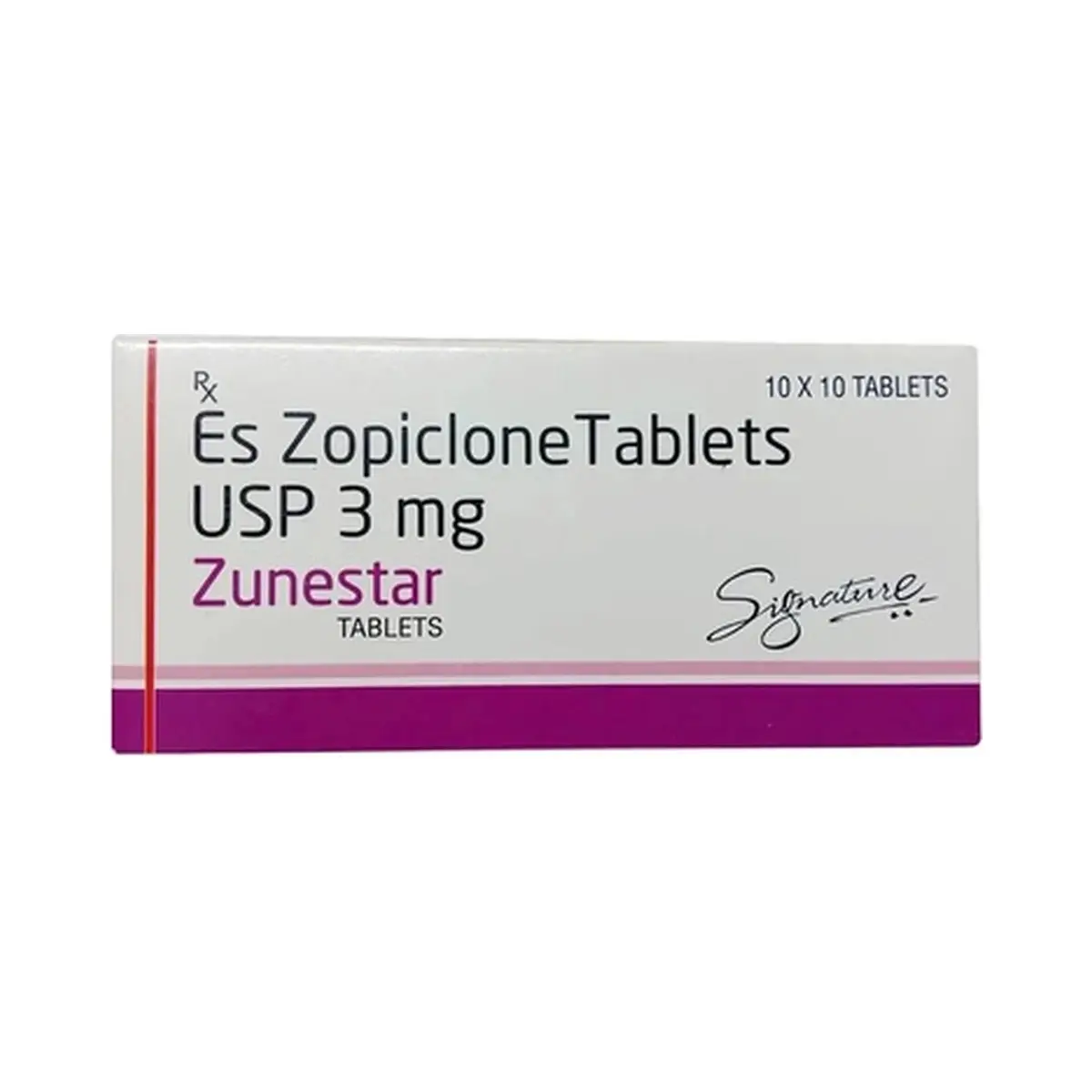
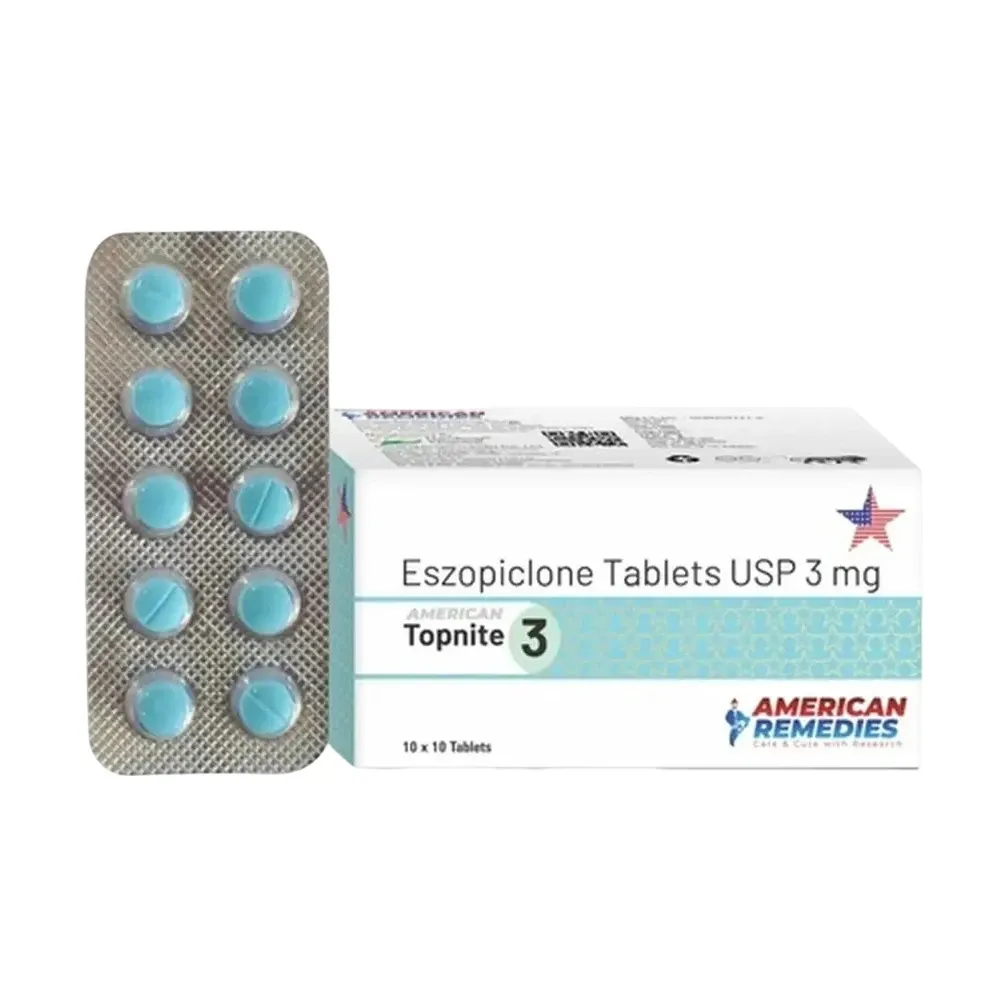
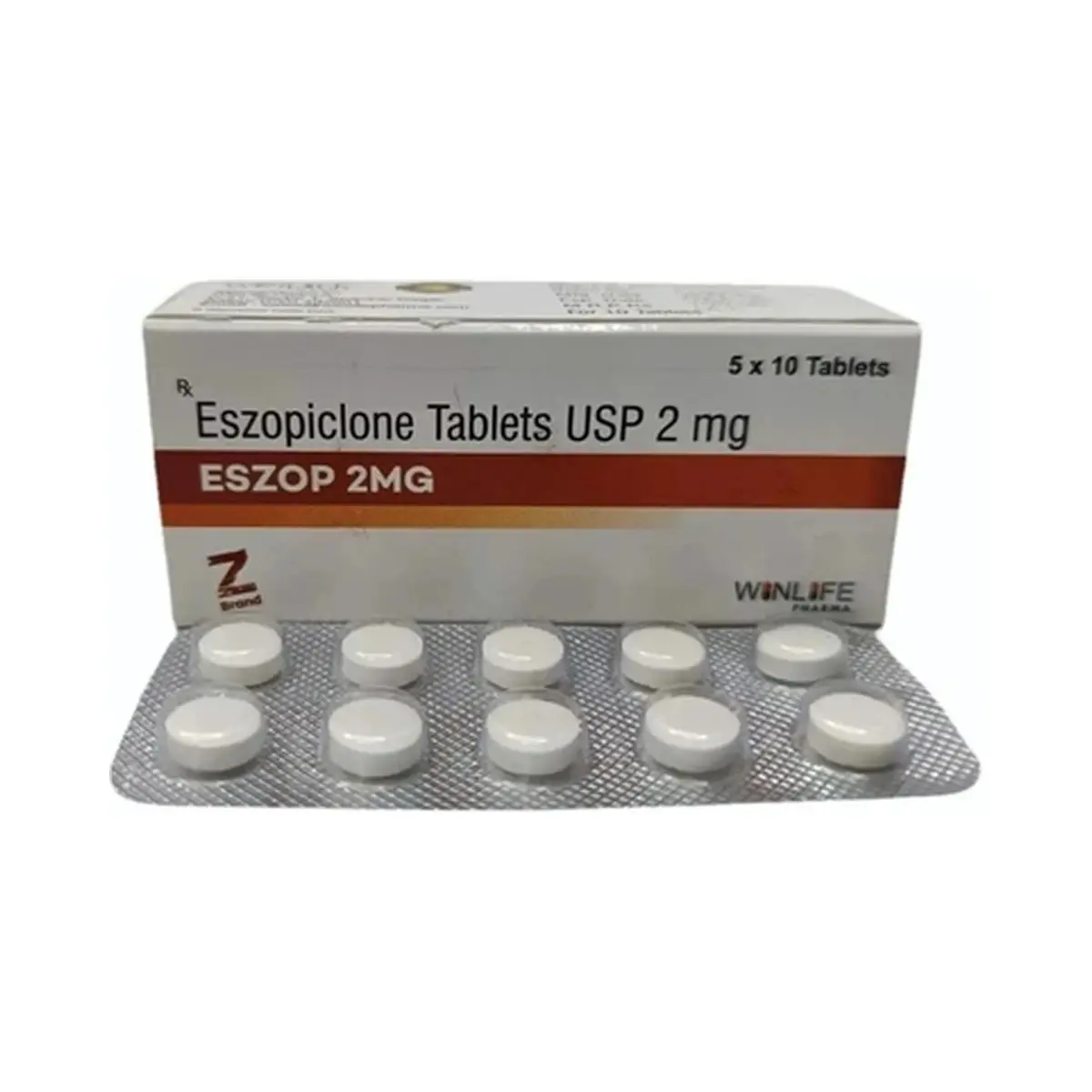
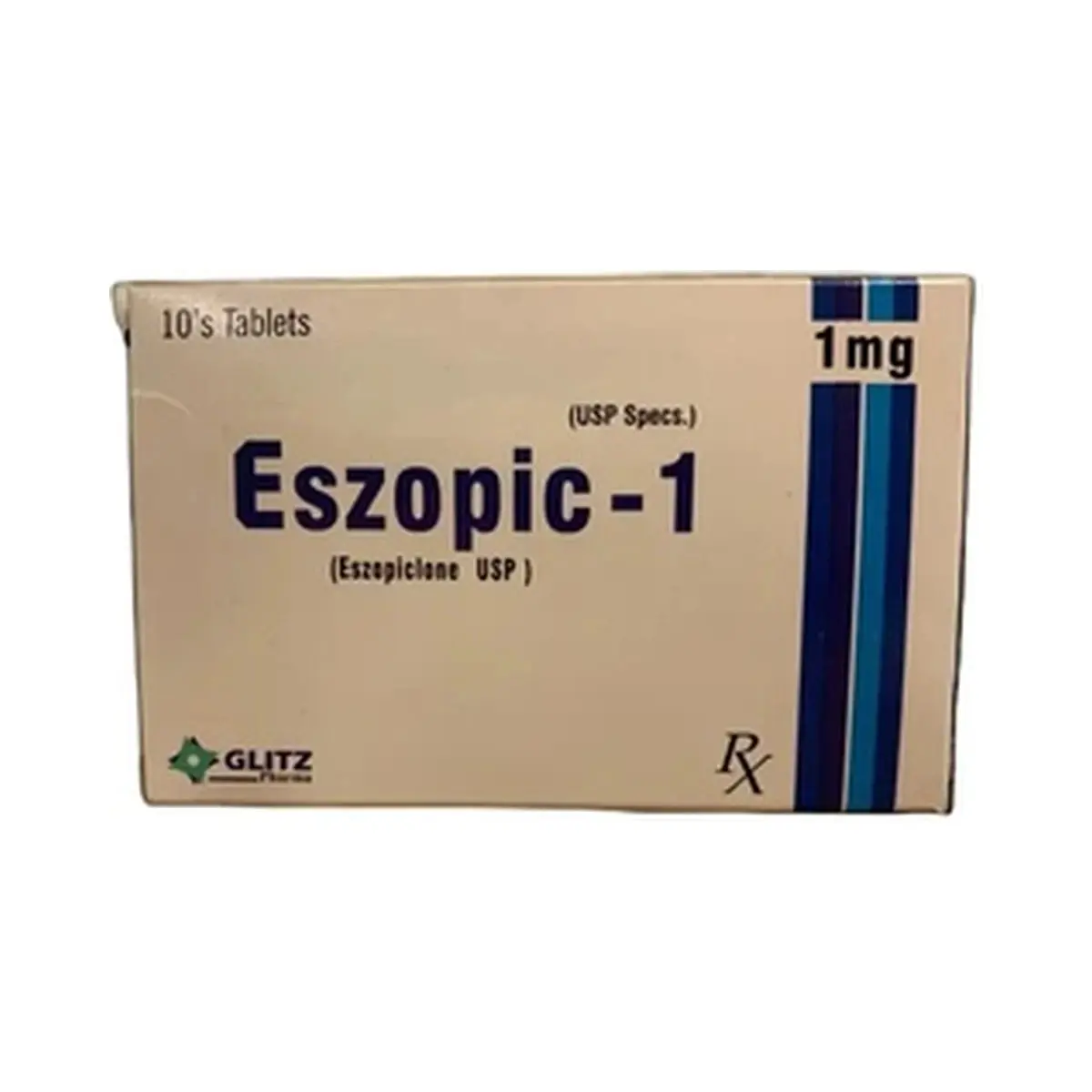
Eszop (Eszopiclone) 1 mg – 10 tablets
Eszop 1 mg is a brand presentation of eszopiclone, an oral sedative-hypnotic medicine used for the treatment of insomnia. The 1 mg strength is one of the available tablet strengths for this active ingredient. Regulatory prescribing information identifies eszopiclone as a medicine that can reduce sleep latency and improve sleep maintenance in adults with insomnia.
Active Ingredient and Medicine Class
The verified active ingredient is eszopiclone. It belongs to the class of non-benzodiazepine hypnotics, often grouped with “Z-drugs.” Although it is not a benzodiazepine, it acts on a related sleep-regulating receptor system in the brain.
Established Medical Uses
Eszopiclone is indicated for the treatment of insomnia in adults. Prescribing information describes benefit in helping people fall asleep more quickly and in improving sleep maintenance. It is a controlled prescription medicine and is not approved for children.
How It Works
Eszopiclone works as a hypnotic medicine. Its exact mechanism is not fully defined, but it is thought to interact with GABA-receptor complexes near the benzodiazepine binding site. GABA is a major inhibitory neurotransmitter in the brain, so this action is associated with calming central nervous system activity and promoting sleep.
Important Safety Information
Eszopiclone has several important safety warnings. It is contraindicated in people who have previously had complex sleep behaviors after taking eszopiclone and in those with known hypersensitivity to eszopiclone. Complex sleep behaviors may include sleep-walking, sleep-driving, or other activities performed while not fully awake, and serious injuries have been reported.
The medicine can cause next-day impairment, reduced alertness, and impaired coordination, with greater risk at higher doses and when combined with other central nervous system depressants. Important interaction concerns include alcohol, other sedative medicines, CYP3A4 inhibitors such as ketoconazole, and CYP3A4 inducers such as rifampicin, which may reduce or increase exposure to eszopiclone. Prescribing information also warns about possible worsening depression, suicidal thinking, and withdrawal symptoms if treatment is stopped abruptly after regular use.
Possible Side Effects
Commonly reported adverse effects include unpleasant taste, headache, somnolence, dizziness, dry mouth, respiratory infection, rash, anxiety, hallucinations, and viral infections. More serious reactions may include complex sleep behaviors, severe allergic reactions such as anaphylaxis or angioedema, marked next-day drowsiness, abnormal thinking or behavior changes, and symptoms of dependence or withdrawal.
Scientific Evidence
Clinical trials and systematic reviews have found that eszopiclone can improve both sleep onset and sleep maintenance in adults with insomnia. Published reviews describe its use as an effective hypnotic option, while meta-analytic evidence supports improvements in subjective sleep latency, wake after sleep onset, and total sleep time versus placebo. As with all hypnotics, these findings should be interpreted alongside safety limitations and individual patient factors.
Medical Information Notice
This page is an educational summary based on sources available at the time of review. It does not replace the official patient leaflet, full prescribing information, or individual assessment by a qualified healthcare professional.
Medical Sources
- U.S. Food and Drug Administration / DailyMed. Eszopiclone tablets, full prescribing information. View official prescribing information
- Philip I Hair et al. Eszopiclone: a review of its use in the treatment of insomnia. Drugs, 2008. View scientific article
- Author details as indexed in PubMed. Eszopiclone for the treatment of primary insomnia: a systematic review and meta-analysis of double-blind, randomized, placebo-controlled trials. Sleep Medicine, 2019. View scientific article