Description
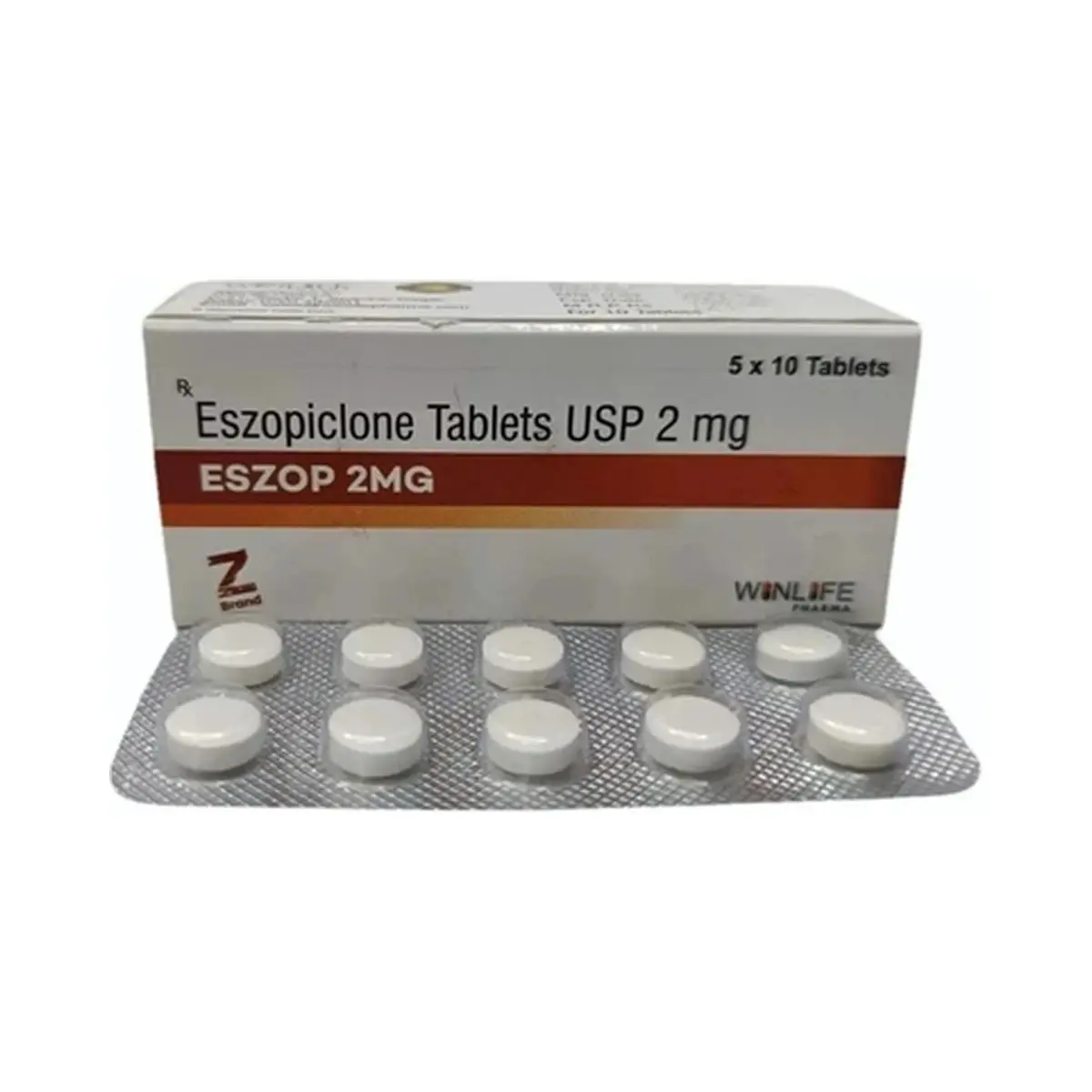
Eszop (Eszopiclone) 2 mg
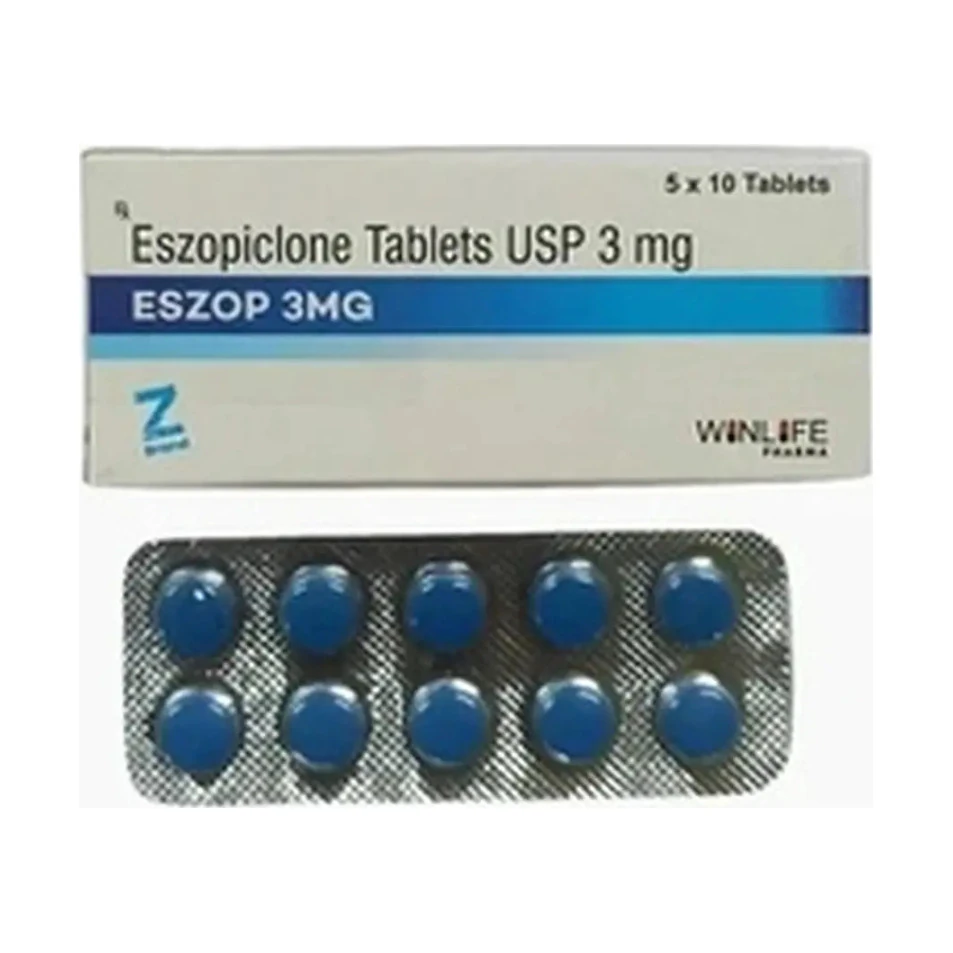
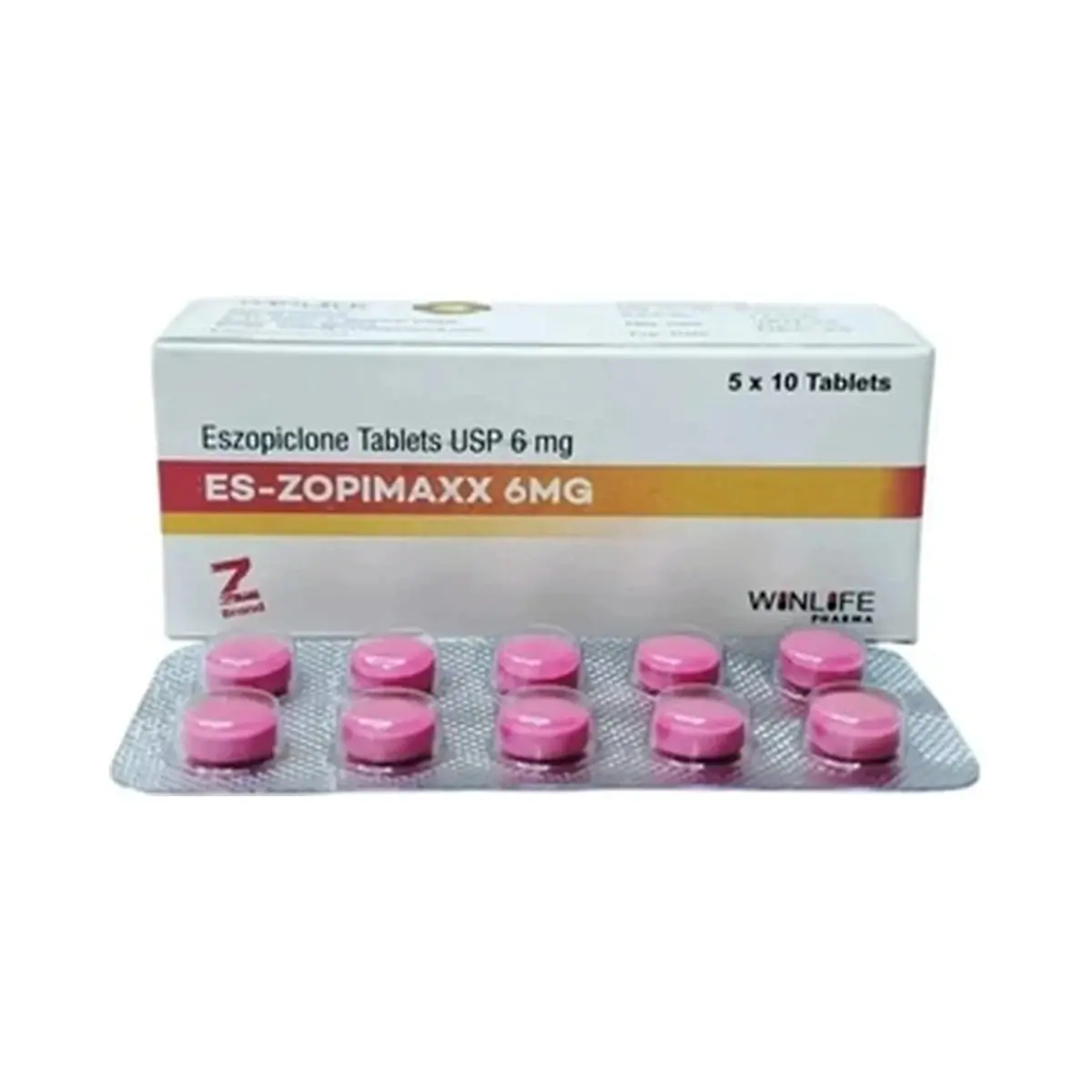
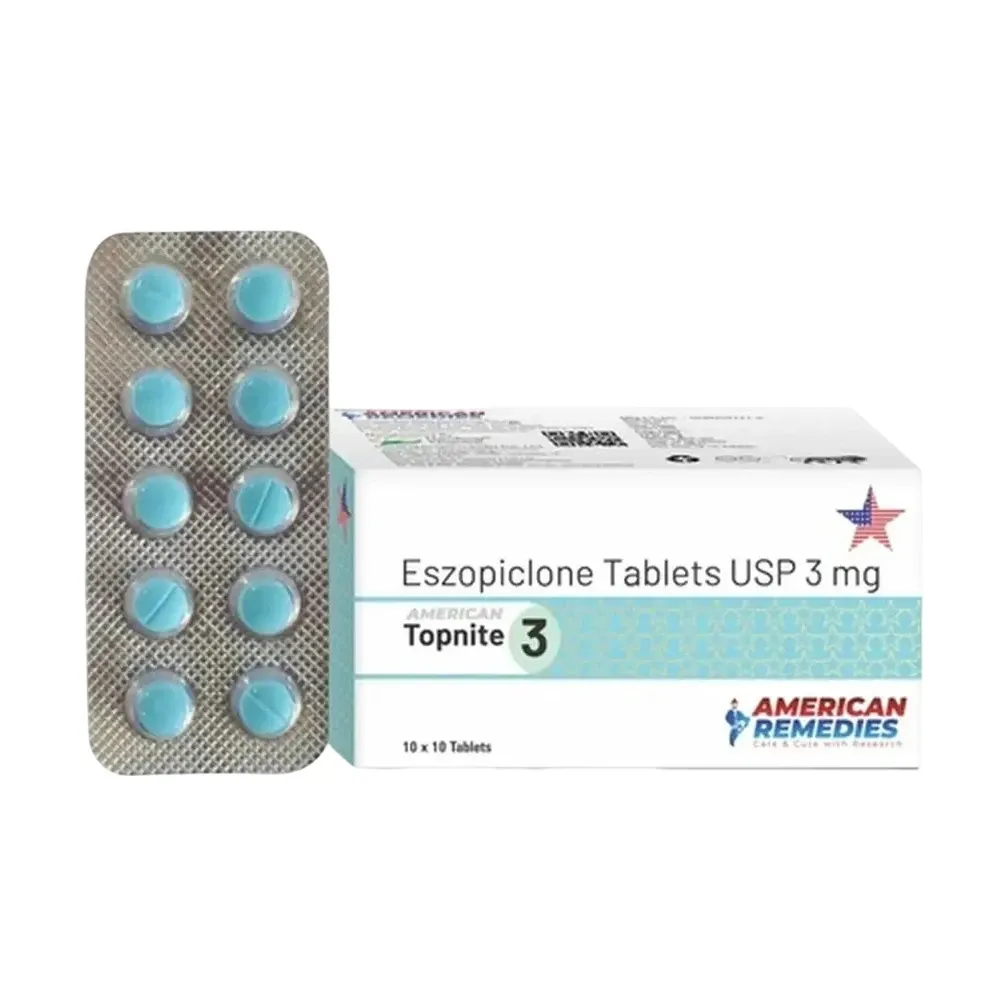
Eszop 2 mg is a verified oral medicine containing eszopiclone, a prescription sedative-hypnotic used for insomnia. The product is presented as a 2 mg film-coated tablet and belongs to the “Z-drug” group of sleep medicines.
Active Ingredient and Medicine Class
The active ingredient is eszopiclone. It is a nonbenzodiazepine hypnotic, also described as a sedative-hypnotic, with effects at the gamma-aminobutyric acid type A (GABA-A) receptor complex. Although it is not a benzodiazepine, it acts on the same general sleep-promoting pathway.
Established Medical Uses
Eszopiclone is established for the treatment of insomnia in adults. Prescribing information shows benefit in reducing the time needed to fall asleep and in improving sleep maintenance. The evidence base includes outpatient and sleep-laboratory studies, with clinical trials conducted over periods of weeks to months.
How It Works
Eszopiclone enhances the activity of GABA, the brain’s main inhibitory neurotransmitter. This produces a calming effect on the central nervous system, which can make it easier to fall asleep and remain asleep. Its clinical profile is consistent with a hypnotic medicine designed to help with both sleep onset and sleep continuity.
Important Safety Information
Eszopiclone should be used with caution because it can cause next-day impairment, reduced alertness and impaired coordination. The risk increases when it is combined with other central nervous system depressants, including alcohol, benzodiazepines, opioids and other sedative medicines. Clinically important interactions can also occur with drugs that inhibit or induce CYP3A4, the main metabolic pathway for this medicine.
It is contraindicated in people who have previously experienced complex sleep behaviors with eszopiclone, and in people with known hypersensitivity to eszopiclone. Regulatory labeling also warns about serious complex sleep behaviors such as sleep-walking, sleep-driving and other activities performed while not fully awake. Caution is also advised in hepatic impairment and in older or debilitated patients because exposure and sensitivity may be increased.
Possible Side Effects
Commonly reported adverse effects include unpleasant taste, headache, somnolence, dizziness, dry mouth, respiratory infection, rash, anxiety and hallucinations. In some patients, these effects may be dose-related. More serious reactions can include complex sleep behaviors, severe allergic reactions such as angioedema or anaphylaxis, marked psychomotor impairment and unusual thinking or behavior changes.
Scientific Evidence
Clinical studies and systematic reviews have found that eszopiclone can improve subjective sleep latency, wake after sleep onset and total sleep time in adults with primary insomnia. Reviews also report benefit for sleep maintenance and sleep onset, including in some older adults. At the same time, the scientific literature and prescribing information consistently emphasize the need to balance efficacy with adverse effects such as unpleasant taste, daytime sedation and interaction-related risks.
Medical Information Notice
This page is an educational summary prepared from sources available at the time of review. It does not replace the official patient leaflet, prescribing information or an individual assessment by a qualified healthcare professional.
Medical Sources
- U.S. Food and Drug Administration LUNESTA (eszopiclone) tablets, for oral use. Official prescribing information. View official label
- DailyMed Eszopiclone tablet, film coated. Official drug label. View DailyMed label
- Liang Liang et al. Eszopiclone for the treatment of primary insomnia: a systematic review and meta-analysis of double-blind, randomized, placebo-controlled trials. Sleep, 2019. View scientific article
- David J Greenblatt et al. Pharmacokinetic evaluation of eszopiclone: clinical and therapeutic implications. Expert Opinion on Drug Metabolism & Toxicology, 2012. View scientific article