Description
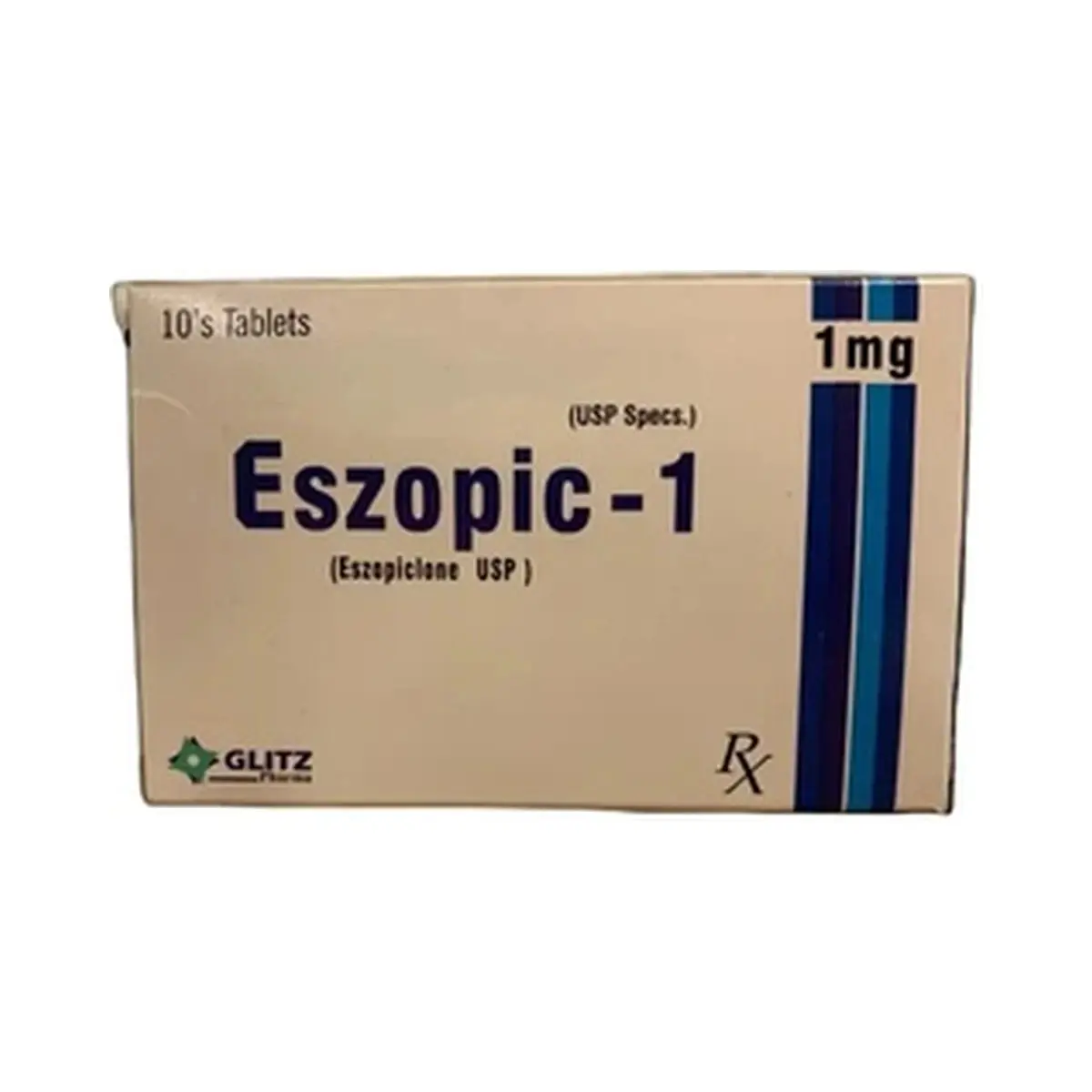
Ezop (Eszopiclone) 1 mg
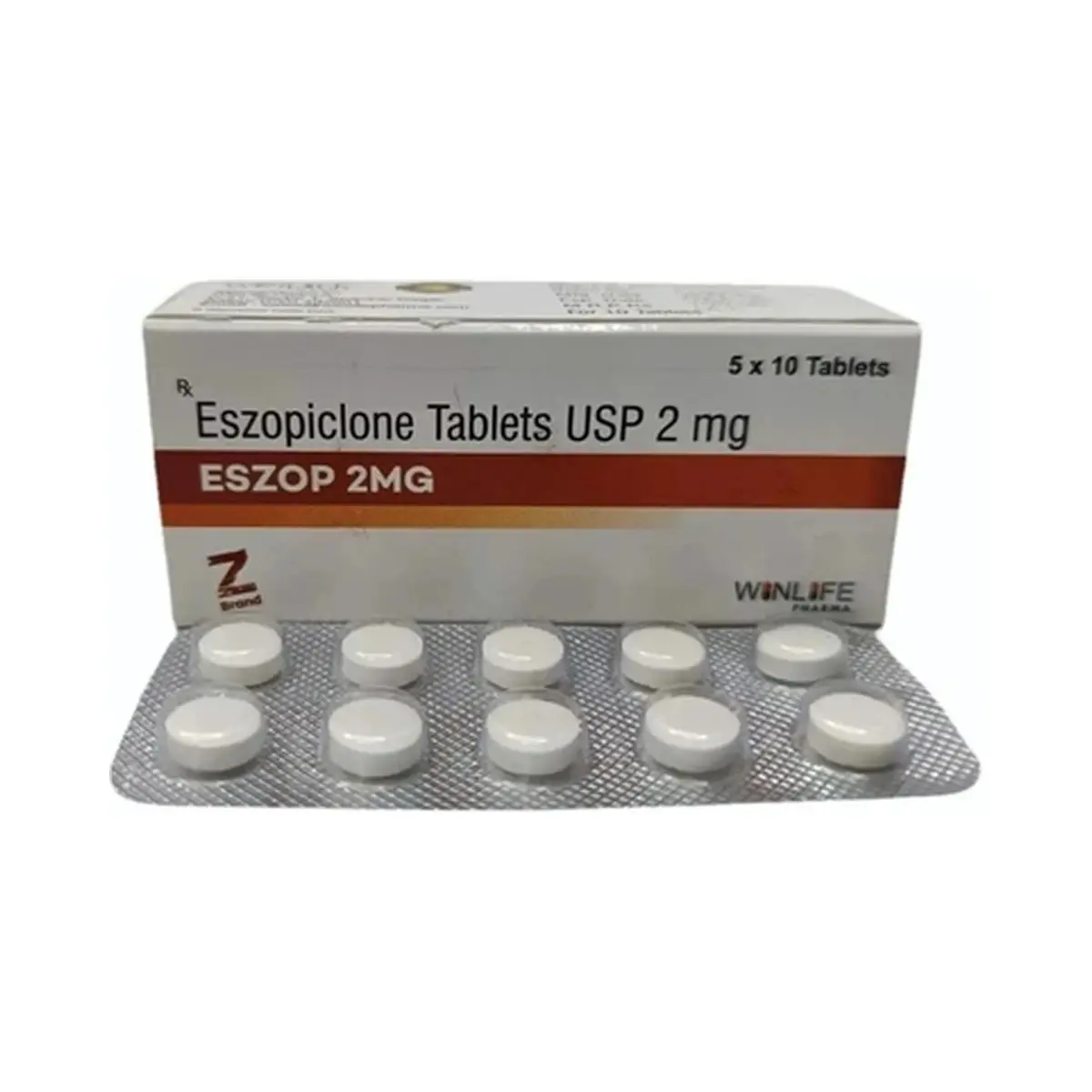
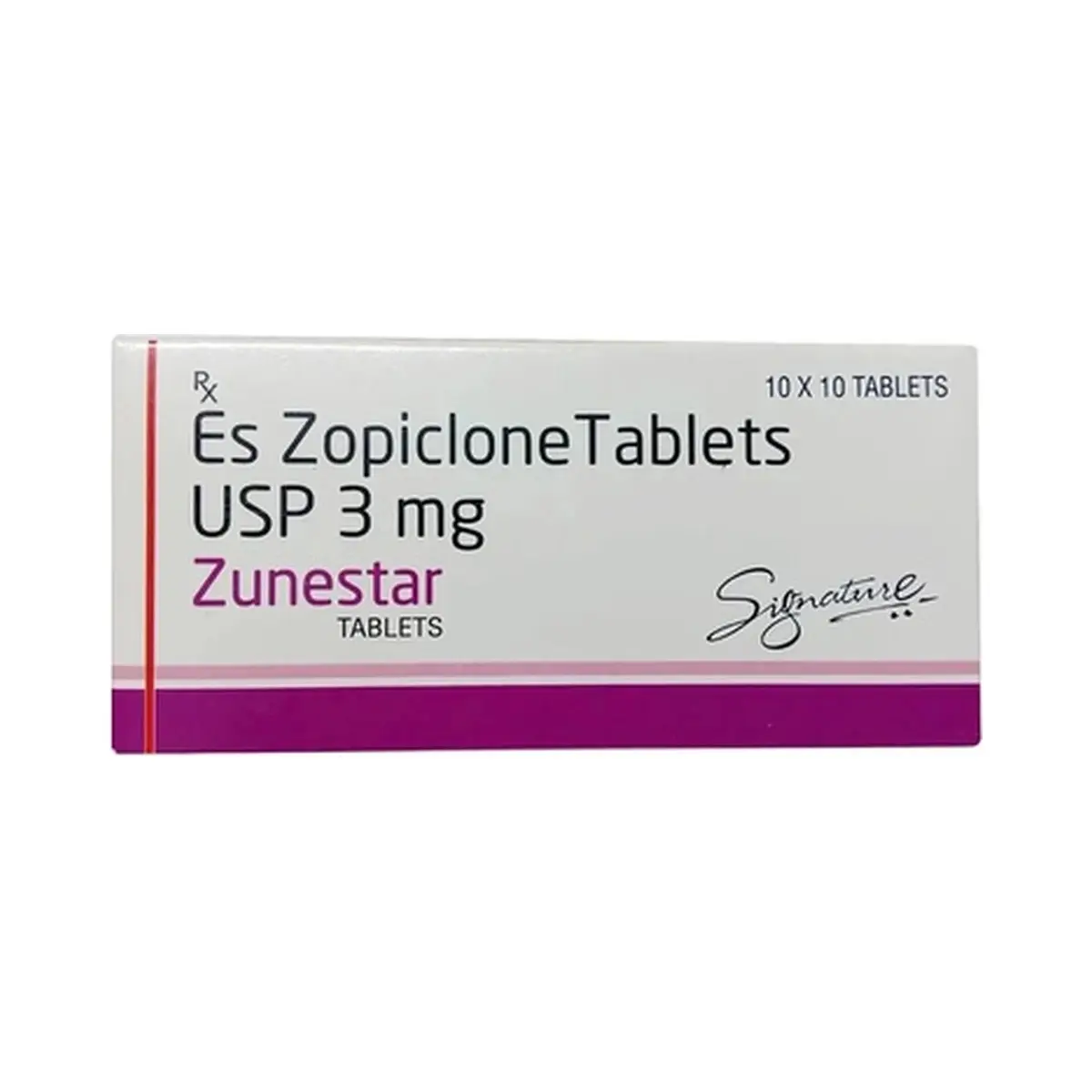
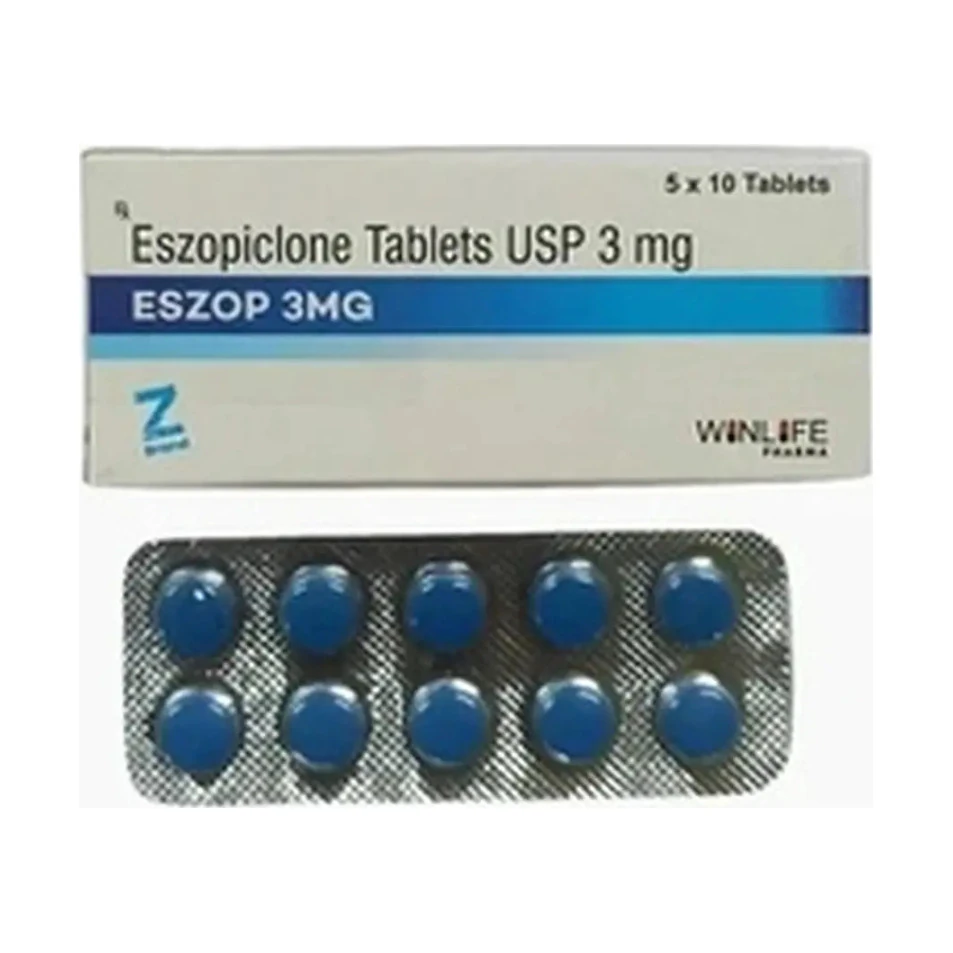
Ezop 1 mg is an oral tablet medicine containing eszopiclone, a sedative-hypnotic used for the treatment of insomnia. It belongs to the “Z-drug” group of nonbenzodiazepine sleep medicines and is intended to help with sleep onset and sleep maintenance problems. Because trade names can vary by country, this summary is based on the verified active ingredient rather than the brand name alone.
Active Ingredient and Medicine Class
The active ingredient is eszopiclone. It is a nonbenzodiazepine hypnotic and is pharmacologically related to other GABA-A receptor–modulating sleep medicines. Eszopiclone is supplied as an oral tablet, and 1 mg is one of the marketed tablet strengths used to identify the product.
Established Medical Uses
Official prescribing information identifies eszopiclone as a medicine for the treatment of insomnia. In clinical research and regulatory labeling, it has been studied for difficulty falling asleep and difficulty staying asleep. Its established role is symptomatic management of insomnia rather than treatment of an underlying cause such as pain, depression, or sleep apnea.
How It Works
Eszopiclone enhances the action of the neurotransmitter gamma-aminobutyric acid (GABA) at the GABA-A receptor complex in the brain. By increasing inhibitory signaling in the central nervous system, it promotes sedation and can reduce the time needed to fall asleep while also helping some people remain asleep longer. This mechanism is similar to, but not the same as, benzodiazepines.
Important Safety Information
Eszopiclone is not suitable for every patient. It is contraindicated in people who have previously experienced complex sleep behaviors after taking eszopiclone. Prescribing information also highlights important caution in patients with hepatic impairment, respiratory impairment, or conditions that may increase sensitivity to central nervous system depression. Alcohol and other sedative medicines can increase drowsiness and other adverse effects, and some drug interactions may raise or lower eszopiclone exposure. As with other hypnotics, the medicine may impair alertness, judgment, and coordination.
Possible Side Effects
Commonly reported adverse effects include unpleasant taste, headache, somnolence, dizziness, and dry mouth. Other reactions described in prescribing information include rash, anxiety, respiratory infection, hallucinations, and viral infections. More serious safety concerns include abnormal nighttime behaviors such as sleep-walking, sleep-driving, and other complex sleep behaviors, which may occur even when the medicine is taken as prescribed. Persistent next-day impairment can also occur.
Scientific Evidence
Peer-reviewed reviews and meta-analyses have found that eszopiclone can improve several subjective sleep measures in adults with insomnia, including sleep latency and wake time after sleep onset. Published reviews also describe benefit in sleep maintenance and, in some studies, sleep onset, compared with placebo. However, research findings should be interpreted alongside official labeling, because sedative-hypnotics can cause clinically important adverse effects and may not be appropriate for all patients.
Medical Information Notice
This page is an educational summary based on sources available at the time of review. It does not replace the official patient leaflet, full prescribing information, or assessment by a qualified healthcare professional.
Medical Sources
- DailyMed / U.S. prescribing information. Eszopiclone Tablets, full prescribing information
- Philip I Hair et al. Eszopiclone: a review of its use in the treatment of insomnia. Drugs, 2008. View scientific article
- Journal article review. Eszopiclone for the treatment of primary insomnia: a systematic review and meta-analysis of double-blind, randomized, placebo-controlled trials. Medicine (Baltimore), 2019. View scientific article