Description
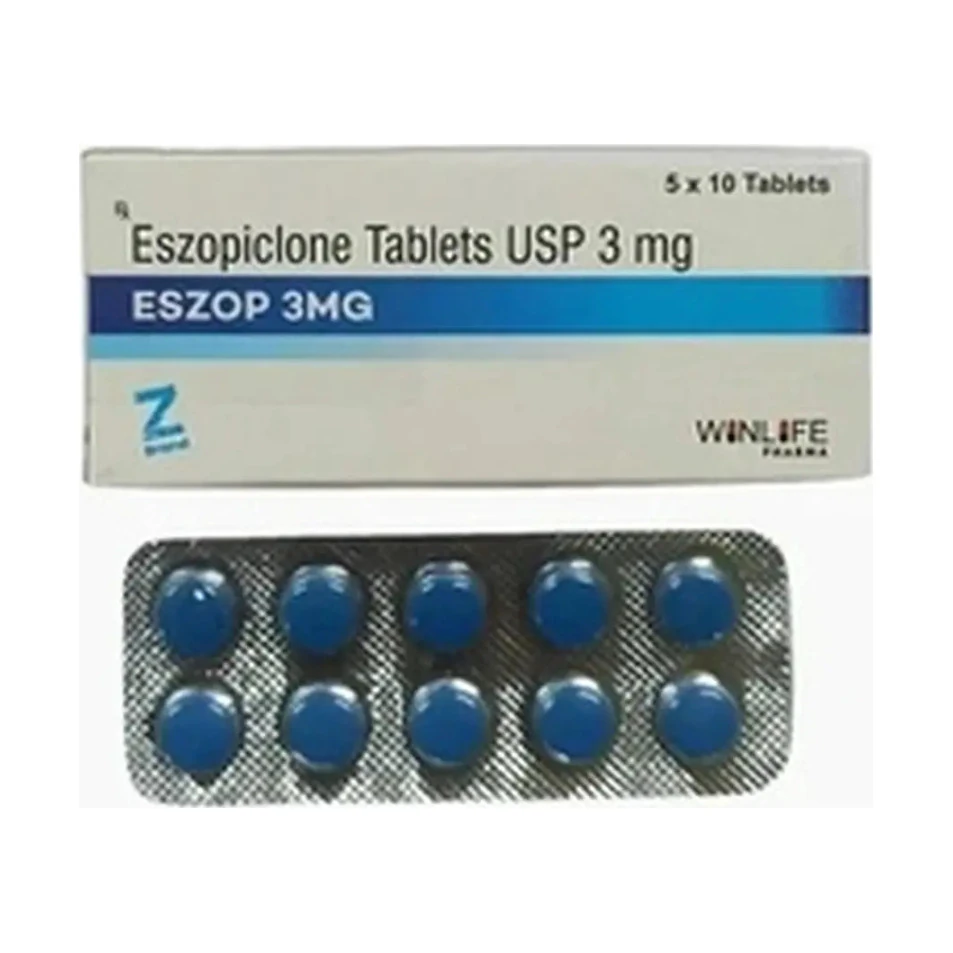
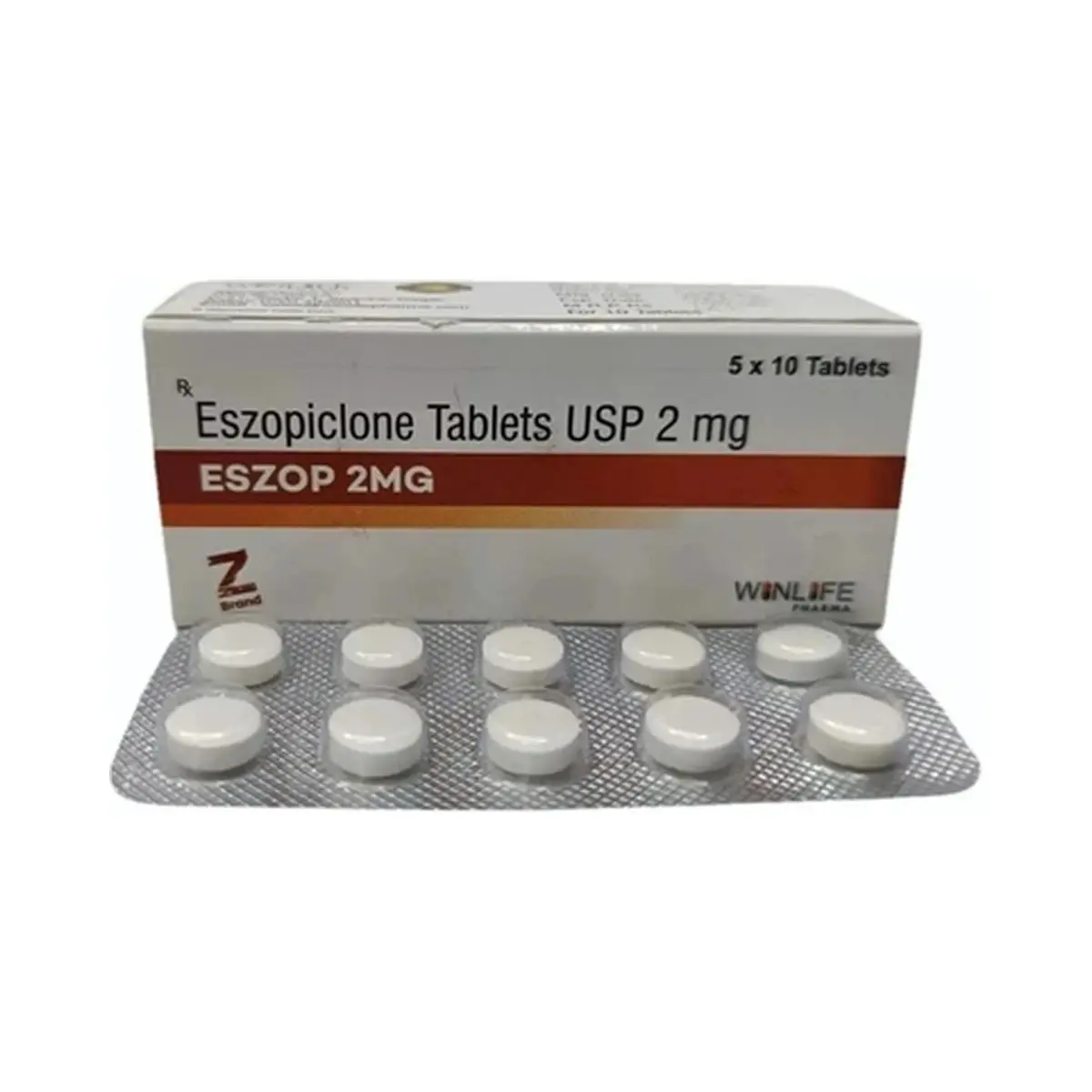
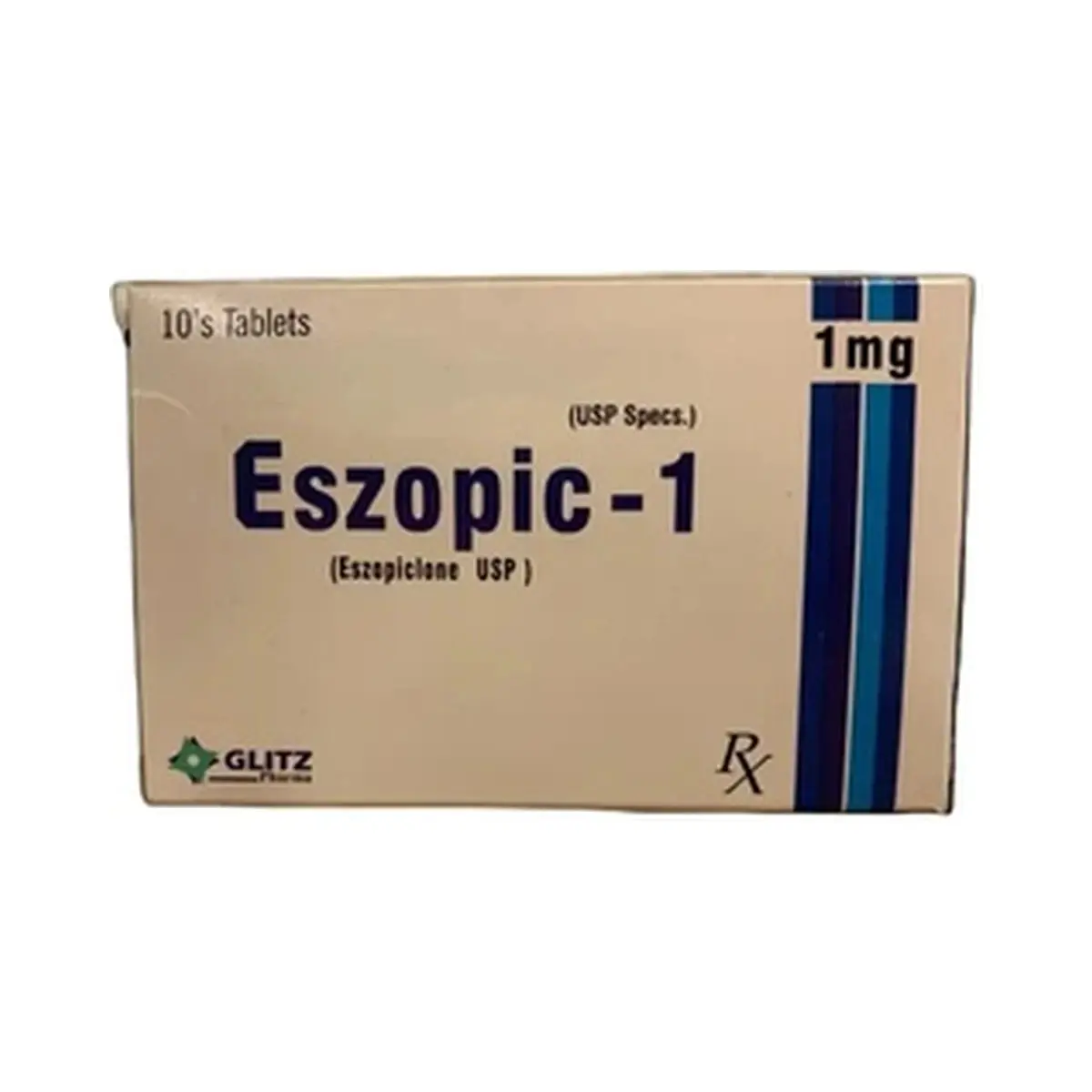
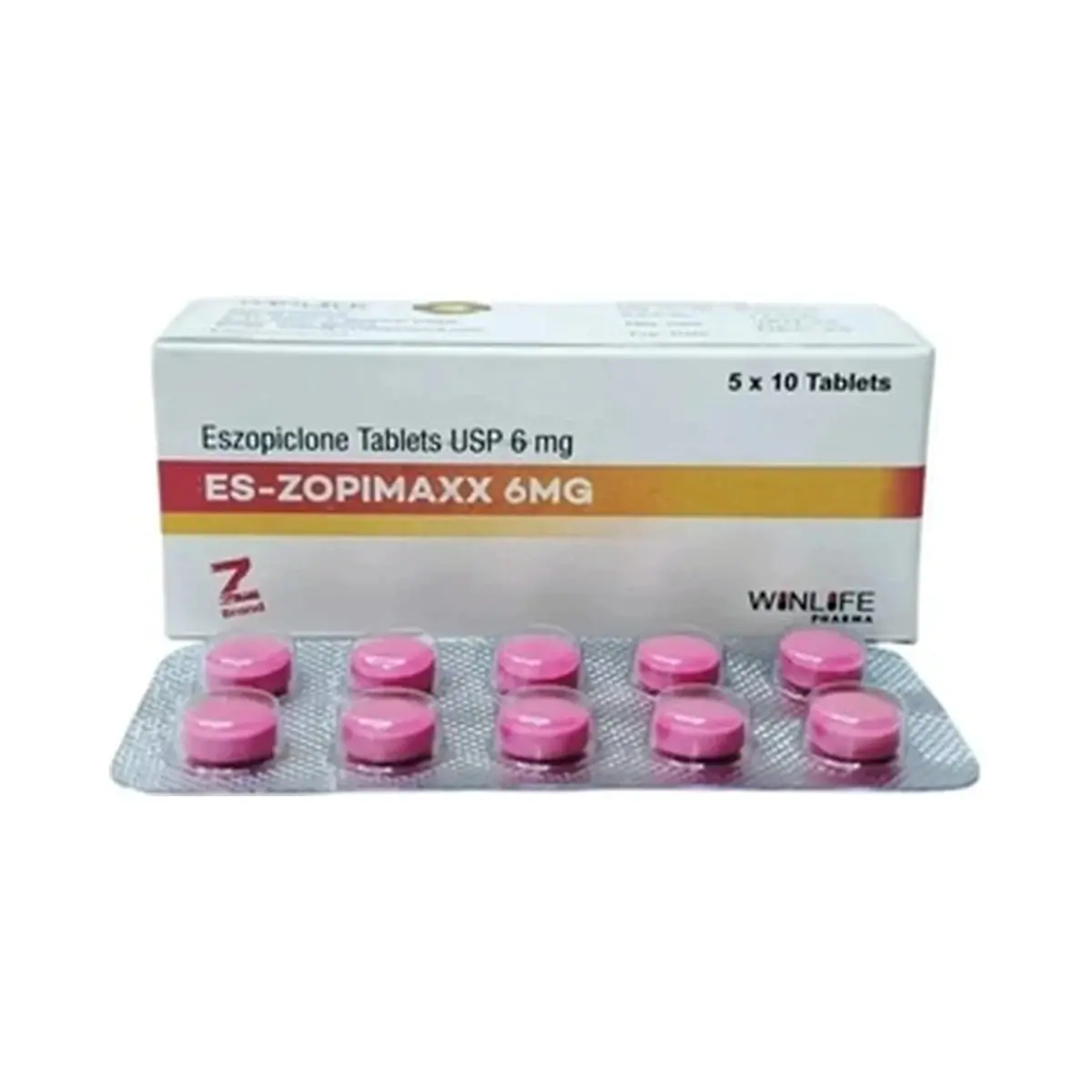
Es zopimaxx (Eszopiclone) 6 mg
Es zopimaxx is presented as an eszopiclone product. Eszopiclone is a prescription sleep medicine used for insomnia. In official U.S. prescribing information, eszopiclone tablets are available in 1 mg, 2 mg, and 3 mg strengths; a 6 mg strength is not listed in that labeling. The information below describes eszopiclone as an active ingredient and summarizes established medical knowledge about the medicine class.
Active Ingredient and Medicine Class
The verified active ingredient is eszopiclone. It is a non-benzodiazepine hypnotic, often described as a cyclopyrrolone-related sleep medicine. Medicines in this class act on the central nervous system to promote sleep without being benzodiazepines. Eszopiclone is classified as a controlled substance because of its sedative effects and potential for misuse or dependence.
Established Medical Uses
Eszopiclone is indicated for the treatment of insomnia. Official prescribing information states that it can reduce the time it takes to fall asleep and improve sleep maintenance. Clinical studies have evaluated it in adults with primary insomnia, and some research has also examined use in insomnia associated with other conditions. Its established use is for insomnia rather than for general anxiety, pain, or other unrelated conditions.
How It Works
Eszopiclone is a sedative-hypnotic medicine that acts on the brain’s inhibitory pathways to help initiate and maintain sleep. It enhances the effect of gamma-aminobutyric acid, a neurotransmitter that reduces nervous system activity. This calming action can shorten sleep latency and lessen nighttime awakenings, which may improve overall sleep continuity in people with insomnia.
Important Safety Information
Eszopiclone should not be used in people who have had complex sleep behaviors after taking the medicine, such as sleep-walking or sleep-driving, or in people with known hypersensitivity to eszopiclone. Official warnings also highlight the risk of next-day impairment, which may affect alertness, reaction time, and coordination even when the medicine is taken as prescribed.
Clinically significant interactions can occur with other central nervous system depressants, including alcohol and other sedating medicines, because combined effects may increase drowsiness and impairment. Potent CYP3A4 inhibitors can increase exposure to eszopiclone, and caution is advised in people with severe hepatic impairment. Older or debilitated patients may be more sensitive to sedative effects. The medicine should also be used cautiously in people with respiratory compromise or a history of depression or abnormal thinking.
Possible Side Effects
Commonly reported side effects include unpleasant taste, dry mouth, drowsiness, dizziness, headache, and sometimes nausea or abnormal dreams. In clinical trials, unpleasant taste was one of the most frequent adverse reactions and showed a dose-related pattern.
More serious reactions can include complex sleep behaviors, hallucinations, agitation, mood or behavior changes, allergic reactions such as angioedema or anaphylaxis, and worsening of next-day psychomotor performance. Rare but important concerns include withdrawal symptoms after stopping and the possibility of suicidal ideation in susceptible individuals.
Scientific Evidence
Randomized controlled trials have shown that eszopiclone can improve both sleep onset and sleep maintenance in adults with chronic insomnia. One six-month study reported sustained improvements in sleep quality, daytime function, and insomnia severity compared with placebo. Another trial over six weeks found better polysomnographic and patient-reported sleep outcomes with nightly eszopiclone. A later systematic review and meta-analysis found overall benefits for sleep outcomes, while also confirming that adverse effects such as unpleasant taste, dry mouth, somnolence, and dizziness were more common than with placebo.
Medical Information Notice
This educational summary is based on sources available at the time of review. It does not replace the official patient leaflet, prescribing information, or an individual assessment by a qualified healthcare professional.
Medical Sources
- U.S. Food and Drug Administration / DailyMed. LUNESTA (eszopiclone) tablets, official prescribing information
- Andrew D. Krystal et al. Sustained efficacy of eszopiclone over 6 months of nightly treatment: results of a randomized, double-blind, placebo-controlled study in adults with chronic insomnia. Sleep, 2003. View scientific article
- Gary K. Zammit et al. Efficacy and safety of eszopiclone across 6-weeks of treatment for primary insomnia. Current Medical Research and Opinion, 2004. View scientific article