Description
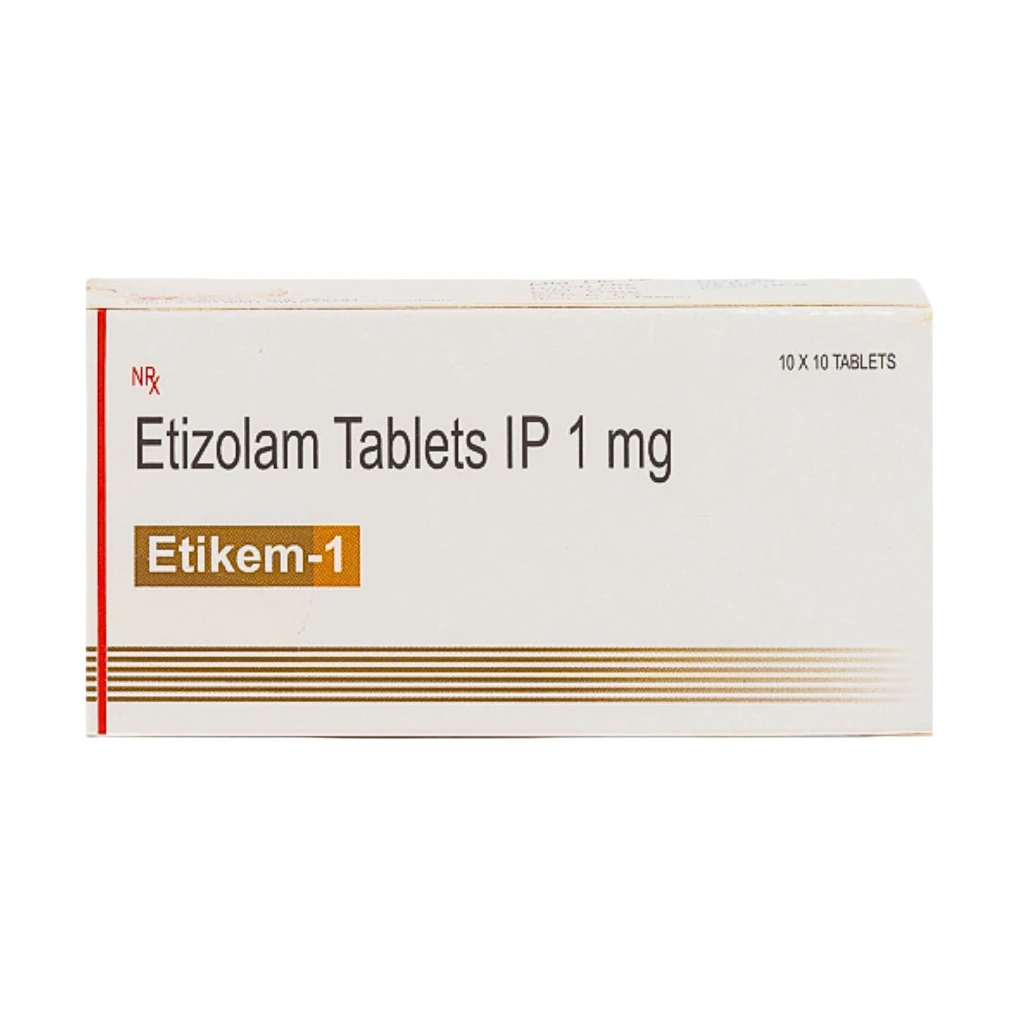
Etikem (Etizolam) 1 mg
Etikem 1 mg is a tablet medicine containing etizolam. Etizolam is a thienodiazepine-related anxiolytic with effects similar to other benzodiazepine-type medicines. It has been used in some countries for anxiety and anxiety-related sleep disturbance, but availability and legal status vary by country.
Active Ingredient and Medicine Class
The verified active ingredient is etizolam. It belongs to the thienodiazepine group and acts on the benzodiazepine binding site of the GABAA receptor. In practical terms, it is a central nervous system depressant medicine with anxiolytic and sedative properties.
Established Medical Uses
Published regulatory and scientific sources describe etizolam primarily as a medicine used for generalised anxiety disorder, including anxiety accompanied by depressive symptoms. Some sources also describe use for sleep-related symptoms and other anxiety-associated complaints. These uses have been reported in a limited number of countries and are not universal.
How It Works
Etizolam enhances the effect of gamma-aminobutyric acid, the brain’s main inhibitory neurotransmitter. This reduces excessive neural activity and can produce calming, muscle-relaxing and sleep-promoting effects. Its pharmacological profile is similar to other benzodiazepine-type medicines, although it is structurally distinct.
Important Safety Information
Etizolam is associated with class effects seen with benzodiazepine-type medicines, including sedation, impaired alertness, slowed reaction time and dependence potential. Regulatory reviews also note risks of misuse, tolerance, withdrawal symptoms and overdose harm, especially when combined with other central nervous system depressants such as alcohol or opioids. Caution is also warranted in people with a history of substance misuse or in settings where impaired driving or other hazardous activity is a concern.
Possible Side Effects
Commonly reported adverse effects include daytime drowsiness, sedation, dizziness, fatigue and reduced concentration. Other recognised effects include ataxia, slurred speech and muscle relaxation. More serious reactions can include confusion, marked respiratory depression, excessive sedation, withdrawal symptoms after stopping, and overdose-related toxicity, particularly in mixed-substance exposure.
Scientific Evidence
Human clinical studies published in the medical literature reported improvement in anxiety symptoms with etizolam in patients with generalised anxiety disorder, including studies comparing it with placebo and alprazolam. These trials were relatively small and are older, so they support historical anxiolytic activity rather than proving superiority over other treatments. Later reviews and WHO assessments have highlighted a more limited modern evidence base, together with increasing concerns about non-medical use, dependence and harm in illicitly supplied products.
Medical Information Notice
This summary is provided for educational purposes only and reflects sources available at the time of review. It does not replace the official patient leaflet, local prescribing information, or assessment by a qualified healthcare professional.
Medical Sources
- World Health Organization, Expert Committee on Drug Dependence. WHO Technical Report Series: Forty-second report. Official review discussing etizolam’s pharmacology, dependence potential and public-health concerns. View official WHO document
- United Kingdom Advisory Council on the Misuse of Drugs. A review of the evidence of use and harms of novel benzodiazepines. Official report noting etizolam’s medicinal status in some countries and the risks associated with misuse. View official report
- M Casacchia et al. Etizolam in the treatment of generalized anxiety disorder: a double-blind study versus placebo. Current Medical Research and Opinion, 1990. View scientific article
- F Pariante et al. Etizolam in the treatment of generalized anxiety disorder associated with depressive symptoms. Current Medical Research and Opinion, 1989. View scientific article