Description
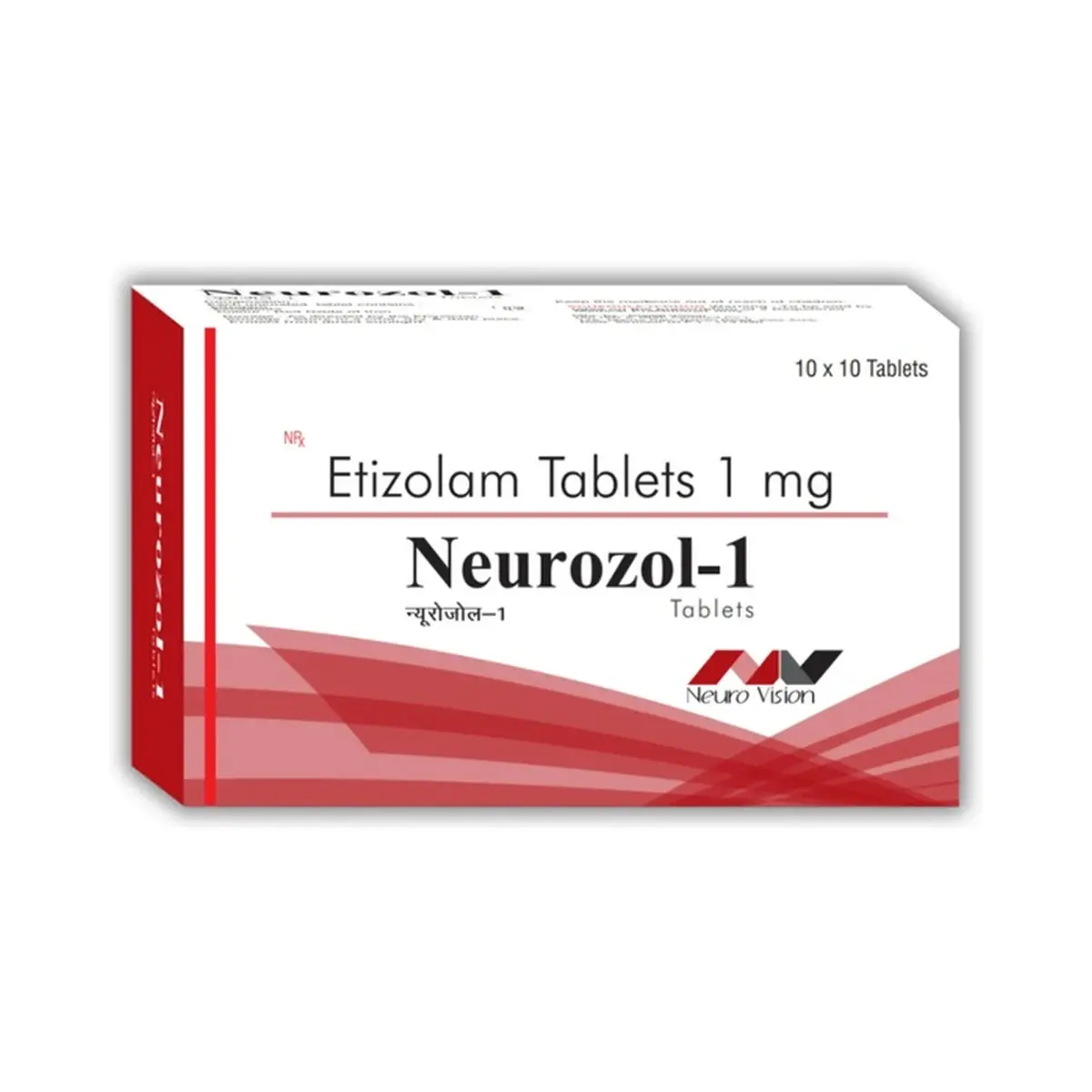
Neurozol (Etizolam) 1 mg
Neurozol 1 mg is a tablet medicine containing etizolam. Etizolam is a thienodiazepine-type compound with effects similar to benzodiazepines. In countries where it is used as a medicine, it has mainly been associated with short-term management of anxiety and related symptoms, and sometimes with sleep problems. Its clinical profile is characterised by calming, sedative and muscle-relaxant effects.
Active Ingredient and Medicine Class
The verified active ingredient is etizolam. It belongs to the benzodiazepine-related anxiolytic and sedative class, more specifically a thienodiazepine. It acts at the benzodiazepine site on the GABA-A receptor complex, enhancing the effect of the brain’s major inhibitory neurotransmitter, gamma-aminobutyric acid (GABA). This reduces excessive nervous system activity and helps explain its anxiolytic and sedating effects.
Established Medical Uses
Published and regulatory sources describe etizolam as a medicine used primarily for generalised anxiety disorder and anxiety states, including anxiety with depressive or somatic symptoms. Some sources also describe use for sleep problems. The medical literature includes controlled studies in patients with anxiety disorder, and reviews note its use for anxiety and panic symptoms. Etizolam is not established as a first-line long-term treatment for chronic anxiety or insomnia, and its recognised role is generally limited to short-term symptomatic relief.
How It Works
Etizolam enhances GABA-mediated inhibition in the central nervous system by binding to the benzodiazepine site on GABA-A receptors. This increases the calming effect of GABA and can reduce anxiety, muscle tension and agitation while also promoting drowsiness. Because the same receptor system is involved in alertness and coordination, the medicine can also impair attention, reaction time and motor performance.
Important Safety Information
Etizolam shares safety concerns seen with other benzodiazepine-like medicines. It should be avoided or used with particular caution in people with hypersensitivity to benzodiazepine-type medicines, significant respiratory compromise, severe liver disease, or a history of substance misuse, dependence or addiction. It can cause tolerance, dependence and withdrawal symptoms if used repeatedly, and its sedative effects may be intensified by alcohol, opioids, other sedatives, hypnotics, antipsychotics and some antidepressants. Combined use with other central nervous system depressants increases the risk of excessive sedation, impaired coordination and potentially dangerous respiratory depression. Because it can affect cognition and psychomotor function, caution is also warranted with activities requiring alertness.
Possible Side Effects
Commonly reported adverse effects include drowsiness, dizziness, fatigue, reduced alertness, slowed reactions and unsteadiness. Some patients may experience confusion, headache, gastrointestinal upset or impaired concentration. More serious reactions can include marked sedation, paradoxical agitation, memory disturbance, dependence, withdrawal symptoms, falls and, especially with other depressants, respiratory depression. The medical literature also notes concerns about misuse and non-medical use because of its reinforcing and sedative properties.
Scientific Evidence
Human studies and reviews support a short-term anxiolytic effect for etizolam, with older placebo-controlled trials showing improvement in anxiety symptoms and tolerability comparable to other sedative-anxiolytic medicines in selected patients. However, the evidence base is limited compared with many widely used modern anxiolytics, and most published studies are relatively small or older. More recent review literature emphasises that etizolam has both recognised medical effects and important harms, including misuse potential, dependence and toxicology concerns. Overall, the evidence supports cautious, limited use where the medicine is legally marketed and clinically appropriate.
Medical Information Notice
This summary is based on sources available at the time of review and is provided for educational purposes only. It does not replace the official patient leaflet, local prescribing information or assessment by a qualified healthcare professional.
Medical Sources
- UK Advisory Council on the Misuse of Drugs (ACMD). A review of the evidence of use and harms of novel benzodiazepines. Official report discussing etizolam’s pharmacology, medical status in the UK and harms. View official report
- M Casacchia et al. Etizolam in the treatment of generalized anxiety disorder: a double-blind study versus placebo. Current Medical Research and Opinion, 1990. View scientific article
- Abdul Aziz Al Bahri et al. Etizolam and Its Major Metabolites: A Short Review. Journal of Analytical Toxicology, 2023. View scientific article