Description
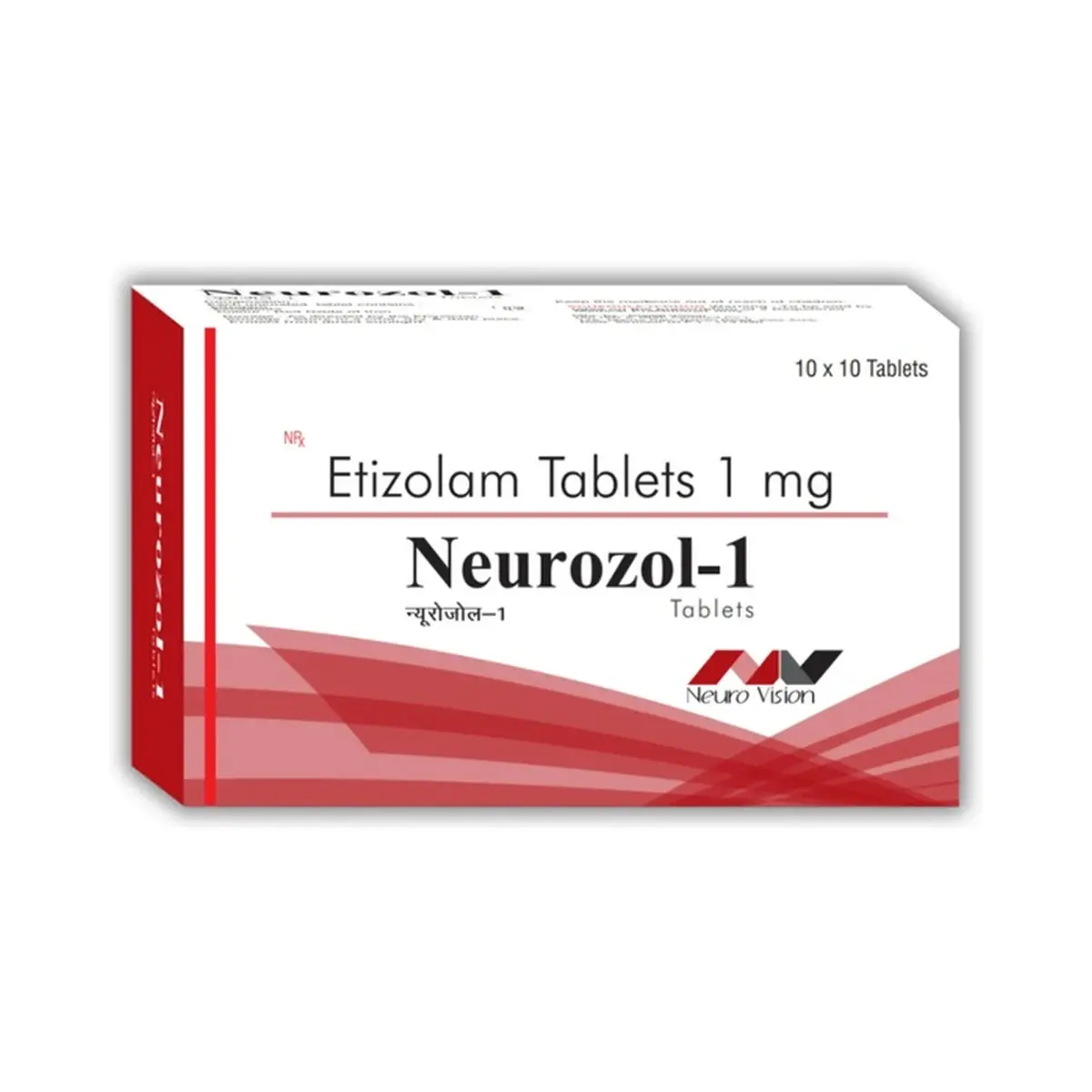
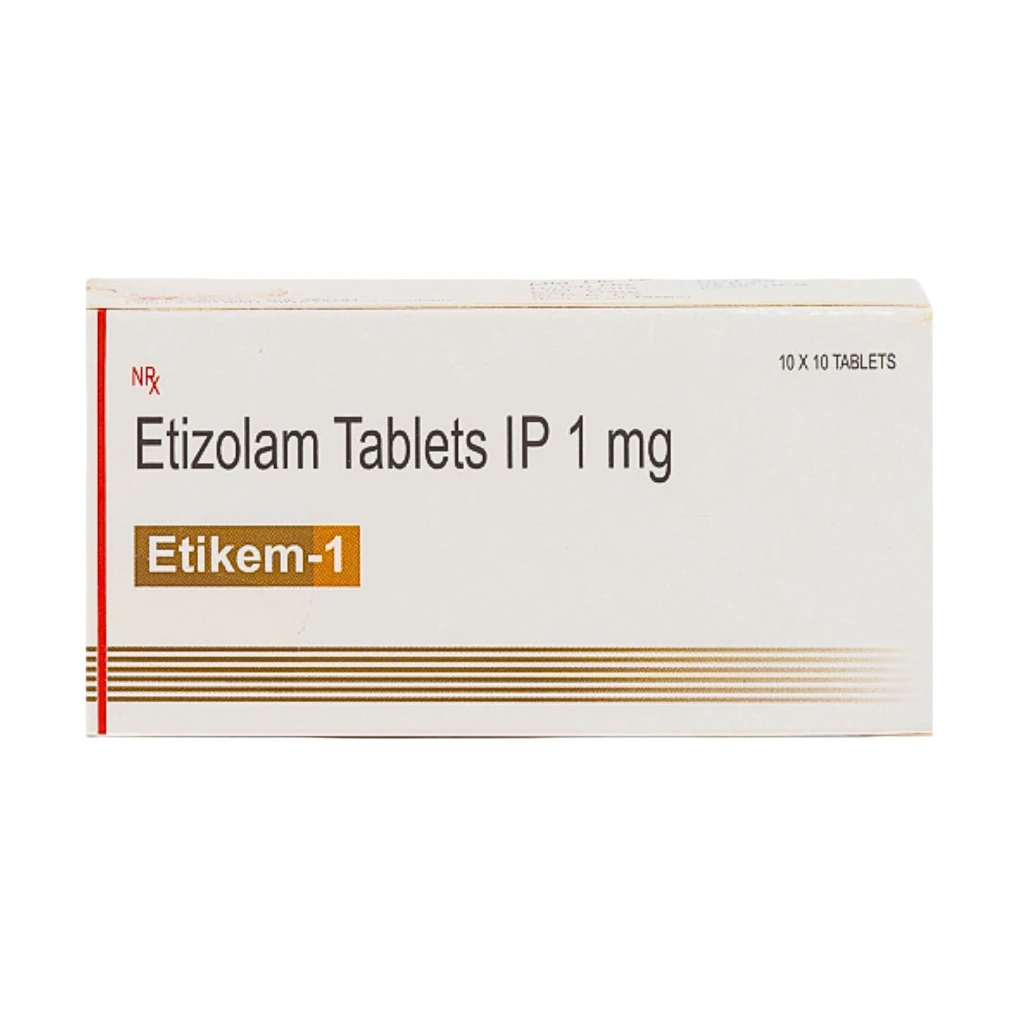
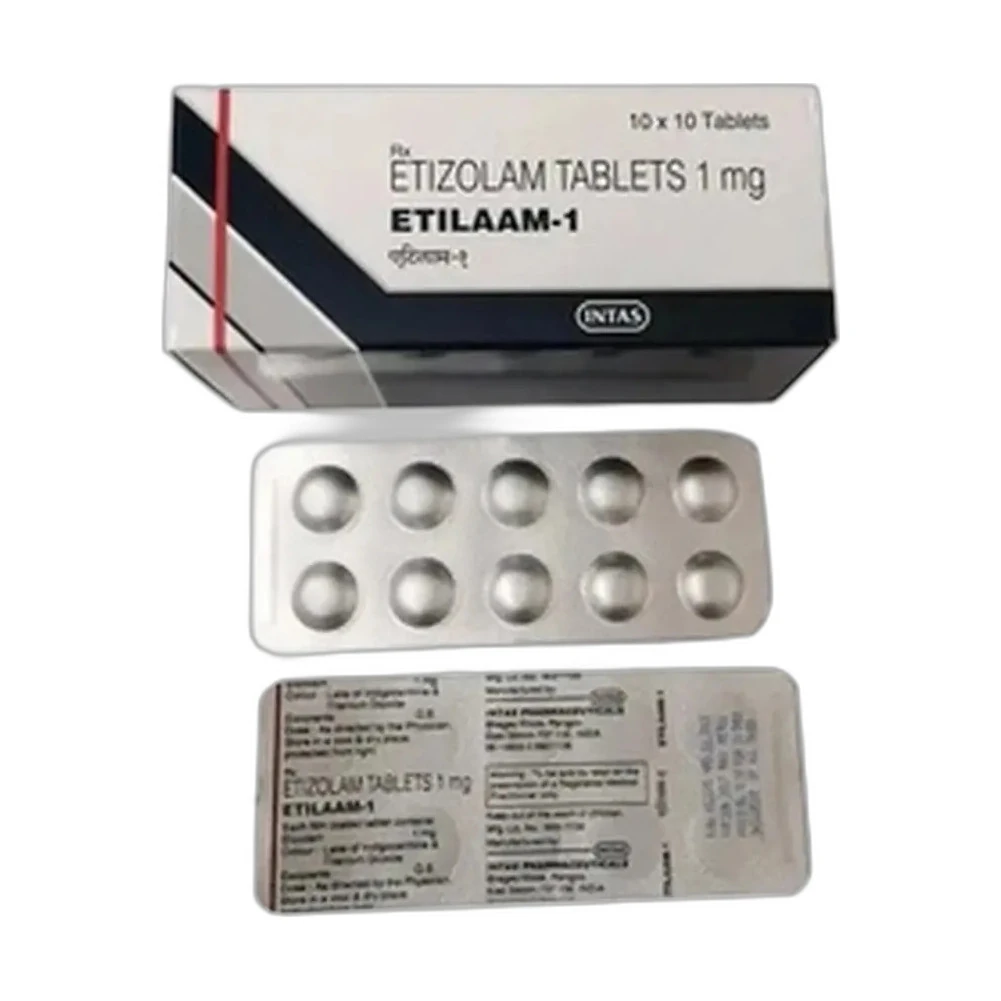
Etizolam
Etizolam is a thienodiazepine medicine with benzodiazepine-like effects on the central nervous system. It has been used in some countries for anxiety and related sleep disturbance, but its regulatory status varies and a current official U.S. or UK product label was not identified during this review.
Active Ingredient and Medicine Class
The verified active ingredient is etizolam 1 mg. It belongs to the thienodiazepine group and is pharmacologically related to benzodiazepines. Medicines in this class act as central nervous system depressants and are associated with calming, sedative, and muscle-relaxant effects.
Established Medical Uses
Published and official sources describe etizolam as having been used for generalised anxiety disorder and for anxiety associated with depressive symptoms. Some literature also describes use for sleep problems, but those uses should be understood in the context of local prescribing practice and regulatory approval, which are not uniform across countries.
How It Works
Etizolam acts at the benzodiazepine binding site on the GABA-A receptor. By enhancing the effect of gamma-aminobutyric acid, the main inhibitory neurotransmitter in the brain, it reduces excessive neuronal activity. This mechanism helps explain its anxiolytic and sedative effects, as well as its potential to cause drowsiness and impaired alertness.
Important Safety Information
Etizolam should be considered a central nervous system depressant with clinically important risks, including sedation, psychomotor impairment, tolerance, dependence, and withdrawal symptoms after prolonged use. Extra caution is warranted in people with a history of substance misuse or dependence, because misuse and non-medical use have been documented. Additive sedation and respiratory depression are important concerns when etizolam is combined with alcohol, opioids, other benzodiazepines, sleeping medicines, sedating antihistamines, antipsychotics, or other CNS depressants. Like other drugs in this class, it may also worsen impairment in situations requiring concentration and coordination.
Possible Side Effects
Commonly reported adverse effects include daytime drowsiness, sleepiness, dizziness, and reduced alertness. Other recognised effects may include impaired coordination, slowed reaction time, and fatigue. More serious reactions can include confusion, excessive sedation, paradoxical agitation in some individuals, and dependence or withdrawal phenomena. Overdose or combination with other depressants can lead to severe toxicity.
Scientific Evidence
Human studies and reviews suggest that etizolam has anxiolytic activity and a clinical profile broadly similar to other benzodiazepine-like medicines. A placebo-controlled trial in generalised anxiety disorder reported improvement in anxiety symptoms and noted drowsiness among adverse effects. Later reviews describe etizolam as a short-acting benzodiazepine analogue with pharmacological effects close to diazepam, while also emphasising concerns about misuse, intoxication, and fatalities reported in observational and toxicology literature. Overall, the evidence supports anxiolytic activity, but it also highlights the need for caution because safety risks are meaningful and depend on patient context and co-exposures.
Medical Information Notice
This page is an educational summary based on sources available at the time of review. It does not replace the official patient leaflet, local prescribing information, or assessment by a qualified healthcare professional.
Medical Sources
- UK Advisory Council on the Misuse of Drugs (ACMD). U-47,700 and etizolam and designer benzodiazepines: report and recommendations. Official government report. View official report
- FDA. FDA Online Label Repository. Official drug-label database and search resource. View official resource
- M Casacchia, F Bolino, U Ecari. Etizolam in the treatment of generalized anxiety disorder: a double-blind study versus placebo. Current Medical Research and Opinion, 1990. View scientific article
- Abdul Aziz Al Bahri et al. Etizolam and Its Major Metabolites: A Short Review. Journal of Analytical Toxicology, 2023. View scientific article