Description
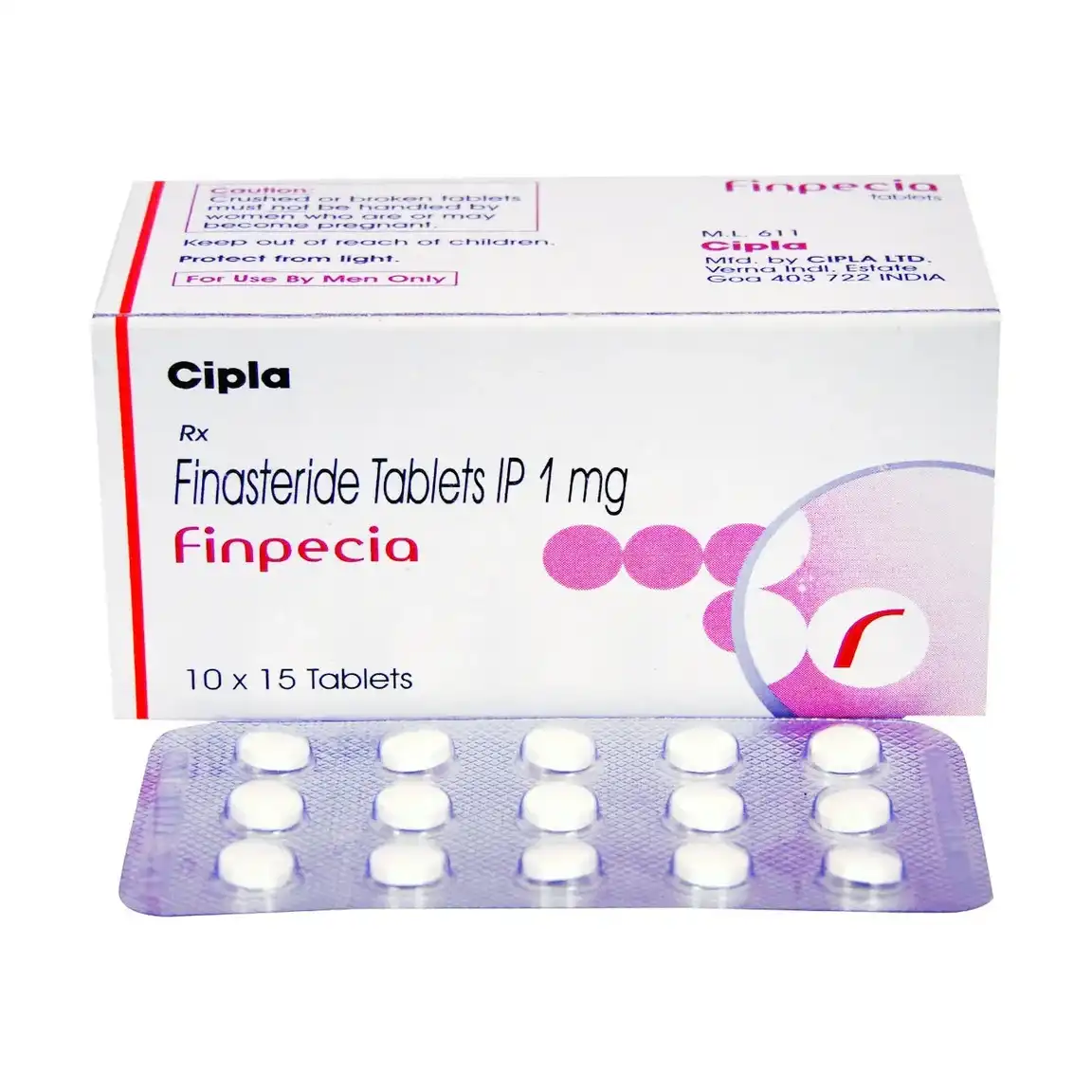
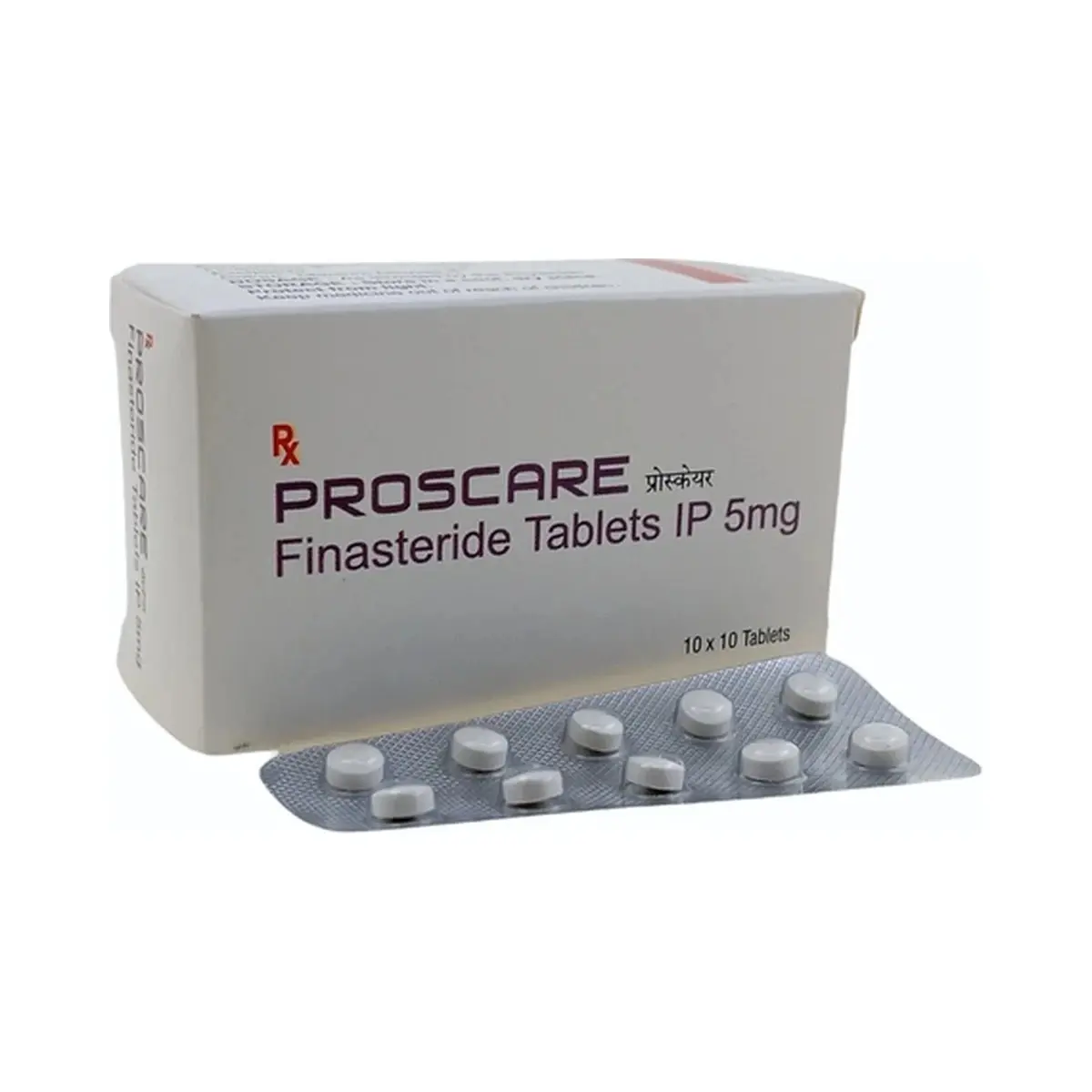
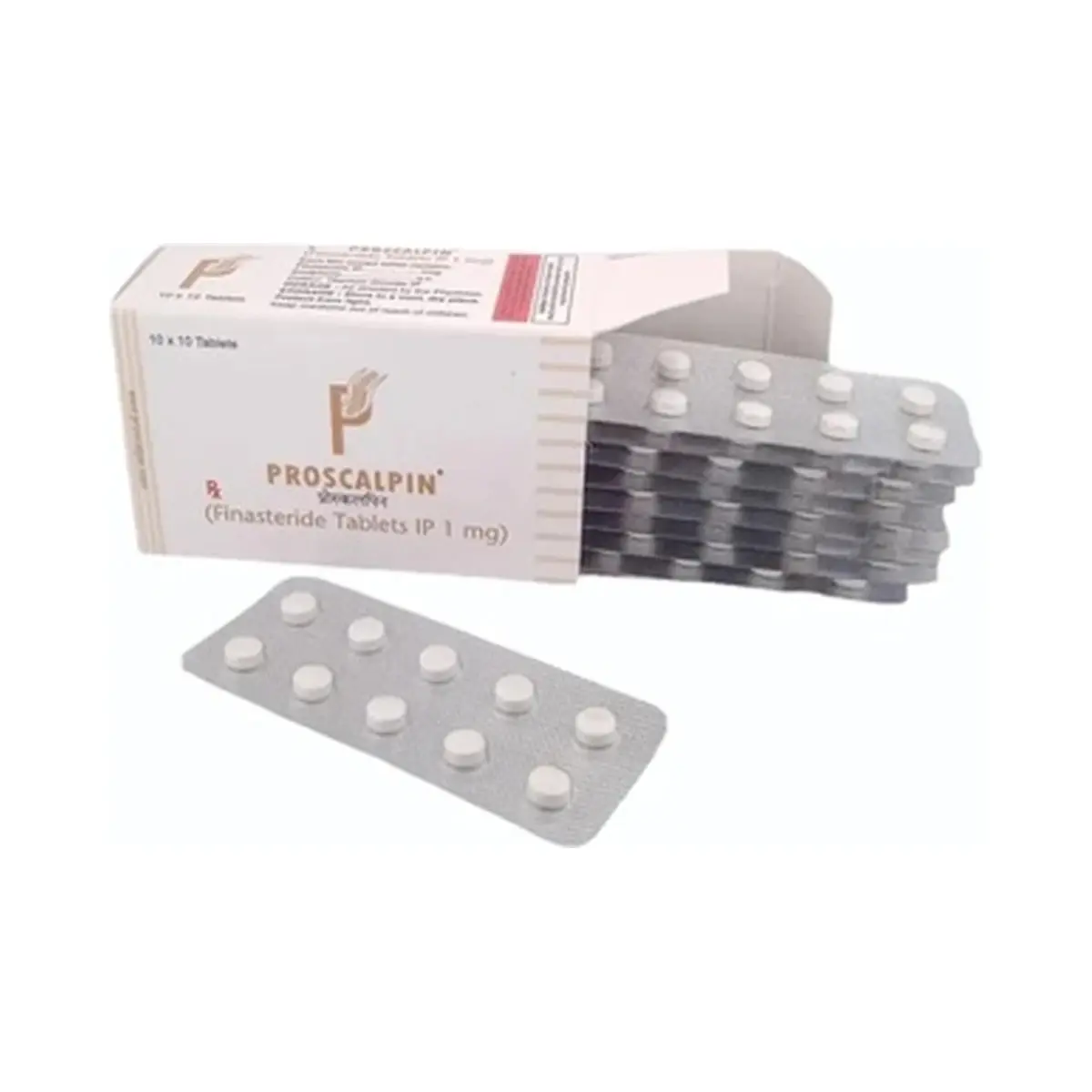
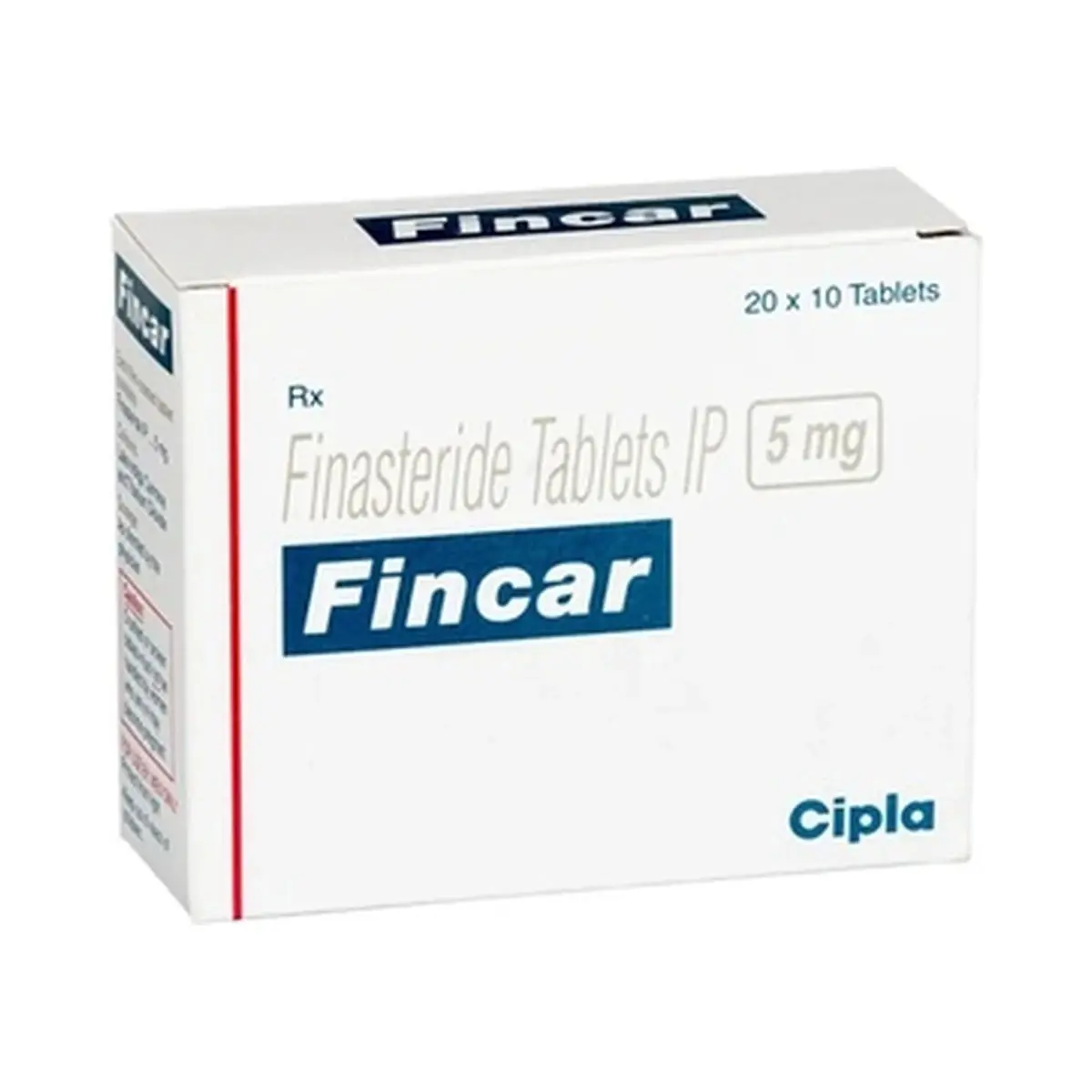
Fincar (Finasteride) 5 mg
Fincar 5 mg is a finasteride-containing medicine. Finasteride is a prescription 5-alpha-reductase inhibitor used for symptomatic benign prostatic hyperplasia (BPH) in men with an enlarged prostate. The available evidence supports its role in improving urinary symptoms and reducing certain BPH-related complications over time.
Active Ingredient and Medicine Class
The verified active ingredient is finasteride 5 mg. It belongs to the 5-alpha-reductase inhibitor class. This class reduces the conversion of testosterone to dihydrotestosterone (DHT), a hormone that contributes to prostate growth.
Established Medical Uses
Finasteride 5 mg is established for the treatment of symptomatic benign prostatic hyperplasia in men with an enlarged prostate. Official prescribing information states that it is used to improve urinary symptoms and to reduce the risk of acute urinary retention and the need for BPH-related surgery. It is also used in some patients together with doxazosin to reduce the risk of symptomatic progression of BPH.
How It Works
Finasteride blocks type II 5-alpha-reductase, the enzyme that converts testosterone into DHT. By lowering DHT levels, it can gradually reduce prostate size and help relieve obstruction-related urinary symptoms. The effect is not immediate; it develops over time as the hormonal signal that supports prostate enlargement is reduced.
Important Safety Information
Finasteride is contraindicated in pregnancy and should not be used by females who are or may become pregnant because it may cause abnormalities of the external genitalia of a male fetus. Hypersensitivity to finasteride or any tablet component is also a contraindication.
Important precautions include the effect on prostate-specific antigen (PSA), which is lowered by about 50% after several months of treatment. PSA results must therefore be interpreted carefully in patients taking finasteride. The medicine may also be associated with an increased risk of high-grade prostate cancer in labeling warnings, so ongoing clinical evaluation remains important.
Clinically significant interactions have not been identified with many commonly used medicines, and finasteride does not appear to affect the cytochrome P450 system in a clinically meaningful way. Nonetheless, official labeling should always be reviewed for the full safety profile, especially when other urological therapies are being used.
Possible Side Effects
The most commonly reported adverse effects are related to sexual function, including decreased libido, erectile dysfunction, and ejaculatory disorders. Breast enlargement or tenderness has also been reported. Less common but important postmarketing reports include depression and male breast cancer. Some sexual adverse effects have been reported to persist after discontinuation in postmarketing experience, although frequency and causality are difficult to establish from spontaneous reports.
Scientific Evidence
Randomised clinical trials in men with BPH have shown that finasteride 5 mg can reduce prostate volume, improve urinary flow, and lessen urinary symptoms compared with placebo. Longer-term studies also found reduced risk of acute urinary retention and surgery related to BPH. Review articles and systematic assessments have generally confirmed these benefits while noting that sexual adverse effects are the main tolerability concern.
Medical Information Notice
This page is an educational summary based on sources available at the time of review. It does not replace the official patient leaflet, prescribing information, or individual assessment by a qualified healthcare professional.
Medical Sources
- U.S. Food and Drug Administration. PROSCAR (finasteride) Tablets, Prescribing Information
- DailyMed / National Library of Medicine. Finasteride Tablets 5 mg, U.S. prescribing information
- The Finasteride Study Group. The effect of finasteride in men with benign prostatic hyperplasia. New England Journal of Medicine, 1992. View scientific article
- Finasteride Long-Term Efficacy and Safety Study Group. The effect of finasteride on the risk of acute urinary retention and the need for surgical treatment among men with benign prostatic hyperplasia. New England Journal of Medicine, 1998. View scientific article