Description
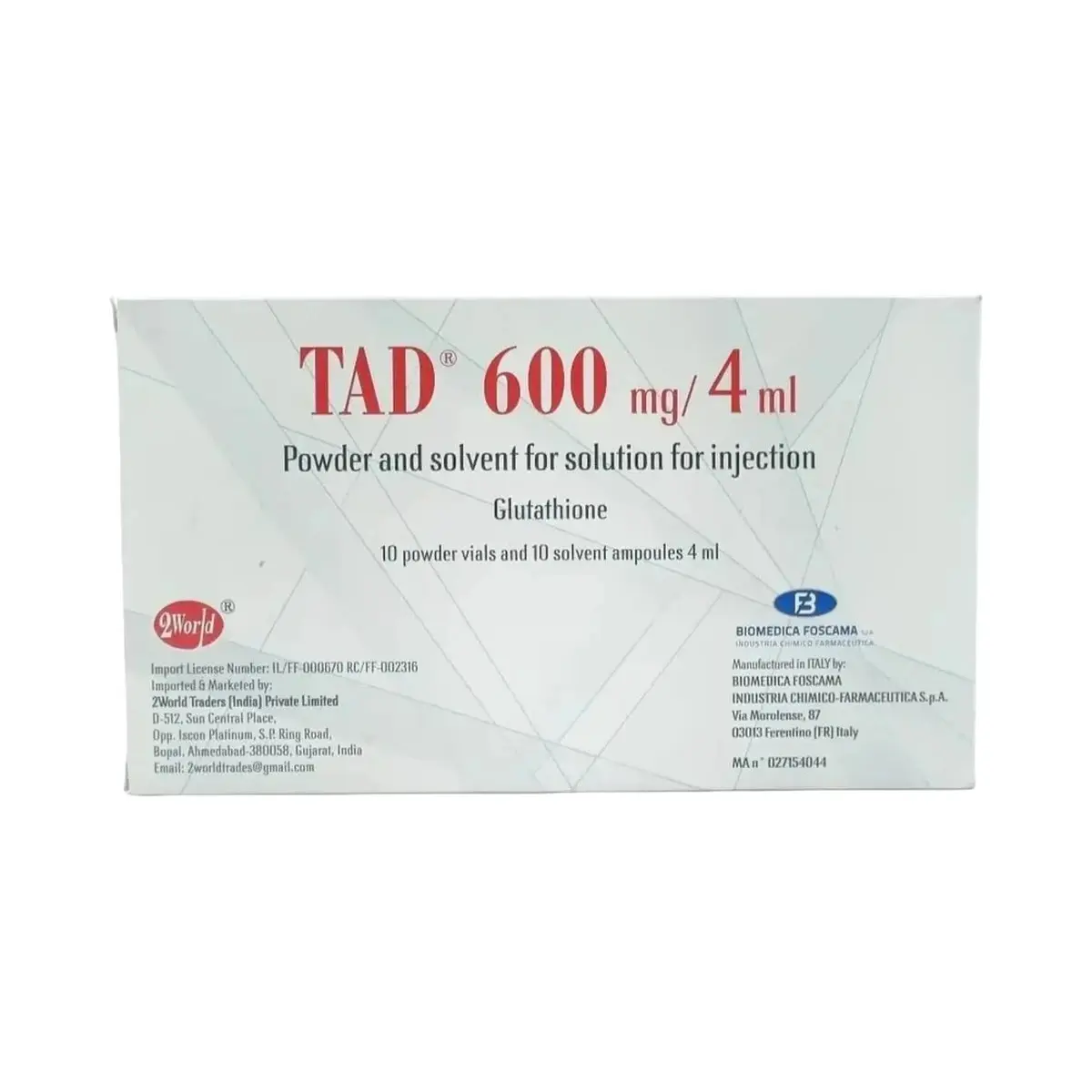
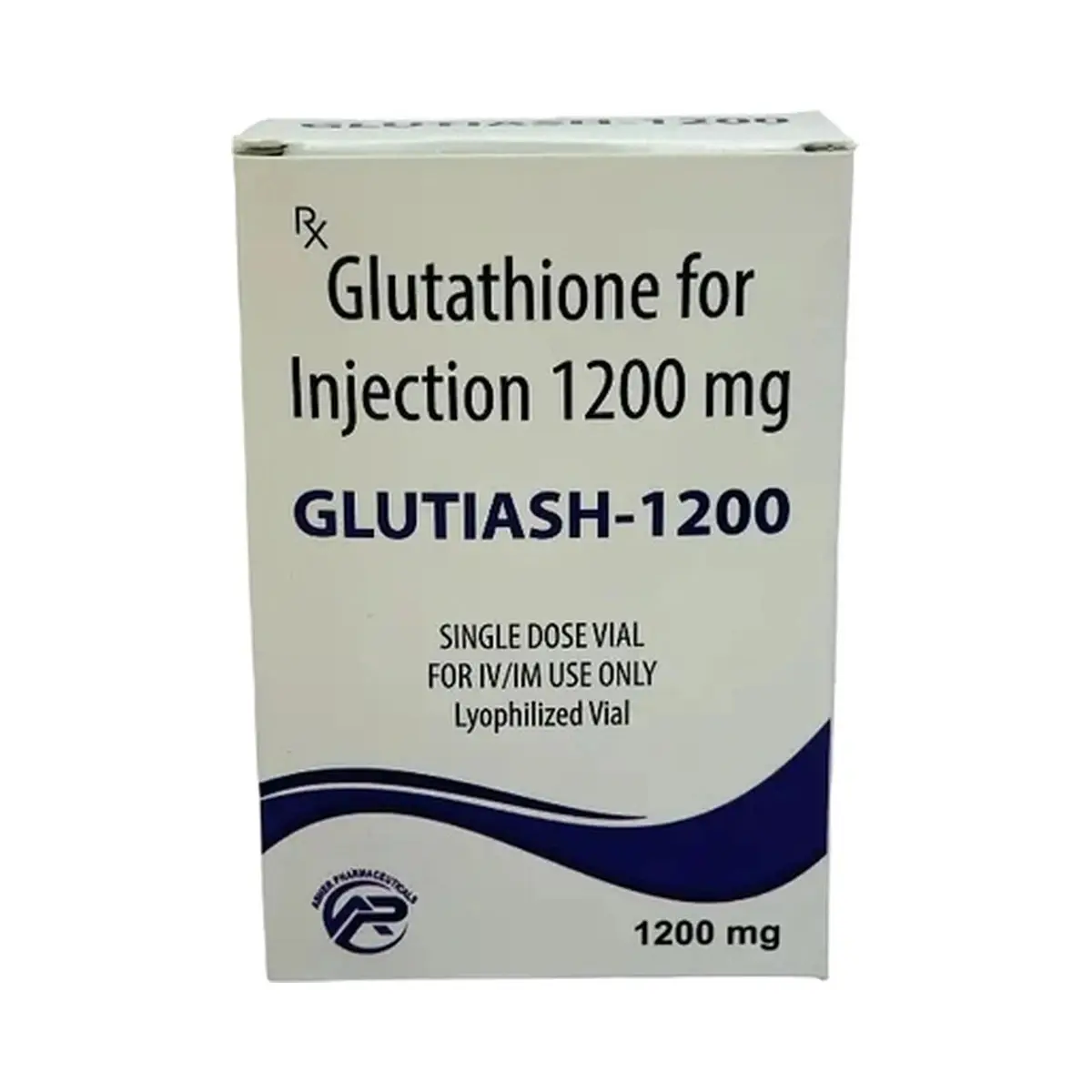
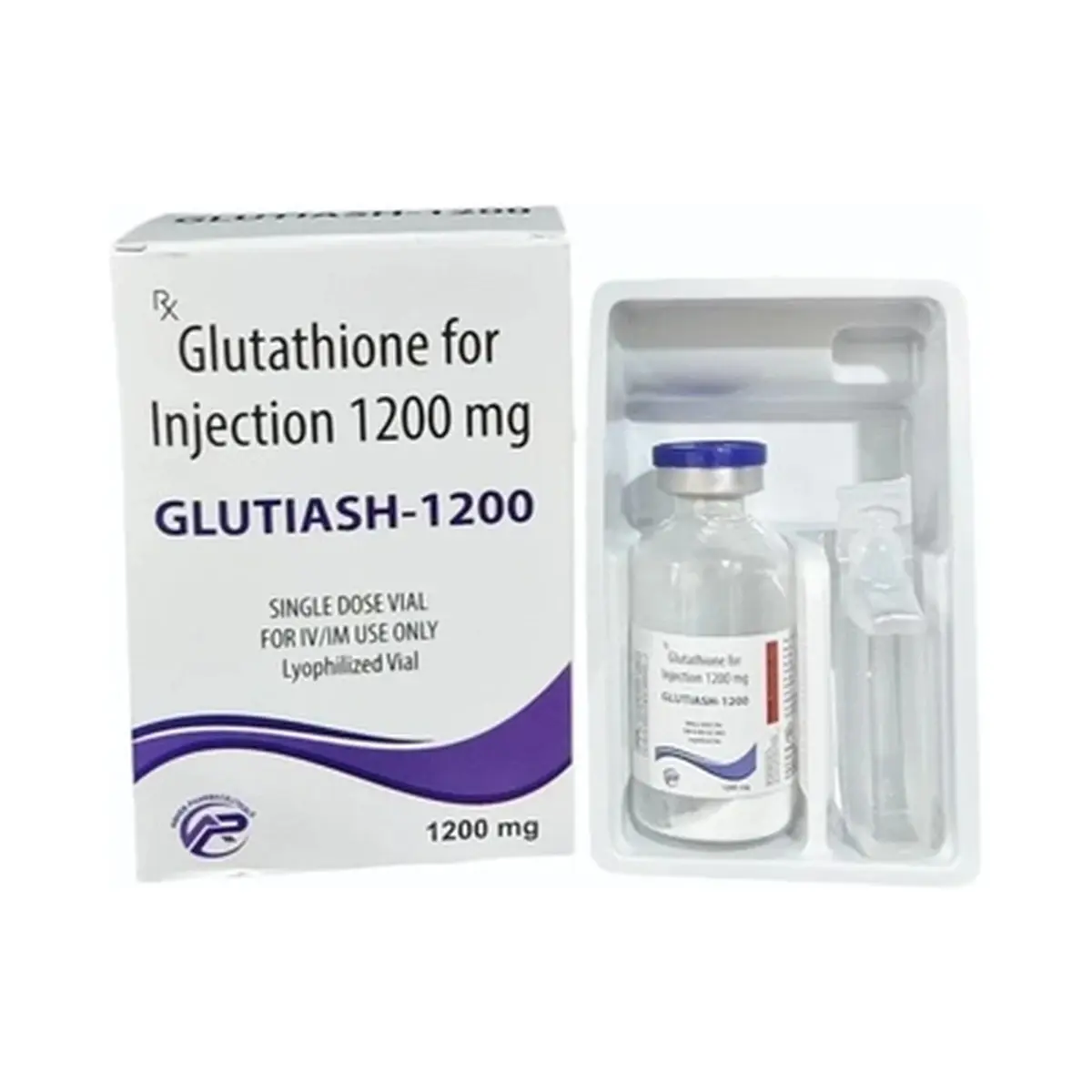
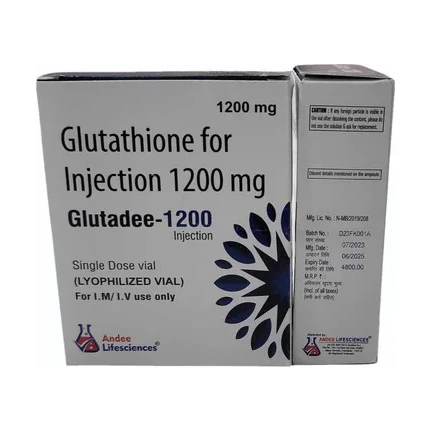
Glutadee (Glutathione) 600 mg – 1 vial
Glutadee appears to be a glutathione injection product, although the exact trade name could not be independently verified in the official sources reviewed. Glutathione is a naturally occurring tripeptide found in human cells and is best known for its role in antioxidant defense and cellular redox balance. Because standalone injectable glutathione products have limited regulatory documentation in the reviewed sources, this page should be understood as an educational summary of glutathione as an active ingredient rather than a confirmation of a specific approved branded medicine.
Active Ingredient and Medicine Class
The verified active ingredient is glutathione, usually referring to reduced glutathione (GSH). It is a low-molecular-weight thiol peptide made from glutamate, cysteine and glycine. Pharmacologically, it is generally described as an antioxidant and redox-modulating agent rather than as a conventional drug class with broad, standardized indications.
Established Medical Uses
In the official and peer-reviewed sources reviewed, glutathione is not supported as a widely established standalone injectable medicine with a single universally accepted indication. Human studies have investigated it as an adjunct in a variety of settings, including protection against chemotherapy-related toxicity and other experimental or off-label uses. However, these studies do not establish a broad, routine clinical indication for injectable glutathione.
Some official documents discuss glutathione in specific product contexts, such as its presence in ophthalmic irrigation solutions or orphan-designation research programs, but these do not confirm a general injectable glutathione indication for routine use.
How It Works
Glutathione helps cells defend against oxidative stress. It participates in the neutralization of reactive oxygen species and supports cellular redox reactions through the glutathione/glutathione-disulfide system. It also contributes to detoxification pathways by helping the body process certain reactive compounds. These functions explain why glutathione has been studied in conditions where oxidative injury or treatment-related toxicity is thought to be relevant.
Important Safety Information
Safety information for standalone injectable glutathione is limited in the reviewed official sources, and long-term systemic safety has not been well established. Published reviews have raised concerns about the lack of robust safety data for intravenous use, particularly where chronic or cosmetic use is concerned. Reported concerns in the literature include infusion-related reactions, hypersensitivity, and uncertainty about risks with repeated exposure.
Because exact regulatory labeling for a specific Glutadee product could not be verified, important contraindications and drug interaction details cannot be stated with confidence for this exact item. In general, caution is warranted in people with a history of allergy to injectable products or in situations where any parenteral therapy may increase risk.
Possible Side Effects
Reported adverse effects in clinical and review literature are not exhaustive, but may include nausea, flushing, rash, or other hypersensitivity-type reactions. More serious reactions described in the literature include anaphylaxis and liver-related adverse effects in some reports, although the true frequency is uncertain because high-quality safety data are limited. The evidence base does not support assuming that injectable glutathione is free from clinically important risks.
Scientific Evidence
Human studies have examined glutathione in small trials and reviews across different contexts. Some older randomized studies suggested possible benefit in reducing toxicity from cisplatin-based chemotherapy, while later reviews concluded that evidence for many uses remains limited and heterogeneous. For intravenous cosmetic skin-lightening use, published reviews have specifically noted inadequate safety data and insufficient evidence to support routine use. Overall, the scientific literature suggests biological plausibility and some exploratory clinical signals, but not a strong, standardized evidence base for routine injectable use.
Medical Information Notice
This summary is based on sources available at the time of review and is intended for educational purposes only. It does not replace the official patient leaflet, local product information, or assessment by a qualified healthcare professional.
Medical Sources
- U.S. Food and Drug Administration. Pharmacy Compounding Advisory Committee briefing document discussing intravenous glutathione
- DailyMed / U.S. National Library of Medicine. BSS PLUS sterile intraocular irrigating solution containing glutathione disulfide
- Lester M Davids et al. Intravenous glutathione for skin lightening: Inadequate safety data. South African Medical Journal, 2016. View scientific article
- Glutathione (GSH) improved haemostatic and haemorheological parameters in atherosclerotic subjects. PubMed-indexed clinical trial, 1992. View scientific article