Description
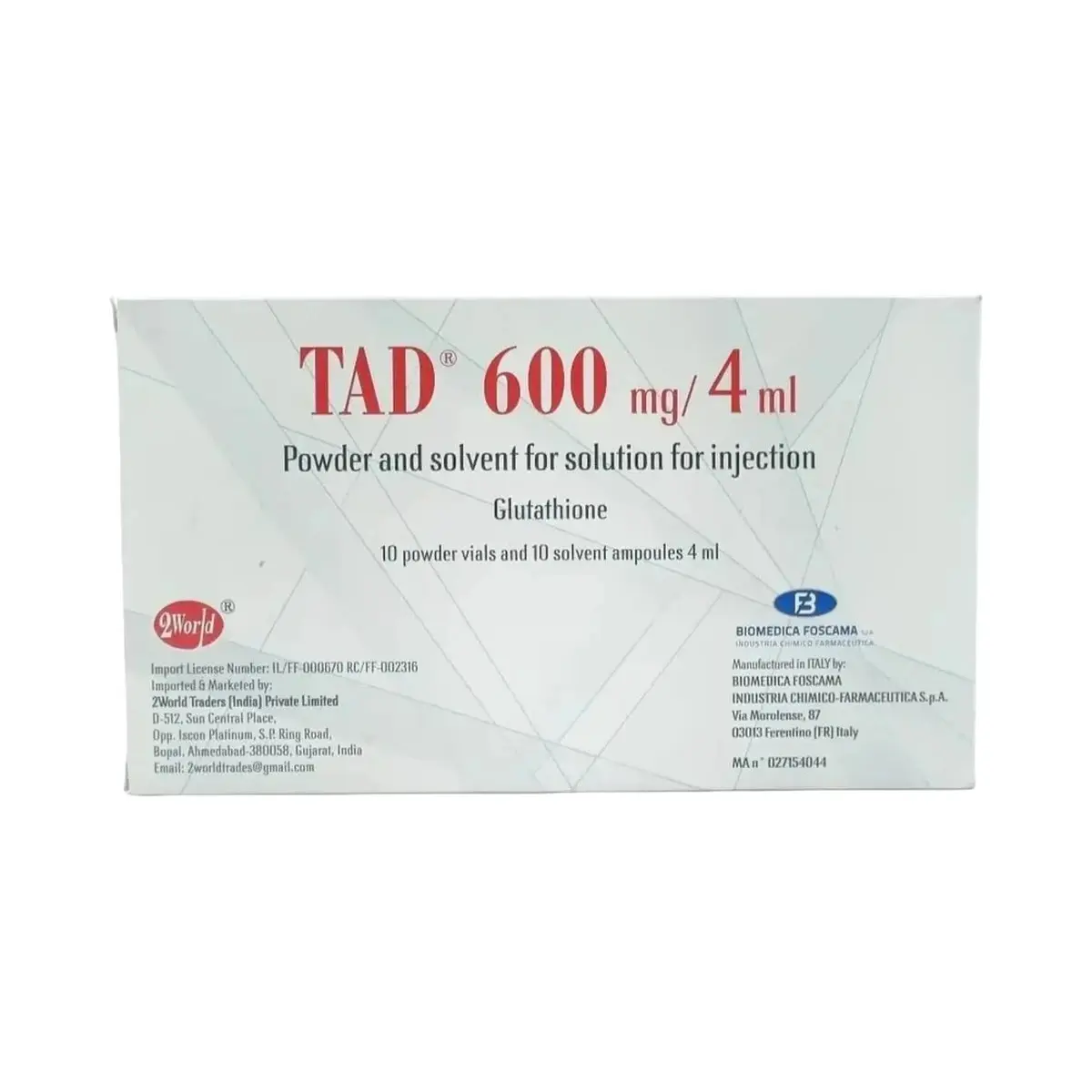
Tad (Glutathione) 600 mg
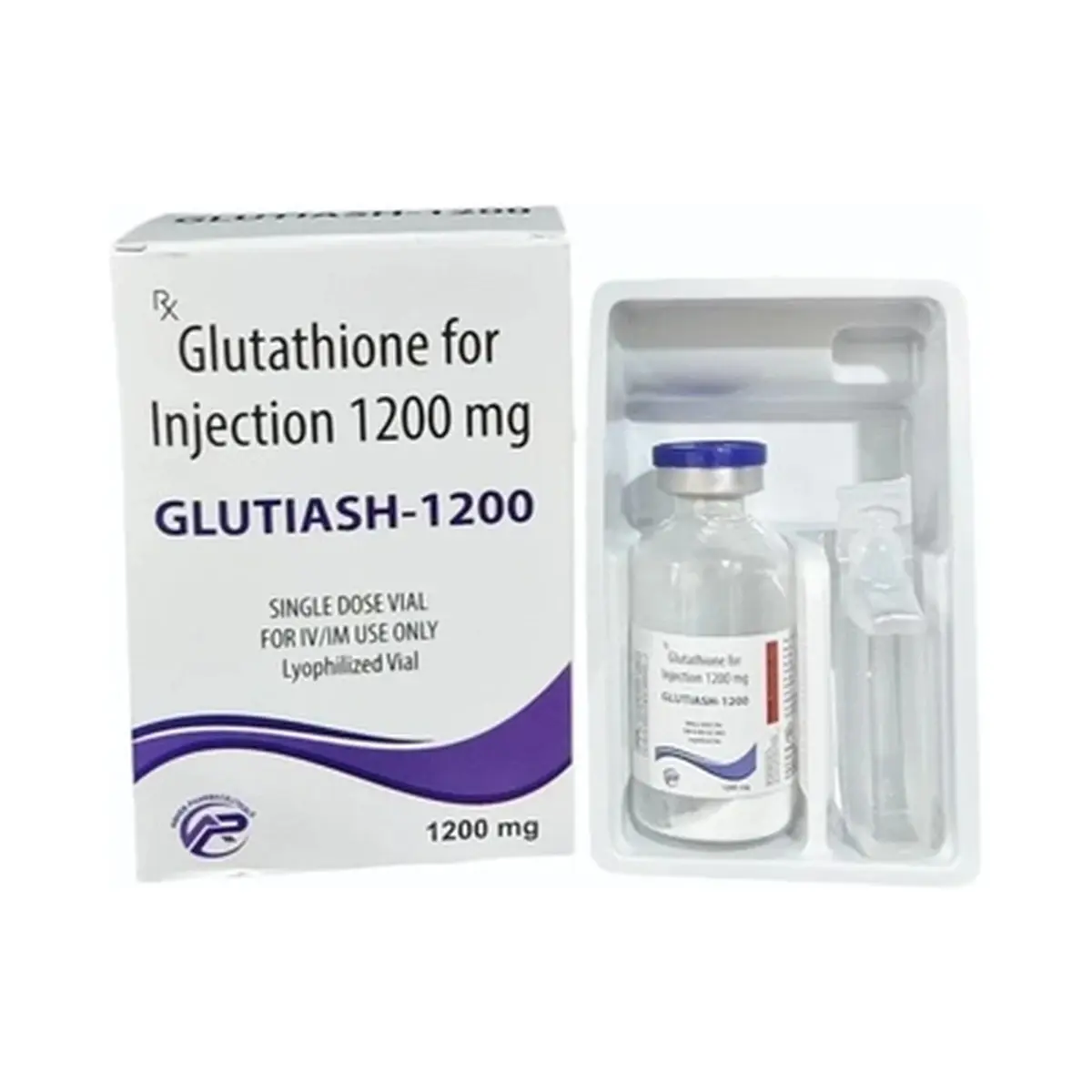
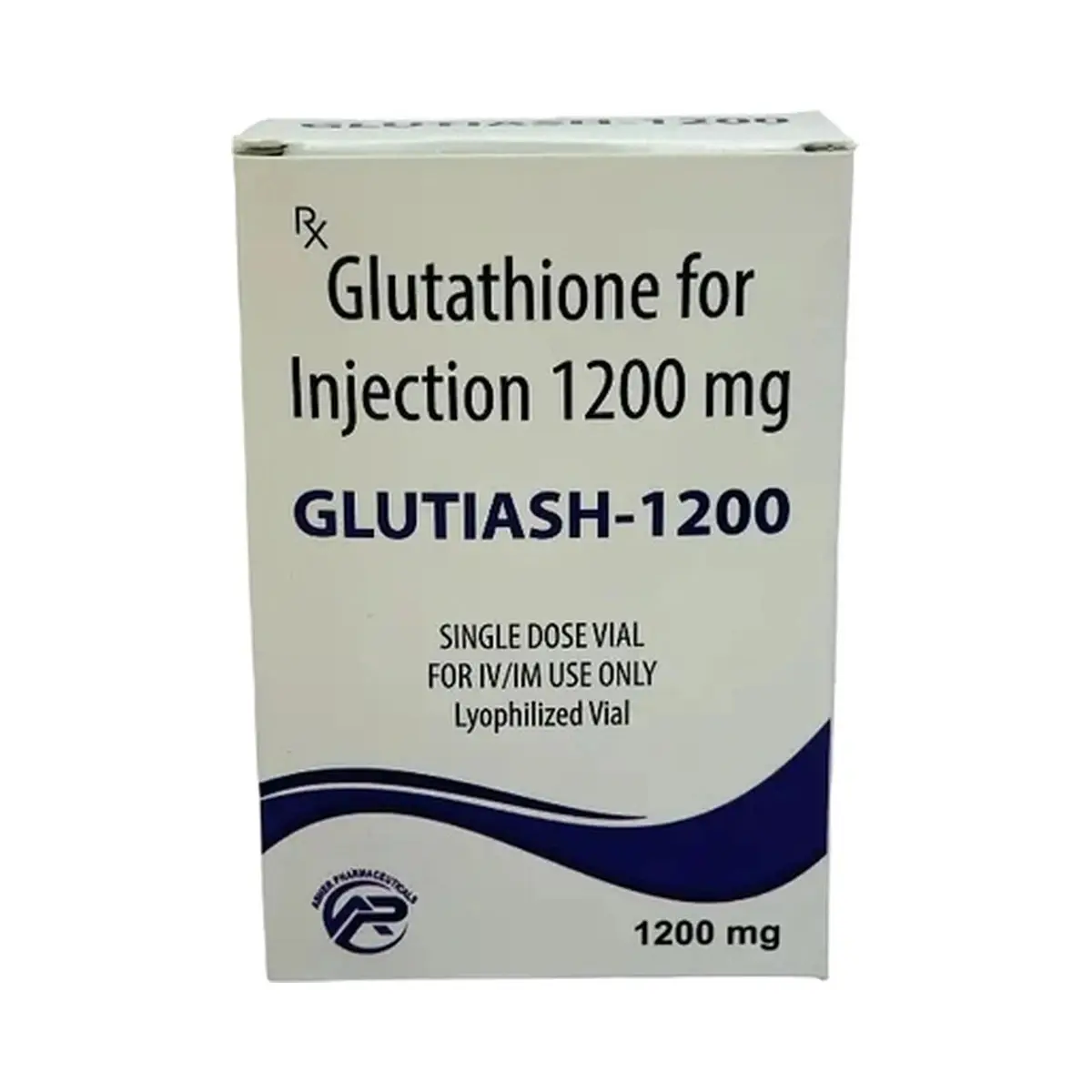
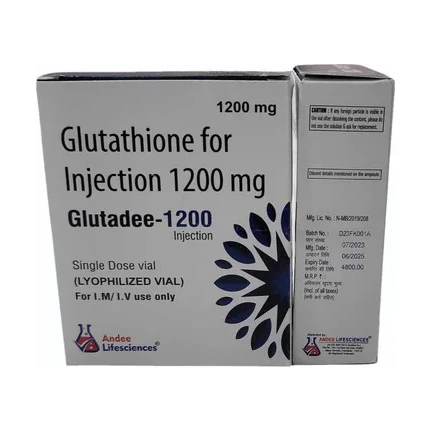
Tad (Glutathione) 600 mg is described as an injectable glutathione product. Glutathione is a naturally occurring tripeptide found in human cells and is best known for its role in antioxidant defense and cellular redox balance. The exact trade name “Tad” could not be verified from authoritative prescribing sources, so this summary focuses on glutathione as the active ingredient.
Active Ingredient and Medicine Class
The verified active ingredient is glutathione, also called reduced glutathione or L-glutathione. It is a naturally occurring antioxidant molecule and a biological reductant involved in cellular protection and detoxification pathways. In medicine, injectable glutathione has been discussed mainly as a compounded product rather than as a widely standardized, approved drug in many markets.
Established Medical Uses
Glutathione has been studied for a range of medical and investigational uses, including antioxidant support in oxidative-stress related conditions and some supportive-care settings. However, authoritative sources do not establish broad, routine clinical indications for injectable glutathione, and evidence for many proposed uses remains limited or inconsistent.
Some products marketed as glutathione injections have also been promoted for cosmetic skin-lightening purposes, but this use is not supported by robust clinical evidence and should not be presented as an established medical indication.
How It Works
Glutathione helps maintain normal cellular redox balance by participating in reactions that neutralise reactive oxygen species and other electrophilic compounds. It also supports enzymatic detoxification systems in cells, including conjugation pathways that make certain compounds easier to process and eliminate. Because glutathione is rapidly metabolised, the effect of injectable formulations may be short-lived and depends heavily on formulation and route of use.
Important Safety Information
Important safety concerns have been reported with injectable glutathione, especially with compounded or non-standard products. Regulatory sources have highlighted risks such as hypersensitivity reactions, anaphylaxis, wheezing, breathlessness, liver-related toxicity, and infusion-related adverse events. FDA communications have also described serious reactions linked to compounded glutathione injections, including nausea, vomiting, lightheadedness, chills, low blood pressure, breathing difficulty, and fever.
Because injectable glutathione is often compounded rather than obtained from a broadly approved branded product, product quality, sterility, endotoxin control, and consistency may vary. This makes careful source verification important. The product should be considered with caution in people with a history of allergy to similar preparations or those at risk of severe infusion reactions.
Possible Side Effects
Reported side effects include nausea, vomiting, lightheadedness, flushing, chills, body aches, fever, headache, and local injection-related reactions. More serious reactions may include hypersensitivity, bronchospasm, difficulty breathing, hypotension, and suspected bloodstream infection or endotoxin-related reactions when compounding quality is poor.
Long-term safety data for repeated injectable use are limited, and published reviews note that adverse-effect reporting is often incomplete.
Scientific Evidence
Human evidence for injectable glutathione remains limited and heterogeneous. Reviews in PubMed have concluded that the evidence for cosmetic skin-lightening effects is inconclusive or not persuasive, and that safety data for chronic intravenous use are inadequate. Broader scientific reviews describe glutathione as an important endogenous antioxidant, but they do not establish injectable glutathione as a proven treatment for most proposed clinical or cosmetic uses.
Medical Information Notice
This page is an educational summary based on sources available at the time of review. It is not a substitute for the official patient leaflet, product-specific regulatory information, or assessment by a qualified healthcare professional.
Medical Sources
- U.S. Food and Drug Administration. FDA highlights concerns with using dietary ingredient glutathione to compound sterile injectables. View official FDA communication
- U.S. Food and Drug Administration. FDA warns health care professionals not to use injectable vitamin products distributed by Medical Supply Liquidators with a Sunshine Labs label. View official FDA safety alert
- U.S. Food and Drug Administration. Pharmacy Compounding Advisory Committee briefing information on glutathione. View FDA briefing document
- Parthasarathi A et al. Glutathione as a skin whitening agent: Facts, myths, evidence and controversies. PubMed, 2016. View scientific article
- Handog EB et al. The clinical effect of glutathione on skin color and other related skin conditions: A systematic review. PubMed, 2019. View scientific article
- Reddy BP et al. Glutathione in health and disease: pharmacotherapeutic issues. PubMed, 1996. View scientific article