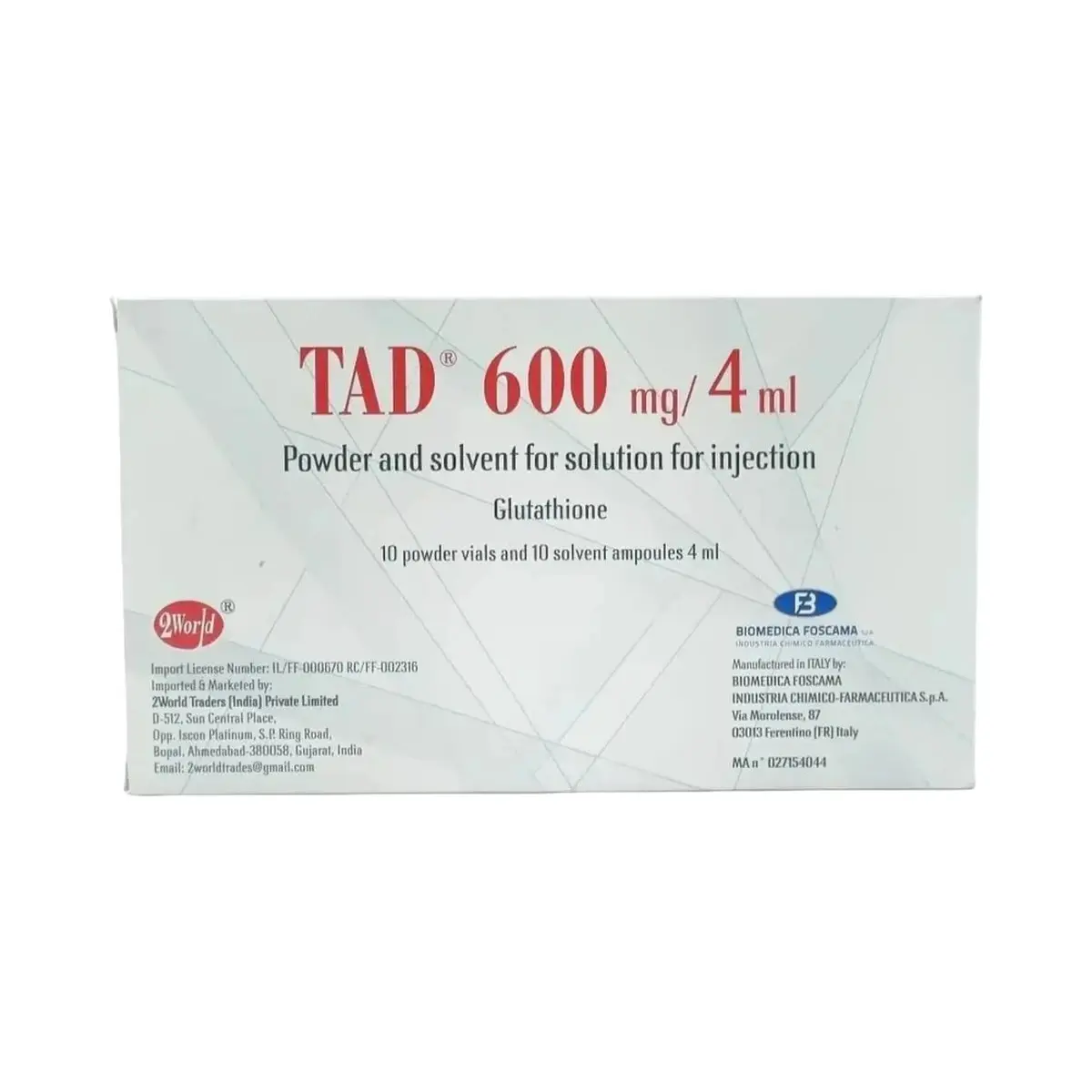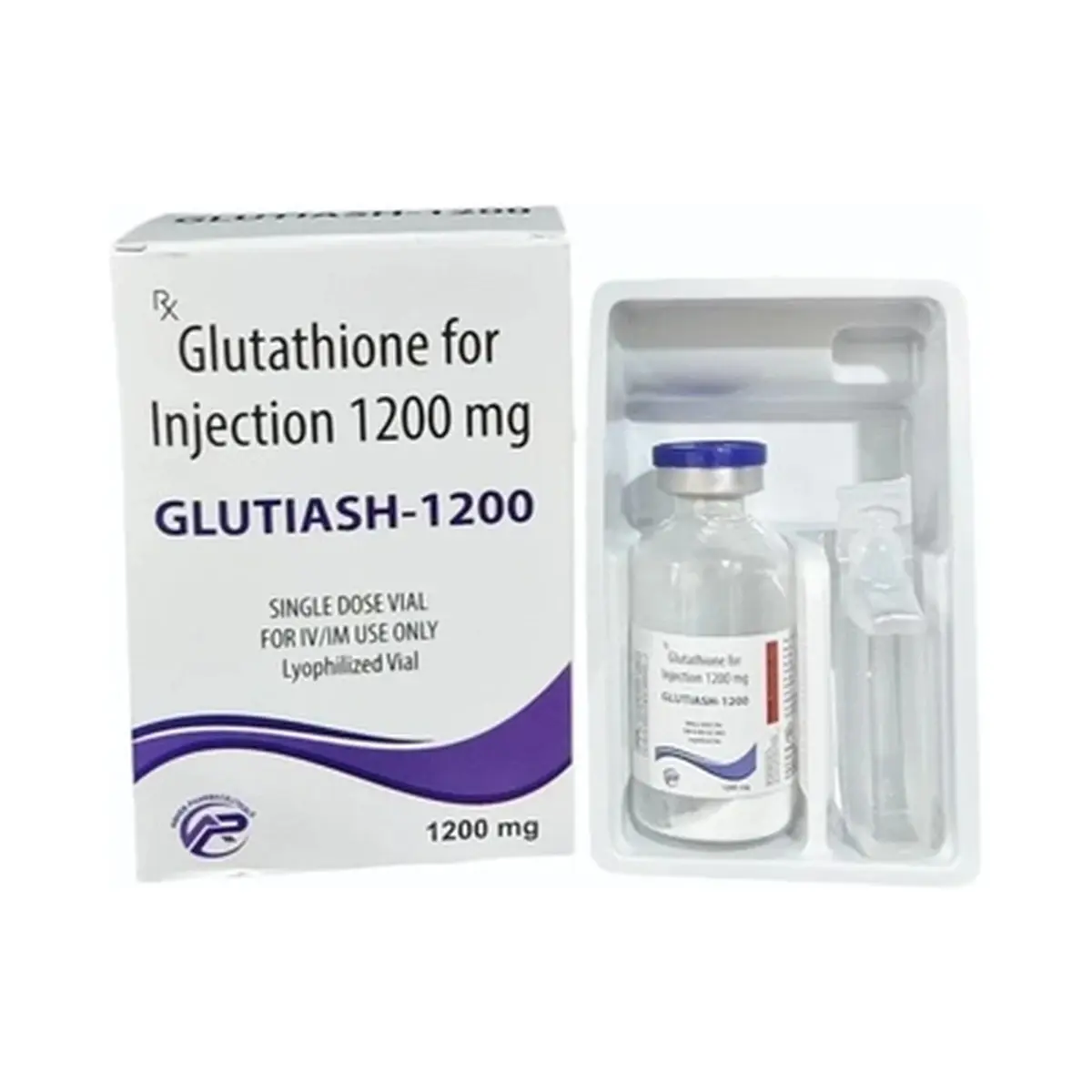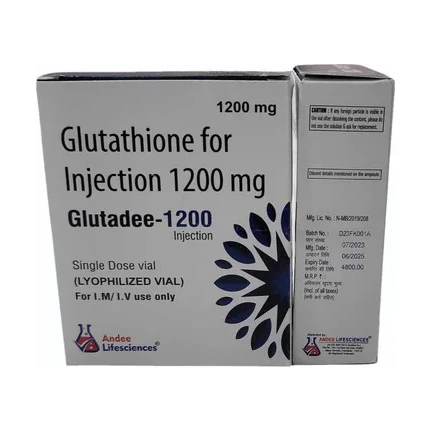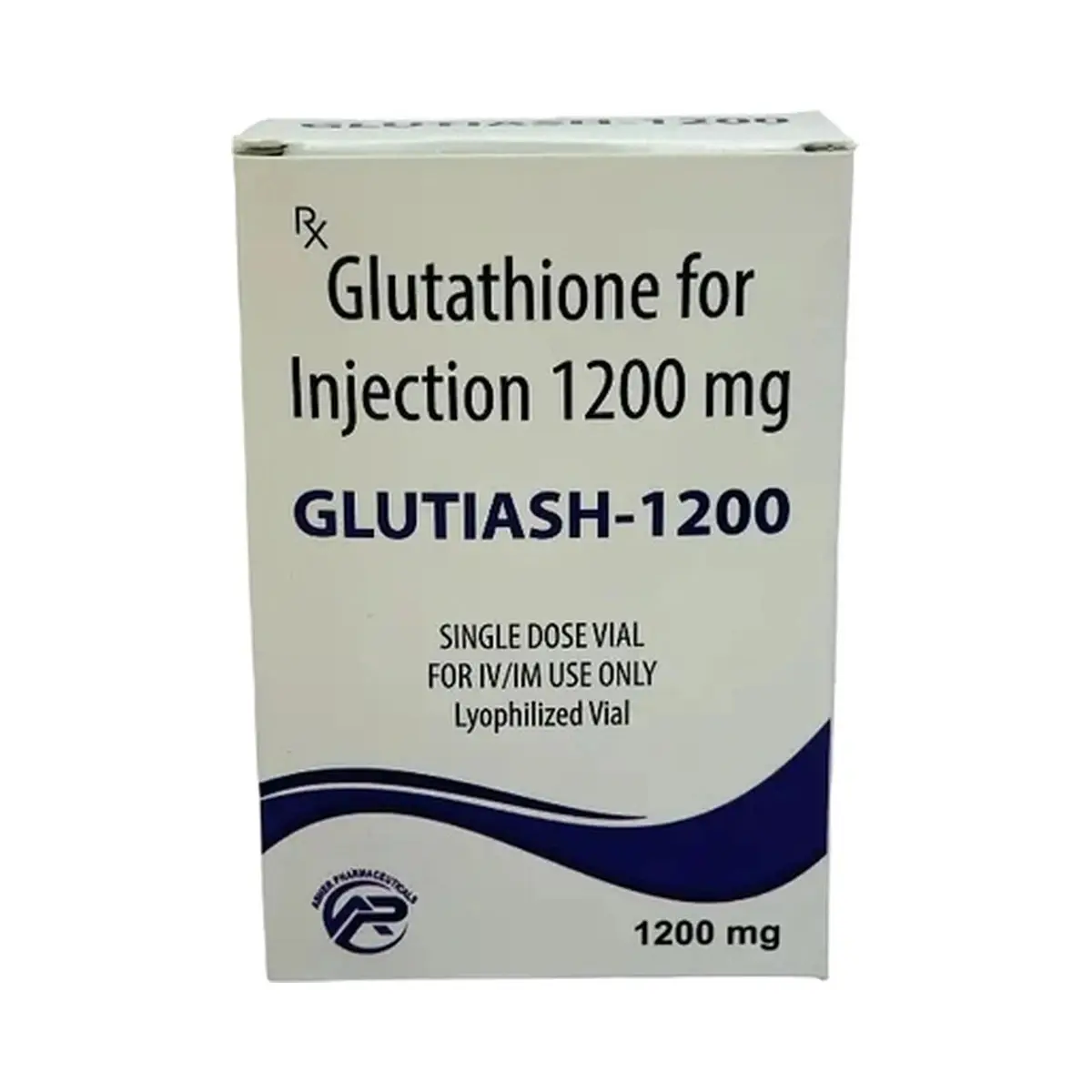
Description
Glutiash (Glutathione) 2000 mg
Glutiash 2000 mg appears to be a glutathione injection product, most likely a compounded parenteral preparation containing reduced glutathione. Glutathione is a naturally occurring tripeptide involved in cellular antioxidant defense and detoxification pathways. Based on the sources reviewed, this product should be understood as an injectable glutathione formulation rather than a broadly established, standardised branded medicine with widely recognised regulatory approval.
Active Ingredient and Medicine Class
The verified active ingredient is glutathione, also known as reduced L-glutathione. It is a low-molecular-weight thiol tripeptide made up of glutamine, cysteine and glycine. Pharmacologically, it is classified as an antioxidant and redox-active compound. In human physiology, glutathione helps maintain intracellular reducing balance and supports enzymatic detoxification processes.
Established Medical Uses
The reviewed regulatory and scientific sources did not identify a widely approved, routine indication for injectable glutathione in the markets covered. FDA materials specifically note concerns about compounded sterile injectables made with glutathione and state that no FDA-approved drug products containing reduced L-glutathione for injection were identified in the materials reviewed.
Scientific literature has explored glutathione in several contexts, including oxidative stress modulation, pigmentary disorders, and adjunctive use in selected investigational settings. However, these uses are not the same as established, broadly accepted indications for a commercial injectable medicine. Evidence for intravenous use in cosmetic skin lightening remains weak and inconsistent.
How It Works
Glutathione acts as a major intracellular antioxidant. It helps neutralise reactive oxygen species and participates in reduction-oxidation reactions that protect cells from oxidative injury. It also contributes to conjugation and detoxification of certain electrophilic compounds. In skin-related research, glutathione has been proposed to influence melanogenesis by affecting tyrosinase activity and shifting melanin production pathways, but these effects have not translated into strong, reliable clinical evidence for routine therapeutic use.
Important Safety Information
Safety concerns are especially important with injectable glutathione products because quality, sterility and source control are critical. FDA has reported adverse events associated with compounded intravenous glutathione preparations, including symptoms consistent with endotoxin exposure such as nausea, vomiting, chills, fever, lightheadedness, hypotension and breathing difficulty. FDA testing found excessive bacterial endotoxin in samples associated with these events.
Potential safety concerns for injectable glutathione also include hypersensitivity reactions, contamination-related infections, and other complications linked to non-standard or improperly compounded sterile products. The evidence reviewed does not support assuming that all injectable glutathione products are interchangeable or suitable for cosmetic or wellness use. Because product formulation and regulatory status can vary, clinically significant risks may differ between preparations.
Possible Side Effects
Reported adverse effects in the reviewed sources include nausea, vomiting, chills, fever, body aches, sneezing, lightheadedness, low blood pressure and difficulty breathing. More serious concerns have included suspected bloodstream infection, anaphylaxis-like reactions and reactions related to excessive endotoxin contamination. For any injectable product, local injection-site reactions and systemic hypersensitivity remain important possibilities.
Scientific Evidence
Peer-reviewed reviews describe glutathione as an important endogenous antioxidant, but they also note that clinical evidence for many proposed benefits is limited. Dermatology-focused reviews have found that evidence for intravenous glutathione as a skin-lightening treatment is weak, with no convincing proof of durable benefit. More recent systematic reviews continue to describe the evidence base as limited, heterogeneous and insufficient to support strong claims of efficacy for systemic cosmetic use.
At the same time, the literature does support glutathione’s biological role in redox control and detoxification, which helps explain why it has attracted research interest. That mechanistic plausibility should not be confused with proven clinical effectiveness for a specific injectable product.
Medical Information Notice
This page is an educational summary based on sources available at the time of review. It does not replace the official patient leaflet, local prescribing information or assessment by a qualified health professional.
Medical Sources
- U.S. Food and Drug Administration — FDA highlights concerns with using dietary ingredient glutathione to compound sterile injectables
- U.S. Food and Drug Administration — FDA meeting material discussing glutathione use and safety concerns
- Sidharth Sonthalia et al. Glutathione as a skin whitening agent: Facts, myths, evidence and controversies. Indian Journal of Dermatology, Venereology and Leprology, 2016. View scientific article
- B M Lomaestro et al. Glutathione in health and disease: pharmacotherapeutic issues. Annals of Pharmacotherapy, 1995. View scientific article
- Rashmi Sarkar et al. Glutathione as a skin-lightening agent and in melasma: a systematic review. International Journal of Dermatology, 2025. View scientific article