Description
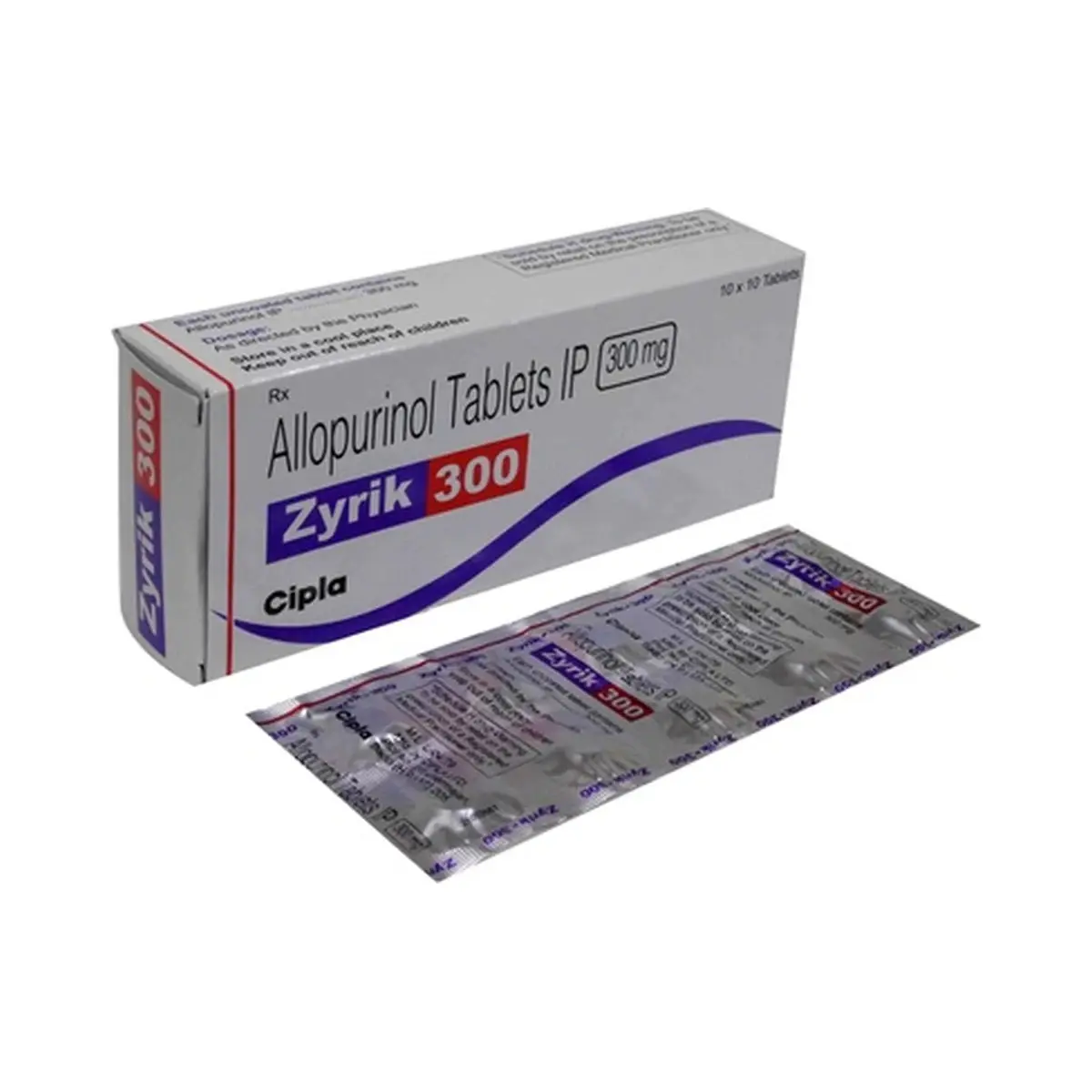
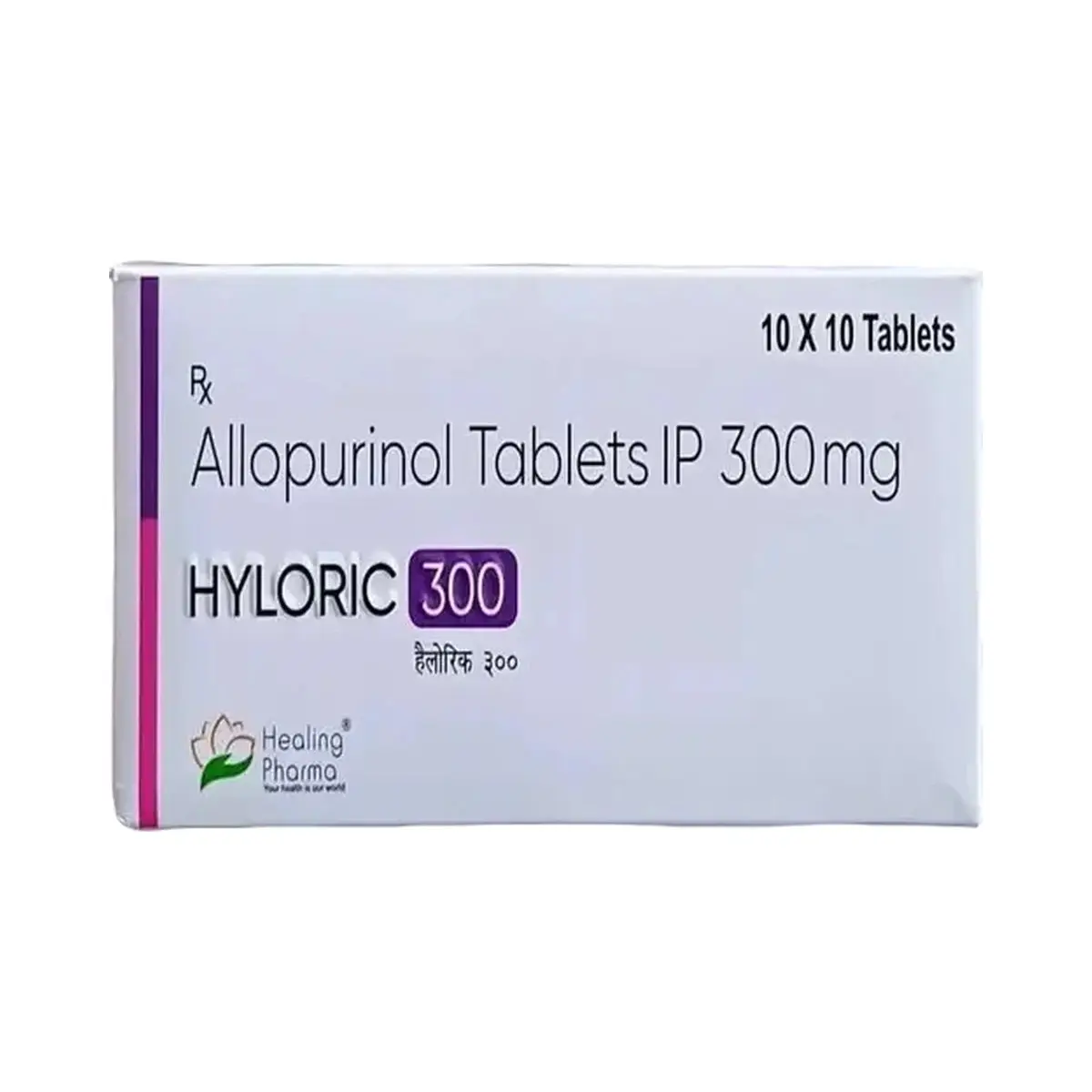
Hyloric (Allopurinol) 300 mg
Hyloric 300 mg is a tablet medicine containing allopurinol. Allopurinol is a prescription urate-lowering medicine used to reduce excessive uric acid formation in the body. It is part of the xanthine oxidase inhibitor class and is used in conditions where uric acid build-up is clinically established or predictable.
Active Ingredient and Medicine Class
The verified active ingredient is allopurinol 300 mg. It belongs to the xanthine oxidase inhibitor class. These medicines reduce the conversion of hypoxanthine and xanthine into uric acid, helping lower uric acid levels in blood and urine.
Established Medical Uses
Allopurinol is established for the reduction of urate and uric acid formation in conditions such as gout, uric acid kidney stones, and other disorders associated with persistent hyperuricaemia or uric acid overproduction. It is also used when uric acid rise is expected during cancer treatment, and in certain inherited enzyme disorders that lead to urate overproduction.
Official prescribing information does not recommend allopurinol for asymptomatic hyperuricaemia alone.
How It Works
Allopurinol works by inhibiting xanthine oxidase, an enzyme involved in uric acid production. By lowering uric acid formation, it helps reduce urate crystal deposition in joints, soft tissues, and the urinary tract. This mechanism explains its role in long-term control of gout and in prevention of uric acid-related complications.
Important Safety Information
Allopurinol should not be used in people with known hypersensitivity to allopurinol or any tablet ingredients. Serious cutaneous and systemic hypersensitivity reactions can occur, including severe skin reactions such as Stevens-Johnson syndrome, toxic epidermal necrolysis, and DRESS-type hypersensitivity syndrome. Treatment should be stopped immediately if rash or other signs of hypersensitivity appear.
Special caution is needed in people with kidney impairment, liver impairment, or a history of severe drug reactions. The risk of hypersensitivity is increased in some patients carrying the HLA-B*58:01 genetic marker. Clinically significant interactions are recognised with mercaptopurine, azathioprine, theophylline, thiazide diuretics, ampicillin, amoxicillin, bendamustine, capecitabine, and pegloticase. Combined use with mercaptopurine or azathioprine may increase toxicity because allopurinol inhibits their metabolism.
Possible Side Effects
Commonly reported side effects include rash, nausea, diarrhoea, and changes in liver function tests. Some people may experience a gout flare when treatment is started, as uric acid levels begin to fall.
Less common but important adverse effects include fever, dizziness, somnolence, abnormal blood counts, liver injury, kidney problems, and severe hypersensitivity reactions. Any widespread rash, blistering, facial swelling, fever, or breathing difficulty requires urgent medical attention.
Scientific Evidence
Human studies and systematic reviews support allopurinol as an effective urate-lowering treatment for gout and related hyperuricaemic conditions. Clinical trial evidence shows that dose escalation can improve achievement of target serum urate in people with gout. Review literature also shows that serious hypersensitivity reactions are uncommon but potentially life-threatening, which is why careful patient selection and monitoring are emphasised in official prescribing information.
Medical Information Notice
This page is an educational summary based on sources available at the time of review. It does not replace the official patient leaflet, the full prescribing information, or assessment by a qualified healthcare professional.
Medical Sources
- Medicines and Healthcare products Regulatory Agency / emc. Allopurinol 300 mg tablets, Summary of Product Characteristics
- U.S. Food and Drug Administration. Allopurinol Tablets, Full Prescribing Information
- F. Arellano et al. Allopurinol hypersensitivity syndrome: a review. Annals of Pharmacotherapy, 1993. View scientific article
- Hui M et al. Allopurinol hypersensitivity: investigating the cause and minimizing the risk. Nature Reviews Rheumatology, 2015. View scientific article