Description
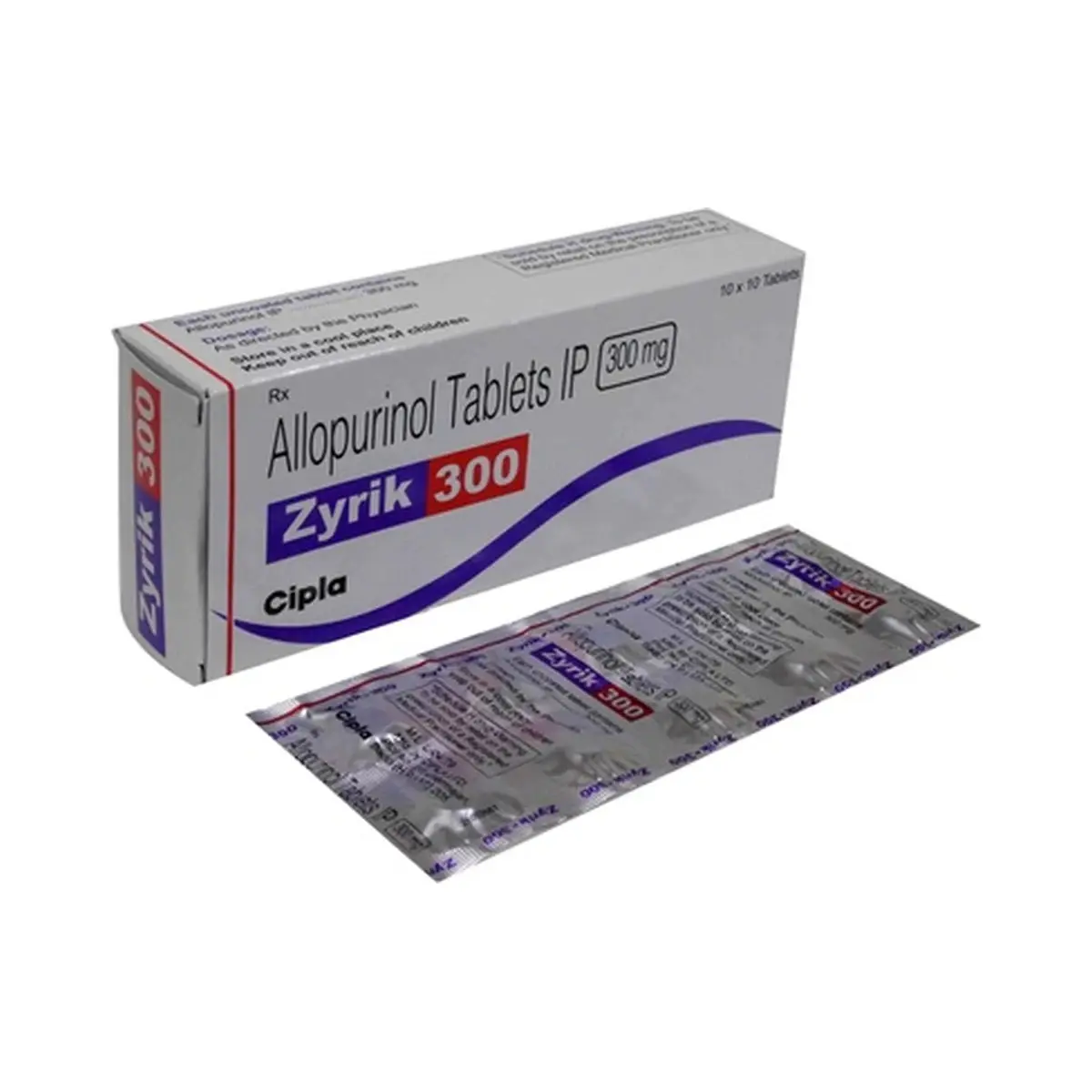
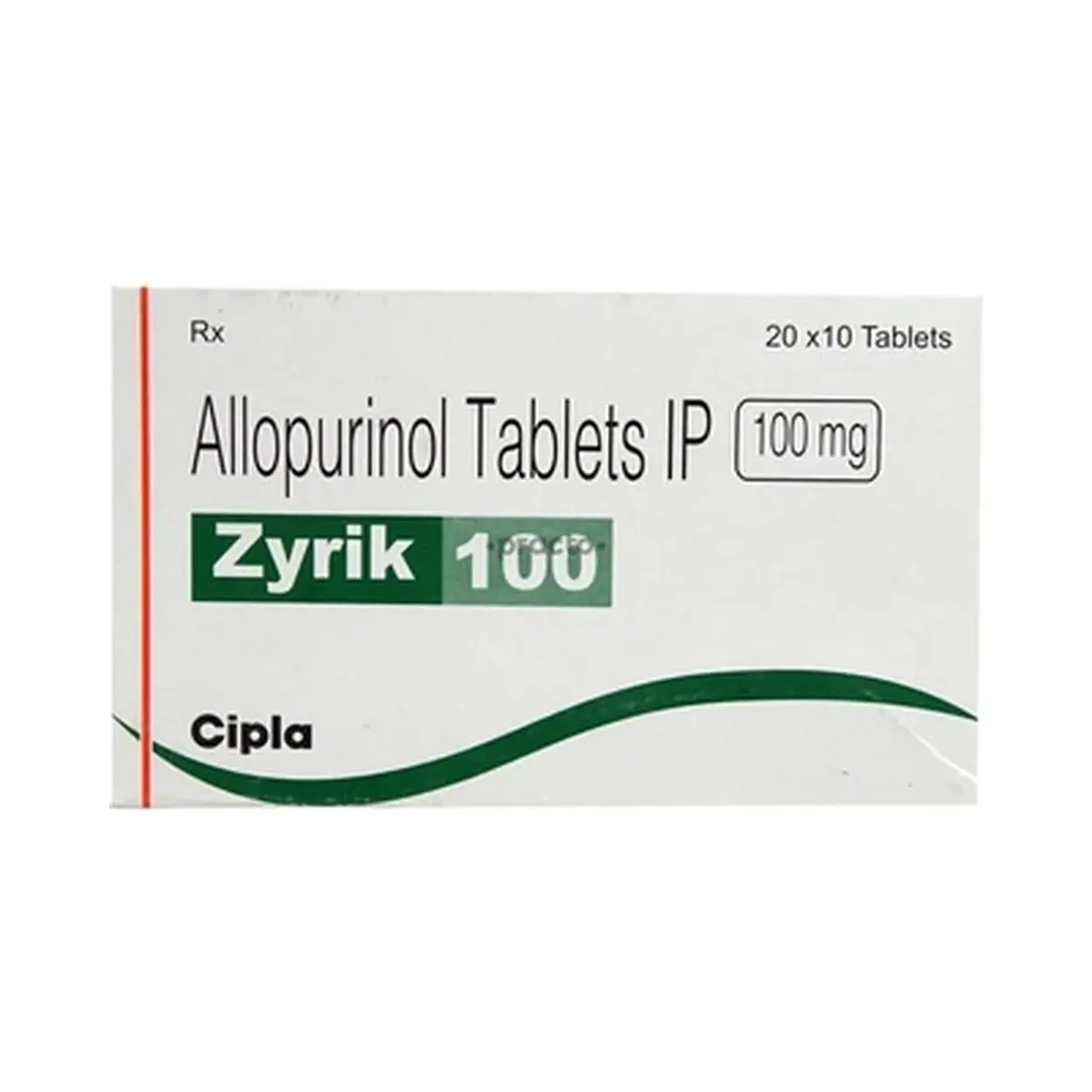
Zyrik (Allopurinol) 100 mg
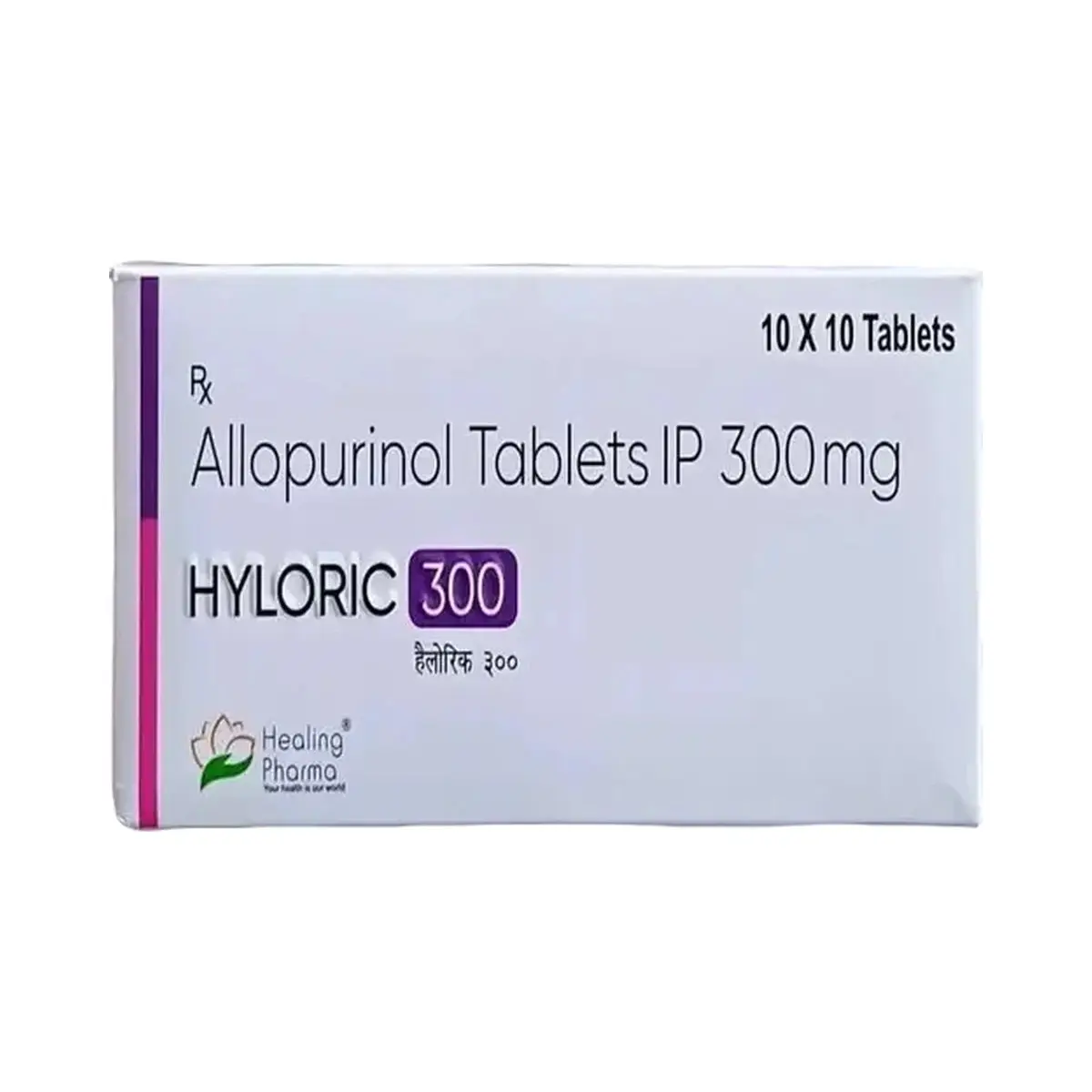
Zyrik 100 mg contains allopurinol, an oral medicine used to lower uric acid levels. It is a well-established treatment for gout and other hyperuricemic conditions where reducing uric acid production is medically indicated. The listed product strength identifies the preparation; it does not by itself indicate an individual treatment plan.
Active Ingredient and Medicine Class
The verified active ingredient is allopurinol. It belongs to the xanthine oxidase inhibitor class. By reducing the formation of uric acid, it helps lower serum and urinary uric acid levels in conditions where urate accumulation is a problem.
Established Medical Uses
Regulatory prescribing information identifies allopurinol for the management of:
- Gout and gouty hyperuricemia.
- Hyperuricemia associated with cancer therapy, including situations where rapid tumor breakdown can increase uric acid.
- Recurrent calcium oxalate calculi in selected hyperuricosuric patients.
Allopurinol is not recommended for asymptomatic hyperuricemia in the U.S. prescribing information.
How It Works
Allopurinol is a structural analogue of hypoxanthine. It inhibits xanthine oxidase, the enzyme involved in converting hypoxanthine to xanthine and xanthine to uric acid. This reduces uric acid production and can help prevent urate crystal deposition over time. Because uric acid levels change during treatment, gout flares may occur early in therapy even though the medicine is working to lower long-term urate burden.
Important Safety Information
Allopurinol should not be used in people with a known hypersensitivity to allopurinol or any tablet ingredient. Serious cutaneous reactions have been reported, including Stevens-Johnson syndrome, toxic epidermal necrolysis, and DRESS; these can be life-threatening. The risk is higher in the early months of treatment and is increased in some genetic and clinical risk groups.
Important drug interactions include mercaptopurine and azathioprine, where exposure to these medicines can rise and serious toxicity, including myelosuppression, may occur. The label also highlights clinically important interactions with capecitabine, pegloticase, cyclosporine, and theophylline. Certain antibiotics and thiazide diuretics may increase the risk of serious skin reactions.
Precautions are also advised in people with kidney impairment or a history of kidney stones, because dose adjustment and monitoring may be needed. The prescribing information also notes potential hepatotoxicity, bone marrow suppression, and CNS effects such as drowsiness or dizziness.
Possible Side Effects
Commonly reported adverse effects include nausea, diarrhea, rash, and abnormal liver function tests. Skin rash is the most frequently reported adverse reaction.
More serious adverse effects, though less common, can include:
- Severe hypersensitivity reactions, including SJS/TEN and DRESS.
- Worsening kidney function or kidney-related complications.
- Liver injury.
- Bone marrow suppression.
- Severe blood or skin reactions requiring urgent medical attention.
Scientific Evidence
Clinical literature supports allopurinol as a long-established urate-lowering therapy for gout and related hyperuricemic disorders. Review evidence describes it as a first-line urate-lowering option, while systematic review data suggest adverse-event rates are broadly comparable with other urate-lowering drugs in studied populations. Human studies also support its use in preventing uric acid elevation during cancer therapy and in selected patients with recurrent calcium oxalate stones linked to hyperuricosuria.
Medical Sources
- Official prescribing information: DailyMed, Allopurinol Tablets, U.S. Prescribing Information.
- Official prescribing information: FDA AccessData, Allopurinol Tablets Label.
- Chao J, Terkeltaub R. A critical reappraisal of allopurinol dosing, safety, and efficacy for hyperuricemia in gout. Curr Rheumatol Rep. 2009. PubMed
- Castrejon I, Toledano E, Rosario MP, Loza E, Pérez-Ruiz F, Carmona L. Safety of allopurinol compared with other urate-lowering drugs in patients with gout: a systematic review and meta-analysis. Rheumatol Int. 2015. PubMed
Medical Information Notice
This page is an educational summary based on sources available at the time of review and does not replace the official patient leaflet, prescribing information, or assessment by a qualified healthcare professional.