Description
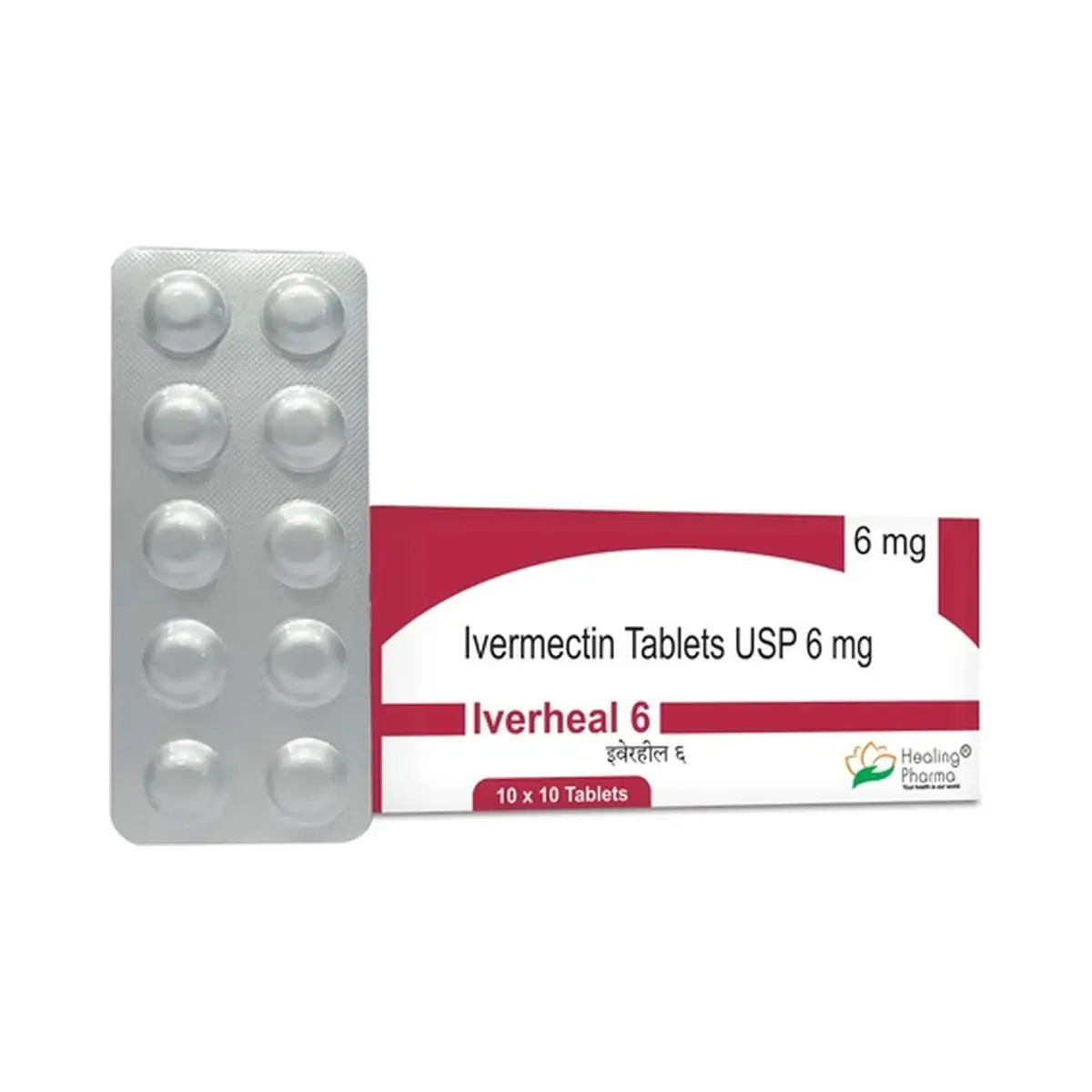
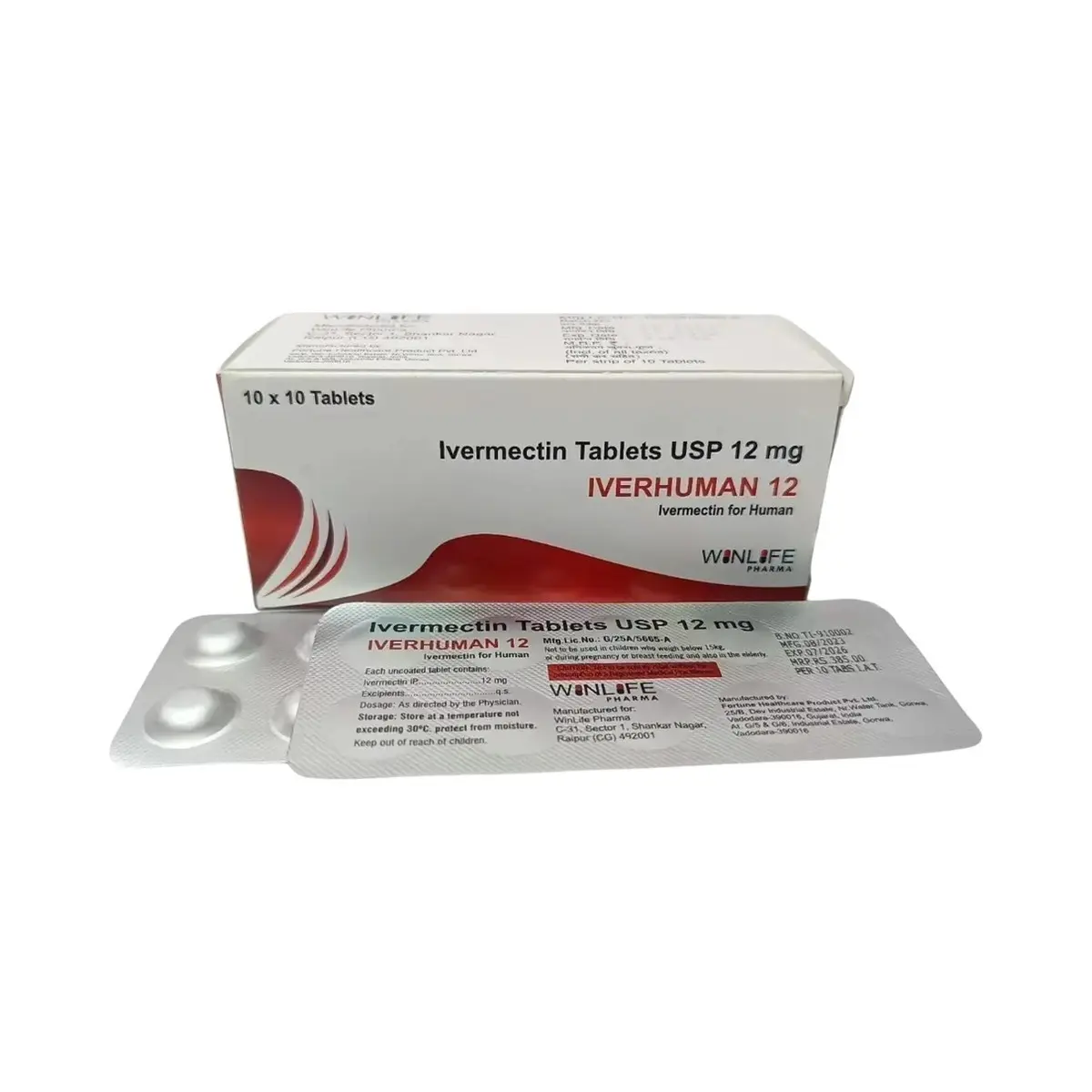
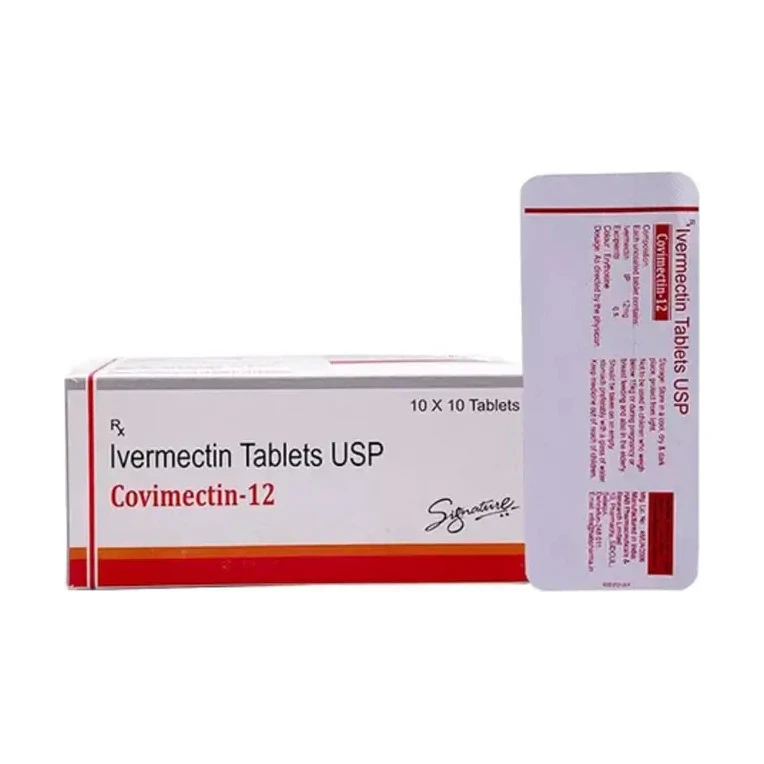
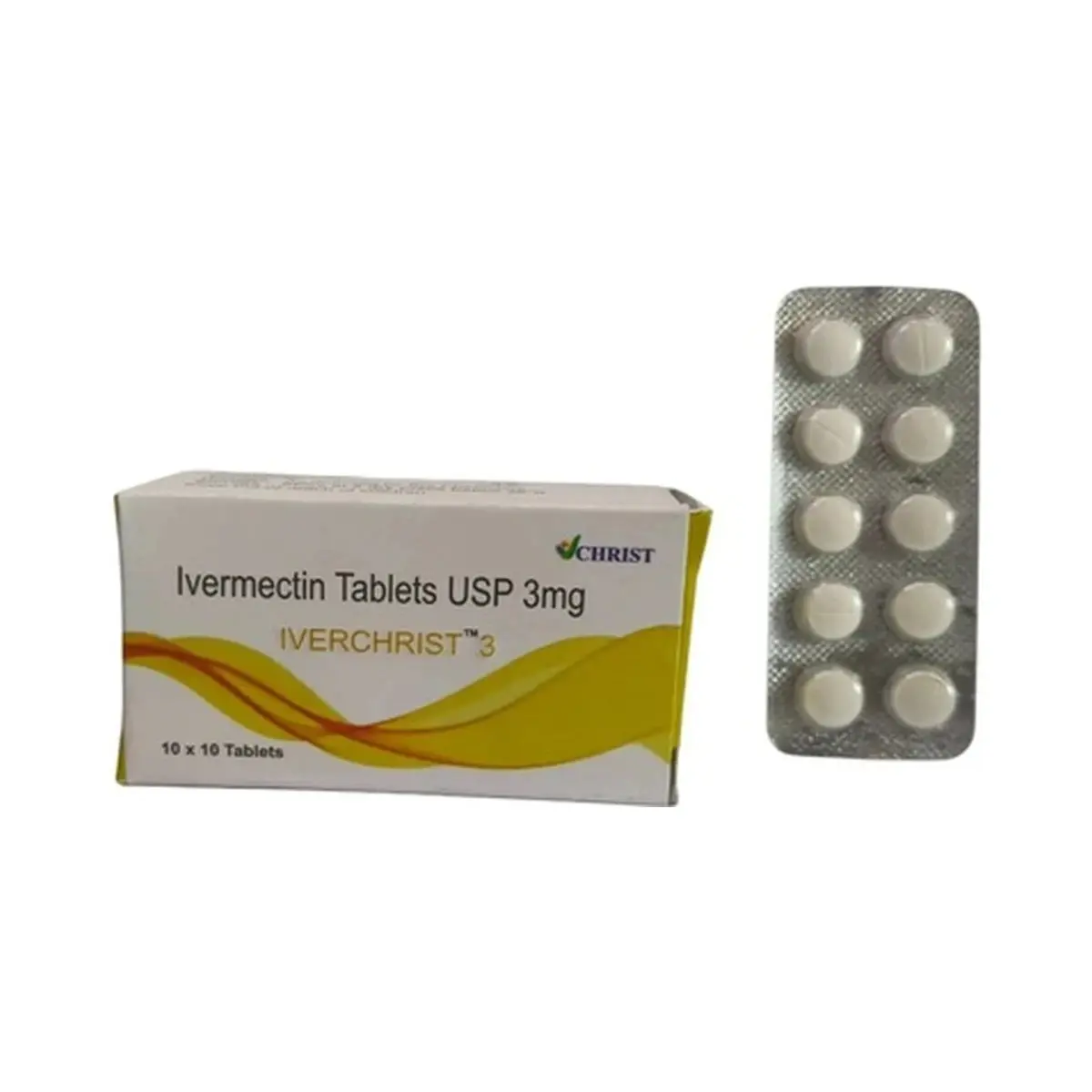
Iverguard (Ivermectin) 12 mg
Iverguard 12 mg is a brand name for ivermectin, an antiparasitic medicine used for certain nematode infections. Verified regulatory sources support ivermectin as an oral tablet formulation for specific parasitic diseases, especially strongyloidiasis and onchocerciasis.
Active Ingredient and Medicine Class
The active ingredient is ivermectin. It is an anthelmintic and antiparasitic medicine. Regulatory labeling describes it as effective against some parasitic roundworms, but not all stages of every parasite.
Established Medical Uses
Official U.S. labeling supports ivermectin for intestinal strongyloidiasis caused by Strongyloides stercoralis and for onchocerciasis caused by Onchocerca volvulus. The label also notes that it has no activity against adult Onchocerca volvulus parasites.
How It Works
Ivermectin acts on parasite nerve and muscle function, leading to paralysis and death of susceptible organisms. In onchocerciasis, it mainly reduces microfilariae rather than adult worms.
Important Safety Information
Ivermectin is contraindicated in people with known hypersensitivity to the product. Important precautions in the label include inflammatory reactions in onchocerciasis, including the Mazzotti reaction, and the risk of serious neurologic toxicity. The FDA label also warns that patients with onchocerciasis and heavy Loa loa infection may rarely develop serious or fatal encephalopathy.
Clinically significant interactions and special risks are most important in patients with heavy filarial infection or other circumstances that increase the chance of severe reaction; these should be assessed by a healthcare professional.
Possible Side Effects
Reported adverse effects include dizziness, pruritus, rash, diarrhea, nausea, abdominal discomfort, and other mild systemic symptoms. More serious reactions can include severe skin reactions, hepatitis, neurologic changes such as confusion or altered consciousness, and reaction syndromes related to parasite death in susceptible patients.
Scientific Evidence
Peer-reviewed reviews and clinical studies describe ivermectin as highly effective for onchocerciasis and strongyloidiasis, with reductions in microfilarial burden and good overall tolerability in most patients. Published reviews also note that severe reactions are uncommon but can occur, especially in onchocerciasis and in patients with heavy Loa loa infection.
Medical Information Notice
This summary is an educational overview based on sources available at the time of review. It does not replace the official patient leaflet, prescribing information, or assessment by a qualified healthcare professional.
Medical Sources
- FDA — STROMECTOL (ivermectin) tablets, prescribing information
- DailyMed / FDA label — Ivermectin Tablets, USP
- Goa KL, McTavish D, Clissold SP. “Ivermectin. A review of its antifilarial activity, pharmacokinetic properties and clinical efficacy in onchocerciasis.” Drugs, 1991. PubMed