Description
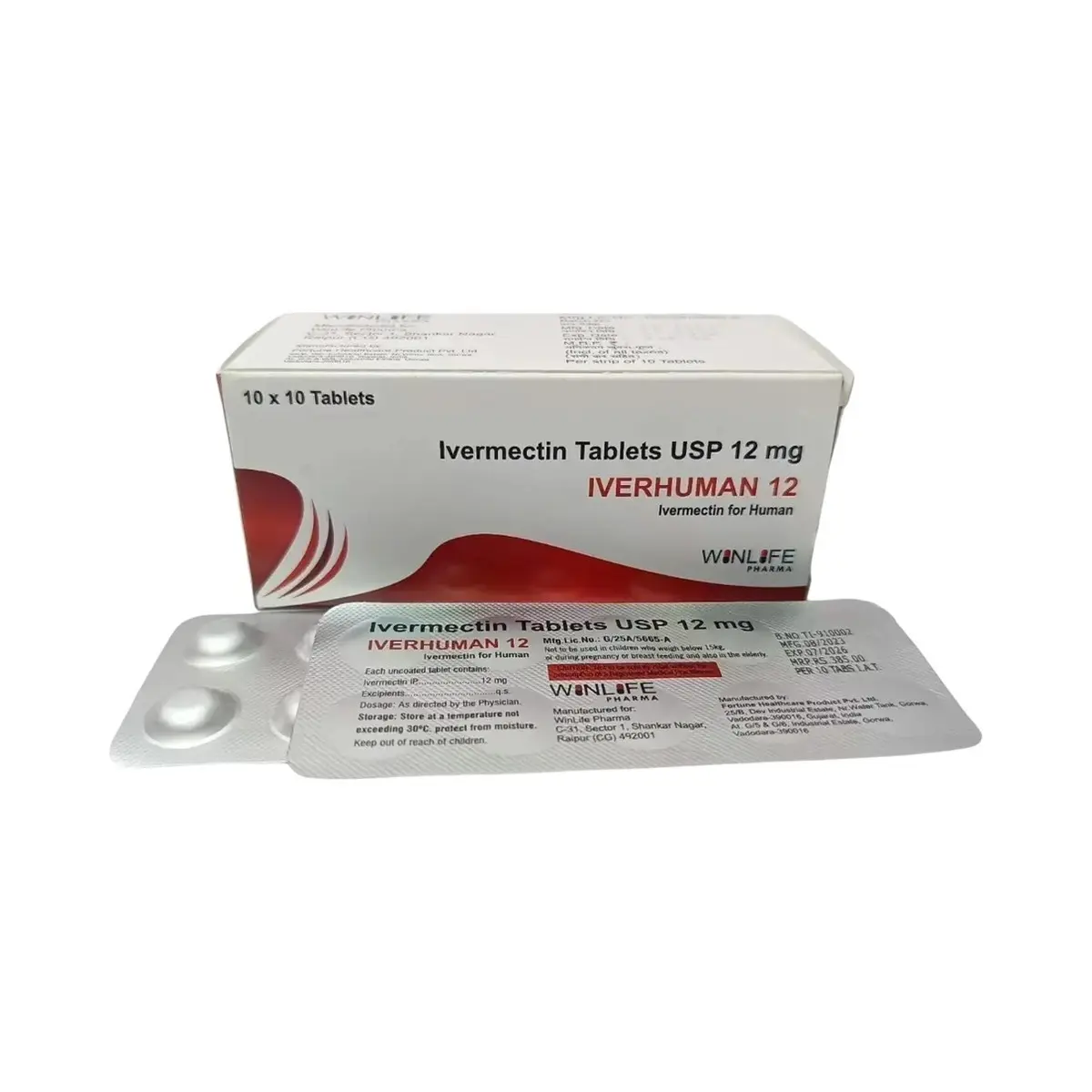
Iverhuman (Ivermectin) 12 mg
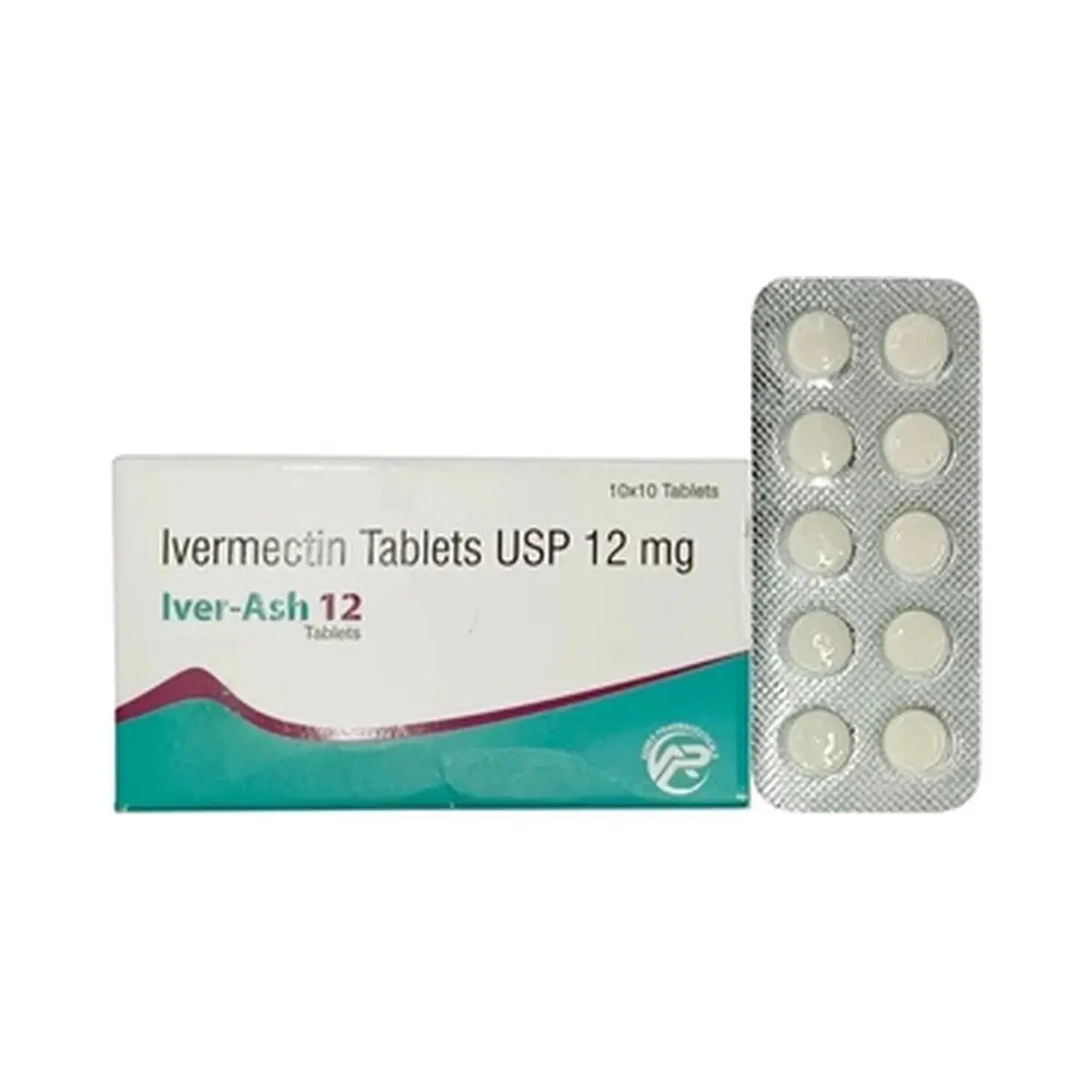
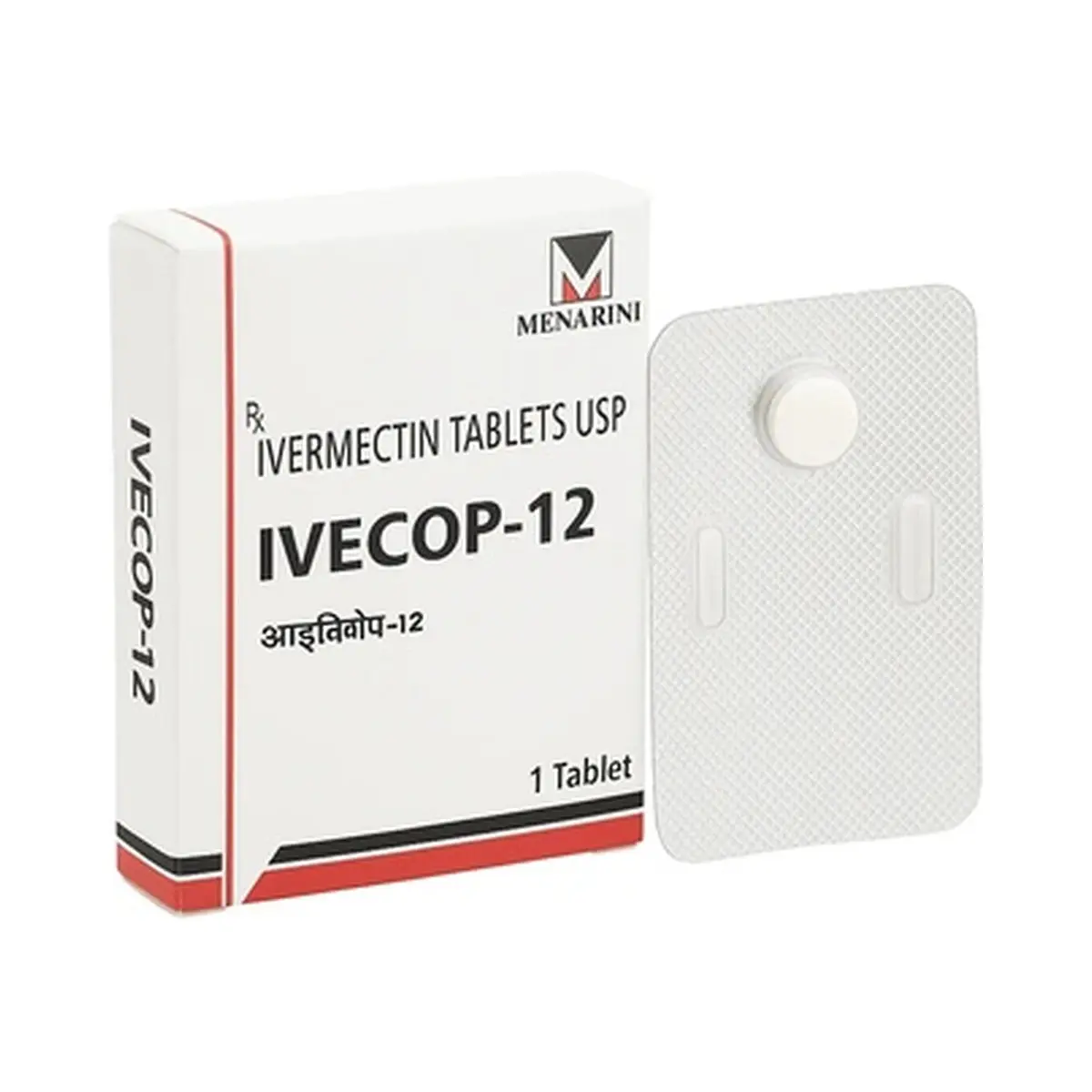
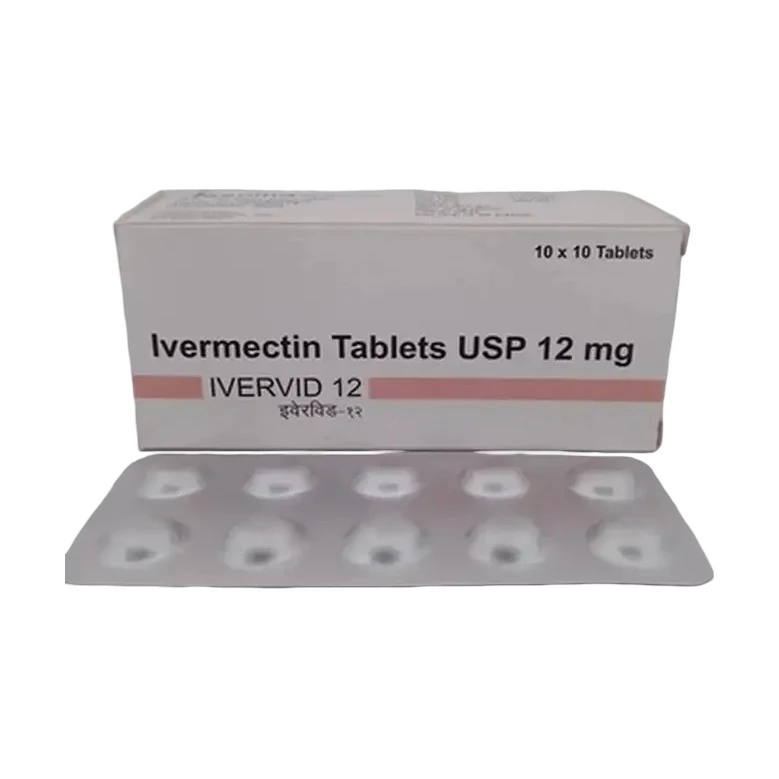
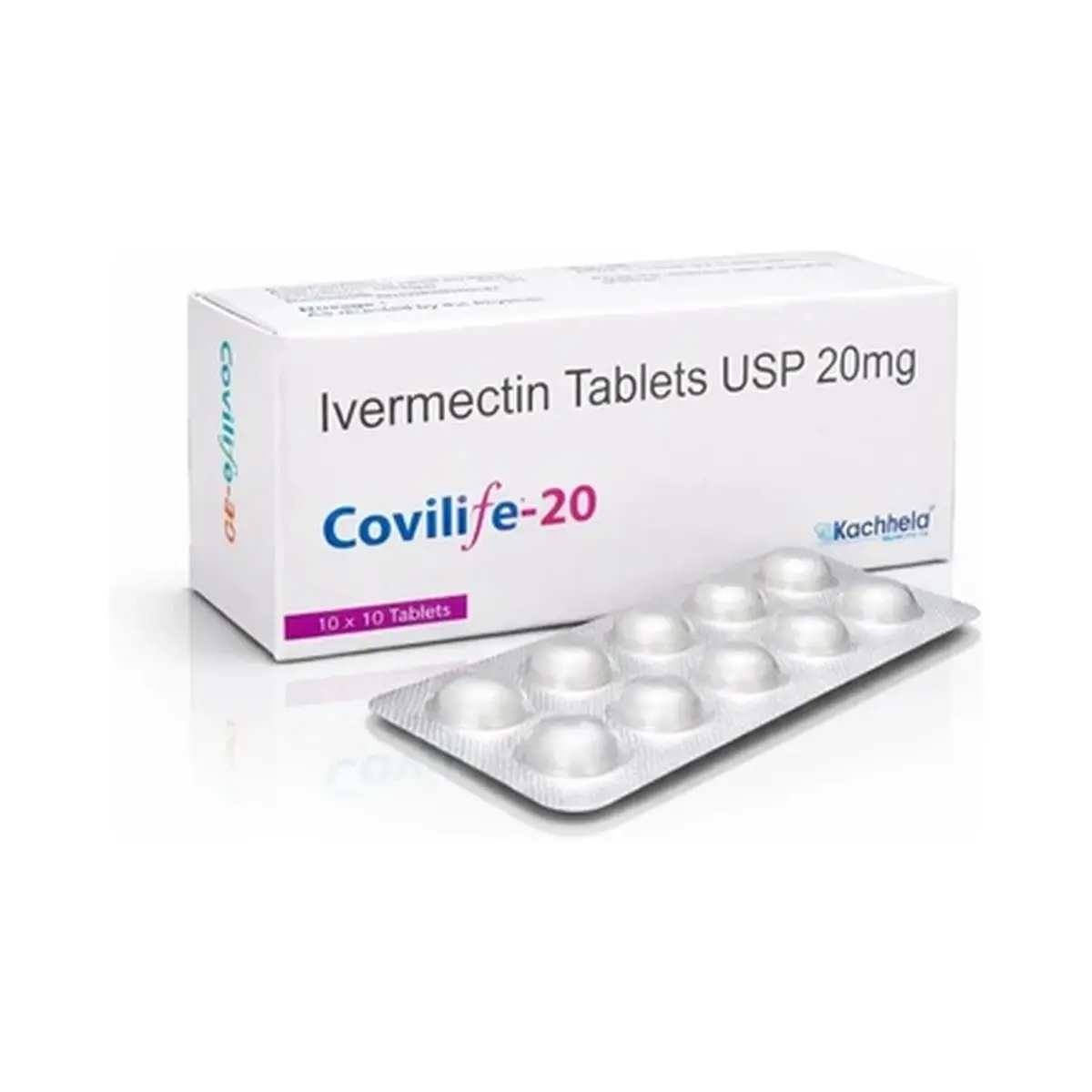
Iverhuman 12 mg is a tablet medicine containing ivermectin, an antiparasitic agent used systemically against certain susceptible parasitic infections. The verified active ingredient is ivermectin, and the product is an oral tablet formulation.
Active Ingredient and Medicine Class
Ivermectin belongs to the antiparasitic, specifically anthelmintic, medicine class. It is active against certain nematode infections and some ectoparasites, depending on the indication and local prescribing status. The available prescribing information for oral ivermectin tablets identifies the medicine as ivermectin tablets, USP.
Established Medical Uses
According to official prescribing information for oral ivermectin tablets, the established indications are:
- Intestinal strongyloidiasis caused by Strongyloides stercoralis.
- Onchocerciasis caused by Onchocerca volvulus.
Official labeling also notes that ivermectin tablets have no activity against adult Onchocerca volvulus parasites. Uses outside the approved label, such as some skin-parasite infections, may be discussed in medical literature but are not the same as established labeled indications.
How It Works
Ivermectin acts on parasite nerve and muscle function. In susceptible invertebrates, it increases the activity of certain chloride channels, leading to paralysis and death of the parasite. This selective action is part of why the medicine is effective against specific worms and parasites while being used under medical supervision for human infection.
Important Safety Information
Oral ivermectin is contraindicated in people who are hypersensitive to any component of the product. Official labeling warns about clinically important reactions in onchocerciasis, including inflammatory reactions related to dying microfilariae and, rarely, serious neurologic toxicity such as confusion, altered consciousness, stupor, coma, or death. Patients with heavy exposure to Loa loa-endemic regions may require particular caution because severe encephalopathy has been reported in rare cases.
Drug interaction information in the prescribing label notes rare reports of increased INR when ivermectin was co-administered with warfarin. Because ivermectin can be used in people with complex parasitic disease histories, the overall risk profile should be assessed in the context of the individual infection and medical history.
Possible Side Effects
Reported adverse effects include fatigue, abdominal pain, facial swelling, peripheral edema, dizziness, rash, itching, diarrhea, nausea, and other mild to moderate effects. In onchocerciasis, reactions related to parasite death can include fever, itching, rash, swollen lymph nodes, joint or muscle pain, and eye symptoms. Less common but serious reactions may include neurologic changes, severe skin reactions, and severe inflammatory responses in specific parasitic settings.
Scientific Evidence
Human studies and reviews support ivermectin as an effective antiparasitic treatment for approved nematode infections, and published research also evaluates its use in scabies. Reviews and meta-analyses generally show clinical activity against scabies, with varying results depending on comparator, study design, and setting. However, evidence from research studies should be distinguished from official labeled indications, and not all studied uses are approved everywhere.
Medical Information Notice
This page is an educational summary based on sources available at the time of review. It does not replace the official patient leaflet, product labeling, or assessment by a qualified healthcare professional.
Medical Sources
- DailyMed / U.S. prescribing information. Ivermectin Tablets, USP
- DailyMed / U.S. prescribing information. Ivermectin tablet
- Martin RJ et al. Ivermectin: an anthelmintic, an insecticide, and much more. Trends in Parasitology, 2021. View scientific article
- Levy M, et al. Review of ivermectin in scabies. Journal of Drugs in Dermatology, 2002. View scientific article