Description
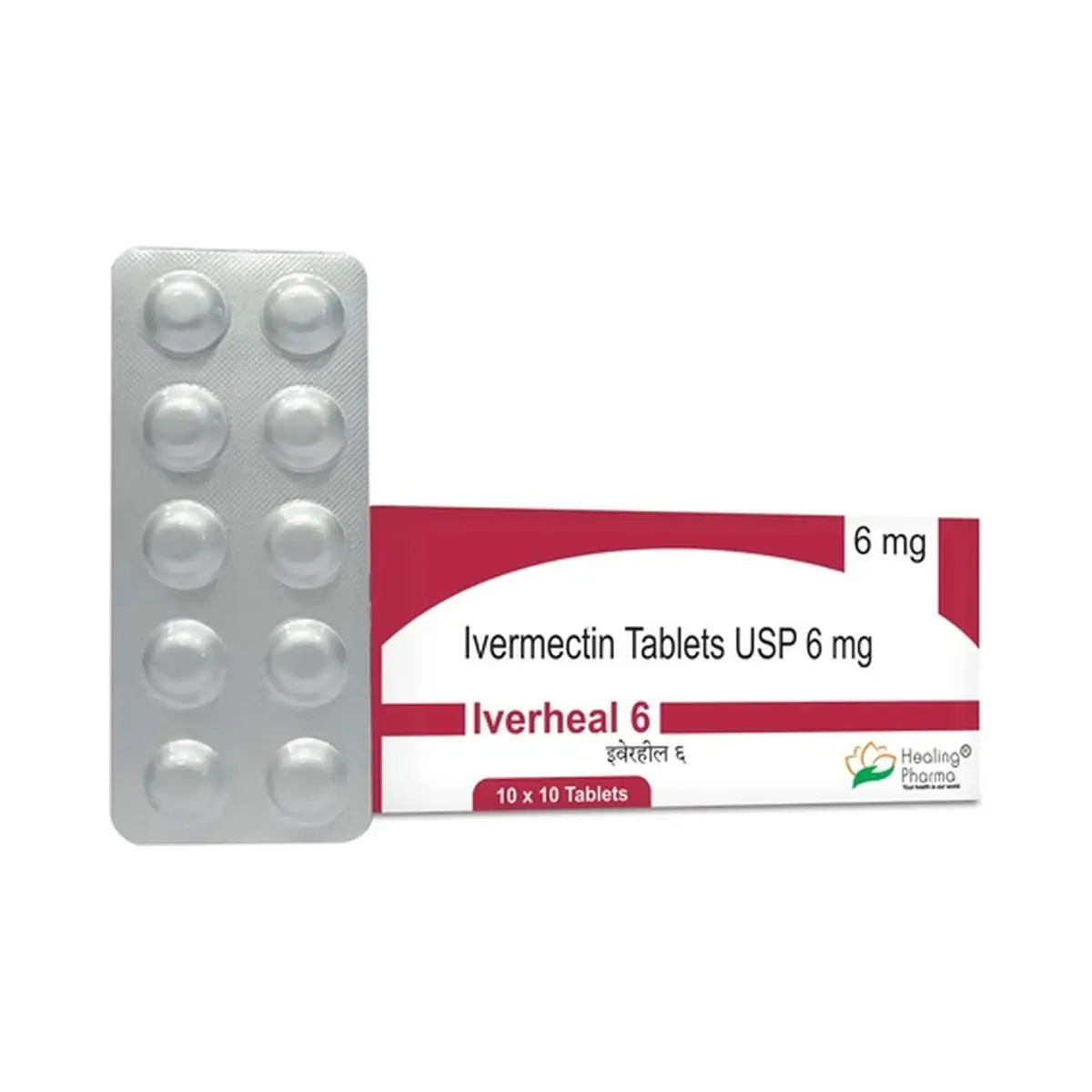
Iverheal (Ivermectin) 6 mg
Iverheal 6 mg is a branded oral tablet product identified here as containing ivermectin. Ivermectin is an anthelmintic, or antiparasitic medicine, used in the treatment of certain nematode infections. Regulatory prescribing information for ivermectin tablets supports its use in intestinal strongyloidiasis and onchocerciasis.
Active Ingredient and Medicine Class
Active ingredient: ivermectin. Class: avermectin-derived anthelmintic/antiparasitic medicine. Official labeling describes ivermectin as a semisynthetic antiparasitic agent for oral administration.
Established Medical Uses
According to U.S. prescribing information, ivermectin tablets are indicated for:
- Intestinal (nondisseminated) strongyloidiasis due to Strongyloides stercoralis.
- Onchocerciasis due to Onchocerca volvulus.
The FDA label also notes that ivermectin has no activity against adult Onchocerca volvulus parasites.
How It Works
Ivermectin acts on parasite nerve and muscle cells by targeting ligand-gated chloride channels, especially glutamate-gated chloride channels in nematodes. This disrupts normal neuromuscular function and leads to paralysis and death of susceptible parasites. Human labeling notes that ivermectin does not readily cross the blood-brain barrier.
Important Safety Information
Ivermectin is contraindicated in people with known hypersensitivity to the product or its components. Important warnings in prescribing information include severe inflammatory reactions in onchocerciasis, sometimes linked to rapid killing of microfilariae, and rare but serious neurologic effects, including altered consciousness, confusion, and coma. Patients with heavy Loa loa infection may be at risk of serious encephalopathy if treated with an effective microfilaricide.
Clinically significant interactions may occur with other medicines that affect the central nervous system or with drugs that increase exposure to ivermectin; official labels advise caution with coexisting conditions and medicines that may increase adverse reactions.
Possible Side Effects
Reported adverse effects include dizziness, nausea, diarrhea, abdominal discomfort, fatigue, pruritus, rash, urticaria, and somnolence. More serious reactions can include postural hypotension, eye inflammation, severe skin reactions, seizures, hepatitis, and neurologic toxicity. In onchocerciasis, some reactions may reflect the disease process as microfilariae die after treatment.
Scientific Evidence
Clinical studies summarized in official labeling show high cure rates for intestinal strongyloidiasis and substantial reductions in skin microfilariae counts in onchocerciasis after oral ivermectin. A PubMed-indexed review concluded that ivermectin is a key treatment for onchocerciasis and strongyloidiasis and remains an important option in related parasitic infections.
Medical Information Notice
This educational summary is based on sources available at the time of review and does not replace the official patient leaflet, product labeling, or individual assessment by a qualified healthcare professional.
Medical Sources
- U.S. Food and Drug Administration / DailyMed: Ivermectin Tablets, USP prescribing information. View source
- Food and Drug Administration: STROMECTOL (ivermectin) tablets labeling. View source
- Goa KL, McTavish D, Clissold SP et al.: “Ivermectin. A review of its antifilarial activity, pharmacokinetic properties and clinical efficacy in onchocerciasis.” Drugs (1991). PubMed