Description
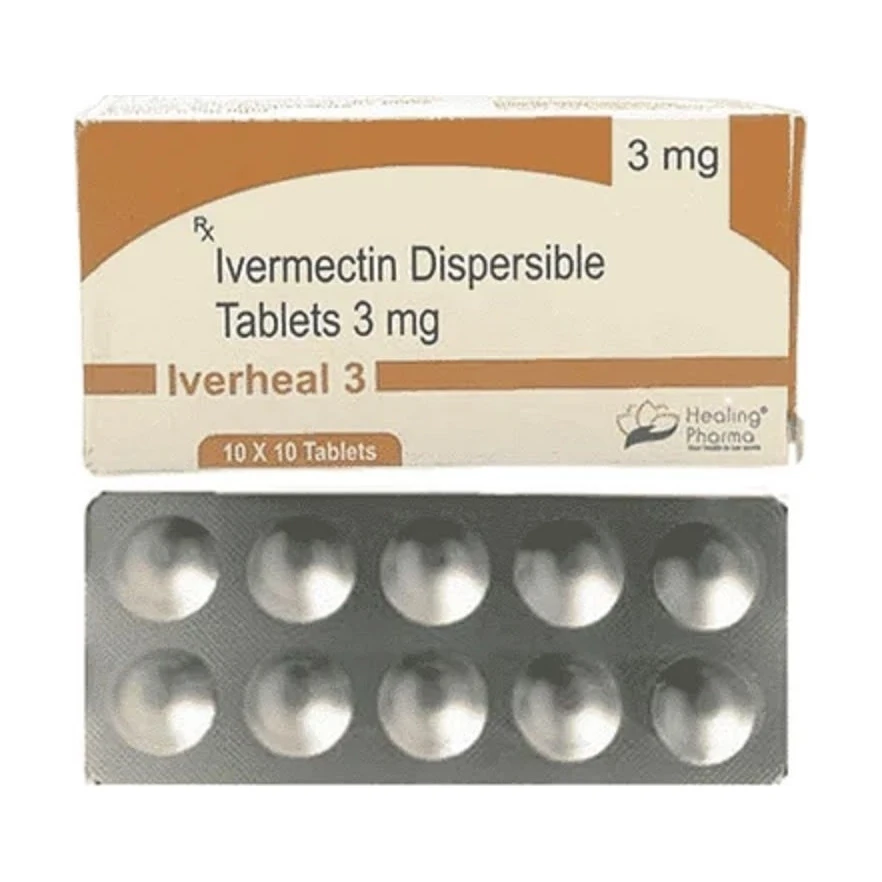
Iverheal (Ivermectin) 3 mg
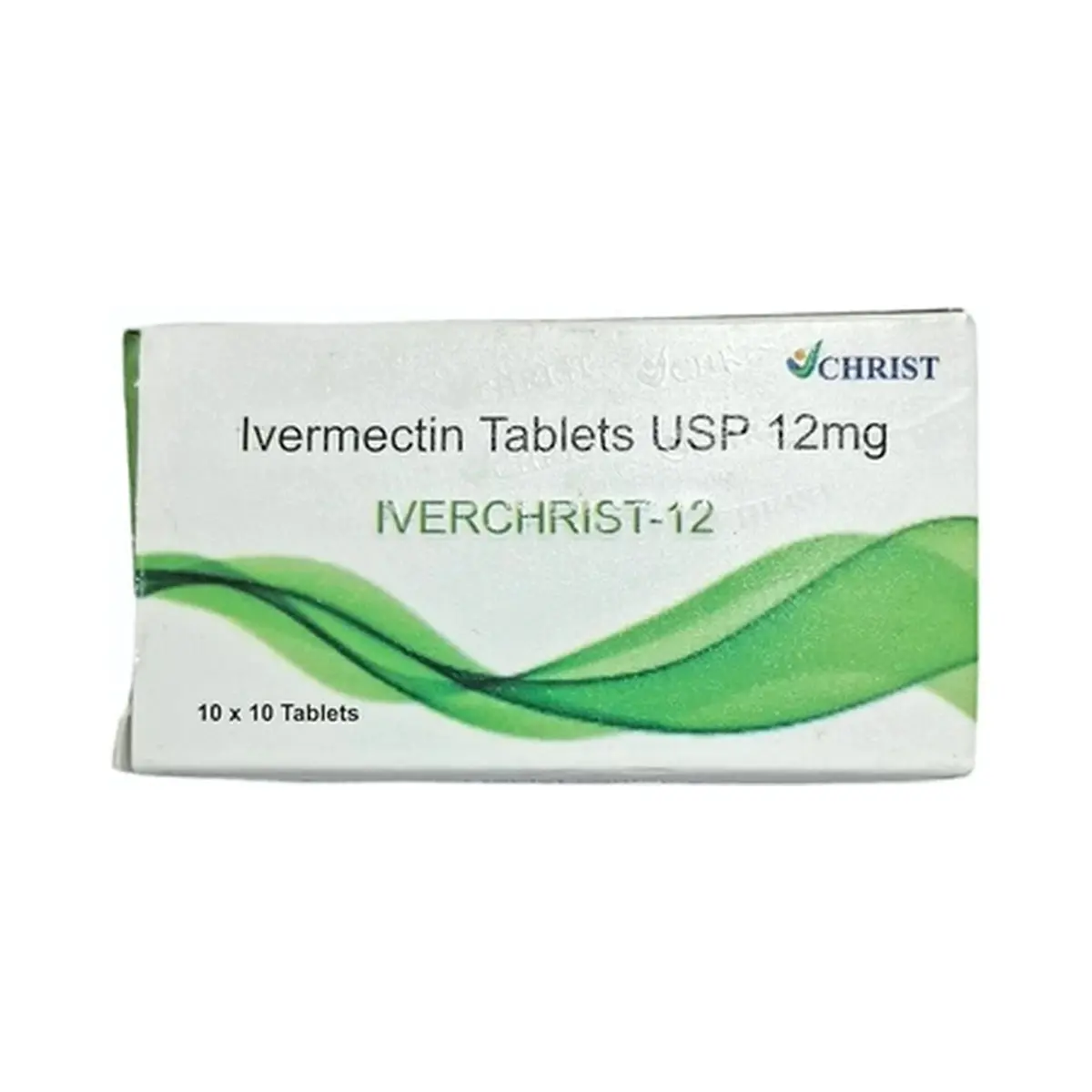
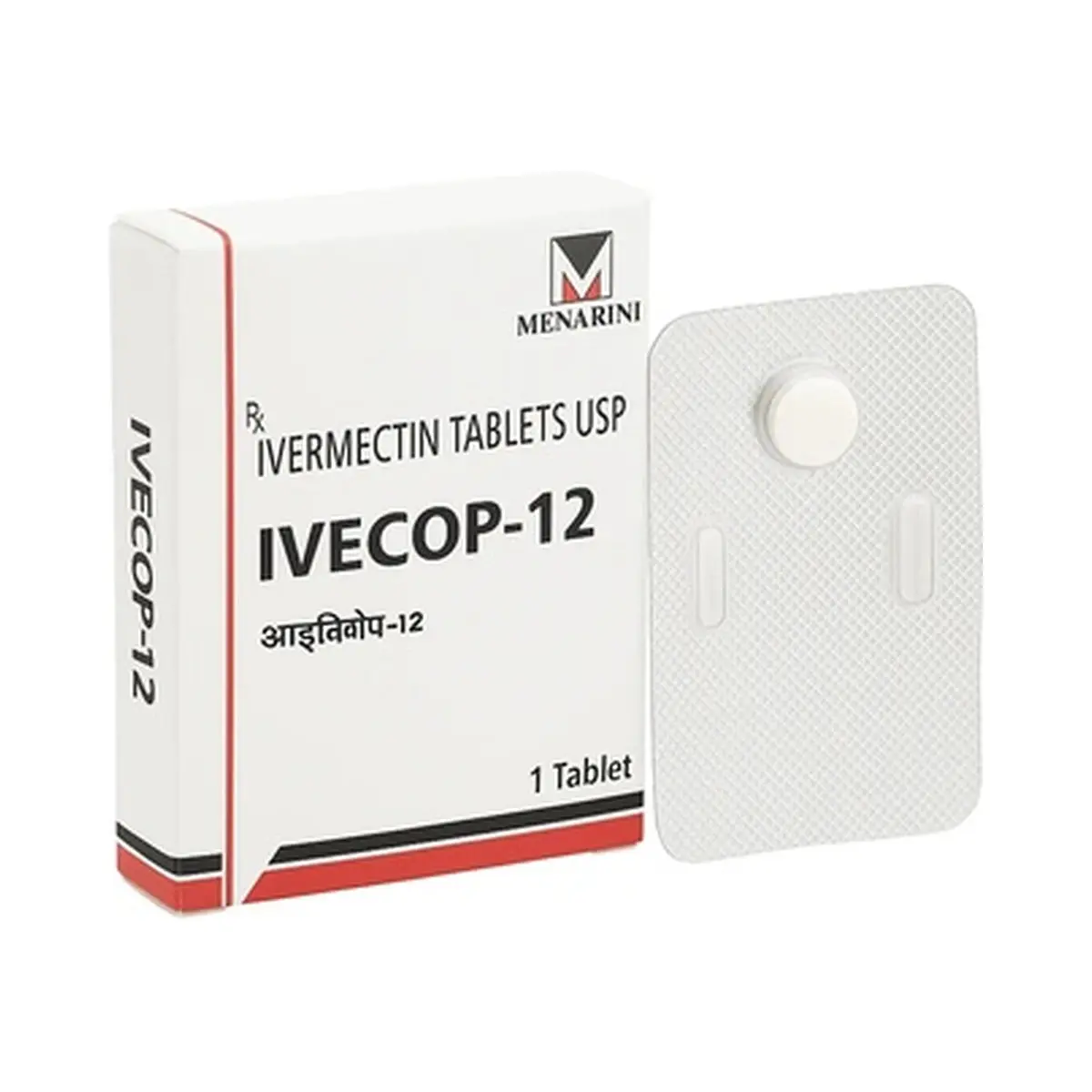
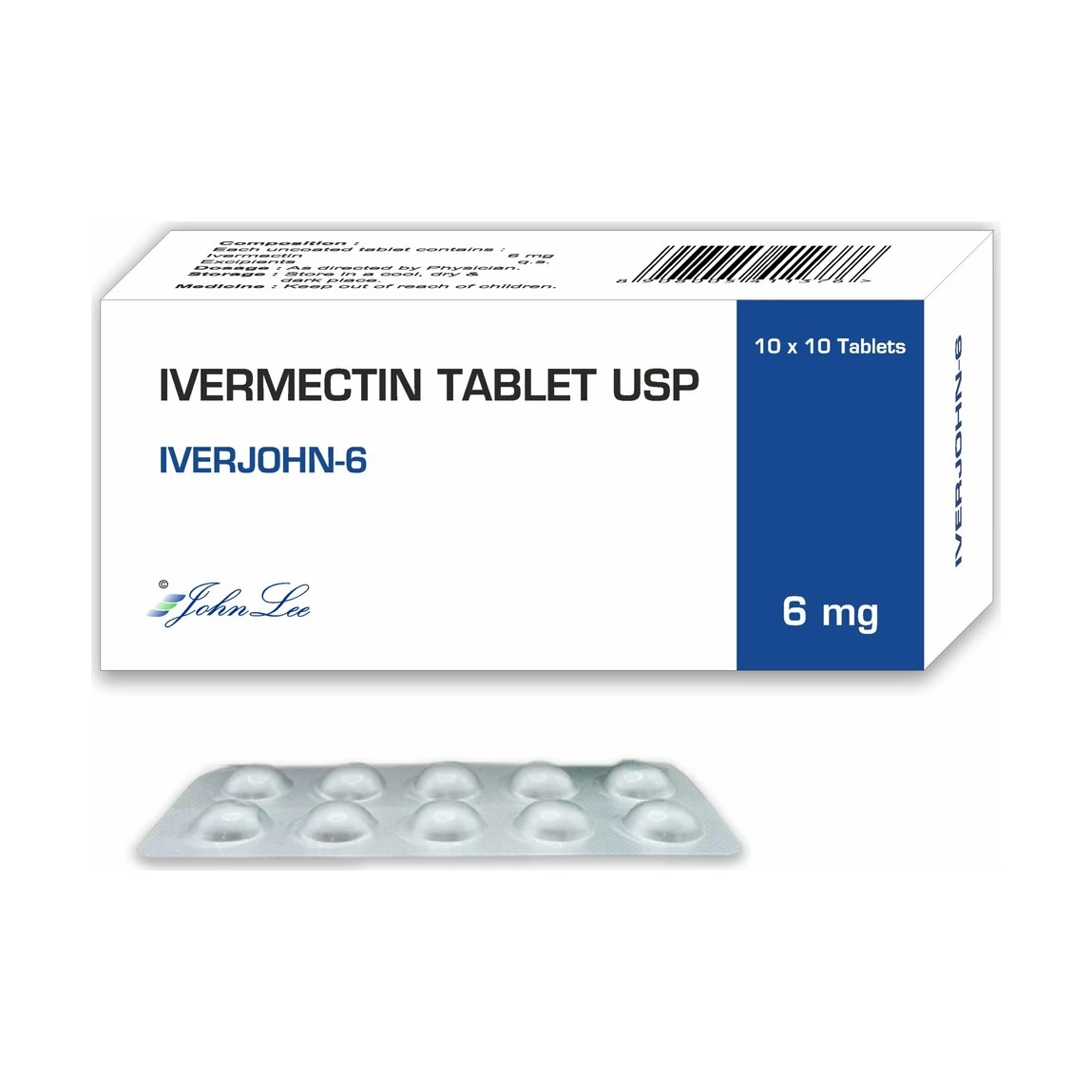
Iverheal 3 mg is a branded oral ivermectin tablet. Ivermectin is a well-established antiparasitic medicine used in human medicine for selected parasitic infections. The product name “Iverheal” was treated as a trade name clue; the active ingredient ivermectin is consistently supported by regulatory and medicines sources.
Active Ingredient and Medicine Class
The active ingredient is ivermectin, an anthelmintic / antiparasitic medicine in the macrocyclic lactone class. WHO medicines lists include ivermectin tablets as an essential medicine in 3 mg strength.
Established Medical Uses
Regulatory prescribing information supports ivermectin tablets for intestinal strongyloidiasis caused by Strongyloides stercoralis and onchocerciasis caused by Onchocerca volvulus. WHO sources also list ivermectin for specific parasitic disease control programmes, including filariasis-related uses.
How It Works
Ivermectin acts on parasite nerve and muscle function. It binds to parasite-specific glutamate-gated chloride channels, increasing chloride ion flow and causing paralysis and death of susceptible parasites. Human sources also note that the drug’s activity is highly selective for invertebrate parasites.
Important Safety Information
Ivermectin tablets should be used with caution in people who may have Loa loa co-infection, because heavy microfilarial loads can be associated with serious or fatal encephalopathy after treatment. In onchocerciasis, treatment can trigger Mazzotti-type reactions and eye-related inflammatory reactions. Prescribing information also notes metabolism largely through CYP3A4, so clinically relevant drug interactions are possible with medicines that affect this pathway.
Possible Side Effects
Commonly reported adverse effects include dizziness, nausea, diarrhea, rash, pruritus, and abdominal discomfort. In onchocerciasis, inflammatory reactions may include fever, lymph node tenderness, joint symptoms, and skin reactions. Rare but serious reactions have been described, particularly in patients with high parasite burdens or specific co-infections.
Scientific Evidence
PubMed-indexed reviews support ivermectin as an established antiparasitic agent with long-standing clinical use against selected human parasitic infections. Reviews also note a generally low rate of adverse reactions at standard use, while emphasizing the risk of severe inflammatory reactions in onchocerciasis and loiasis. A systematic review found that high-dose ivermectin safety appears broadly comparable to standard dosing in the available studies, but concluded that the evidence is insufficient to recommend higher-than-approved doses.
Medical Information Notice
This educational summary is based on sources available at the time of review and does not replace the official patient leaflet, product label, or individual assessment by a qualified healthcare professional.
Medical Sources
- FDA: Ivermectin Tablets USP 3 mg (prescribing information). View source
- DailyMed: Ivermectin tablet prescribing information. View source
- Osei-Atweneboana et al. “Ivermectin in human medicine, an overview of the current status of its clinical applications.” Current Pharmaceutical Design (2011). PubMed article