Description
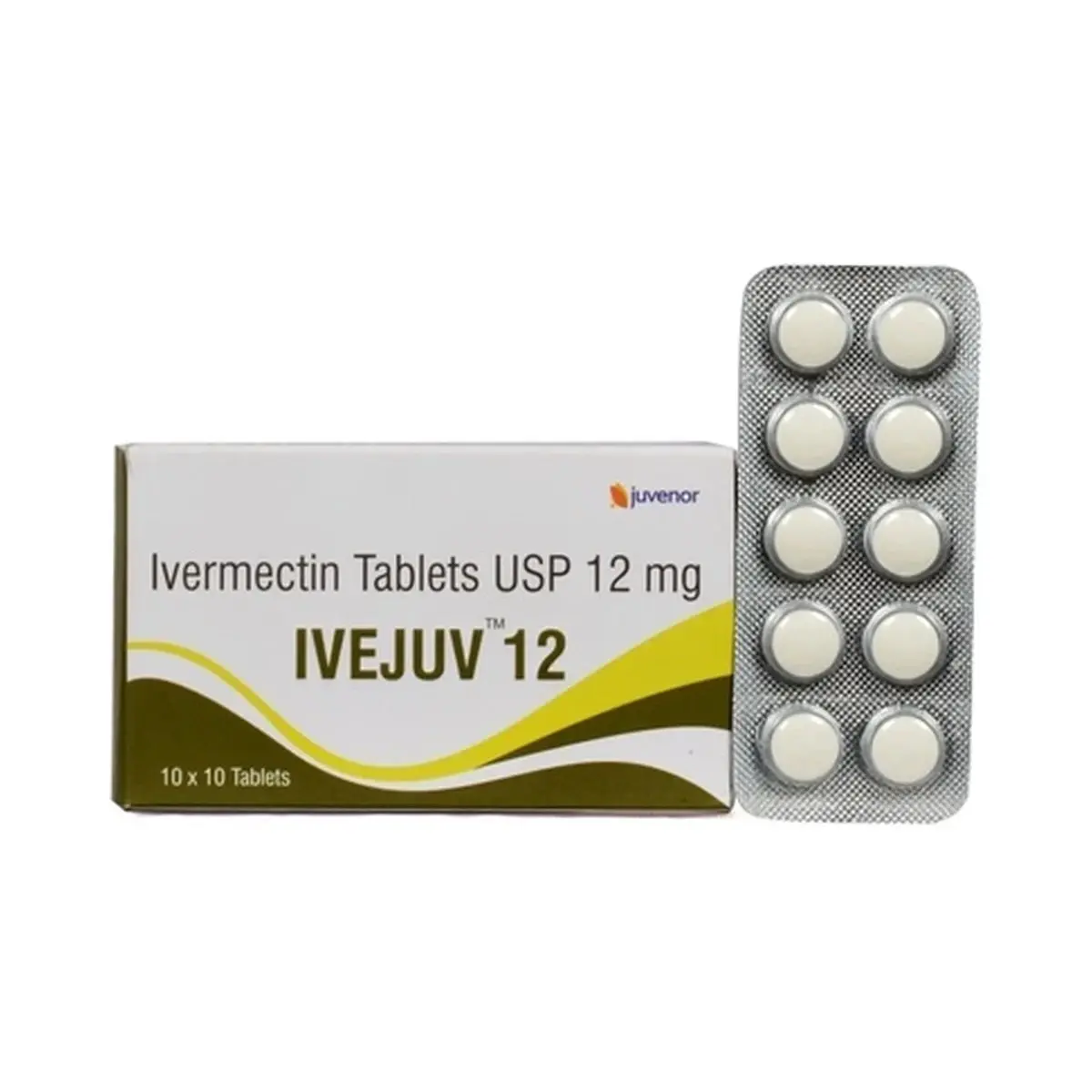
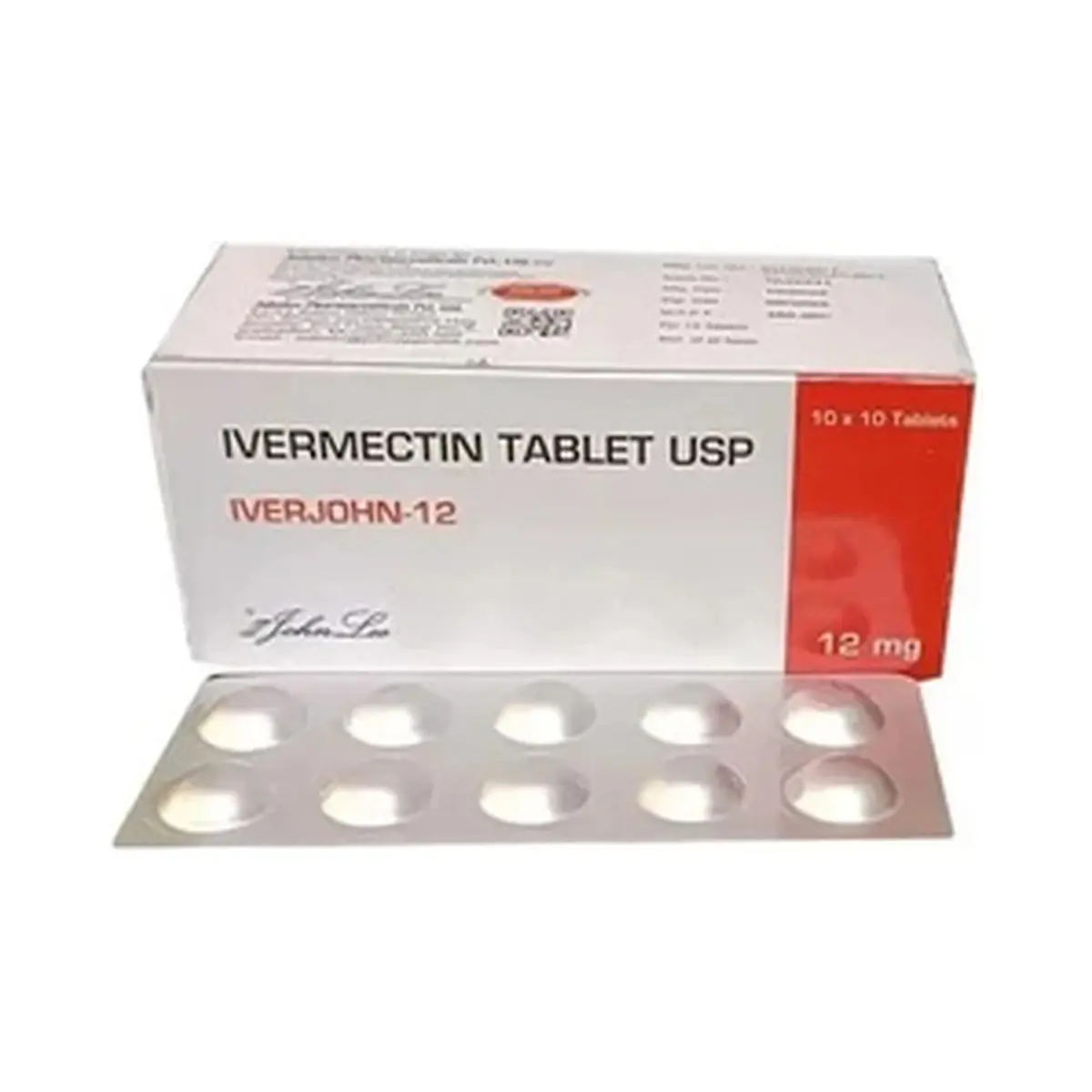
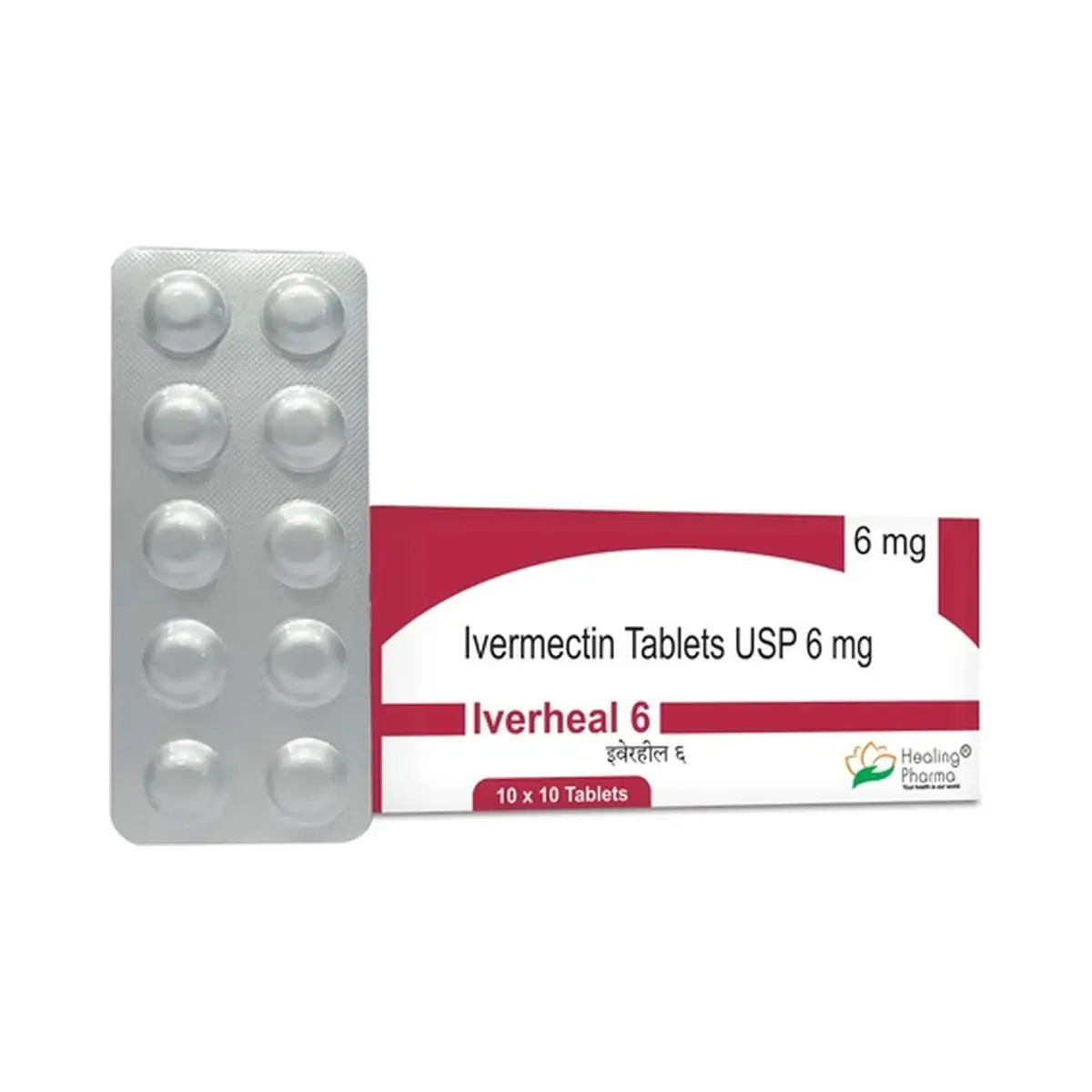
Iverlast (Ivermectin) 12 mg
Iverlast 12 mg contains ivermectin, an oral antiparasitic medicine in the avermectin class. The available product information identifies it as an oral tablet formulation of ivermectin for human use. Ivermectin is established as an anthelmintic agent used against certain nematode infections.
Active Ingredient and Medicine Class
The verified active ingredient is ivermectin. It is a semisynthetic anthelmintic and a member of the avermectin class of antiparasitic medicines. This class acts selectively on invertebrate nerve and muscle targets, which makes it effective against several parasitic worms.
Established Medical Uses
Official prescribing information for ivermectin tablets supports use in intestinal strongyloidiasis caused by Strongyloides stercoralis and onchocerciasis caused by Onchocerca volvulus. For onchocerciasis, the medicine reduces microfilariae but does not kill adult parasites, so the infection may require ongoing clinical follow-up.
Scientific reviews also describe ivermectin as an important treatment for some other parasitic diseases, including certain forms of scabies and other filarial infections. Those uses may appear in clinical guidance in some settings, but they are not all part of the core approved label for every market.
How It Works
Ivermectin binds with high affinity to glutamate-gated chloride channels in invertebrate nerve and muscle cells. This increases chloride influx, hyperpolarises the parasite cell membrane, and leads to paralysis and death of the parasite. The drug has relatively selective activity in humans because mammals do not have the same glutamate-gated chloride channels and ivermectin does not readily cross the blood-brain barrier.
Important Safety Information
Ivermectin tablets are contraindicated in people with known hypersensitivity to the product or any of its components. The prescribing information warns about Mazzotti-type reactions and ophthalmologic reactions in patients with onchocerciasis, which are related to the inflammatory response that can follow parasite death.
Rare but serious neurotoxicity has been reported, including drowsiness, confusion, disorientation, stupor, coma, and death. The label also warns that patients with heavy Loa loa infection may develop serious, sometimes fatal encephalopathy after treatment; extra caution is advised when there has been significant exposure to Loa loa-endemic areas in West or Central Africa.
Clinically significant interactions are limited in the official label, but increased INR has been reported rarely when ivermectin was co-administered with warfarin. Because the medicine is metabolised in the liver, caution is generally appropriate when other medicines may affect hepatic handling or central nervous system effects.
Possible Side Effects
Commonly reported adverse effects include diarrhoea, nausea, vomiting, abdominal pain, fatigue, dizziness, pruritus, rash, fever, lymph node tenderness or enlargement, facial or peripheral oedema, orthostatic hypotension, tachycardia, headache, and myalgia. In onchocerciasis trials, eye-related reactions were also observed.
Important serious reactions reported after marketing include seizures, hepatitis, elevated liver enzymes, elevated bilirubin, Stevens-Johnson syndrome, toxic epidermal necrolysis, hypotension, worsening bronchial asthma, and neurotoxicity.
Scientific Evidence
Clinical studies and reviews show that ivermectin is highly effective against intestinal strongyloidiasis and produces marked reductions in skin microfilariae and ocular involvement in onchocerciasis. In onchocerciasis, it acts mainly on the microfilarial stage and does not eliminate adult worms, which explains why repeat assessment may be needed.
Peer-reviewed reviews also support ivermectin’s long-standing role in human parasitic disease control, while emphasising that safety depends on the infection being treated and on the patient’s exposure history, particularly in areas where Loa loa is endemic.
Medical Information Notice
This page is an educational summary based on sources available at the time of review. It does not replace the official patient leaflet, the prescribing information, or assessment by a qualified healthcare professional.
Medical Sources
- U.S. National Library of Medicine / DailyMed. Ivermectin Tablets, USP. Official prescribing information. View official label
- P. González et al. Ivermectin in human medicine, an overview of the current status of its clinical applications. Current Pharmaceutical Biotechnology, 2012. View scientific article
- H. R. Taylor et al. The status of ivermectin in the treatment of human onchocerciasis. American Journal of Tropical Medicine and Hygiene, 1989. View scientific article