Description
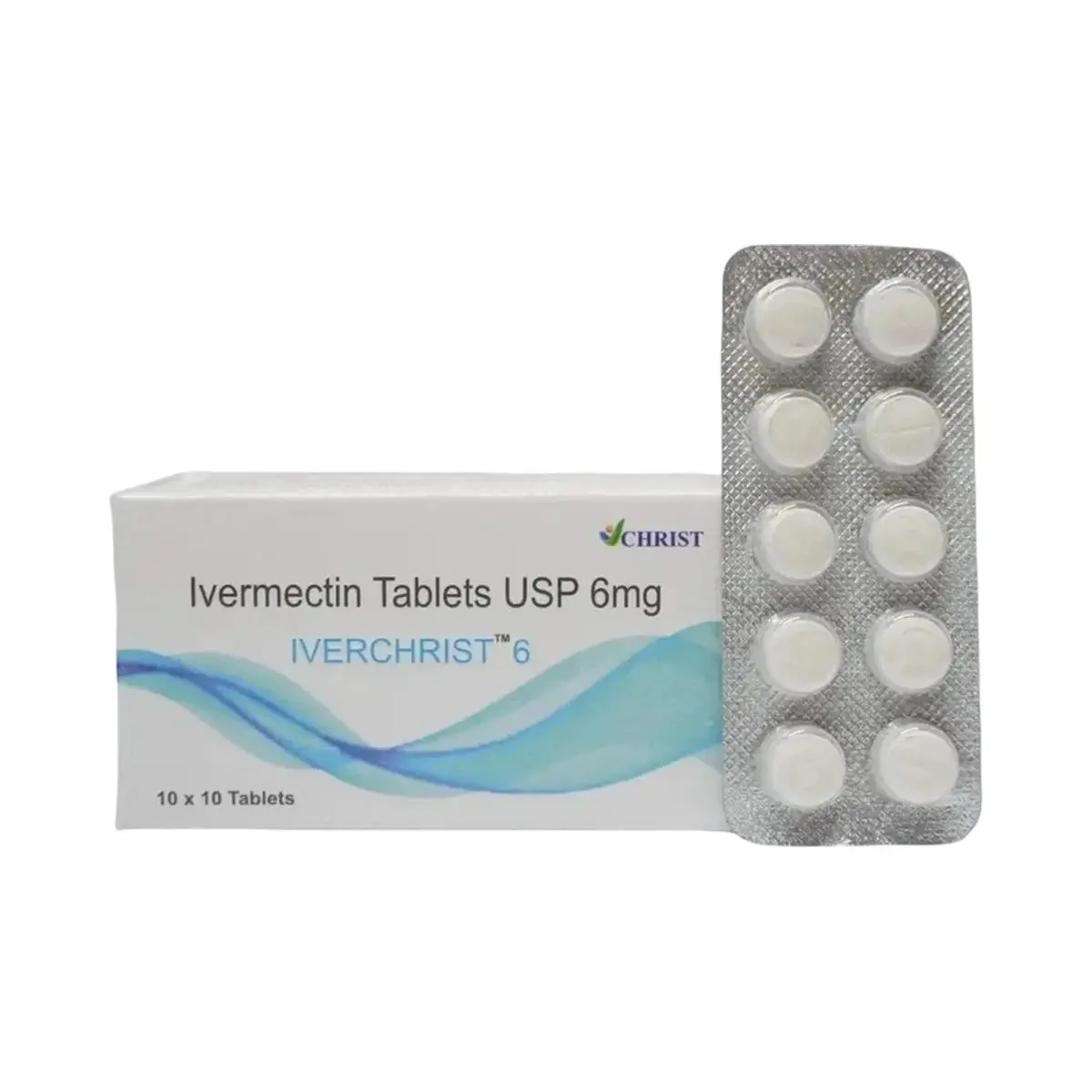
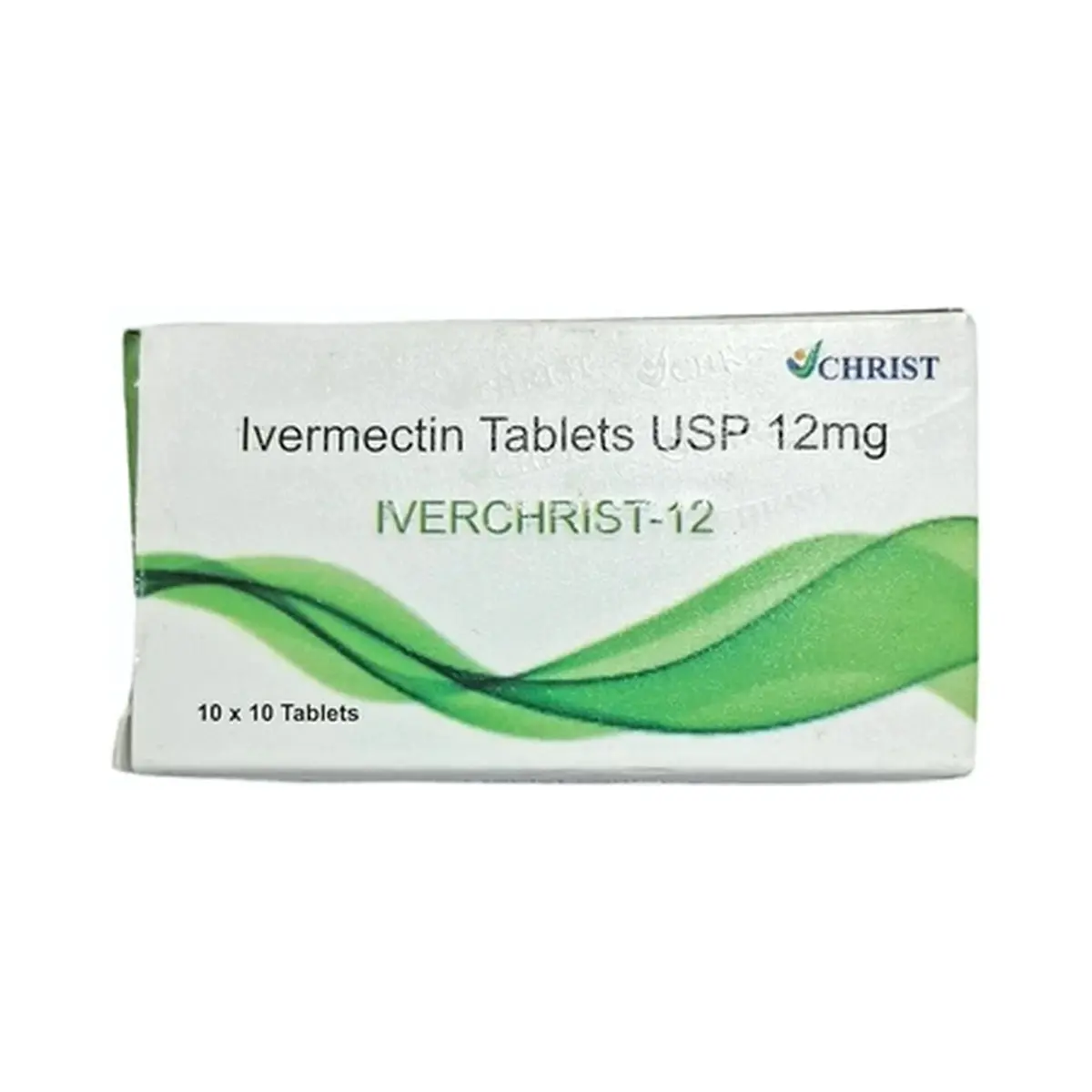
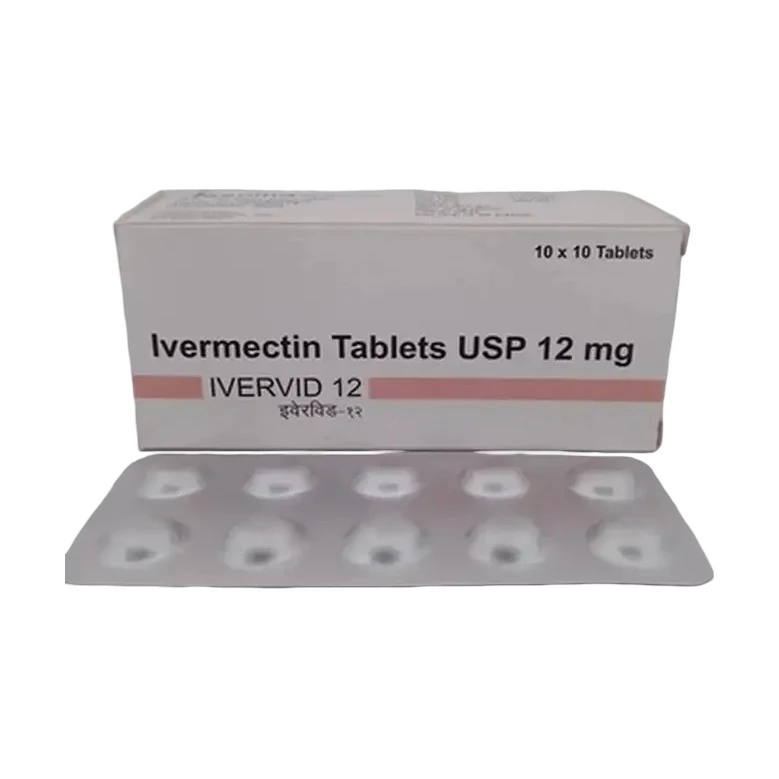
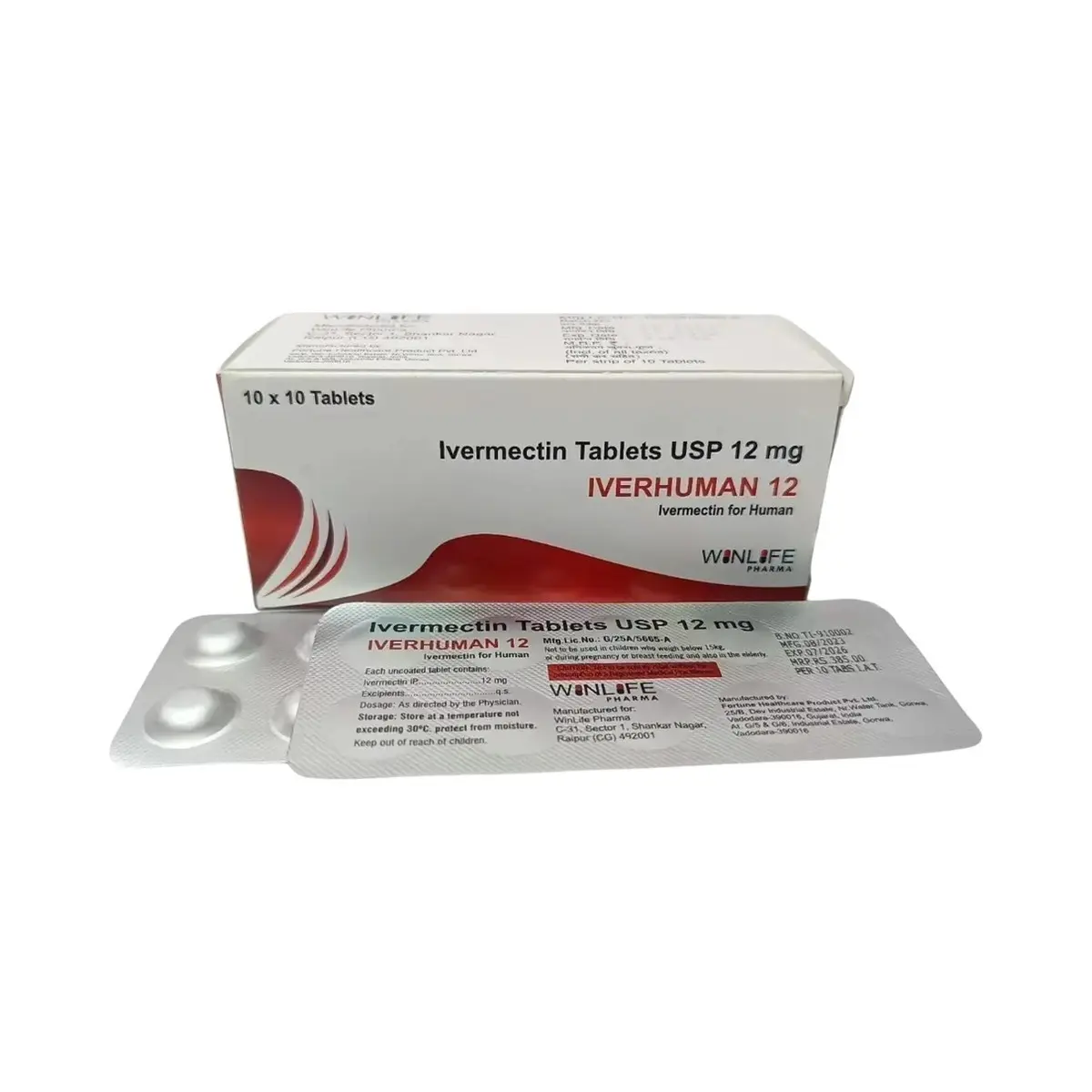
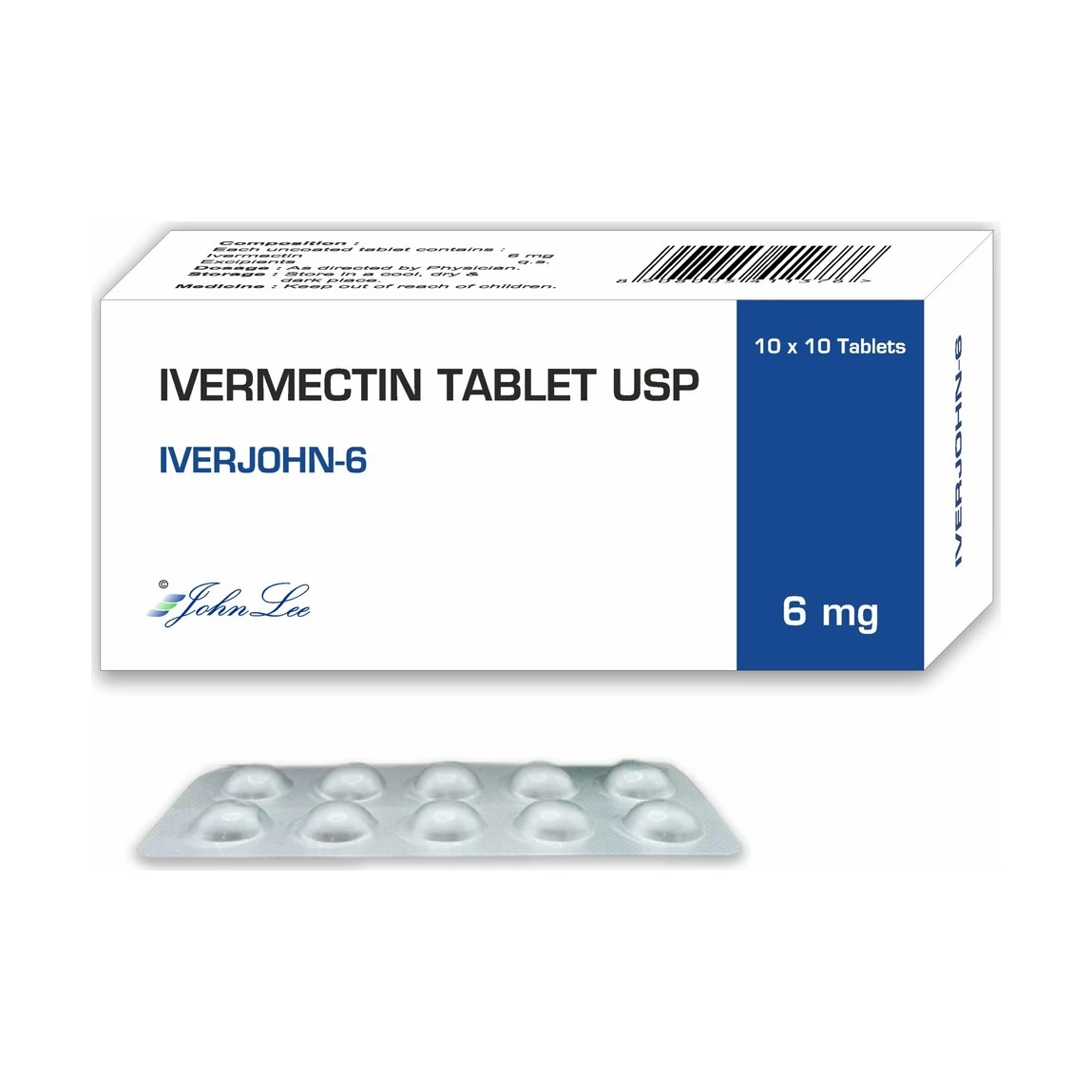
Iverjohn (Ivermectin) 6 mg
Iverjohn 6 mg is an oral ivermectin tablet product. Ivermectin is an established antiparasitic medicine used for selected parasitic infections in human medicine.
Active Ingredient and Medicine Class
Active ingredient: ivermectin.
Medicine class: antiparasitic agent; anthelmintic / macrocyclic lactone.
Established Medical Uses
Official prescribing information for ivermectin tablets supports use for intestinal strongyloidiasis caused by Strongyloides stercoralis and onchocerciasis caused by Onchocerca volvulus. Published reviews also describe its established role in some other parasitic infestations, including certain ectoparasites such as scabies and lice, but product-specific approvals can vary by country and formulation.
How It Works
Ivermectin acts on parasite nerve and muscle function. It binds to glutamate-gated chloride channels found in invertebrates, increasing chloride movement across cell membranes and causing paralysis and death of the parasite. At higher concentrations it can also affect other ligand-gated ion channels, but the antiparasitic effect is mainly linked to its action on parasite-specific chloride channels.
Important Safety Information
Ivermectin tablets are contraindicated in people with hypersensitivity to the product or any component. Prescribing information warns that treatment for onchocerciasis can trigger inflammatory reactions related to dying microfilariae, including skin and eye reactions. Serious neurologic toxicity has also been reported, including confusion, altered consciousness, stupor, coma and, rarely, death. Extra caution is advised in patients with possible Loa loa infection, because severe encephalopathy has been reported in heavily infected patients.
Human medicine references also note clinically relevant interactions with other drugs that may affect ivermectin exposure or central nervous system effects, although the exact interaction profile depends on the formulation and co-medications.
Possible Side Effects
Reported adverse effects include dizziness, nausea, diarrhea, abdominal discomfort, pruritus, rash and fatigue. In onchocerciasis, reactions may reflect the body’s response to parasite death rather than the drug alone. More serious events can include eye inflammation, neurologic symptoms and severe systemic reactions.
Scientific Evidence
Clinical reviews and prescribing data support ivermectin as an effective antiparasitic drug with a long history of use in human parasitic disease. Evidence from human studies shows meaningful reductions in microfilariae in onchocerciasis and established efficacy in intestinal strongyloidiasis. Mechanistic reviews confirm the parasite-selective chloride-channel action that underpins its clinical antiparasitic activity.
Medical Information Notice
This page is an educational summary based on sources available at the time of review and does not replace the official patient leaflet or individual assessment by a qualified healthcare professional.
Medical Sources
- DailyMed (U.S. prescribing information): IVERMECTIN TABLETS, USP
- David A. S. Sasa, et al. Ivermectin: an assessment of its pharmacology, microbiology and safety, Parasitology Today (2000). PubMed