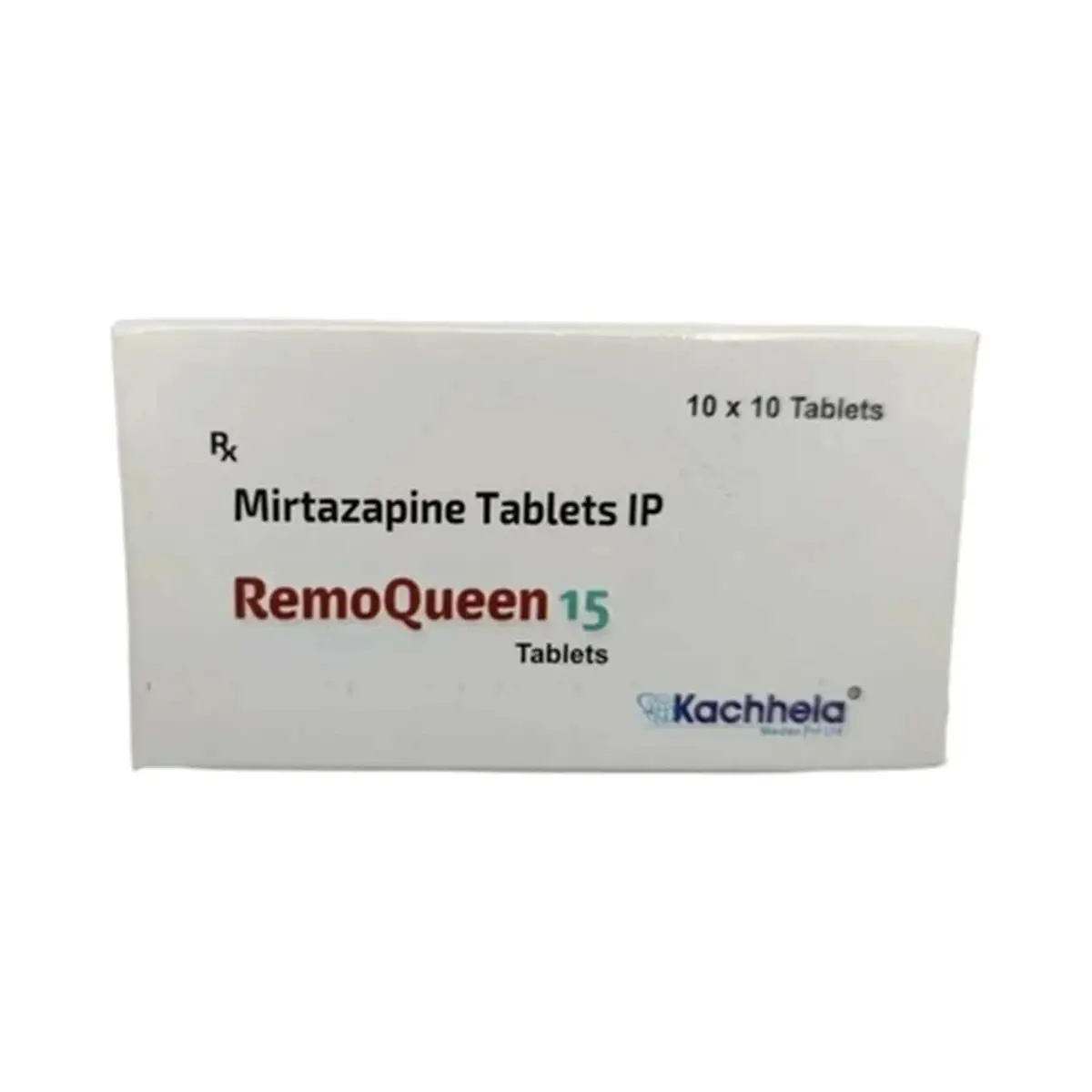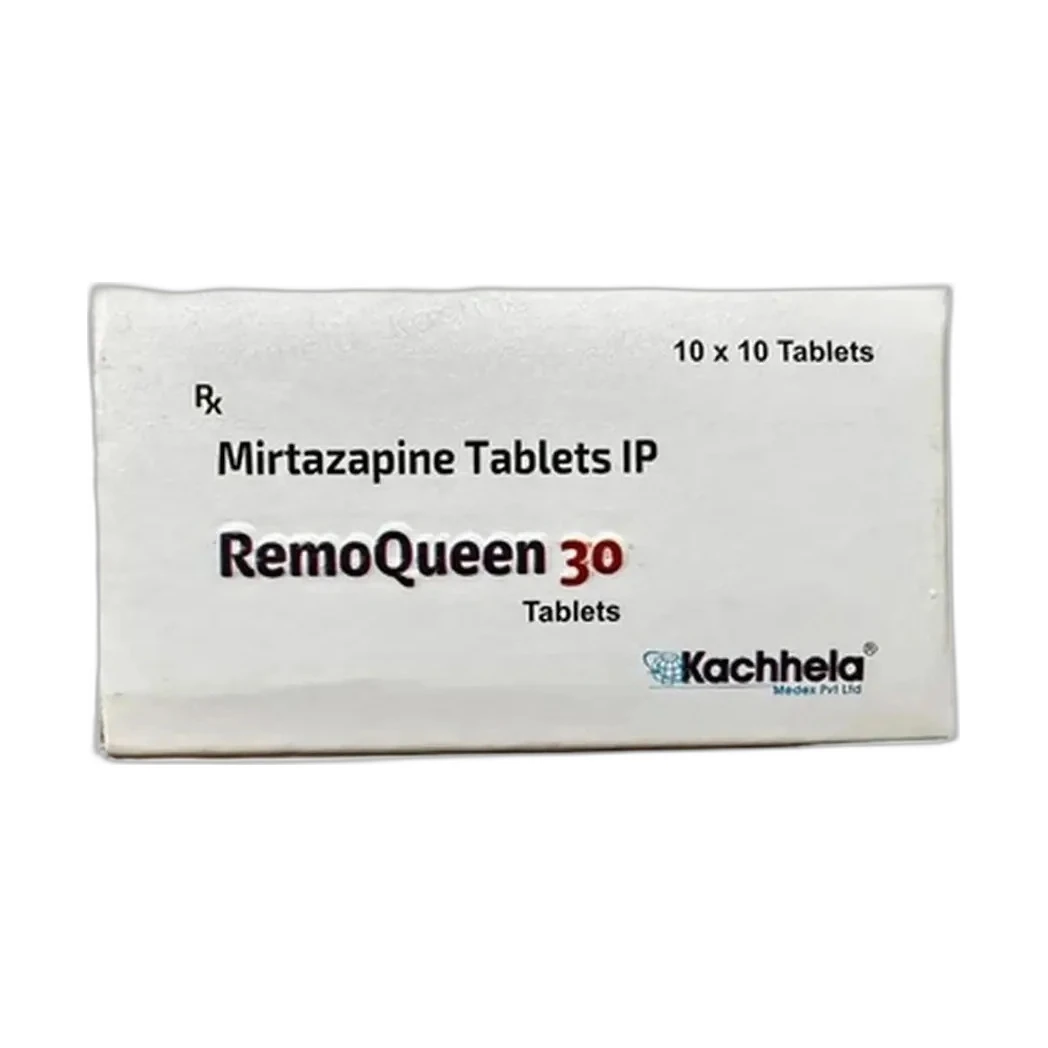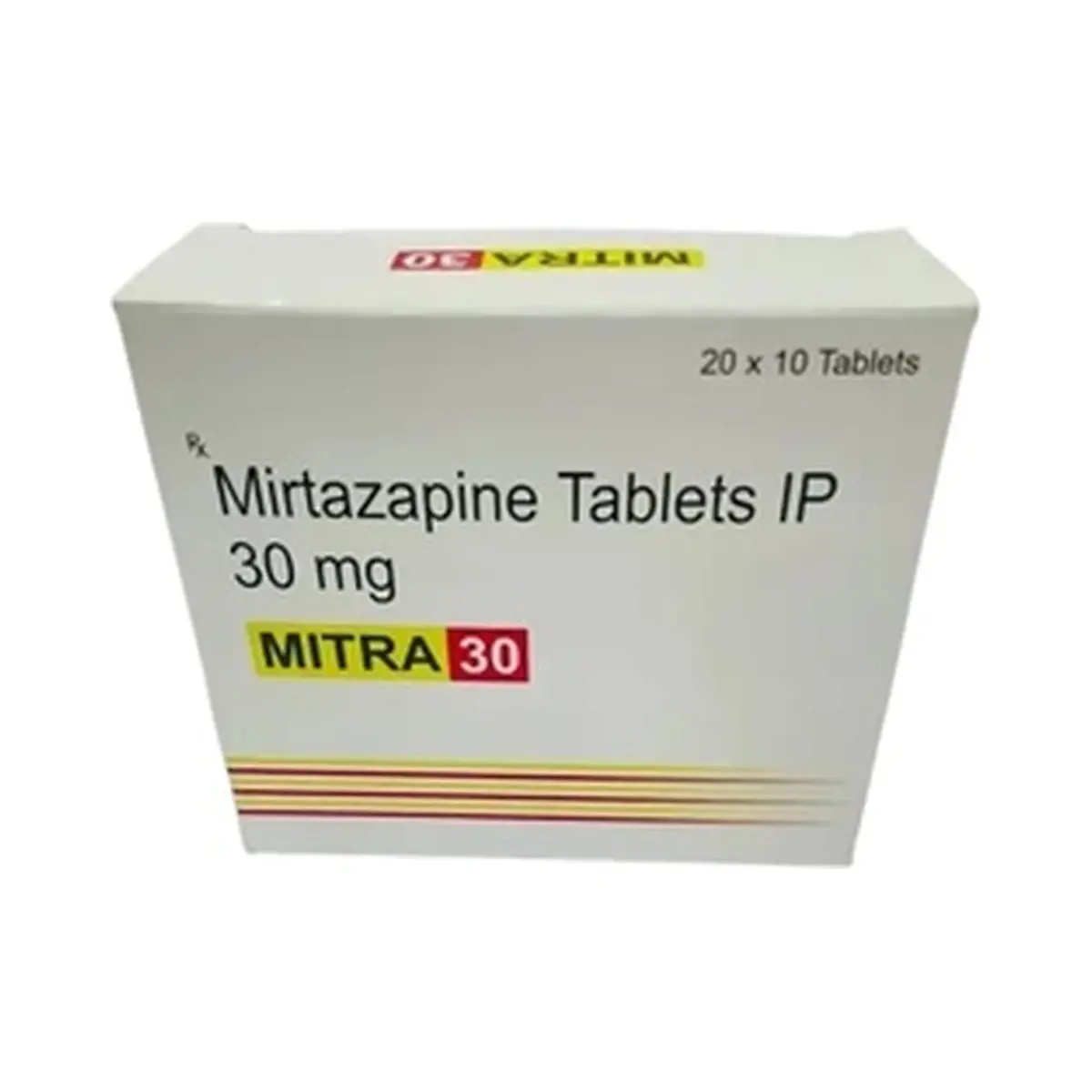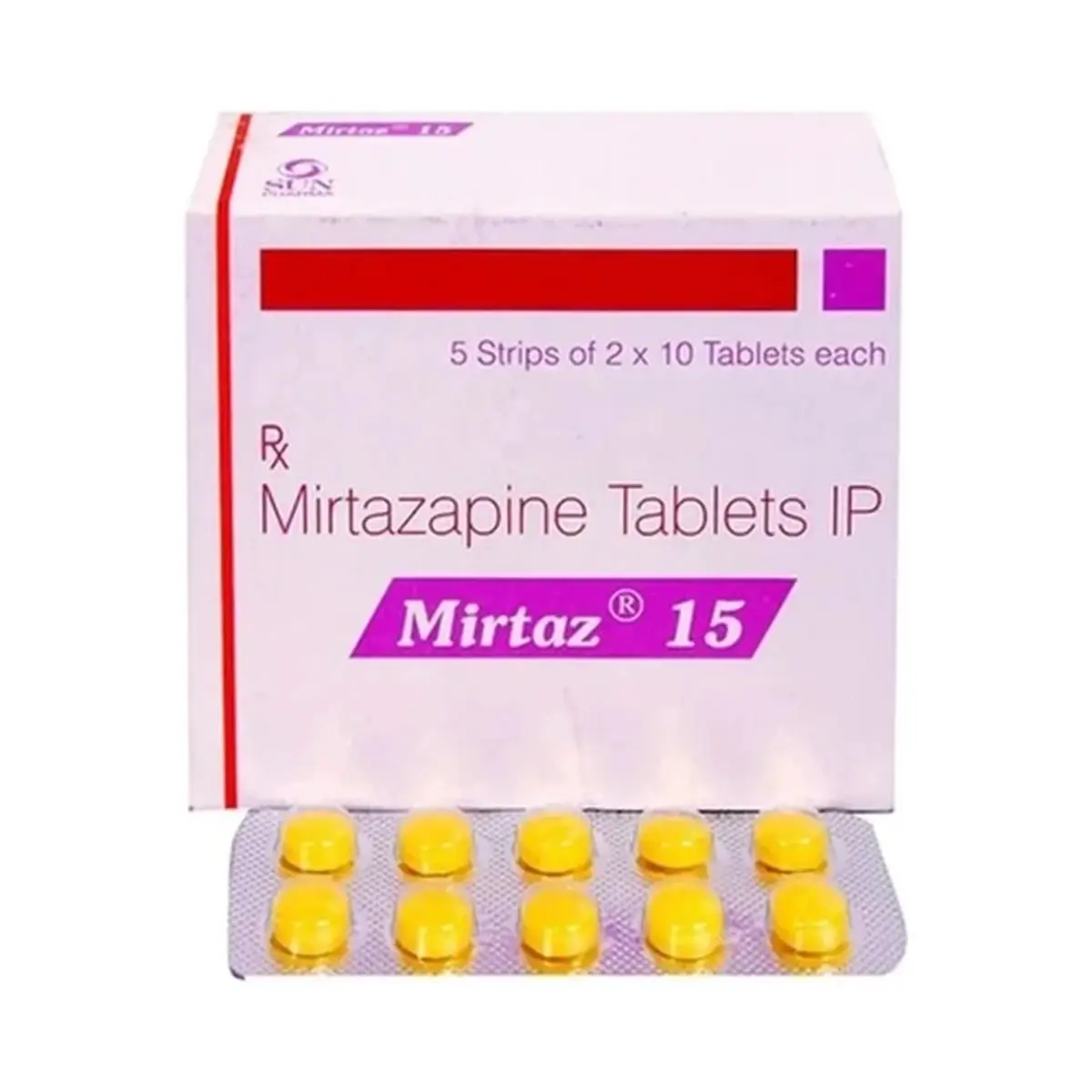
Description
Mirtaz (Mirtazapine) 15 mg
Mirtaz is a brand name for mirtazapine 15 mg tablets. Mirtazapine is an antidepressant used in adults for major depressive disorder. The product name and strength given here are consistent with mirtazapine tablet medicine, but the clinical information below is based on verified prescribing sources for mirtazapine.
Active Ingredient and Medicine Class
The verified active ingredient is mirtazapine. It is a tetracyclic antidepressant with noradrenergic and specific serotonergic activity.
Established Medical Uses
Official prescribing information for mirtazapine tablets states that it is indicated for the treatment of major depressive disorder (MDD) in adults. Clinical literature also describes its use in depressive illness with prominent insomnia, anxiety, or agitation, but the approved indication remains adult MDD.
How It Works
Mirtazapine acts by enhancing noradrenergic and serotonergic neurotransmission in the brain. It blocks central presynaptic alpha-2 adrenergic receptors and also antagonises certain serotonin receptors, especially 5-HT2 and 5-HT3. It has strong histamine H1 receptor blocking activity, which helps explain its sedating properties.
Important Safety Information
Mirtazapine is contraindicated in people taking, or who have recently stopped, monoamine oxidase inhibitors, including linezolid and intravenous methylene blue, because of the risk of serotonin syndrome. It is also contraindicated in patients with known hypersensitivity to mirtazapine or any tablet excipients. Prescribing information warns about suicidal thoughts and behaviours in younger patients, as well as the need to screen for bipolar disorder before treatment.
Important precautions include the risk of serotonin syndrome, somnolence, mania or hypomania, seizures, angle-closure glaucoma, hyponatremia, QT prolongation, increased appetite and weight gain, elevated cholesterol and triglycerides, and rare but serious blood, liver, and severe skin reactions. Clinically significant interactions are reported with MAOIs and with strong CYP3A inducers or inhibitors; warfarin co-use requires INR monitoring.
Possible Side Effects
Common adverse effects include somnolence, increased appetite, weight gain, dry mouth, constipation, dizziness, and nausea. The prescribing information also reports fatigue and abnormal dreams among common reactions. Serious reactions can include severe skin reactions, serotonin syndrome, agranulocytosis, significant mood changes, and discontinuation symptoms if treatment is stopped abruptly.
Scientific Evidence
Peer-reviewed reviews and meta-analyses have found mirtazapine to be an effective antidepressant for adult major depression, with evidence of benefit versus placebo and comparable efficacy to several older antidepressants in short-term trials. Comparative evidence also suggests that its sedating profile may make it clinically useful when sleep disturbance is part of the depressive syndrome, although this is not a substitute for individual clinical assessment.
Medical Information Notice
This summary is provided for educational purposes only and is based on sources available at the time of review. It does not replace the official patient leaflet, prescribing information, or assessment by a qualified healthcare professional.
Medical Sources
- DailyMed / U.S. National Library of Medicine: Mirtazapine Tablets, Full Prescribing Information. View source
- Watanabe N, Omori IM, Nakagawa A, et al.: Safety reporting and adverse-event profile of mirtazapine described in randomized controlled trials in comparison with other classes of antidepressants in the acute-phase treatment of adults with depression: systematic review and meta-analysis. PubMed, 2011. View PubMed article