Description
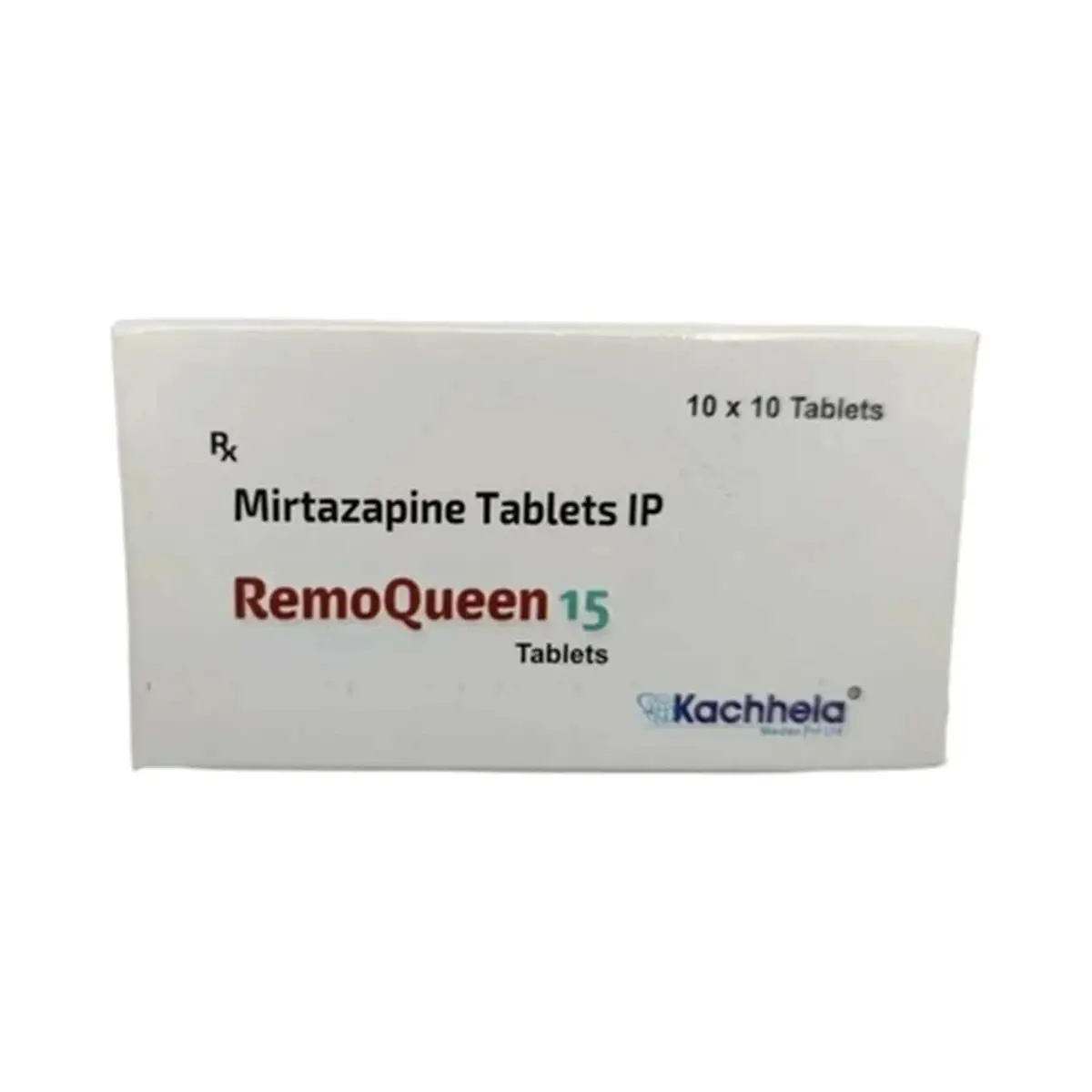
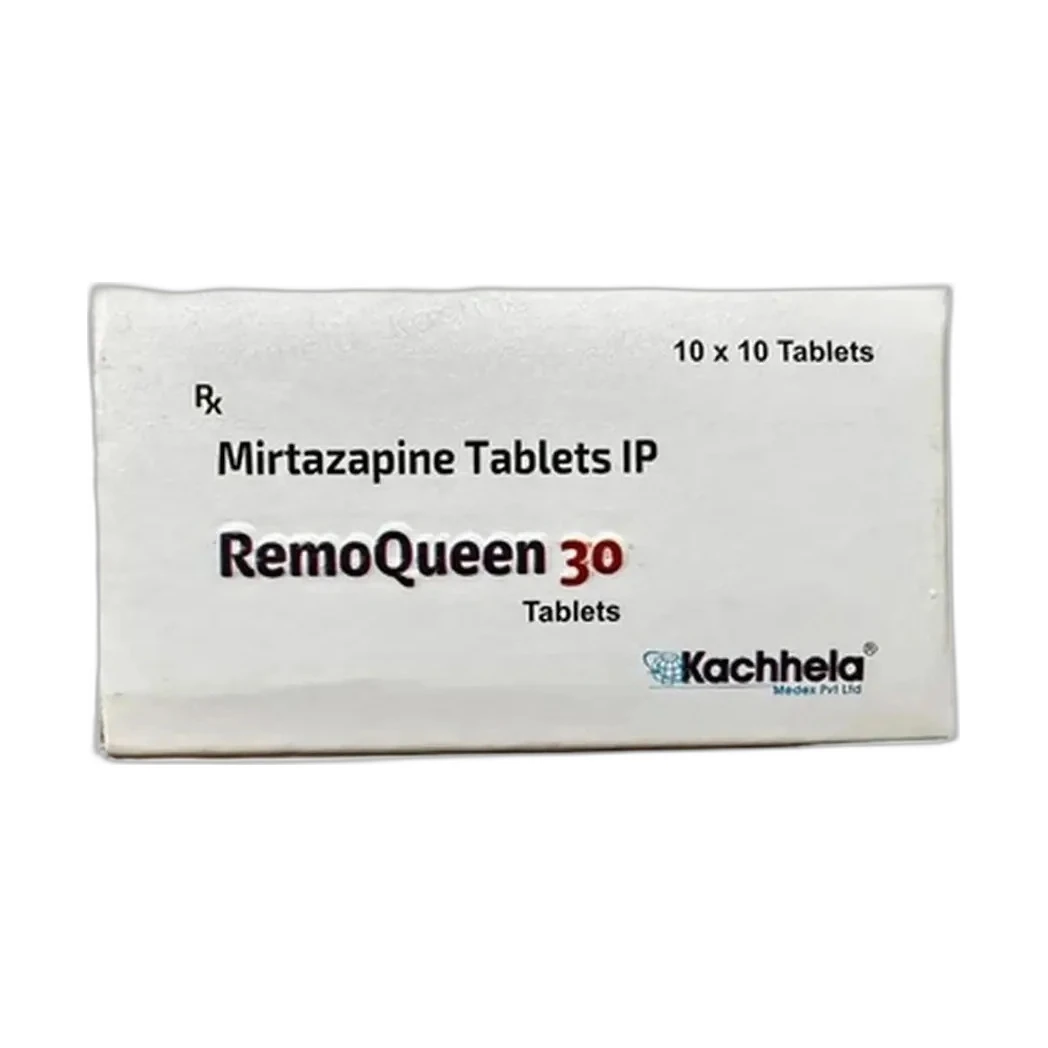
Remoqueen (Mirtazapine) 30 mg
Remoqueen 30 mg is a branded tablet product containing mirtazapine. Mirtazapine is an antidepressant used in the treatment of depressive disorders. Regulatory prescribing information describes it as a medicine with noradrenergic and specific serotonergic activity.
Active Ingredient and Medicine Class
Active ingredient: mirtazapine.
Medicine class: antidepressant; commonly described as a noradrenergic and specific serotonergic antidepressant (NaSSA).
Established Medical Uses
Mirtazapine is established for the treatment of major depressive disorder and other depressive disorders where approved by local prescribing information. Published reviews also discuss its use in patients whose depression is accompanied by anxiety symptoms, sleep disturbance, or poor appetite, but these are not separate universal approvals.
How It Works
Mirtazapine works by enhancing central noradrenergic and serotonergic neurotransmission. It blocks presynaptic alpha-2 receptors, which increases release of norepinephrine and serotonin, and it also antagonises certain serotonin receptors, especially 5-HT2 and 5-HT3. This receptor profile helps explain its antidepressant effect and some of its characteristic adverse effects.
Important Safety Information
Mirtazapine is contraindicated with monoamine oxidase inhibitors (MAOIs), including linezolid and intravenous methylene blue, because of the risk of serotonin syndrome. Important precautions include the possibility of suicidal thoughts and behaviour in some patients with depression, sedation, and weight gain. Prescribing information also warns about blood dyscrasias, including agranulocytosis, and rare but serious skin reactions such as DRESS, Stevens-Johnson syndrome, toxic epidermal necrolysis, and erythema multiforme. Clinically significant interactions may occur with other serotonergic medicines, alcohol, and strong CYP3A inducers or inhibitors.
Possible Side Effects
Common adverse effects include drowsiness, increased appetite, weight gain, dry mouth, dizziness, and constipation. Less common but serious reactions can include serotonin syndrome, severe allergic or skin reactions, neutropenia/agranulocytosis, seizures, and abnormal heart rhythm in susceptible patients.
Scientific Evidence
Peer-reviewed reviews and meta-analyses support mirtazapine as an effective antidepressant for major depressive disorder. Comparative evidence indicates it can be at least as effective as several older antidepressants in short-term treatment, and its sedative and appetite-related effects are consistent with its receptor profile. A recent systematic review also examined adverse-event risk in adults with major depressive disorder and confirmed that tolerability issues are clinically relevant and should be considered alongside potential benefit.
Medical Information Notice
This educational summary is based on sources available at the time of review and does not replace the official patient leaflet, prescribing information, or assessment by a qualified healthcare professional.