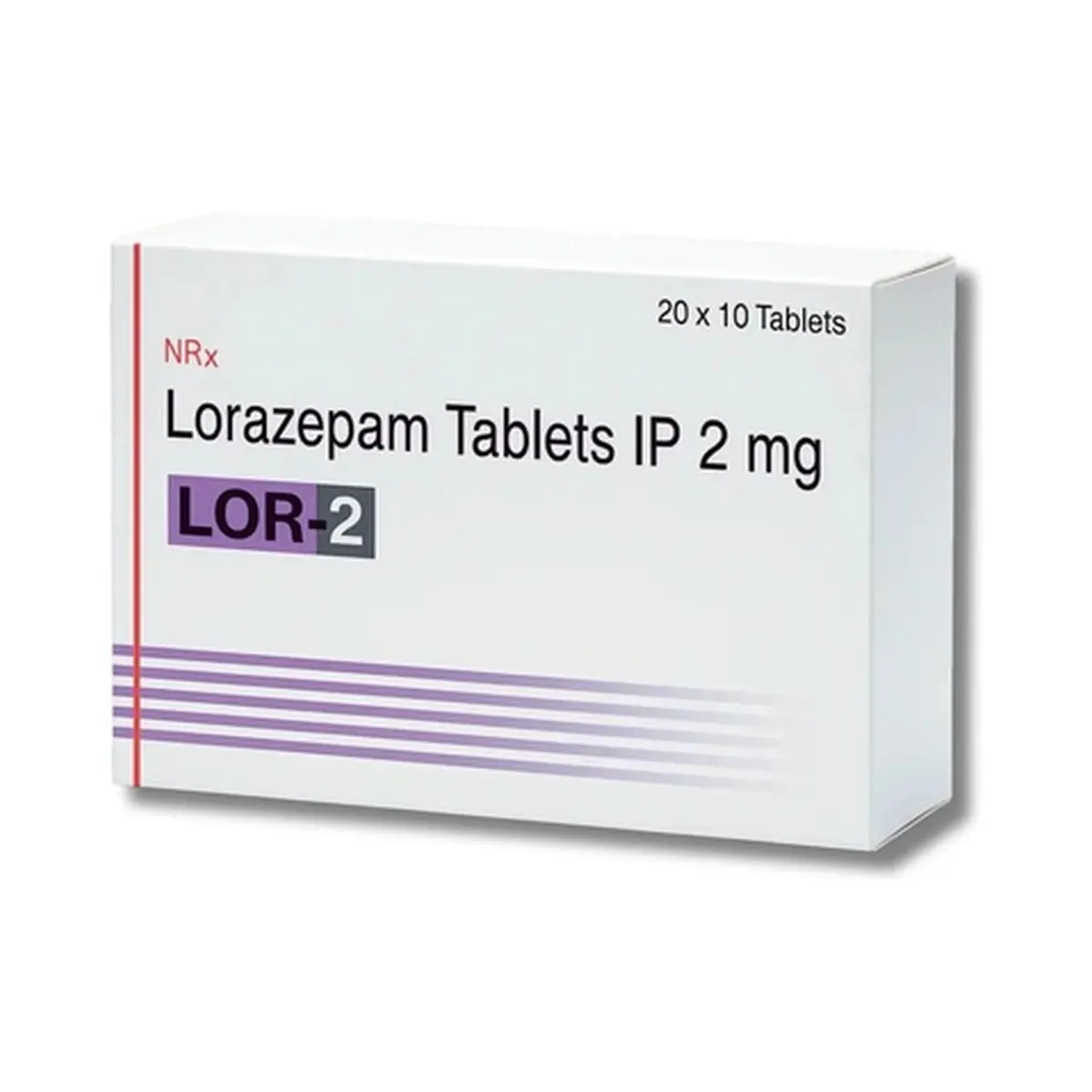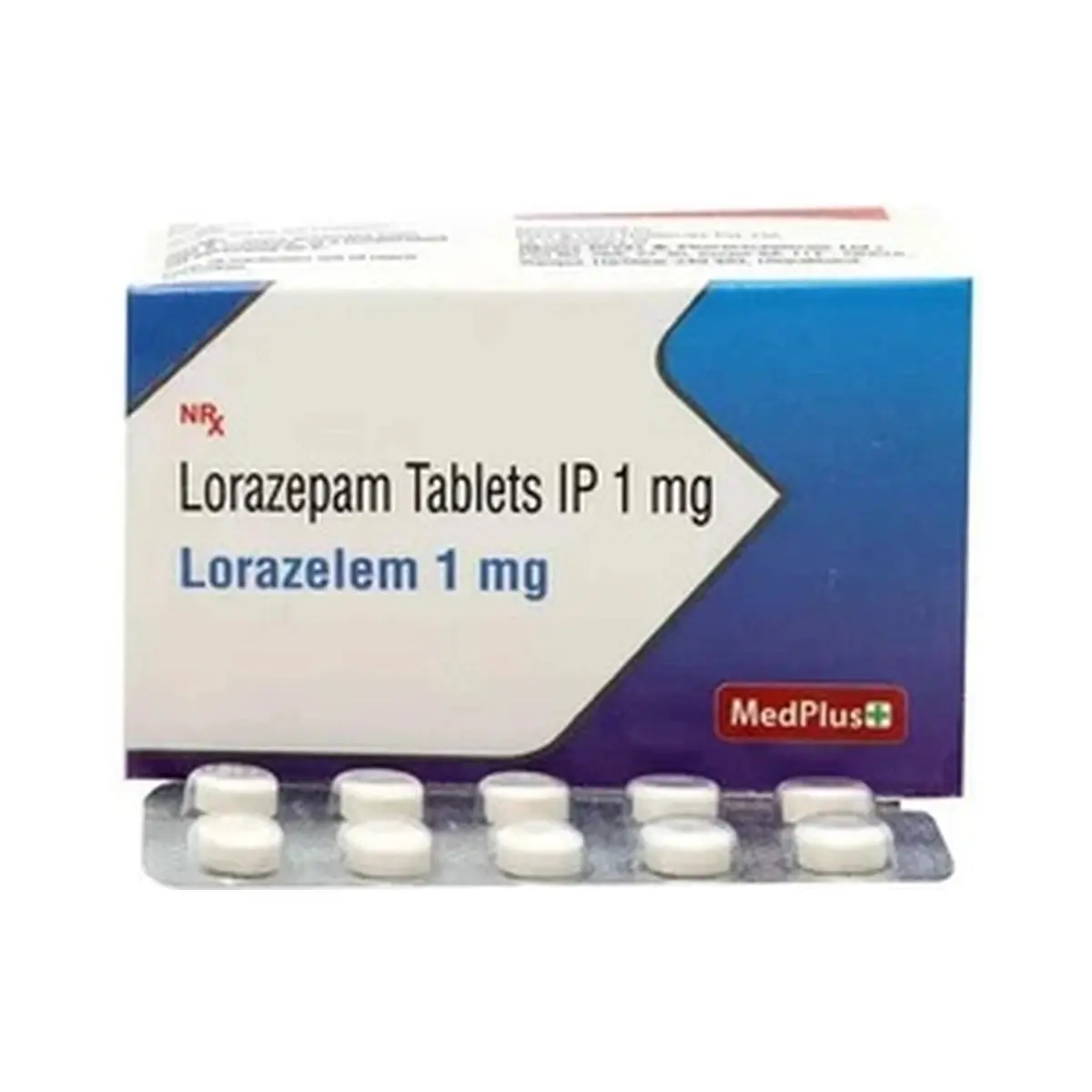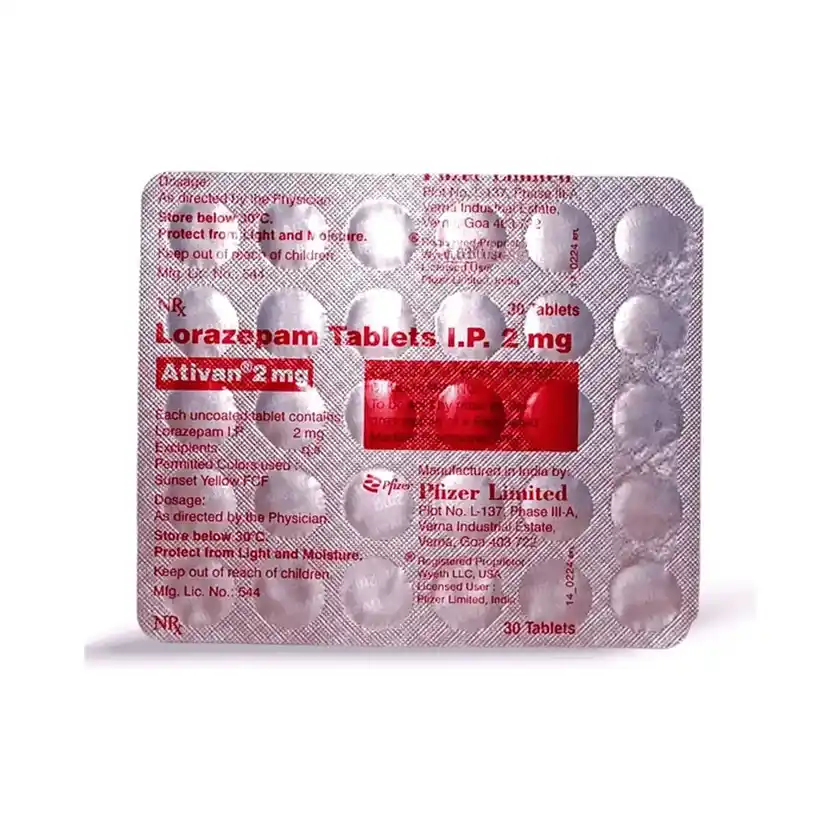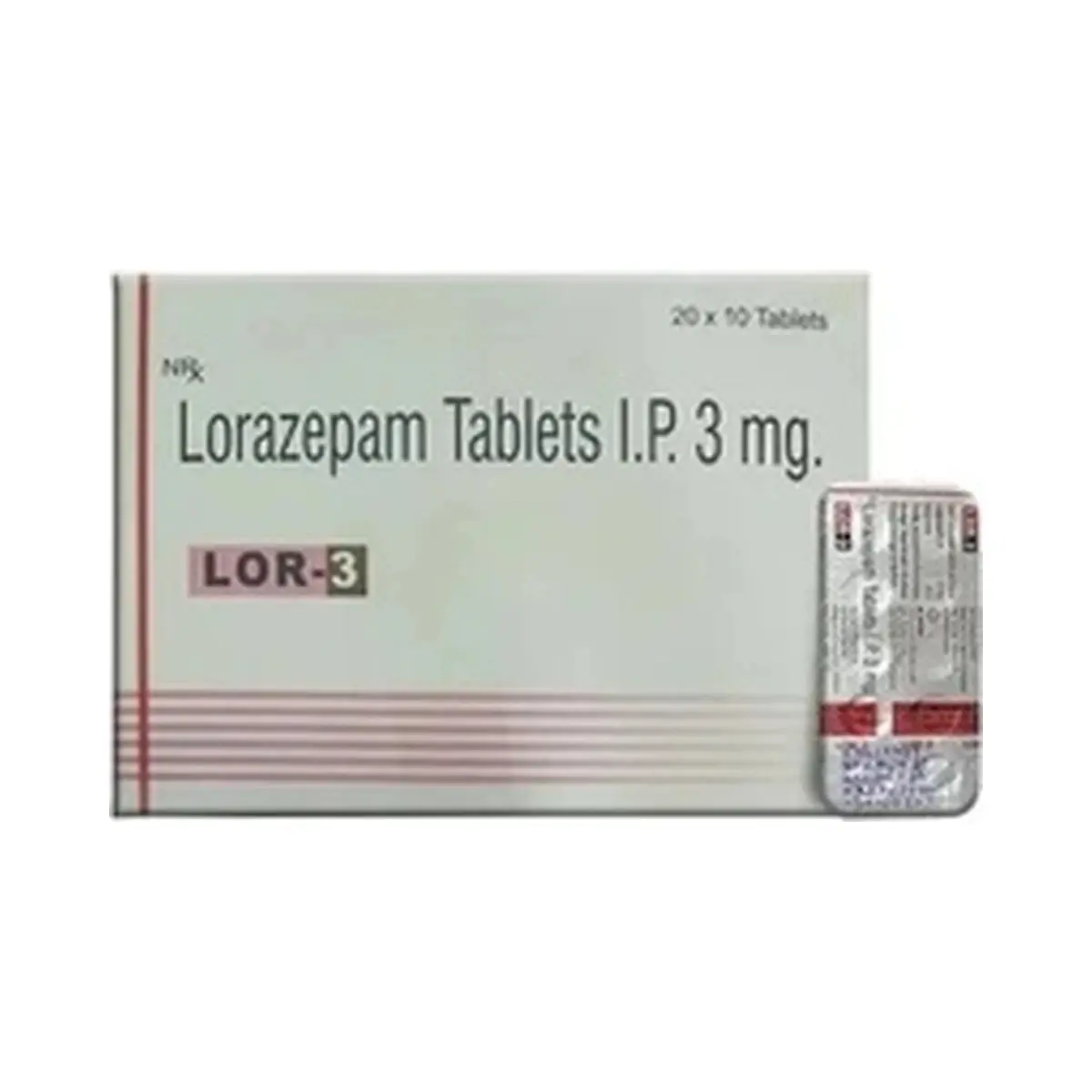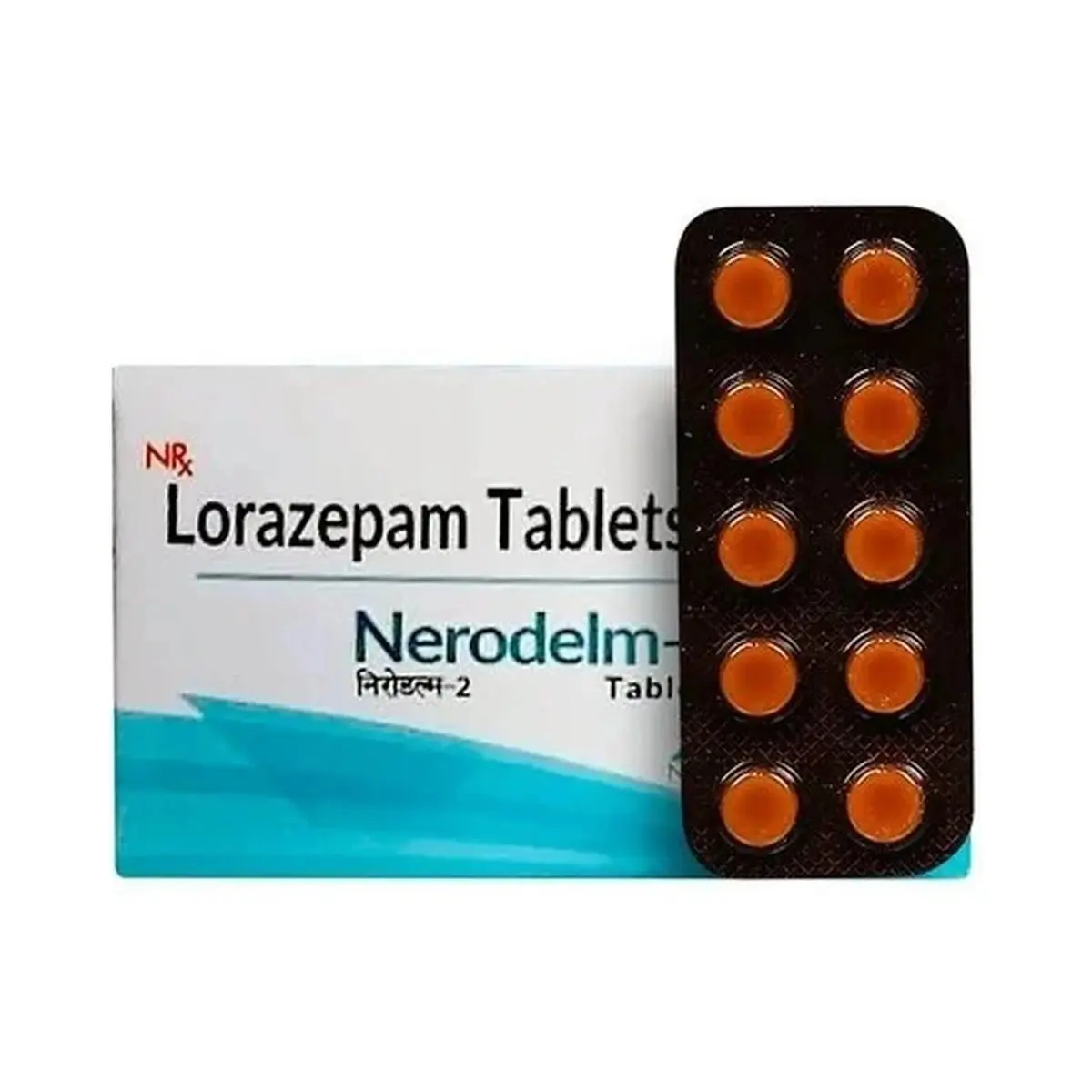
Description
Nerodelm (Lorazepam) 1 mg
Nerodelm is a brand name for lorazepam, a prescription benzodiazepine medicine. Verifiable regulatory information shows lorazepam is used for the short-term relief of anxiety symptoms and anxiety associated with depressive symptoms; some product labels also note anxiety-related insomnia. The exact trade name “Nerodelm” could not be independently verified in official sources, so this summary is based on the verified active ingredient, lorazepam.
Active Ingredient and Medicine Class
The active ingredient is lorazepam 1 mg. Lorazepam belongs to the benzodiazepine class of central nervous system depressants. Benzodiazepines act as positive allosteric modulators at the GABA-A receptor, enhancing the effect of gamma-aminobutyric acid (GABA), the brain’s main inhibitory neurotransmitter.
Established Medical Uses
Official prescribing information for lorazepam tablets identifies use in the management of anxiety disorders and the short-term relief of anxiety symptoms, including anxiety associated with depressive symptoms. Some labels also describe use for insomnia when it is related to anxiety or transient stress. Long-term effectiveness has not been systematically established in the FDA label.
How It Works
Lorazepam increases the calming effect of GABA at GABA-A receptors. This reduces excessive neuronal activity in the central nervous system, which helps explain its anxiolytic and sedative effects. Because this action is not selective for anxiety alone, it can also produce drowsiness, impaired coordination, and memory-related effects.
Important Safety Information
Lorazepam is contraindicated in people with hypersensitivity to benzodiazepines or any component of the formulation, and the FDA label also lists acute narrow-angle glaucoma. Important precautions include the risk of dependence, misuse, and withdrawal reactions, especially with prolonged use or abrupt discontinuation. Concomitant use with opioids, alcohol, or other central nervous system depressants can cause profound sedation, respiratory depression, coma, and death. Caution is also warranted in patients with depression, respiratory disease, and in older adults.
Possible Side Effects
Common adverse effects include drowsiness, fatigue, dizziness, and reduced alertness. Other recognised effects include confusion, amnesia, impaired coordination, disorientation, and blurred vision. More serious reactions can include respiratory depression, worsening of sleep apnea or lung disease, paradoxical behavioural changes, and withdrawal symptoms such as rebound anxiety or insomnia after stopping.
Scientific Evidence
Peer-reviewed reviews support lorazepam as a benzodiazepine anxiolytic with short-term clinical utility, while also highlighting the class risks of tolerance, dependence, and withdrawal. Evidence reviews on benzodiazepine use in anxiety and insomnia consistently emphasise that benefits must be balanced against sedation and the potential for clinically significant withdrawal when treatment ends.
Medical Information Notice
This page is an educational summary based on sources available at the time of review. It does not replace the official patient leaflet, product label, or assessment by a qualified healthcare professional.
Medical Sources
- U.S. Food and Drug Administration — Ativan (lorazepam) Tablets, prescribing information
- DailyMed — Lorazepam tablet, prescribing information
- Lipman AG et al. “Lorazepam.” StatPearls. 2022.
- MacKinnon GL, Parker WA. “Benzodiazepine withdrawal syndrome: a literature review and evaluation.” Am J Drug Alcohol Abuse. 1982.