Description
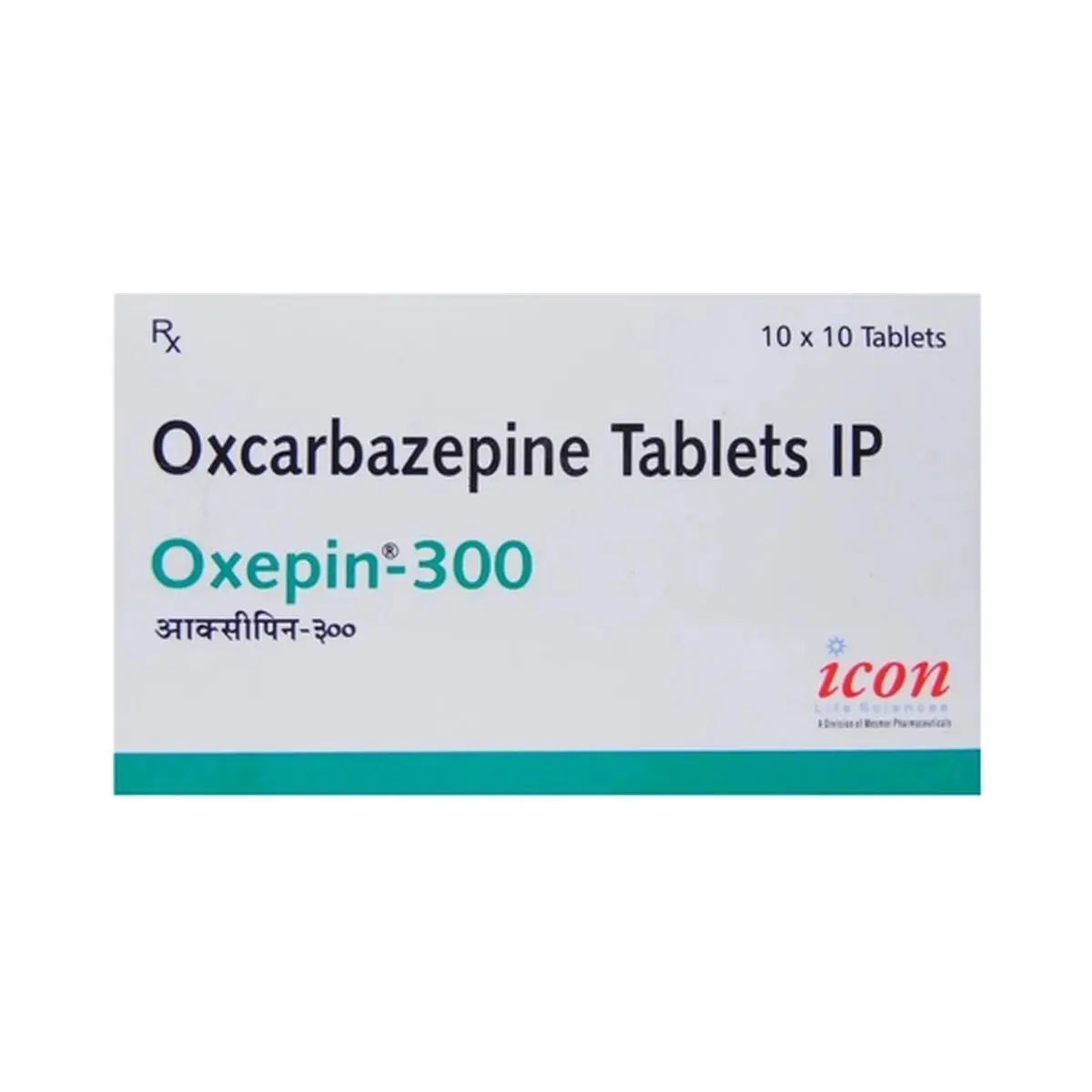
Oxcarb (Oxcarbazepine) 300 mg
Oxcarb 300 mg is a brand name for oxcarbazepine, an antiseizure medicine used in epilepsy care. Verified regulatory sources identify oxcarbazepine tablets as an oral medicine for partial-onset seizures, also called focal seizures. The product name and strength are consistent with a tablet formulation containing oxcarbazepine 300 mg.
Active Ingredient and Medicine Class
The active ingredient is oxcarbazepine. It is an anticonvulsant / antiepileptic medicine. Oxcarbazepine is closely related to carbamazepine, but it has a different metabolic profile and is converted in the body to an active metabolite called monohydroxy derivative (MHD).
Established Medical Uses
Official prescribing information states that oxcarbazepine is indicated as monotherapy or adjunctive therapy for partial-onset seizures in adults, and for partial-onset seizures in children in age groups specified in the label. Peer-reviewed reviews also describe its established use in focal epilepsy.
How It Works
Oxcarbazepine is rapidly converted to its active metabolite, MHD, which helps reduce abnormal electrical activity in the brain. The medicine is understood to stabilise overactive nerve cell membranes and reduce repetitive firing, thereby helping to lower seizure frequency.
Important Safety Information
Regulatory labels warn that oxcarbazepine may cause hyponatremia, serious skin reactions, hypersensitivity reactions including DRESS, anaphylaxis/angioedema, hematologic events, and suicidal behaviour or ideation. It should not be used in patients with known hypersensitivity to oxcarbazepine or to related components, and caution is advised in people with a history of hypersensitivity to carbamazepine because cross-reactivity can occur.
Important interactions include reduced effectiveness of hormonal contraceptives, increased phenytoin levels, and reduced exposure to the active metabolite when used with strong enzyme inducers such as carbamazepine, phenytoin, or phenobarbital. Pregnancy warnings are included in the label.
Possible Side Effects
Common adverse effects reported in prescribing information include dizziness, somnolence, double vision, fatigue, nausea, vomiting, ataxia, abnormal vision, headache, nystagmus, tremor, and abnormal gait. Serious reactions can include severe rash, marked allergic reactions, low sodium, and mood or behaviour changes.
Scientific Evidence
PubMed-indexed reviews and trial summaries support oxcarbazepine as an effective treatment for partial seizures in adults and children. The literature also notes that it is generally better tolerated than carbamazepine for many patients and has fewer clinically significant drug interactions, although adverse effects and interactions remain important.
Medical Information Notice
This page is an educational summary based on sources available at the time of review and does not replace the official patient leaflet, prescribing information, or assessment by a qualified healthcare professional.
Medical Sources
- FDA / DailyMed: OXCARBAZEPINE tablets, prescribing information. View source
- FDA: TRILEPTAL (oxcarbazepine) prescribing information. View source
- Horga de la Parte JF et al. Oxcarbazepine in the treatment of epilepsy. A review and update. Rev Neurol. 2006. PubMed